


How Much to Build a Bowling Alley in Palau? – Flying
How Much to Build a Bowling Alley in Palau? – Flying
Building a bowling alley in Palau can be an exciting venture for entrepreneurs and investors looking to tap into the growing demand for recreational facilities in this tropical paradise. As experts with extensive experience in the industry, we at Flying, established in 2006, have been at the forefront of developing innovative bowling solutions, including string pinsetters and ball return machines. This guide aims to provide you with a comprehensive overview of the costs and considerations involved in building a bowling alley in Palau.
Understanding the Market and Location
Selecting the right location is crucial for the success of your bowling alley in Palau. Consider the local demographics, tourism trends, and competition. Palau, with its unique cultural heritage and natural beauty, offers potential for both local and tourist clientele. Conduct thorough market research to identify areas with high demand and limited supply.
Costs Breakdown: How Much to Build a Bowling Alley in Palau?
1. Land Acquisition and Site Preparation
The initial cost involves acquiring suitable land and preparing the site. Consideration must be given to zoning laws and permits. This cost can vary significantly depending on the location and size of the land.
2. Construction Costs
Building a bowling alley requires specialized construction to accommodate lanes, seating, and other facilities. The cost will depend on the size and complexity of the design. Flying offers comprehensive design and construction services to help streamline this process.
3. Bowling Equipment
Our company offers a wide range of bowling equipment options such as Medium, Standard, Duckpin, and Mini Bowling setups. The equipment quality is on par with European and American manufacturers, but with competitive pricing. This is a crucial investment to ensure customer satisfaction and operational efficiency.
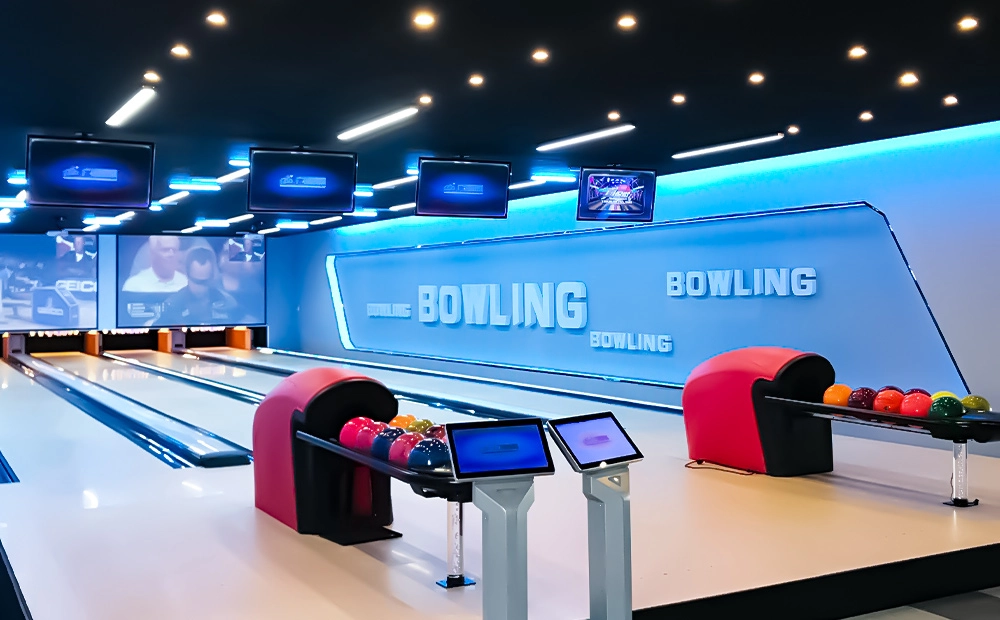
4. Interior Design and Amenities
Design plays a crucial role in enhancing the customer experience. Budget for interior decoration, seating, lighting, and entertainment amenities. An inviting and aesthetically pleasing environment can significantly boost customer satisfaction and retention.
5. Operational Costs
Consider ongoing costs such as staffing, maintenance, utilities, and marketing. These are essential to run the bowling alley smoothly and should be factored into your budget.
Tips for a Successful Bowling Alley Business in Palau
- Leverage Local Materials: Utilize local materials and suppliers where possible to reduce costs and support the local economy.
- Focus on Sustainability: Embrace eco-friendly and energy-efficient solutions to meet sustainability goals and appeal to environmentally conscious customers.
- Offer a Range of Services: Besides bowling, consider offering additional services such as a café, arcade, or party hosting to diversify revenue streams.
- Effective Marketing: Engage with the local community through social media, partnerships, and special events to build a strong customer base.
Flying – Your Partner in Building the Perfect Bowling Alley
With over 3,000 successful projects under our belt, Flying is your trusted partner in building the ideal bowling alley tailored to your needs. Our commitment to quality, innovation, and customer satisfaction sets us apart. We not only provide one-stop customized services but also seek global distributors to advance the bowling industry worldwide.
FAQs
- What is the initial investment needed to build a bowling alley in Palau?
It varies based on location, size, and equipment choice but typically ranges from several hundred thousand to over a million dollars.
- How long does it take to complete a bowling alley project in Palau?
The timeline depends on the complexity of the project but generally spans from several months to a year.
- Can Flying help with both design and construction?
Yes, Flying offers a full suite of services from design to construction and equipment installation.
- What makes Flying's equipment stand out?
Our equipment rivals European and American quality but is offered at the most competitive prices, providing excellent value.
- Is there support for new businesses in the bowling industry from Flying?
Absolutely, Flying offers ongoing support and is also seeking distributors to promote the industry globally.
Conclusion
Building a bowling alley in Palau is a promising venture that requires careful planning, research, and investment. With Flying's expertise and range of solutions, you can ensure a successful project that meets the high expectations of both local residents and tourists. Contact us today to explore how we can help make your vision a reality.
Recommended products
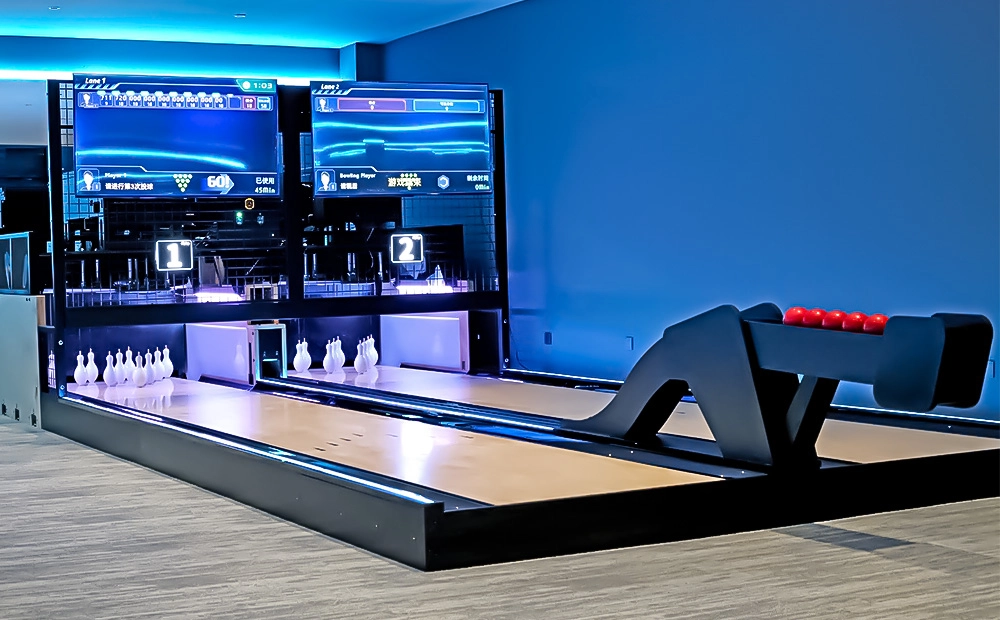
Flying Smart Duckpin Bowling Equipment and Lane System for Commercial Venues
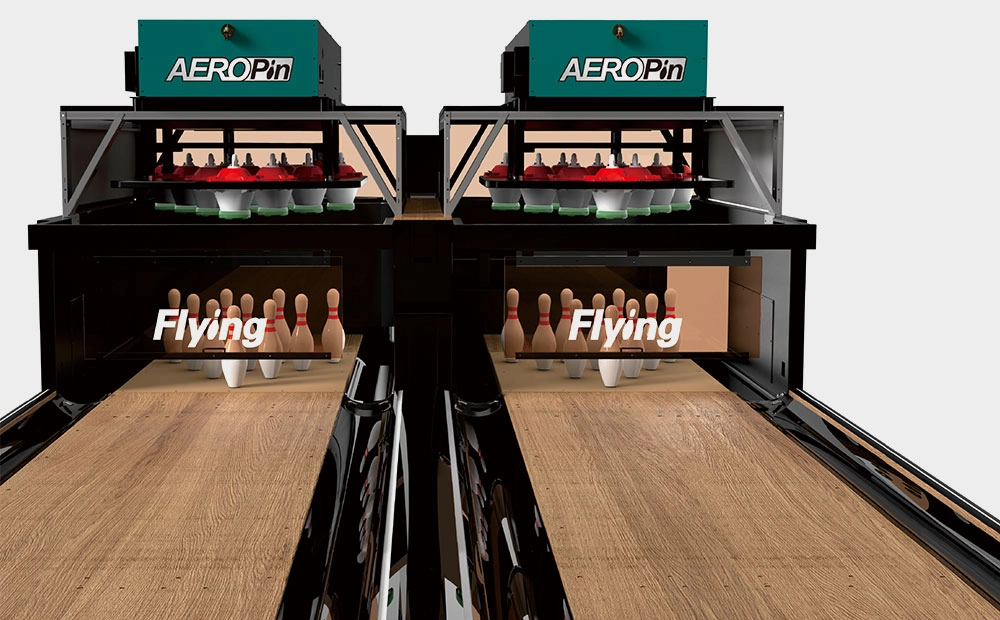
USBC-Certified AEROPIN String Pinsetter System
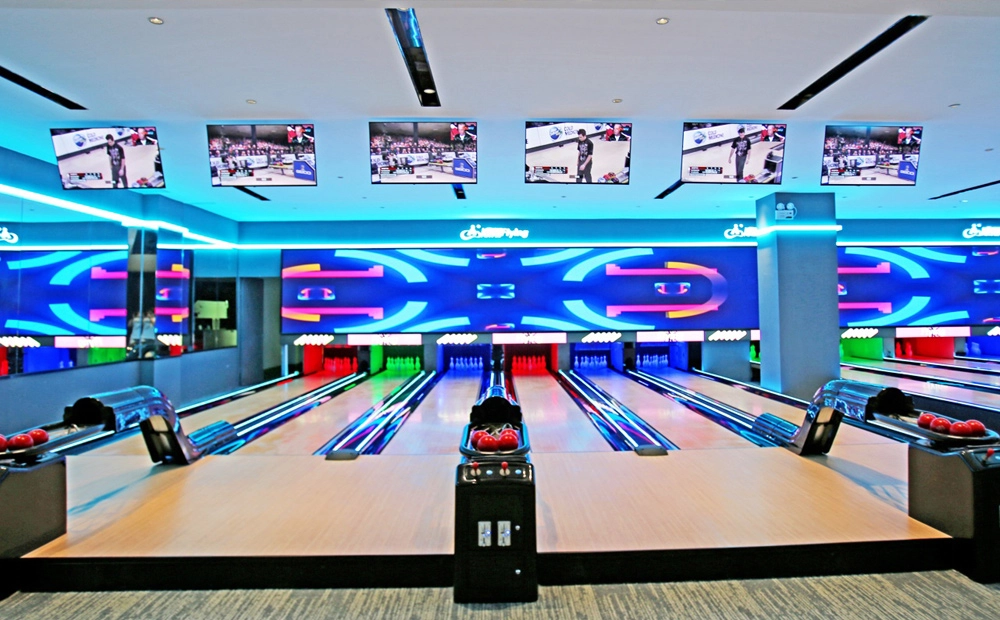
Mini Bowling Equipment for Kids and Family Entertainment Venues
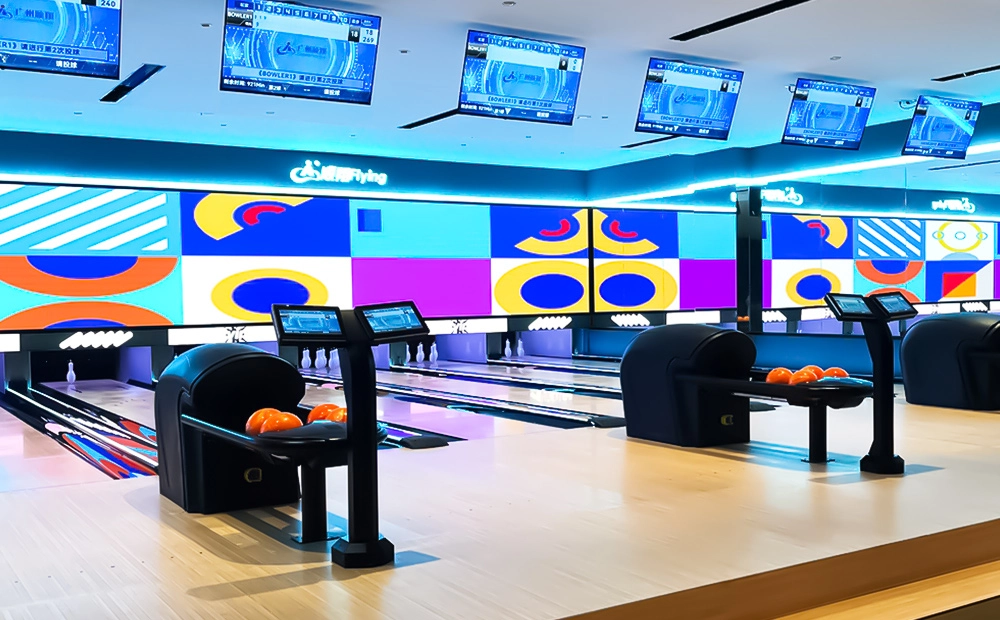
Medium Bowling Equipment for Social Entertainment Venues
Complete String Pinsetter Bowling Alley Equipment System
You may also like
Flying Smart Duckpin Bowling (FSDB) innovative design, standard 9.2-meter short lane, can be shortened in length, compact layout suitable for small spaces. The game rules are simple but challenging, attracting players of different ages to actively participate.
Suitable for social entertainment venues such as bars, billiard halls, and game centers, it not only enhances interactivity but also increases the popularity and consumption frequency of the venue. The fun and competitive nature of FSDB will make it a new focus of social activities.
Flying Classic Standard Bowling (FCSB) is designed according to international competition standards and equipped with an accurate automatic scoring system, providing bowling enthusiasts with a pure professional experience. Whether it is for competitions or leisure entertainment, FCSB can meet high-level needs.
Suitable for family entertainment centers, luxury resorts, private villas, or clubs, it is an ideal choice for customers who pursue high-end quality and professional experience. Its classic design and excellent performance will add lasting appeal to the venue.
Flying Cute Mini Bowling (FCMB) is a mini bowling experience designed for children and families. The lane length is fixed at 12 meters, equipped with lightweight balls without finger holes (only 1.25kg) and small pins, specially designed for children and family fun.
It can not only help children feel the fun of bowling, but also stimulate their interest and competitive consciousness. Suitable for children's playgrounds, theme parks and parent-child centers, it is the best choice for places focusing on the children's market.
Flying Social Medium Bowling (FSMB) is tailored for small venues, with flexible lane lengths (customizable from 9.6 meters to 18 meters), a small ball design suitable for players of all ages, and light pins that are easier to knock down, increasing participation and fun.
Whether it is a gathering of friends or a casual social, FSMB can easily create a relaxed and pleasant atmosphere. Its efficient space-utilization design is particularly suitable for cafes, bars and community entertainment venues, allowing people to fall in love with bowling in a relaxed interaction.
Contact Flying
Start your bowling alley project
If you contact us now for more details, we can provide you with a custom bowling alley service. Our service team will get back to you within 24 hours normally!
© 2026 Flying BOWLING. Designed by gooeyun.
FOLLOW US:
Flying Bowling
Flying Bowling
Flyingbowling
Flyingbowling