


How Much to Build a Bowling Alley in North Korea? | Flying
How Much to Build a Bowling Alley in North Korea?
Introduction
Building a bowling alley in North Korea is an intriguing endeavor—one that balances between innovation and geopolitical considerations. As experts in the field, we understand the complexities involved in setting up such a facility in a unique location. Today, we will thoroughly analyze the costs, logistics, and regulatory needs when considering this venture in North Korea.
Understanding the Bowling Landscape in North Korea
To gauge how much it costs to build a bowling alley in North Korea, it's essential to understand the existing bowling cultural landscape. While recreational activities are limited in the region, bowling presents both an untapped market and a unique business venture. Professionals aiming to penetrate this market must consider the local demand and interest in bowling-related activities.
Factors Influencing the Cost
1. Location and Infrastructure
Finding an ideal location might present challenges, but selecting the right venue is crucial. Urban areas might command higher construction costs due to logistics and space, while rural areas could offer more flexibility.
2. Construction Materials and Labor
The availability and cost of construction materials within North Korea can significantly influence expenses. Additionally, sourcing skilled labor locally or deploying workers from outside incurs varying costs.
3. Bowling Equipment and Technology
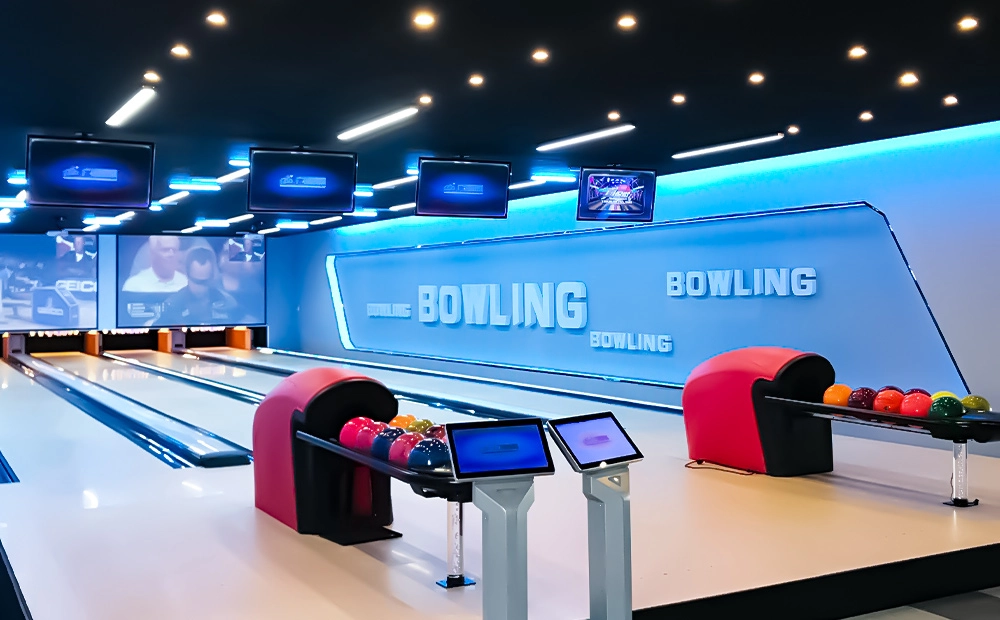
At Flying, we take pride in our advanced bowling technologies, which include bowling string pinsetters and ball return machines. Investing in quality equipment, like our Medium Bowling or Duckpin Bowling options, impacts the budget but ensures alignment with international standards.
4. Regulatory Compliance and Permissions
Navigating the regulatory landscape is a primary consideration. Permits and governmental approvals can affect timelines and overall budgets significantly.
5. Utilities and Maintenance
Ongoing costs such as electricity, water, and periodic maintenance should feature in financial planning. Our designs boast energy-efficient systems that help mitigate some operational expenses.
Additional Considerations
- Cultural and Language Adaptation
Embedding cultural nuances within the bowling experience makes it appealing to local patrons, enhancing its success probability.
- Marketing and Recruitment
Establishing effective marketing strategies and recruiting local talent serves the dual purpose of promoting the alley and sustaining operations.
Our Experience at Flying
Founded in 2006, Flying has successfully assisted over 3,000 clients worldwide in creating custom bowling alleys. Our expertise spans designing and equipping state-of-the-art bowling facilities comparable to European and American standards but at competitive prices.
With our extensive experience in building diverse alleys like Mini Bowling or Standard Bowling, we bring tailored solutions to cater to unique market demands. A central part of our strategy includes working closely with local partners and global distributors to revolutionize and expand the bowling industry—a vision we hold for projects in North Korea as well.
Frequently Asked Questions
1. Is it possible to get local materials available in North Korea for construction?
Yes, local materials might be available, though they may need importing standards for specialized equipment and technologies.
2. How long does it typically take to complete such a project?
Timeframes vary but planning from inception to completion generally spans several months, factoring in regulatory approvals and logistics.
3. How does Flying support international projects?
Our global team collaborates with local contacts, guiding the process from design to installation, ensuring compliance and operational efficiency.
Conclusion
Building a bowling alley in North Korea showcases a blend of challenges and opportunities. With our insights and industry-leading expertise at Flying, we offer guidance and solutions tailored to specific needs. Embarking on this journey not only opens avenues for entertainment in a novel market but also presents promising business possibilities.
Recommended products
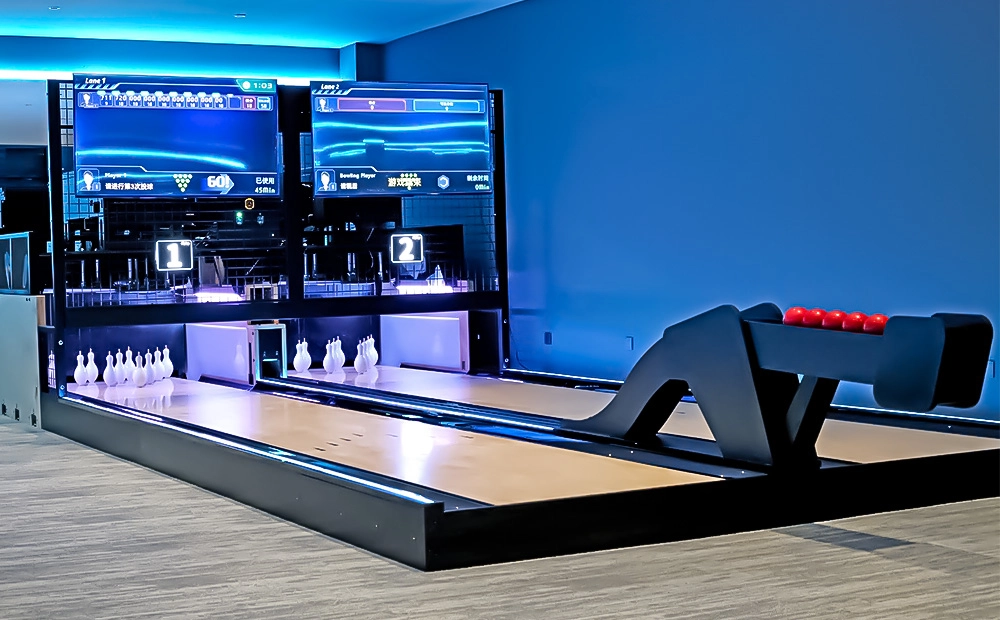
Flying Smart Duckpin Bowling Equipment and Lane System for Commercial Venues
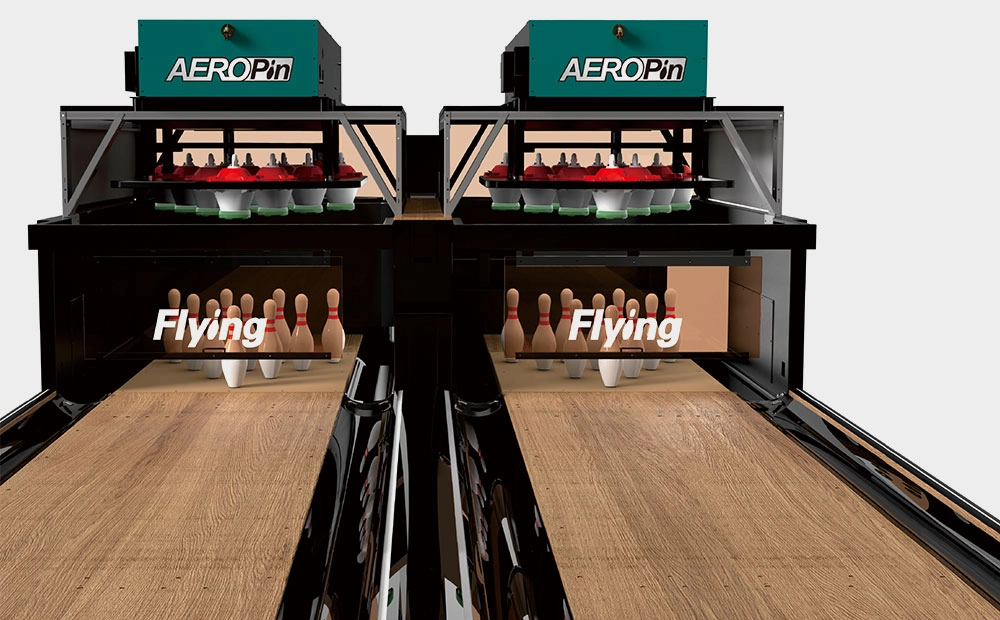
USBC-Certified AEROPIN String Pinsetter System
Mini Bowling Equipment for Kids and Family Entertainment Venues
Medium Bowling Equipment for Social Entertainment Venues
Complete String Pinsetter Bowling Alley Equipment System
You may also like
Flying Smart Duckpin Bowling (FSDB) innovative design, standard 9.2-meter short lane, can be shortened in length, compact layout suitable for small spaces. The game rules are simple but challenging, attracting players of different ages to actively participate.
Suitable for social entertainment venues such as bars, billiard halls, and game centers, it not only enhances interactivity but also increases the popularity and consumption frequency of the venue. The fun and competitive nature of FSDB will make it a new focus of social activities.
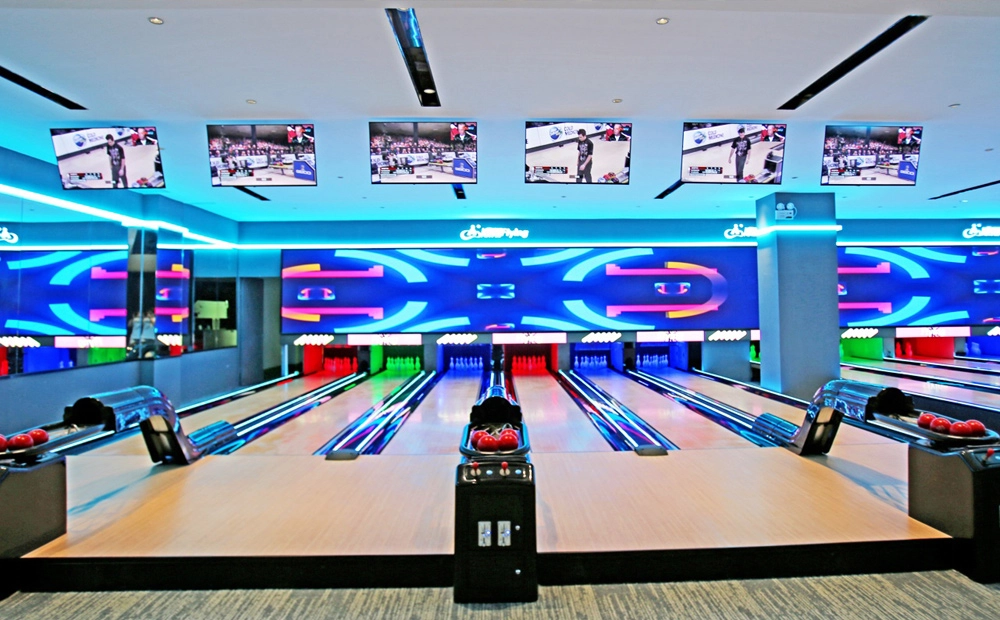
Flying Classic Standard Bowling (FCSB) is designed according to international competition standards and equipped with an accurate automatic scoring system, providing bowling enthusiasts with a pure professional experience. Whether it is for competitions or leisure entertainment, FCSB can meet high-level needs.
Suitable for family entertainment centers, luxury resorts, private villas, or clubs, it is an ideal choice for customers who pursue high-end quality and professional experience. Its classic design and excellent performance will add lasting appeal to the venue.
Flying Cute Mini Bowling (FCMB) is a mini bowling experience designed for children and families. The lane length is fixed at 12 meters, equipped with lightweight balls without finger holes (only 1.25kg) and small pins, specially designed for children and family fun.
It can not only help children feel the fun of bowling, but also stimulate their interest and competitive consciousness. Suitable for children's playgrounds, theme parks and parent-child centers, it is the best choice for places focusing on the children's market.
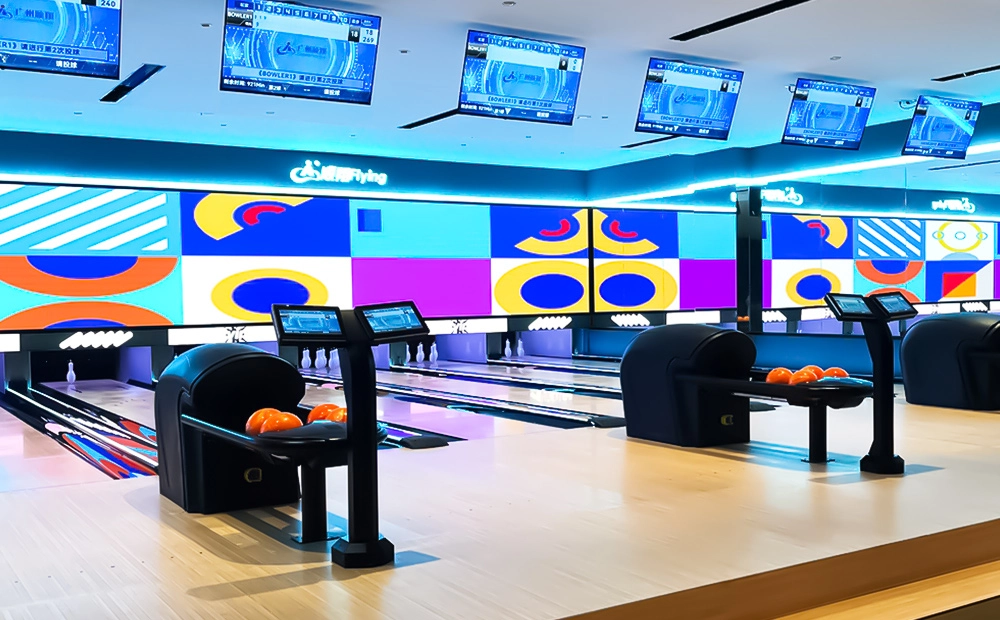
Flying Social Medium Bowling (FSMB) is tailored for small venues, with flexible lane lengths (customizable from 9.6 meters to 18 meters), a small ball design suitable for players of all ages, and light pins that are easier to knock down, increasing participation and fun.
Whether it is a gathering of friends or a casual social, FSMB can easily create a relaxed and pleasant atmosphere. Its efficient space-utilization design is particularly suitable for cafes, bars and community entertainment venues, allowing people to fall in love with bowling in a relaxed interaction.
Contact Flying
Start your bowling alley project
If you contact us now for more details, we can provide you with a custom bowling alley service. Our service team will get back to you within 24 hours normally!
© 2026 Flying BOWLING. Designed by gooeyun.
FOLLOW US:
Flying Bowling
Flying Bowling
Flyingbowling
Flyingbowling