


How Much to Build a Bowling Alley in Netherlands? | Flying
How Much to Build a Bowling Alley in the Netherlands?
Are you considering the vibrant world of bowling for your next business venture? As much fun as it sounds, building a bowling alley in the Netherlands requires careful planning, a strategic approach, and a keen understanding of the costs involved. In this guide, we'll delve into the financial and practical aspects of establishing a bowling alley to ensure your investment strikes success.
Understanding the Initial Costs
1. Location and Property Expenses
Choosing the right location sets the foundation for your bowling alley. Whether you're acquiring a new site or renovating an existing property, costs can vary significantly. Consider urban vs. suburban areas, the price per square meter, and potential lease agreements.
2. Design and Construction Costs
From layout design to construction, planning a bowling alley requires attention to aesthetic and functional details. Costs here include architectural design, civil engineering, and necessary approvals from local authorities. This process will affect both the operational flow and customer experience.
Essential Equipment and Installations
1. Bowling Lanes and Machinery
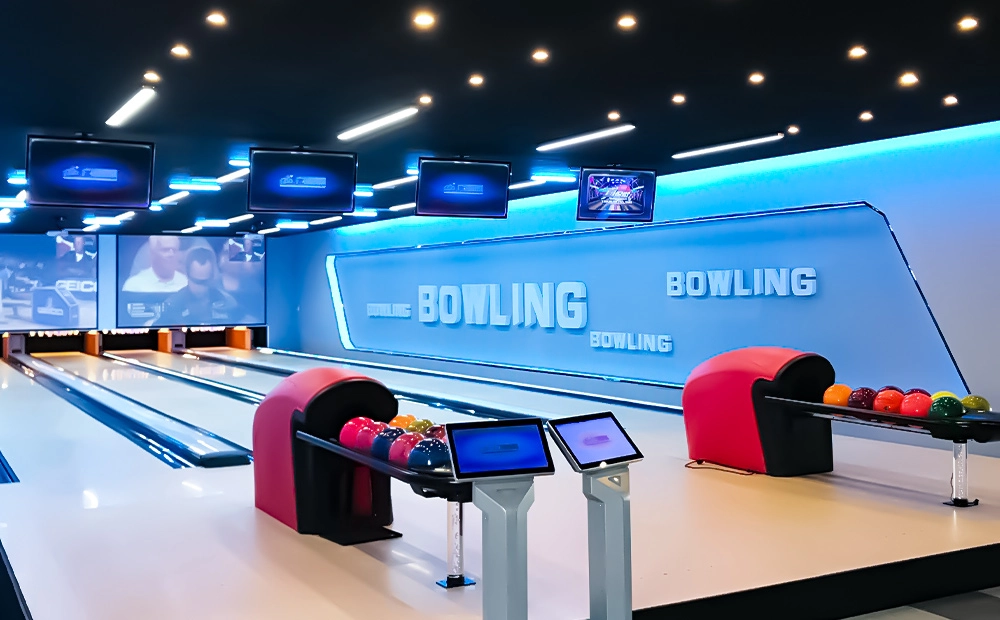
The heart of your bowling business is the lanes themselves. At Flying, we specialize in a range of bowling solutions, including Medium Bowling, Standard Bowling, and Duckpin Bowling. Our innovative bowling string pinsetters and ball return machines offer technologically advanced, cost-effective alternatives.
2. Scoreboards and Seating
Modern bowling alleys need advanced scoring systems that enhance the player experience. Additionally, comfortable and aesthetically pleasing seating contributes to customer satisfaction and retention.
3. Maintenance and Spare Parts
Ensuring longevity requires consistent maintenance of your equipment. We at Flying provide comprehensive after-sale services and access to spare parts, crucial for minimizing downtime and unexpected expenses.
Operational Costs and Staffing
1. Utilities and Overhead
Ongoing expenses such as electricity, water, and heating are significant, particularly in a facility requiring specialized climate control for lane conditions.
2. Staffing and Training
Hiring and training staff is essential for smooth operations. Ensure your employees are adept in customer service and operation of bowling machinery.
Regulatory and Legal Considerations
Adhering to local regulations is non-negotiable. Compliance with safety, accessibility, and environmental standards is both an ethical and legal responsibility. Secure necessary licenses and permits before proceeding with construction.
Marketing and Branding Your Bowling Alley
1. Creating an Inviting Brand Image
Establishing a strong brand presence is critical. Develop a unique selling proposition that differentiates your bowling alley from competitors. Flying not only assists with equipment but also provides insights into effective marketing strategies.
2. Leveraging Digital Platforms
Harness social media and other online platforms to reach potential customers. Interactive promotions, tournaments, and customer loyalty programs can vastly improve your market reach.
FAQs
1. What is the average timeline for building a bowling alley in the Netherlands?
The timeline can vary based on location, size, and complexity, typically ranging from 6 to 12 months from conception to completion.
2. Are there any specific Dutch regulations I should be aware of?
Yes, Dutch building codes and safety regulations require compliance with specified parameters; consulting with local experts is wise.
3. How does Flying support bowling alley construction?
Flying offers comprehensive services from design to equipment installation and maintenance, ensuring a seamless creation process.
Conclusion
Building a bowling alley in the Netherlands is a formidable yet rewarding venture. By understanding the intricate details and partnering with experts like us at Flying, you'll find yourself well-equipped to cater to a thriving community of bowling enthusiasts. Let's work together to roll out your dream bowling space.
Recommended products
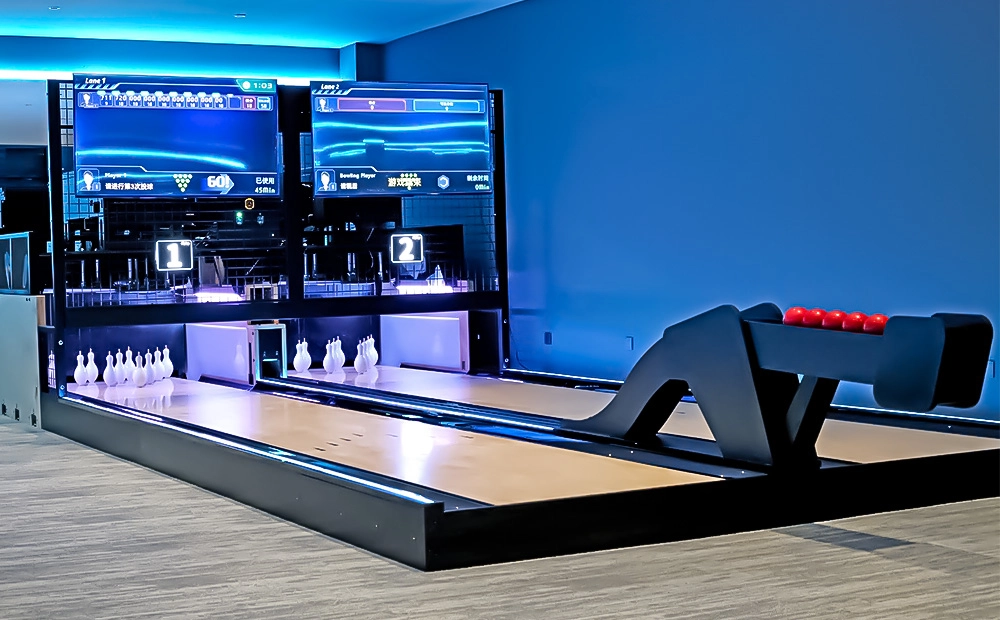
Flying Smart Duckpin Bowling Equipment and Lane System for Commercial Venues
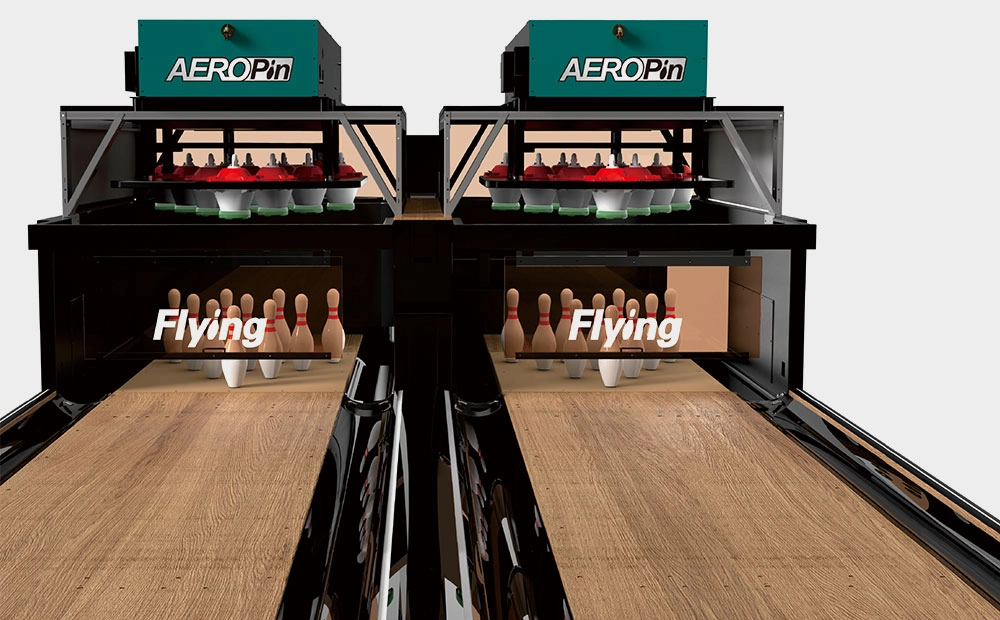
USBC-Certified AEROPIN String Pinsetter System
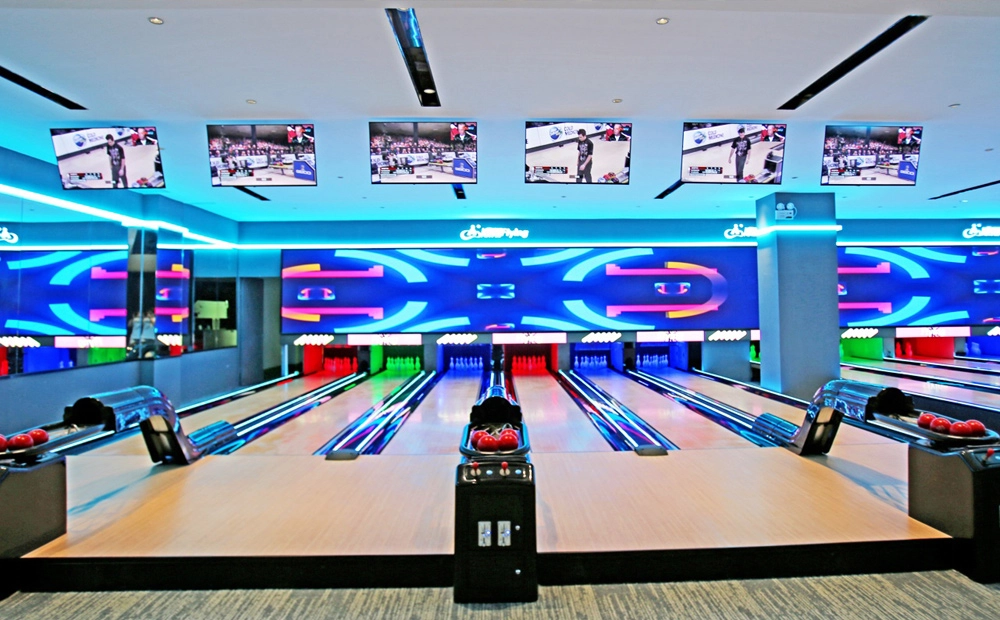
Mini Bowling Equipment for Kids and Family Entertainment Venues
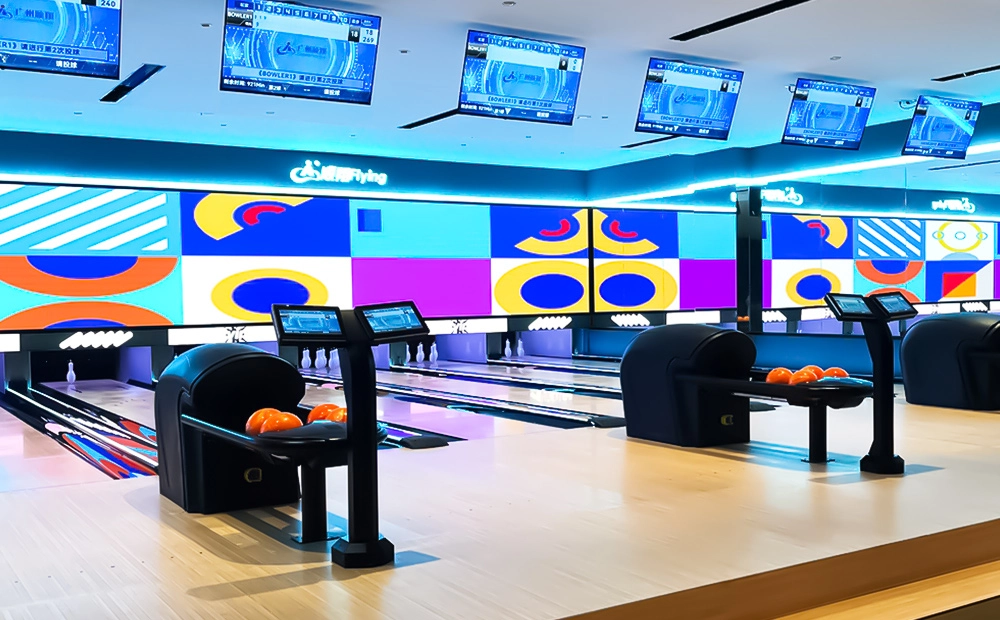
Medium Bowling Equipment for Social Entertainment Venues
Complete String Pinsetter Bowling Alley Equipment System
You may also like
Flying Smart Duckpin Bowling (FSDB) innovative design, standard 9.2-meter short lane, can be shortened in length, compact layout suitable for small spaces. The game rules are simple but challenging, attracting players of different ages to actively participate.
Suitable for social entertainment venues such as bars, billiard halls, and game centers, it not only enhances interactivity but also increases the popularity and consumption frequency of the venue. The fun and competitive nature of FSDB will make it a new focus of social activities.
Flying Classic Standard Bowling (FCSB) is designed according to international competition standards and equipped with an accurate automatic scoring system, providing bowling enthusiasts with a pure professional experience. Whether it is for competitions or leisure entertainment, FCSB can meet high-level needs.
Suitable for family entertainment centers, luxury resorts, private villas, or clubs, it is an ideal choice for customers who pursue high-end quality and professional experience. Its classic design and excellent performance will add lasting appeal to the venue.
Flying Cute Mini Bowling (FCMB) is a mini bowling experience designed for children and families. The lane length is fixed at 12 meters, equipped with lightweight balls without finger holes (only 1.25kg) and small pins, specially designed for children and family fun.
It can not only help children feel the fun of bowling, but also stimulate their interest and competitive consciousness. Suitable for children's playgrounds, theme parks and parent-child centers, it is the best choice for places focusing on the children's market.
Flying Social Medium Bowling (FSMB) is tailored for small venues, with flexible lane lengths (customizable from 9.6 meters to 18 meters), a small ball design suitable for players of all ages, and light pins that are easier to knock down, increasing participation and fun.
Whether it is a gathering of friends or a casual social, FSMB can easily create a relaxed and pleasant atmosphere. Its efficient space-utilization design is particularly suitable for cafes, bars and community entertainment venues, allowing people to fall in love with bowling in a relaxed interaction.
Contact Flying
Start your bowling alley project
If you contact us now for more details, we can provide you with a custom bowling alley service. Our service team will get back to you within 24 hours normally!
© 2026 Flying BOWLING. Designed by gooeyun.
FOLLOW US:
Flying Bowling
Flying Bowling
Flyingbowling
Flyingbowling