

How Much Does It Cost to Build a Bowling Alley in Nepal?
A complete 2026 investment guide covering equipment FOB pricing, two import routes to Kathmandu, Nepal customs duty calculations, local construction costs, and three fully costed scenarios from Mini Bowling to Standard Tenpin.
- 1. Nepal's Bowling Market: What Exists and What's Missing
- 2. Format Decision First: Which Bowling Type Fits Nepal's Market?
- 3. Equipment Cost (FOB China)
- 4. Importing Equipment to Nepal: Two Routes and Real Landed Costs
- 5. Nepal Import Duties and Tax Calculation
- 6. Kathmandu Construction and Fit-Out Costs
- 7. Complete Investment Estimates by Scenario
- 8. Revenue Model and Payback Period for Nepal
- 9. Permits and Regulatory Requirements
- 10. FAQ: 8 Questions Nepal Investors Ask
If you're researching the cost of building a bowling alley in Nepal, you've likely already noticed that most articles give you a generic global range — "a few hundred thousand to a million dollars" — and call it a guide. That number tells you nothing useful for planning a project in Kathmandu or Pokhara.
Nepal has a specific cost structure that differs meaningfully from most markets: it's a landlocked country, equipment imported from China must travel via Indian ports or the Tibet border crossing, import duties are calculated on CIF value and then subject to 13% VAT, and commercial construction in Kathmandu carries its own cost profile distinct from either Southeast Asia or Western markets.
This guide gives you the actual numbers, with sourced references, so you can build a realistic investment budget before talking to any supplier.
1. Nepal's Bowling Market: What Exists and What's Missing
Nepal's bowling industry is in a genuinely early stage — which is either a risk or an opportunity depending on your perspective.
Currently operating bowling venues in Kathmandu include City Centre Bowling at Kamalpokhari (5th floor of City Centre Mall), Civil Bowling & Game Zone at Civil Mall, Sundhara, and Wonderland Nepal. Reviews from existing venues indicate genuine unmet demand — visitors frequently note insufficient lane capacity and limited available slots during peak hours.
Outside the Kathmandu Valley, Pokhara has limited commercial bowling options despite being Nepal's second-largest tourist destination. This represents a clear market gap for an investor considering a standalone venue or FEC integration.
Target customer segments in Nepal:
- Middle-class urban families — Kathmandu's expanding professional class with rising disposable income seeking quality indoor entertainment
- Corporate groups — Team outings are growing, particularly given Nepal's expanding NGO, development sector, and private sector workforce
- Tourism demographic — Nepal receives approximately 1 million international visitors annually; Thamel and Lakeside (Pokhara) tourists are underserved by bowling specifically
- Youth and college students — Kathmandu's large student population is an established core demographic for bowling in comparable South Asian markets
2. Format Decision First: Which Bowling Type Fits Nepal's Market?
Before any cost calculation is meaningful, you need to choose the right format. Three commercial formats are viable for Nepal:
Mini Bowling — Flying FCMB (12-meter lane)
The most practical entry point for Nepal. Compact footprint (4 lanes fit in approximately 130 sqm), lowest import cost, broadest audience (families and children), and lowest total investment. Ideal for FEC integrations in shopping malls like Civil Mall, Labim Mall, or Durbar Marg-area commercial properties. The FCMB's 1.25kg no-finger-hole ball design is specifically suited to family and casual play — exactly the primary demographic in Nepal's current market.
Duckpin Bowling — Flying FSDB (9.2-meter lane)
Strong fit for Kathmandu's adult social entertainment venues, bars, and boutique entertainment spaces. The compact lane length means 8 lanes fit in approximately 280 sqm — manageable within most Kathmandu mall units. Growing popularity in bar and lounge environments internationally makes this format well-suited for Nepal's developing nightlife entertainment sector.
Standard Tenpin — Flying FCSB / AEROPIN (18.3-meter lane)
Full-scale commercial bowling. Requires approximately 600+ sqm for 8 lanes and a significantly higher total investment, but supports league play and competitive events. Flying's AEROPIN holds USBC certification, which is relevant if sanctioned events aligned with the Nepal Bowling Federation are part of your venue's strategy.
3. Equipment Cost (FOB China)
All Flying Bowling equipment pricing is FOB Guangzhou, China. This is the starting point — the cost before Nepal's specific import and logistics costs are added.
| Format | Lanes | Equipment FOB (USD) | Per Lane |
|---|---|---|---|
| Mini Bowling (FCMB) | 4 | $45,000–$75,000 | $11,000–$18,750 |
| Mini Bowling (FCMB) | 6 | $65,000–$108,000 | $10,800–$18,000 |
| Duckpin (FSDB) | 6 | $80,000–$130,000 | $13,300–$21,700 |
| Duckpin (FSDB) | 8 | $100,000–$165,000 | $12,500–$20,600 |
| Standard Tenpin (FCSB) | 6 | $165,000–$255,000 | $27,500–$42,500 |
| Standard Tenpin (FCSB) | 8 | $220,000–$340,000 | $27,500–$42,500 |
Each package includes: string pinsetter system, lane surface panels, ball return system, automatic scoring with overhead displays, lane management software, balls, pins, and installation documentation.
4. Importing Equipment to Nepal: Two Routes and Real Landed Costs
This is the section most investment guides skip entirely. For Nepal specifically, it determines a significant portion of your total project cost. Nepal is landlocked — all imported equipment must enter via one of two primary routes.
Route A: Sea + Indian Transit (Kolkata / Haldia Port)
The most common route for large commercial equipment shipments from China to Nepal.
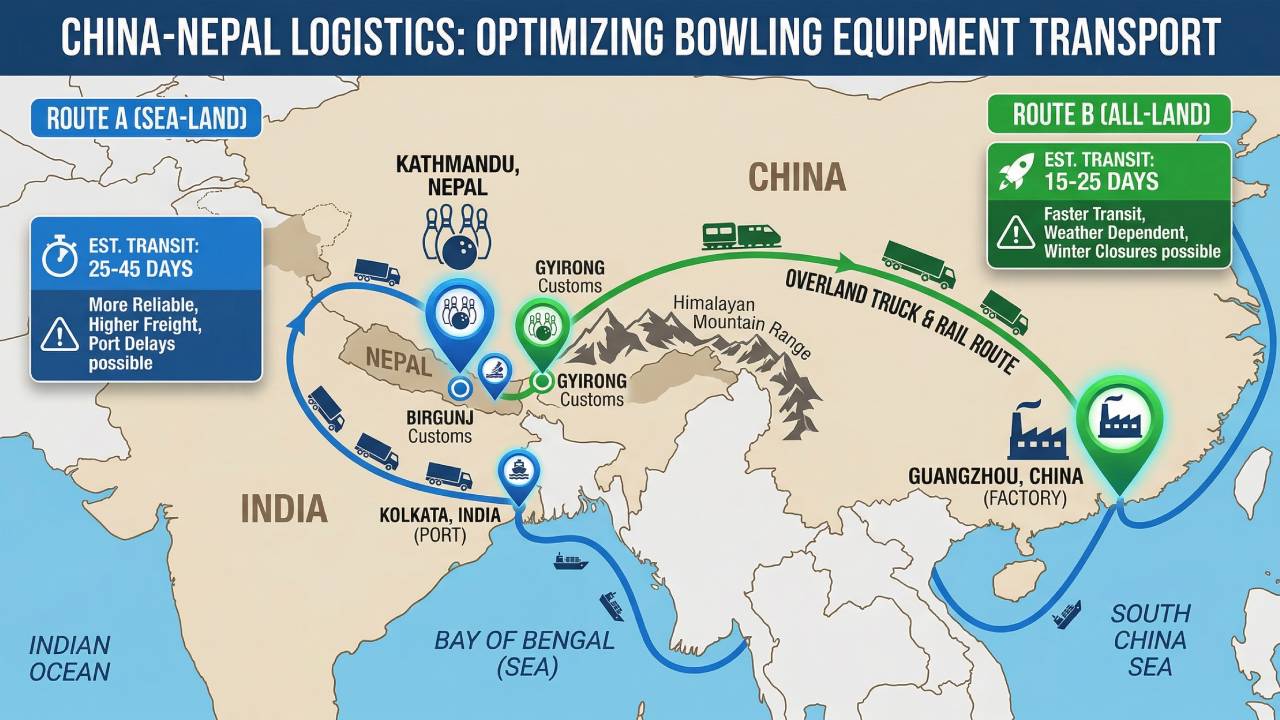
| Visualizing your import choices: Route A offers reliability at Kolkata port, while Route B offers speed across the Himalayas but depends on weather at Gyirong customs. Which one is right for your project timeline? |
Path: Guangzhou → Container ship → Kolkata Port (India) → Indian customs transit → Road freight via Birgunj or Raxaul border crossing → Kathmandu
| Route A Cost Component | Estimate (USD) |
|---|---|
| Ocean freight (China to Kolkata) | $8,000–$14,000 |
| Indian transit handling & customs agency | $2,000–$4,000 |
| Road freight (border to Kathmandu) | $1,500–$3,000 |
| Total Route A freight (8-lane Tenpin volume) | $11,500–$21,000 |
Timeline: Ocean freight 18–25 days + Indian customs transit 5–15 days + road to Kathmandu 1–3 days = 25–45 days total.
Route B: Tibet Land Route (Gyirong / Kerung Border)
Path: Guangzhou → Road freight through Tibet → Gyirong Port (Kerung) → Kathmandu
| Route B Cost Component | Estimate (USD) |
|---|---|
| Road freight (China to Gyirong border) | $7,000–$12,000 |
| Border handling | $800–$1,500 |
| Road freight (Gyirong to Kathmandu) | $600–$1,200 |
| Total Route B freight | $8,400–$14,700 |
Timeline: 13–25 days total — faster than Route A when operational.
5. Nepal Import Duties and Tax Calculation
This is the most financially significant Nepal-specific factor in your project budget and the one most commonly underestimated by first-time importers.
How Nepal Calculates Import Duties
According to the U.S. International Trade Administration's Nepal Import Tariffs guide, Nepal uses a CIF-based valuation system: customs duties are assessed on the Cost + Insurance + Freight value of the shipment. A 13% VAT is then applied on top of CIF value plus customs duty.
Per Nepal's 2025/26 Customs Tariff (Corporate NP), the import duty structure involves:
- Basic Customs Duty (BCD): 0%–80% depending on HS Code classification
- Value Added Tax (VAT): 13% calculated on (CIF value + customs duty)
- Additional charges: Agriculture reform fee and infrastructure charges may apply
For bowling alley equipment components (typically classified under HS Chapter 95 or Chapter 84), the applicable duty rate falls in the range of 10%–30% for most mechanical components. Electronics and scoring systems may face approximately 20% per the 2025 duty schedule.
Worked Example: 6-Lane Mini Bowling Import to Kathmandu
Assumptions: Equipment FOB $80,000 · Insurance $1,000 · Sea freight to Kolkata + Nepal road freight $14,000
| Calculation Step | Amount (USD) |
|---|---|
| FOB value | $80,000 |
| + Freight | $14,000 |
| + Insurance | $1,000 |
| = CIF value | $95,000 |
| Customs duty @ 15% of CIF | $14,250 |
| = Subtotal (CIF + duty) | $109,250 |
| VAT @ 13% of subtotal | $14,203 |
| Customs broker + handling fees | $1,500 |
| Total landed cost in Kathmandu | $124,953 |
In this example, the landed cost in Kathmandu is 56% higher than the FOB price. As a planning rule, Nepal import specialists advise budgeting landed cost at 1.4x–1.6x the FOB price for commercial equipment from China.
6. Kathmandu Construction and Fit-Out Costs
For bowling venue fit-out within an existing commercial shell — the most common scenario for mall-based installations — the relevant cost is interior construction and specialised installation rather than full building construction.
Per 2026 commercial construction cost data from Skill Sewa Nepal:
| Finish Level | NPR per sq ft | USD per sq ft |
|---|---|---|
| Basic | NPR 2,500–3,000 | ~$19–$23 |
| Mid-range commercial | NPR 3,500–4,500 | ~$27–$35 |
| Premium | NPR 4,500+ | ~$35+ |
For a bowling venue the relevant specification is mid-range commercial, which provides adequate acoustic treatment, appropriate flooring for approach areas, commercial-grade lighting, and adequate electrical infrastructure.
Bowling-Specific Requirements
- Floor preparation: Level within ±3mm over full lane length. Most commercial mall slabs meet this; leveling compound may be needed ($15–$25/sqm).
- Electrical supply: String pinsetters require 220V / 10A single-phase per lane — standard in Nepal's commercial buildings. No 3-phase upgrade required.
- Acoustic treatment: Basic acoustic wall panels for lane area recommended. Budget NPR 800–1,500/sqm for the lane area.
- Ceiling clearance: Minimum 2.8 meters required. Most Kathmandu mall units meet this requirement.
- No pit excavation required: Flying's string pinsetter systems eliminate the pit and elevator mechanism of free-fall systems — a significant saving in landlocked markets where construction complexity is higher.
| Scenario | Floor Area | Construction & Fit-Out (USD) |
|---|---|---|
| 4-lane Mini Bowling (mall unit) | ~140 sqm | $25,000–$55,000 |
| 6-lane Duckpin (mall unit) | ~220 sqm | $40,000–$85,000 |
| 8-lane Standard Tenpin (purpose space) | ~650 sqm | $120,000–$230,000 |
7. Complete Investment Estimates by Scenario
| Cost Category | Low (USD) | High (USD) |
|---|---|---|
| Equipment (FOB China) | $45,000 | $75,000 |
| Freight (Route A, Kolkata) | $8,000 | $12,000 |
| Nepal import duties + VAT (~40% of CIF) | $21,200 | $34,800 |
| Customs broker and handling | $1,500 | $2,500 |
| Local installation (Flying engineer) | $5,000 | $10,000 |
| Interior construction and fit-out | $25,000 | $55,000 |
| IT, POS, signage | $3,000 | $7,000 |
| Permits and regulatory fees | $1,500 | $4,000 |
| 3-month operating reserve | $15,000 | $30,000 |
| Total Scenario A | $125,200 | $230,300 |
| Cost Category | Low (USD) | High (USD) |
|---|---|---|
| Equipment (FOB China) | $80,000 | $130,000 |
| Freight (Route A, Kolkata) | $10,000 | $16,000 |
| Nepal import duties + VAT (~40% of CIF) | $36,000 | $58,400 |
| Customs broker and handling | $2,000 | $3,500 |
| Local installation | $8,000 | $15,000 |
| Interior construction and fit-out | $40,000 | $85,000 |
| IT, POS, signage | $5,000 | $10,000 |
| Permits and regulatory fees | $2,000 | $5,000 |
| 3-month operating reserve | $20,000 | $40,000 |
| Total Scenario B | $203,000 | $362,900 |
| Cost Category | Low (USD) | High (USD) |
|---|---|---|
| Equipment (FOB China) | $220,000 | $340,000 |
| Freight (Route A, Kolkata) | $14,000 | $22,000 |
| Nepal import duties + VAT (~40% of CIF) | $93,600 | $144,800 |
| Customs broker and handling | $3,000 | $5,000 |
| Local installation | $20,000 | $40,000 |
| Interior construction and fit-out | $120,000 | $230,000 |
| IT, POS, signage | $10,000 | $20,000 |
| Permits and regulatory fees | $3,000 | $8,000 |
| 3-month operating reserve | $40,000 | $80,000 |
| Total Scenario C | $523,600 | $889,800 |
8. Revenue Model and Payback Period for Nepal
Current Market Pricing Reference
Bowling pricing at existing Kathmandu venues, based on publicly available data from Wonderland Nepal and DaamiDeal's Kathmandu venue review:
- Standard game per person: NPR 200–600 (~$1.50–$4.50)
- Lane rental per hour: NPR 1,500–3,000 (~$11–$23)
- Corporate and group packages: NPR 5,000–15,000 per booking
Exchange rate reference: Nepal Rastra Bank — approximately NPR 135 per USD as of early 2026. Verify current rate before planning.
Payback Period: Scenario A (4-Lane Mini Bowling, $178K mid-estimate)
| Metric | Conservative (35% util.) | Realistic (55% util.) |
|---|---|---|
| Revenue per lane/hour | NPR 2,000 ($15) | NPR 2,500 ($19) |
| Operating hours/day | 10 hrs | 10 hrs |
| Monthly lane revenue | $7,350 | $15,675 |
| F&B and ancillary (30% uplift) | $2,205 | $4,703 |
| Monthly total revenue | $9,555 | $20,378 |
| Monthly operating costs | $4,500 | $4,500 |
| Monthly net profit | $5,055 | $15,878 |
| Payback period | ~35 months | ~11 months |
9. Permits and Regulatory Requirements
We work with experienced freight forwarders handling the Kolkata-Kathmandu transit route. Contact us, and we can connect you with reliable logistics partners for your equipment import.
Opening a commercial entertainment venue in Nepal requires several layers of regulatory compliance (Kathmandu Metropolitan City as primary reference):
- Company registration: Office of the Company Registrar (OCR). Foreign-invested businesses additionally comply with Investment Board Nepal (IBN) or Department of Industry depending on investment scale.
- Business registration and tax: VAT registration with the Inland Revenue Department (IRD). PAN registration required for all businesses.
- Municipal business license: Operating license from Kathmandu Metropolitan City. Entertainment venues typically require a separate amusement/entertainment facility permit.
- Building / renovation permit: For fit-out work within an existing commercial unit. Drawings must be prepared by a licensed architect.
- Fire safety certificate: Required for commercial entertainment venues.
- Foreign investment: Nepal's Foreign Investment and Technology Transfer Act (FITTA) governs foreign investor entry. Entertainment is generally an open sector, but confirm current sector restrictions with a Nepal-based legal advisor.
Estimated permit timeline: 2–4 months from initial application to opening. Budget NPR 150,000–500,000 ($1,100–$3,700) for permit fees, architect drawings, and legal advisory costs.
Official customs and tariff information: Nepal Department of Customs.
10. FAQ: 8 Questions Nepal Investors Ask
Start Planning Your Nepal Project
Tell us your target city, venue format preference, and available floor area. We'll provide equipment specification, FOB pricing, HS Code list for customs estimation, and Nepal logistics guidance within 24 hours.
Sources & References
- U.S. International Trade Administration — Nepal Import Tariffs Guide
- Corporate NP — Nepal Import Duty Rate by HS Code, 2025/26 Customs Tariff
- World Wide Trade Links Nepal — Nepal Import Duties & Taxes 2024 Calculator
- Skill Sewa Nepal — Commercial Construction Costs 2026
- City Centre Nepal — City Centre Bowling, Kamalpokhari
- Wonderland Nepal — Bowling
- DaamiDeal — Best Bowling Centers in Kathmandu
- Nepal Department of Customs — Official Tariff Schedule
- Nepal Rastra Bank — Exchange Rates
- Office of the Company Registrar, Nepal
- Investment Board Nepal
- Inland Revenue Department, Nepal
Recommended products
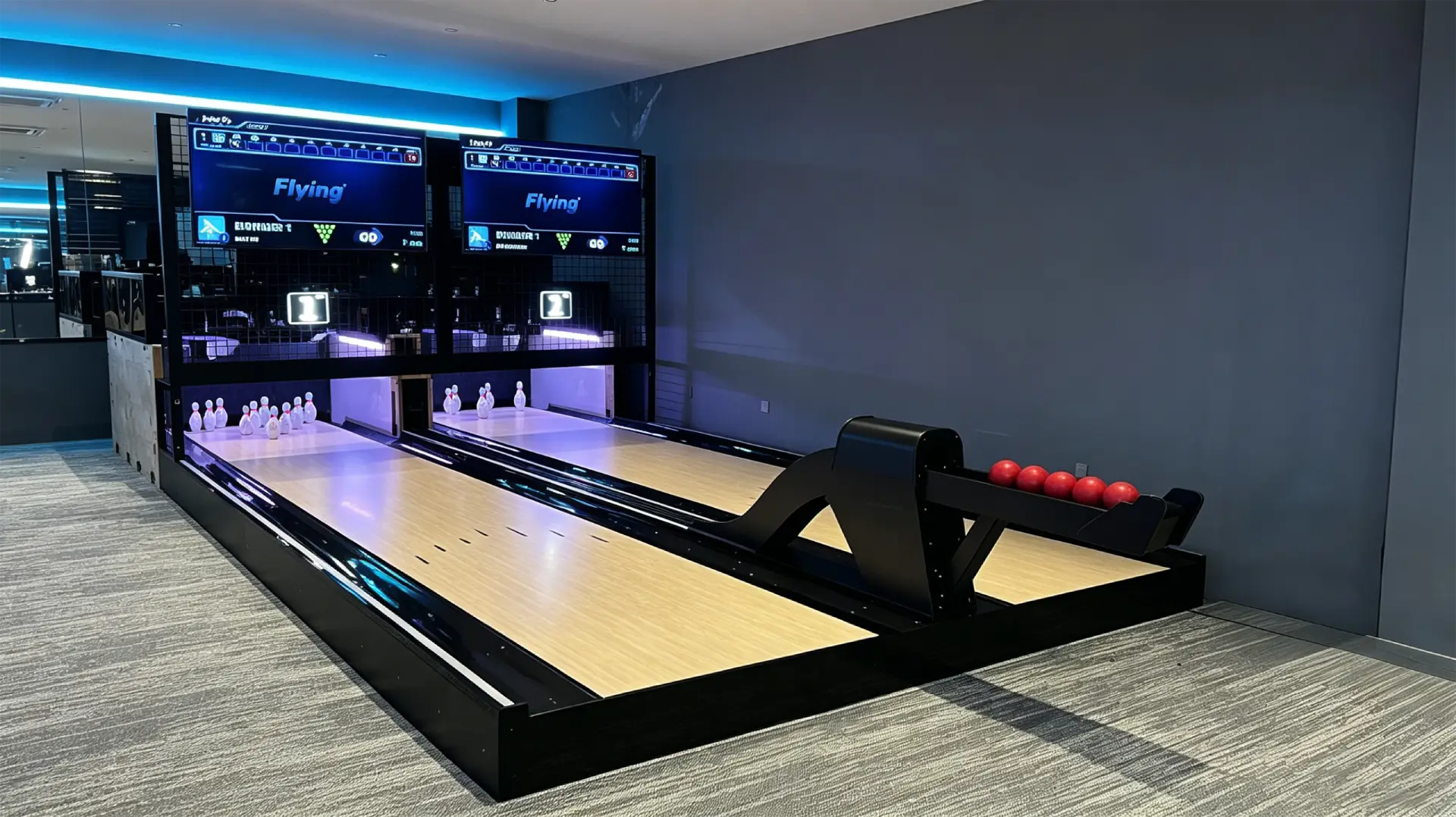
Flying Smart Duckpin Bowling Equipment for Commercial Venues
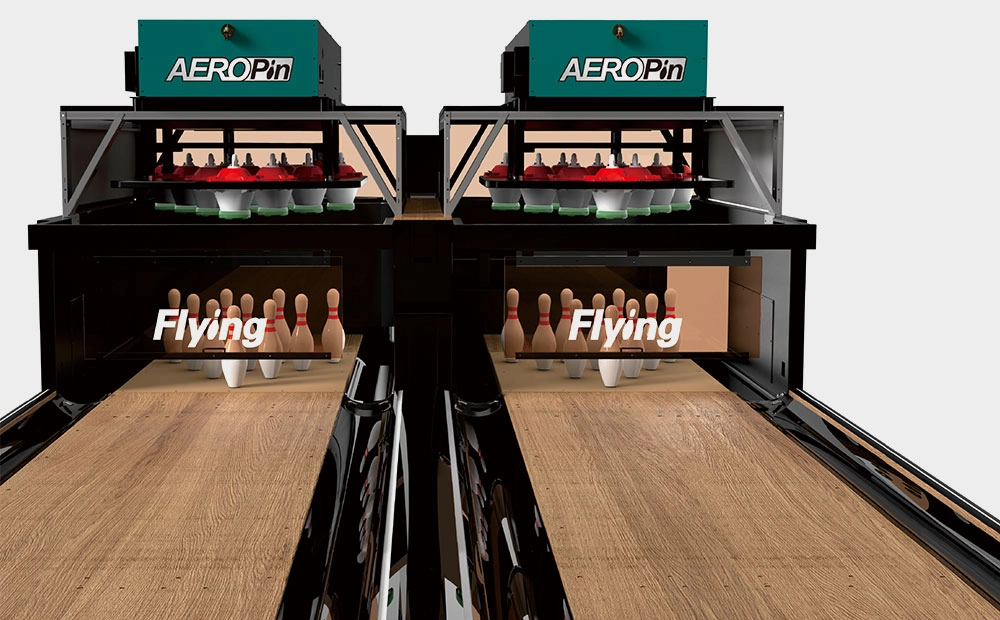
AEROPIN™ USBC-Certified String Pinsetter System
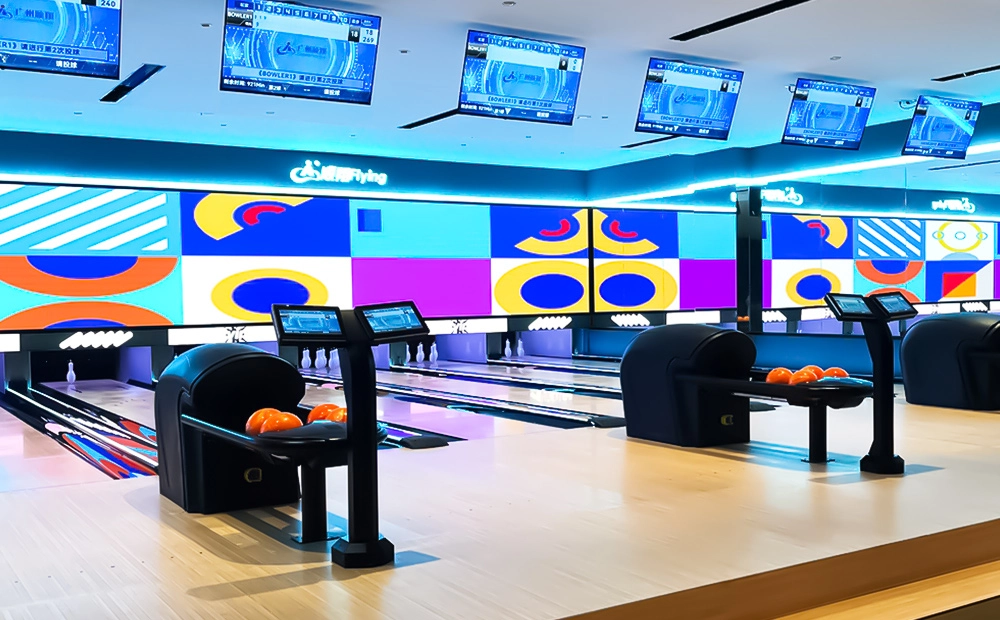
Medium Bowling Equipment for Compact Social Venues
Complete Bowling Alley Equipment Package for Commercial Bowling Centers
You may also like
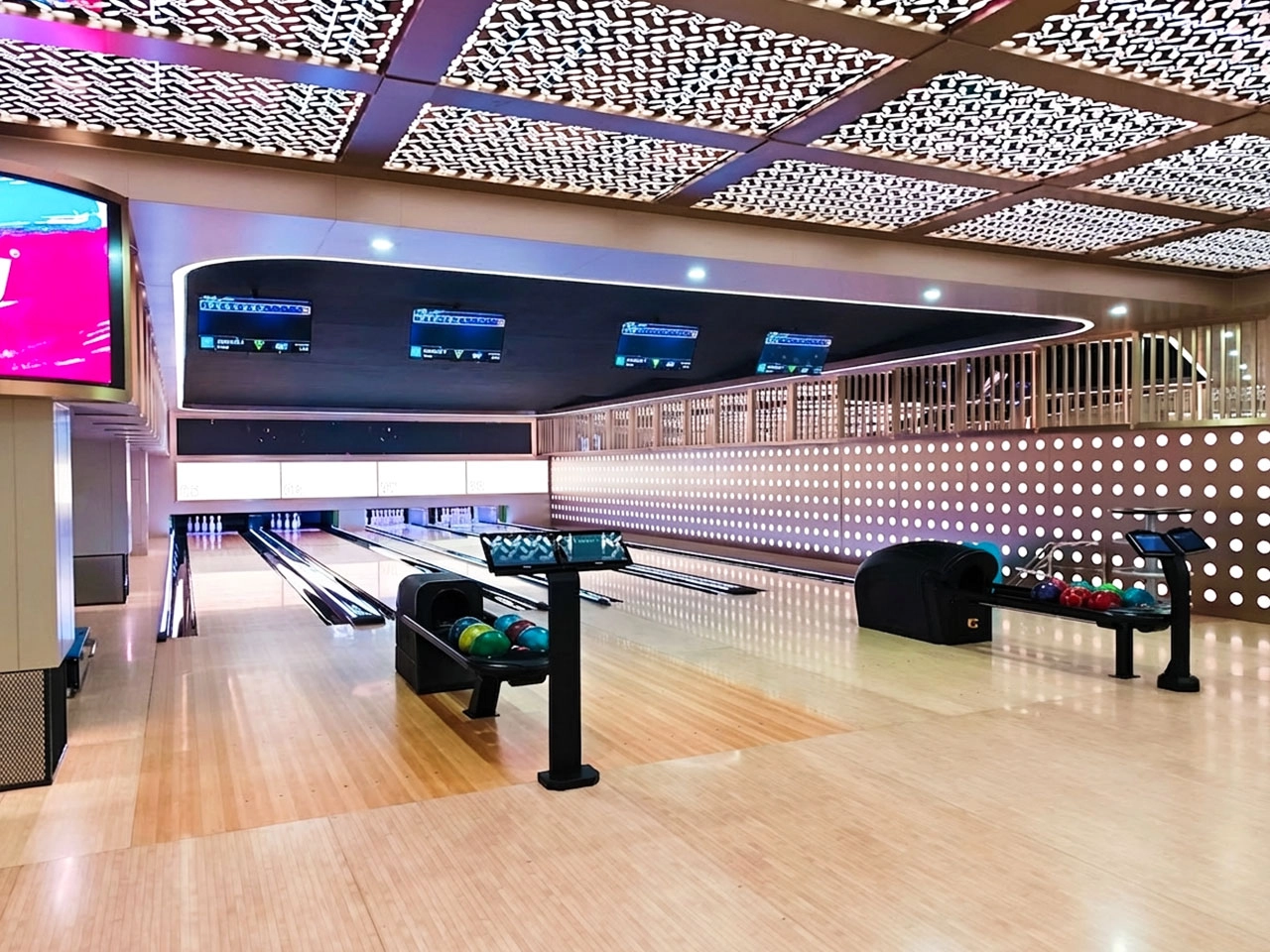
Build a commercial bowling venue with Flying’s complete string pinsetter bowling alley equipment package. The system includes the AEROPIN™ USBC-certified string pinsetter, customizable lanes, automatic scoring, ball return, lane lighting, pins, control hardware, and overseas installation support.
Designed for commercial bowling centers, family entertainment venues, hotels, resorts, bars, and premium private projects, this turnkey bowling system helps operators reduce sourcing complexity and prepare for reliable long-term operation.
Flying Smart Duckpin Bowling is a compact duckpin bowling equipment system designed for bars, family entertainment centers, hotels, resorts, cinemas, boutique bowling alleys, and social entertainment venues. With a standard 9.13m duckpin bowling lane, 1.25kg lightweight balls, automatic scoring, ball return, LED lighting, and a smart string pinsetter, it creates a fast-paced and easy-to-play bowling experience in a smaller footprint than traditional bowling.
The system is available as a turnkey duckpin bowling package, including lane equipment, a string pinsetter system, scoring hardware, control software, global shipping, installation guidance, and technical support.
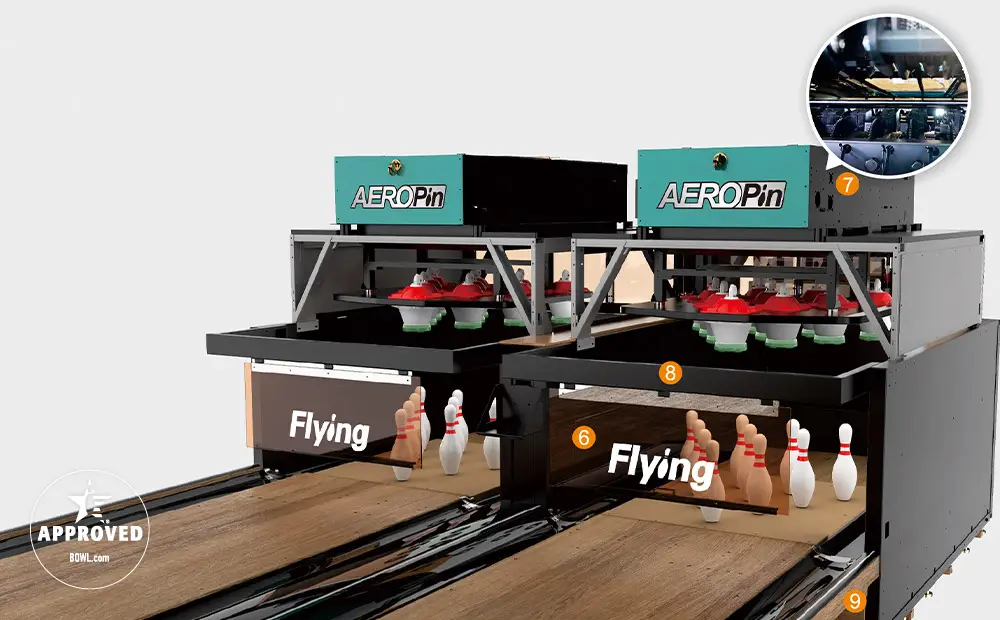
AEROPIN is Flying Bowling’s USBC-certified string pinsetter system for modern commercial bowling centers. Designed for fast pin setting, smooth ball return, low maintenance, and stable daily operation, it helps venue operators build league-ready and entertainment-focused bowling projects with confidence.
Flying Social Medium Bowling is a compact medium bowling equipment system designed for bars, cafes, family entertainment centers, community leisure venues, hotels, resorts, and small indoor entertainment spaces. With customizable lane lengths from 9.6m to 18m, small balls, lighter pins, string pinsetter technology, ball return, and automatic scoring, it creates an easy-to-play social bowling experience for players of different ages and skill levels.
Compared with full-size standard bowling, medium bowling requires less space and offers a more casual, interactive format. It is a practical choice for venues that want to add a bowling attraction without building a full commercial bowling alley.
Contact Flying
Start your bowling alley project
If you contact us now for more details, we can provide you with a custom bowling alley service. Our service team will get back to you within 24 hours normally!
© 2026 Flying BOWLING. Designed by gooeyun.
FOLLOW US:

Flying Bowling
Flying Bowling
Flyingbowling
Flyingbowling
Flyingbowling