


How Much to Build a Bowling Alley in Haiti? | Flying
How Much to Build a Bowling Alley in Haiti?
Building a bowling alley in Haiti presents a unique and promising business opportunity. With the leisure industry gaining traction in many developing nations, understanding the potential costs and investments associated with setting up a bowling alley can help you make informed decisions. This article will guide you through the significant expenses involved and why choosing the right partner is essential for success.
Company Overview: Flying
Founded in 2006, Flying has become a leading player in the development of innovative bowling technology. Since 2015, we have focused exclusively on research and development in string pinsetters and bowling ball return machines. Our expansive workshop, spanning over 10,000 square meters, allows us to design, develop, and manufacture a complete set of bowling alley equipment. Our offerings include Medium Bowling, Standard Bowling, Duckpin Bowling, Mini Bowling, and more. Over the years, Flying has customized over 3,000 projects worldwide, providing exceptional quality at competitive prices.
Key Considerations for Building a Bowling Alley in Haiti
Real Estate and Location
Choosing the right location is a crucial first step. Depending on whether you aim for an urban or rural setup, costs will fluctuate. Urban areas may attract more foot traffic but come with higher real estate prices. Conversely, rural areas might offer lower property costs but will require more investment in marketing to attract visitors.
Construction Costs
Once the location is secured, the next expense is construction. Whether renovating an existing structure or building from scratch, understanding the local construction norms is vital. Working with Flying ensures you have a partner knowledgeable about constructing bowling alleys compliant with international standards.
Equipment and Installation
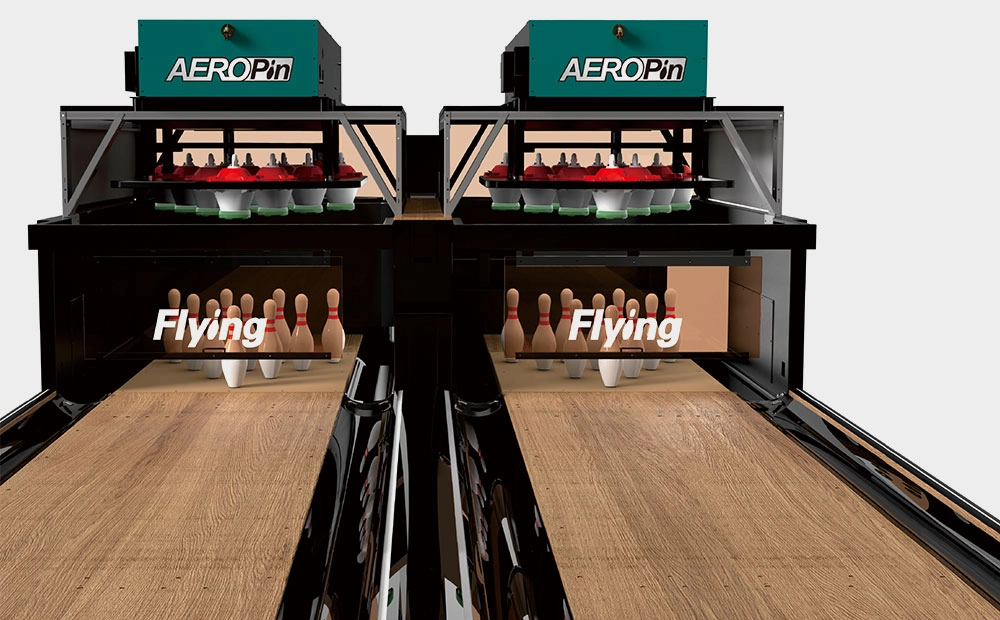
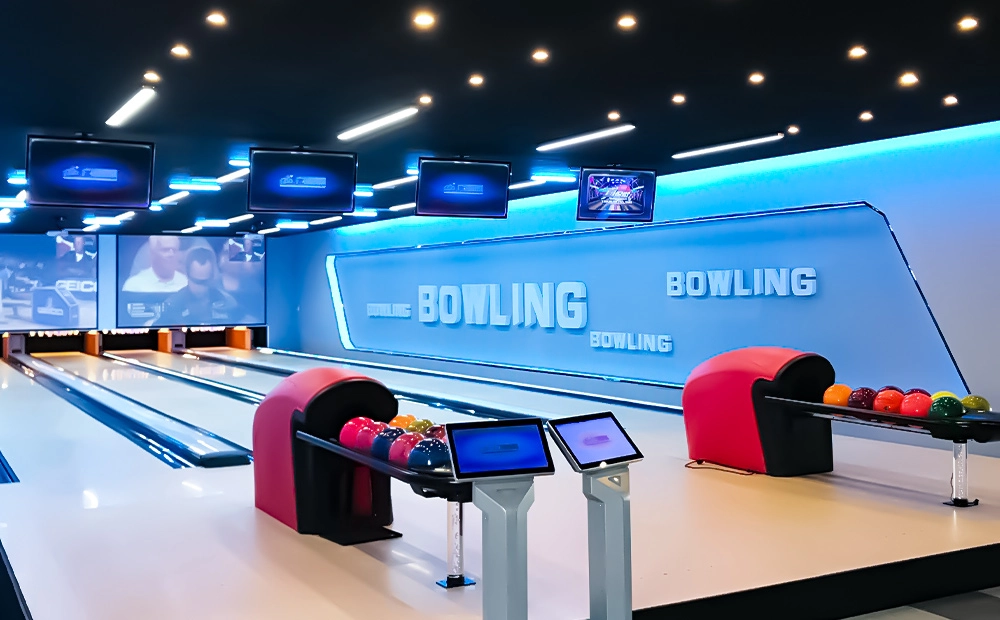
Flying provides a comprehensive suite of bowling equipment that meets European and American standards, ensuring durability and longevity at a competitive price. Our offerings range from string pinsetters to ball return machines, all meticulously designed to provide a first-rate bowling experience.
Licensing and Permits
Navigating the local regulations and acquiring necessary licenses and permits can be complex. It's important to understand the legal requirements in Haiti for setting up a leisure business to avoid costly setbacks.
Marketing and Staffing
Once your bowling alley is built, effective marketing strategies and employing skilled staff will ensure your business's success. Training programs and targeted marketing campaigns are crucial for attracting and retaining customers.
Benefits of Partnering with Flying
Flying's strong track record of delivering high-quality bowling equipment makes us an ideal partner for your venture in Haiti. Beyond equipment, we offer:
- Customized Solutions: Tailor-made bowling alley designs to meet specific requirements and preferences.
- Competitive Pricing: High-quality equipment and services at prices that are accessible to a broader audience.
- Expert Guidance: End-to-end support from planning and design to installation and post-launch.
Frequently Asked Questions (FAQs)
1. How long does it take to complete a bowling alley project in Haiti?
The timeline can vary based on factors such as location, size, and customization level but typically ranges from several months to a year.
2. What are the maintenance requirements for running a bowling alley?
Regular maintenance includes lane cleaning, machinery checks, and keeping software up-to-date. Flying provides a detailed maintenance plan post-installation.
3. Can Flying assist with the licensing process in Haiti?
While specific permit requirements must be met locally, we provide advice and support to help streamline the process.
4. What are the potential returns on investment for a bowling alley in Haiti?
Returns can be significant, especially in high-traffic areas. A well-marketed and managed alley can become a central leisure destination.
Conclusion
Building a bowling alley in Haiti with Flying can be a rewarding endeavor, both financially and personally. Our industry expertise, unmatched product quality, and commitment to customer satisfaction make us an ideal partner for your project. With the right planning, resources, and implementation strategy, your bowling alley can become a thriving entertainment venue and a landmark in Haiti's leisure industry. Contact Flying today to begin turning your vision into reality.
Recommended products
Flying Smart Duckpin Bowling Equipment and Lane System for Commercial Venues
USBC-Certified AEROPIN String Pinsetter System
Mini Bowling Equipment for Kids and Family Entertainment Venues
Medium Bowling Equipment for Social Entertainment Venues
Complete String Pinsetter Bowling Alley Equipment System
You may also like
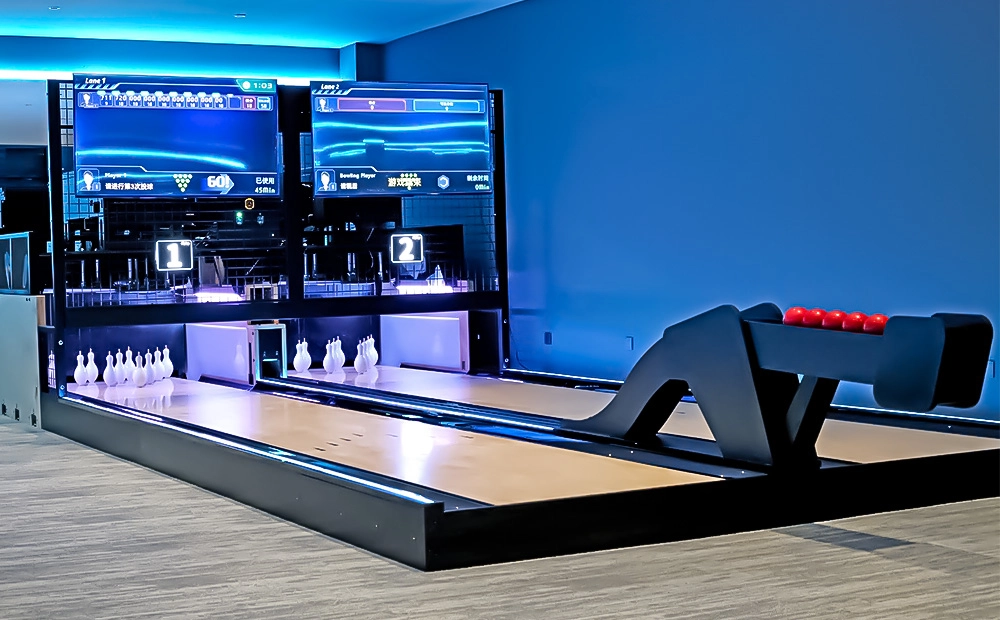
Flying Smart Duckpin Bowling (FSDB) innovative design, standard 9.2-meter short lane, can be shortened in length, compact layout suitable for small spaces. The game rules are simple but challenging, attracting players of different ages to actively participate.
Suitable for social entertainment venues such as bars, billiard halls, and game centers, it not only enhances interactivity but also increases the popularity and consumption frequency of the venue. The fun and competitive nature of FSDB will make it a new focus of social activities.
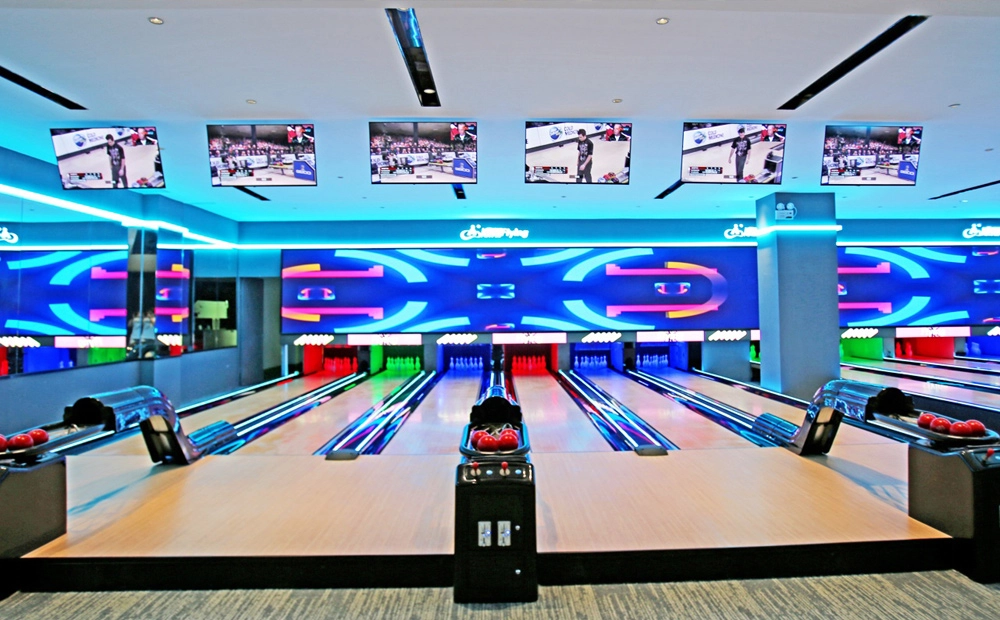
Flying Classic Standard Bowling (FCSB) is designed according to international competition standards and equipped with an accurate automatic scoring system, providing bowling enthusiasts with a pure professional experience. Whether it is for competitions or leisure entertainment, FCSB can meet high-level needs.
Suitable for family entertainment centers, luxury resorts, private villas, or clubs, it is an ideal choice for customers who pursue high-end quality and professional experience. Its classic design and excellent performance will add lasting appeal to the venue.
Flying Cute Mini Bowling (FCMB) is a mini bowling experience designed for children and families. The lane length is fixed at 12 meters, equipped with lightweight balls without finger holes (only 1.25kg) and small pins, specially designed for children and family fun.
It can not only help children feel the fun of bowling, but also stimulate their interest and competitive consciousness. Suitable for children's playgrounds, theme parks and parent-child centers, it is the best choice for places focusing on the children's market.
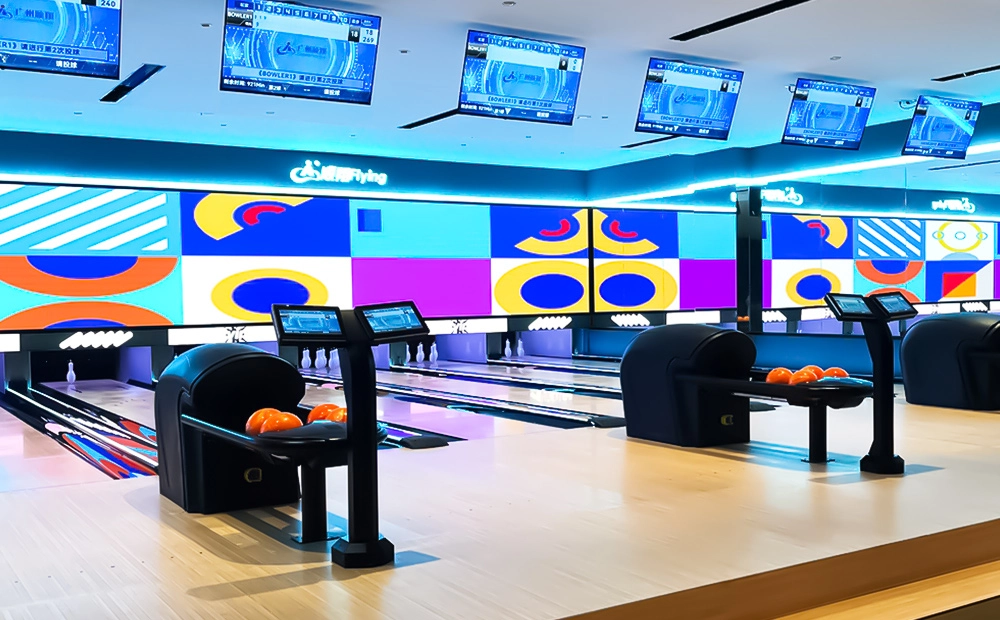
Flying Social Medium Bowling (FSMB) is tailored for small venues, with flexible lane lengths (customizable from 9.6 meters to 18 meters), a small ball design suitable for players of all ages, and light pins that are easier to knock down, increasing participation and fun.
Whether it is a gathering of friends or a casual social, FSMB can easily create a relaxed and pleasant atmosphere. Its efficient space-utilization design is particularly suitable for cafes, bars and community entertainment venues, allowing people to fall in love with bowling in a relaxed interaction.
Contact Flying
Start your bowling alley project
If you contact us now for more details, we can provide you with a custom bowling alley service. Our service team will get back to you within 24 hours normally!
© 2026 Flying BOWLING. Designed by gooeyun.
FOLLOW US:
Flying Bowling
Flying Bowling
Flyingbowling
Flyingbowling