

How Much Does It Cost to Build a Bowling Alley in Germany?
Planning to build a bowling alley in Germany? This guide explains the key factors affecting bowling alley construction costs, including equipment selection, venue preparation, installation requirements, compliance considerations, and project planning steps for investors.
- Key Takeaways
- Understanding Bowling Alley Investment in Germany
- Bowling Alley Construction Cost Breakdown in Germany
- Main Factors Affecting Bowling Alley Construction Cost
- String Pinsetter vs Free-Fall Pinsetter: Which Is Better for Germany?
- Venue Preparation and Construction Requirements
- Germany Bowling Project Checklist
- How to Start a Bowling Alley Project in Germany
- Choosing a Bowling Equipment Supplier in Germany
- What Information Should You Prepare Before Requesting a Bowling Alley Quote?
- What Documents Are Needed for a Bowling Alley Project in Germany?
- Why Work With Flying Bowling for Bowling Projects?
- Frequently Asked Questions
- Conclusion
- FAQ
Building a bowling alley in Germany requires careful investment planning across several areas, including bowling equipment, venue preparation, installation, interior design, compliance considerations, and business setup.
The total investment depends on multiple project factors, such as the number of lanes, equipment configuration, venue location, building conditions, design requirements, and operational goals.
A successful bowling project should not only consider equipment purchasing but also evaluate the complete business model, technical requirements, customer experience, and long-term operation plan.
Key Takeaways
- Bowling alley construction cost in Germany depends on project size, equipment selection, location, venue conditions, and construction requirements.
- A complete bowling center project includes equipment, installation planning, venue preparation, and operational considerations.
- German bowling projects should evaluate local requirements, including building conditions, noise considerations, and compliance documentation.
- Choosing between string pinsetter and free-fall pinsetter systems depends on venue positioning and business objectives.
- Preparing detailed project information helps suppliers provide a more suitable bowling solution.
Understanding Bowling Alley Investment in Germany
Germany has a developed entertainment market with opportunities for bowling centers in shopping malls, family entertainment centers, hotels, and independent leisure venues.
For investors planning a bowling project in Germany, the first question is often:
However, the answer depends on many project variables. The final investment is influenced by:
- Bowling equipment selection;
- Venue size and condition;
- Construction requirements;
- Installation planning;
- Interior design;
- Business model;
- Long-term operation goals.
A professional bowling center project should begin with a complete evaluation of the venue, customer positioning, and technical requirements.
Bowling Alley Construction Cost Breakdown in Germany
The investment required for a bowling alley project varies depending on the project scope.
Instead of evaluating only equipment costs, investors should consider the complete development process.
| Cost Category | Main Considerations |
|---|---|
| Bowling equipment | Lane systems, pinsetter type, scoring systems, accessories |
| Venue preparation | Flooring, electrical requirements, building conditions |
| Construction and renovation | Space adjustment, interior preparation, technical work |
| Installation | Equipment setup, testing, commissioning |
| Compliance planning | Documentation, local requirements, project preparation |
| Operation preparation | Staff planning, marketing, customer experience setup |
A complete cost evaluation should consider how these elements work together to create an operational bowling center.
Main Factors Affecting Bowling Alley Construction Cost
1. Number of Bowling Lanes
The number of lanes is one of the most important decisions in a bowling project.
A small entertainment venue may require a different configuration compared with a large commercial bowling center.
Lane quantity affects:
- Equipment requirements;
- Installation scope;
- Venue layout;
- Customer capacity;
- Future expansion options.
Before deciding lane numbers, investors should consider:
- Expected customer traffic;
- Available space;
- Business positioning;
- Operating hours;
- Revenue model.
2. Bowling Equipment Selection
Bowling equipment is the core component of a bowling center project. The suitable equipment configuration depends on venue type, expected usage level, customer experience goals, maintenance requirements, and long-term operation planning.
A complete bowling system may include:
- Bowling lanes;
- Pinsetter systems;
- Scoring systems;
- Ball return systems;
- Control systems;
- Related accessories.
Investors should evaluate not only equipment specifications but also installation support, technical communication, and future maintenance considerations.
For project planning, investors can review this complete bowling lane equipment configuration guide to better understand bowling system components.
String Pinsetter vs Free-Fall Pinsetter: Which Is Better for Germany?
Selecting the appropriate pinsetter system is an important decision during bowling center planning. Different systems may be suitable for different business models, venue types, and customer experiences.
| Factor | String Pinsetter | Free-Fall Pinsetter |
|---|---|---|
| Maintenance requirements | Designed with different maintenance considerations depending on project requirements. | Requires different mechanical servicing considerations. |
| Venue application | Often considered for entertainment-focused projects. | Often selected based on traditional bowling experience requirements. |
| Operation planning | Depends on venue goals and customer expectations. | Depends on project positioning and technical requirements. |
| Investment planning | Evaluated together with the complete project scope. | Evaluated according to equipment configuration and venue requirements. |
The right choice depends on:
- Venue type;
- Customer expectations;
- Operating model;
- Technical requirements;
- Long-term maintenance planning.
For more information about the pinsetter system comparison, investors can review this string pinsetter comparison guide.
Venue Preparation and Construction Requirements
The building condition has a significant impact on bowling project planning. Before installation, investors should evaluate the venue environment, technical conditions, and customer experience requirements.
Space Requirements
Important considerations include:
- Available floor area;
- Lane arrangement;
- Player seating;
- Customer circulation;
- Additional entertainment areas.
Building Conditions
Projects should evaluate:
- Floor conditions;
- Electrical requirements;
- Ceiling height;
- Installation access;
- Technical preparation.
Interior Design
Modern bowling centers are often designed as entertainment destinations rather than only bowling facilities.
Interior planning may include:
- Seating areas;
- Lighting atmosphere;
- Food and beverage spaces;
- Family entertainment areas;
- Customer waiting zones.
A complete construction plan helps coordinate venue preparation and equipment installation. Learn more about how to build a bowling alley from project planning to implementation.
Germany Bowling Project Checklist
Before developing a bowling center in Germany, investors should prepare a structured project checklist.
| Item | Planning Consideration |
|---|---|
| Venue evaluation | Confirm location suitability and available space. |
| Building requirements | Review technical and structural conditions. |
| Noise considerations | Evaluate venue environment and applicable requirements. |
| Equipment information | Confirm technical specifications and project needs. |
| Installation preparation | Coordinate venue and equipment requirements. |
| Business planning | Define customers, services, and operating model. |
German projects may require different considerations depending on location, building type, and local requirements. Investors should evaluate project conditions during the planning stage.
How to Start a Bowling Alley Project in Germany
A structured development process helps investors make better decisions during bowling center planning. Before purchasing equipment or starting construction, investors should define project goals and evaluate the complete requirements.
Step 1: Research the Market
Before developing a bowling center, investors should understand the market environment and business opportunities.
Important considerations include:
- Target customers;
- Local entertainment demand;
- Competitor positioning;
- Business opportunities;
- Expected customer experience.
Step 2: Evaluate the Venue
Venue evaluation is an important stage before selecting equipment and preparing construction plans.
Investors should review:
- Location;
- Available space;
- Building conditions;
- Customer accessibility;
- Future expansion possibilities.
Step 3: Select Bowling Equipment
Equipment planning should match the project requirements and business objectives.
Important discussion points include:
- Number of lanes;
- Bowling system configuration;
- Pinsetter selection;
- Scoring requirements;
- Installation needs.
Step 4: Prepare Project Information
Complete project information helps suppliers better understand the requirements and provide a suitable bowling solution.
Before requesting a quotation, investors should prepare:
- Venue location;
- Floor dimensions;
- Required lane numbers;
- Business model;
- Target customers;
- Project goals;
- Expected opening schedule.
Choosing a Bowling Equipment Supplier in Germany
Selecting the right supplier is an important part of bowling center development. Investors should evaluate suppliers based on complete project requirements rather than only equipment specifications.
Technical Capability
A suitable supplier should understand project requirements and provide equipment solutions that match the planned venue.
Project Communication
Clear communication helps coordinate:
- Equipment selection;
- Venue preparation;
- Installation planning;
- Technical requirements.
Installation Support
Bowling equipment installation requires coordination between equipment specifications and site conditions. Proper planning helps connect equipment requirements with venue preparation.
Long-Term Maintenance Planning
Investors should consider future operation requirements, including:
- Maintenance requirements;
- Spare parts planning;
- Technical support needs.
A supplier evaluation should focus on the complete project solution rather than only equipment price. Investors can also review this evaluate a bowling equipment manufacturer guide before selecting a project partner.
What Information Should You Prepare Before Requesting a Bowling Alley Quote?
Providing detailed project information helps suppliers understand the requirements more accurately and prepare a suitable project evaluation.
| Information | Purpose |
|---|---|
| Venue location | Understand project conditions and requirements. |
| Floor dimensions | Evaluate possible bowling layout. |
| Lane quantity | Define equipment requirements. |
| Business model | Understand customer expectations and operation goals. |
| Target customers | Plan suitable project solutions. |
| Project goals | Align equipment and design requirements. |
What Documents Are Needed for a Bowling Alley Project in Germany?
Depending on project location, building type, and business requirements, investors may need to prepare different types of project information.
Possible preparation items include:
- Venue information;
- Technical requirements;
- Equipment specifications;
- Installation planning information;
- Project documentation.
Investors should evaluate applicable local requirements during the planning stage.
Why Work With Flying Bowling for Bowling Projects?
Flying Bowling provides bowling equipment solutions and supports bowling project discussions based on different venue requirements.
For investors planning a bowling center, the project process may include:
- Understanding project requirements;
- Evaluating venue conditions;
- Selecting suitable bowling equipment;
- Planning installation requirements;
- Supporting project implementation.
Each bowling project has different requirements based on location, venue conditions, customer expectations, and business objectives.
Frequently Asked Questions
How much does it cost to build a bowling alley in Germany?
The total investment depends on lane quantity, equipment configuration, venue preparation, construction requirements, installation, interior design, and operational goals.
A complete project evaluation is required to determine a suitable bowling solution based on specific requirements.
What is the biggest cost factor when building a bowling alley?
Major considerations include bowling equipment, venue preparation, construction scope, installation requirements, and project-specific design needs.
The impact of each factor depends on the project size, location, and business model.
What permits are required to open a bowling alley in Germany?
Requirements may vary depending on location, building type, and local regulations.
Investors should evaluate applicable building, operational, and compliance requirements during the project planning stage.
Is string pinsetter suitable for bowling centers in Germany?
The suitable pinsetter system depends on venue type, customer expectations, business model, technical requirements, and long-term operation planning.
How many lanes should a bowling center have?
The ideal number of lanes depends on available space, expected customer traffic, business positioning, operating model, and future expansion plans.
What information should I prepare before requesting a bowling alley quotation?
Investors should prepare venue location, available space, lane quantity, business objectives, target customers, and project requirements before requesting a quotation.
How do I choose a bowling equipment supplier?
Investors should evaluate supplier technical capability, project communication, installation support, equipment suitability, and long-term maintenance considerations.
What documents are needed for a bowling alley project in Germany?
Project preparation may include venue information, technical requirements, equipment specifications, installation planning information, and other project documentation depending on specific conditions.
Conclusion
Building a bowling alley in Germany requires careful planning beyond purchasing bowling equipment.
A successful project should consider:
- Equipment selection;
- Venue suitability;
- Installation requirements;
- Customer experience;
- Compliance considerations;
- Long-term operation.
By preparing clear project information and evaluating suitable bowling solutions, investors can create a stronger foundation for their bowling center development plan.
For investors planning a bowling project in Germany, the next step is to evaluate venue conditions and project requirements with a suitable bowling equipment partner.
If you are planning a bowling project in Germany, prepare your venue information and project requirements to discuss a suitable bowling solution.
Request a project consultation →FAQ
How much does it cost to build an 8-lane bowling alley in Germany?
An 8-lane family entertainment center in Germany typically requires an investment of approximately €930,000–€1.615 million, excluding the 19% German MwSt (VAT). This budget generally includes bowling equipment, construction and fit-out works, permits and professional fees, and working capital reserves. Costs vary significantly by region, with Munich and Frankfurt representing the highest-cost markets, while Leipzig and Dresden often provide more affordable entry points for new investors.
What is GEMA Tarif WR-Bowl and why is it important?
GEMA is Germany's music rights organization responsible for collecting licensing fees on behalf of artists, composers, and publishers. Unlike many countries, Germany applies a dedicated tariff specifically designed for bowling venues known as Tarif WR-Bowl. Commercial bowling centers that play music for customers are generally required to register and pay annual licensing fees based on venue size and usage. Failure to comply can result in penalties and retroactive fee assessments, making GEMA registration an important operational requirement before opening.
How long does the building permit process take in Germany?
The permit process varies considerably depending on location and project complexity. In major cities such as Berlin, approval for commercial entertainment projects may take between four and twelve months, while smaller municipalities often process applications more quickly. Projects located near residential areas may also require a professional noise impact assessment before approval. Investors should generally allow six to fourteen months for regulatory approvals and project preparation before opening.
Why are string pinsetters particularly suitable for Germany?
Germany's relatively high labor and maintenance costs make string pinsetters especially attractive from a financial perspective. Compared with traditional free-fall systems, string pinsetters require significantly less maintenance, fewer specialist technicians, and lower long-term operating expenses. They also generate less mechanical noise, which can simplify compliance with Germany's strict noise protection regulations and reduce acoustic treatment requirements for venues located in mixed-use urban areas.
Is CE certification required for bowling equipment in Germany?
Yes. Germany follows European Union regulations requiring commercial mechanical and electronic equipment to carry CE certification. Bowling equipment suppliers should provide a Declaration of Conformity demonstrating compliance with applicable EU machinery and safety directives. Venue operators should always verify certification documentation before purchasing equipment, as it may be required for inspections, insurance coverage, and regulatory approvals.
What is a realistic payback period for a bowling center in Germany?
For a professionally operated bowling center, payback periods generally depend on utilization levels, food-and-beverage sales, and corporate event activity. A venue operating at conservative utilization rates may require approximately eleven to twelve years to recover its initial investment, while centers with strong corporate bookings, event programming, and food-and-beverage revenue can often reduce payback to approximately seven to eight years. Successful German venues typically rely on multiple revenue streams rather than lane rental alone.
Recommended products
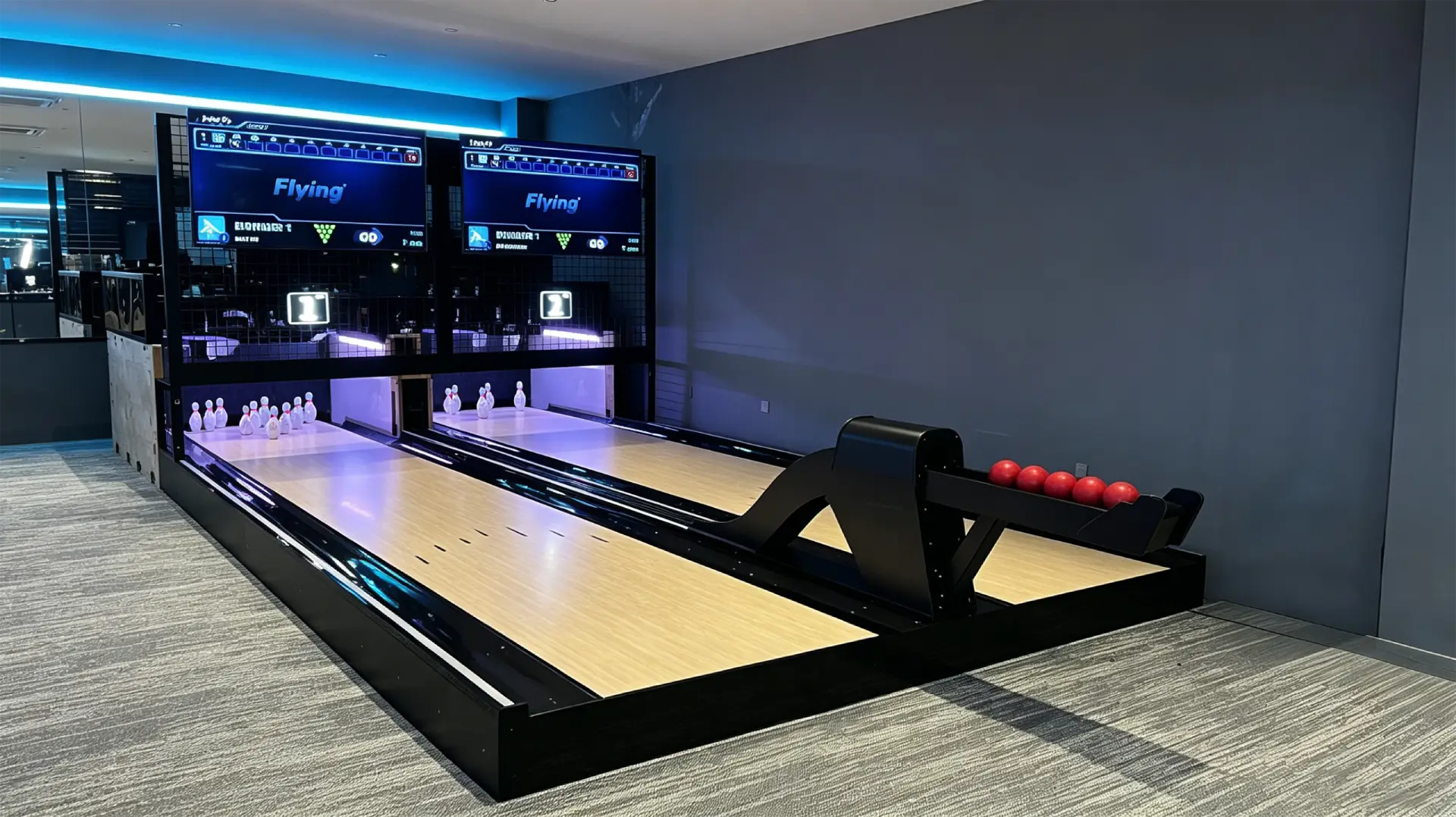
Flying Smart Duckpin Bowling Equipment for Commercial Venues
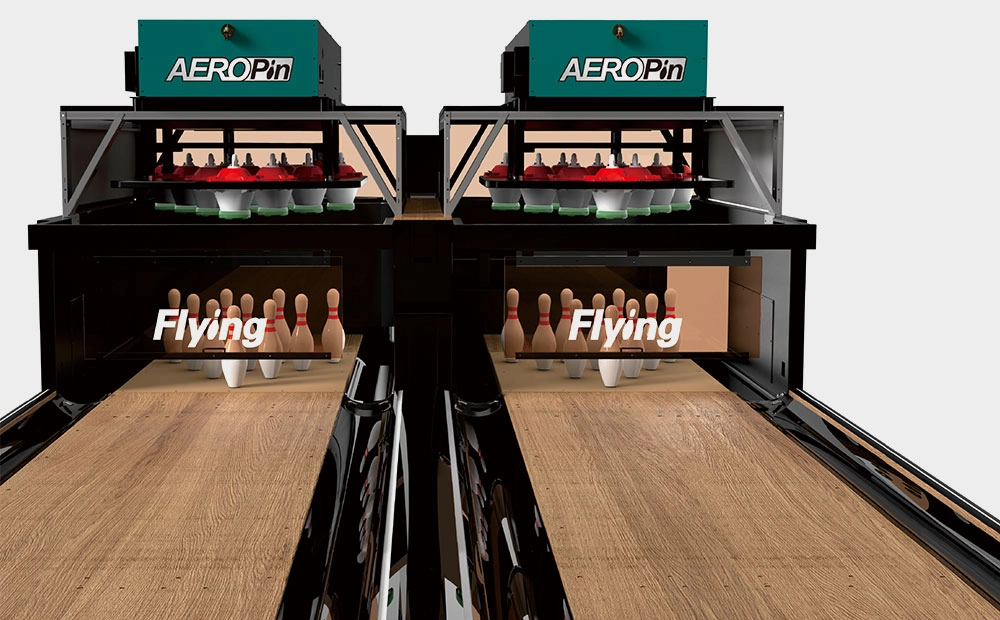
AEROPIN™ USBC-Certified String Pinsetter System
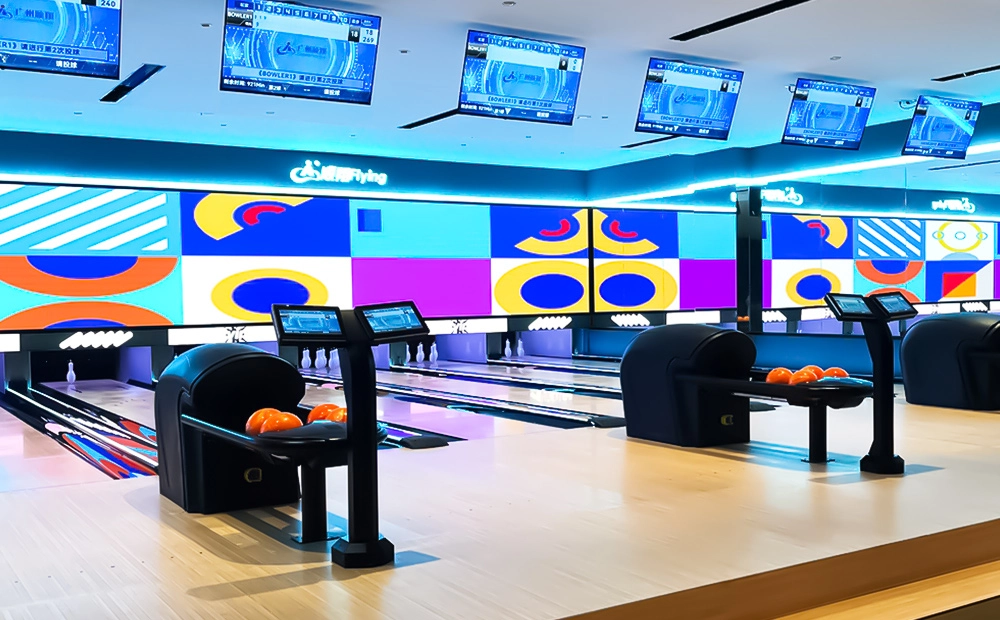
Medium Bowling Equipment for Compact Social Venues
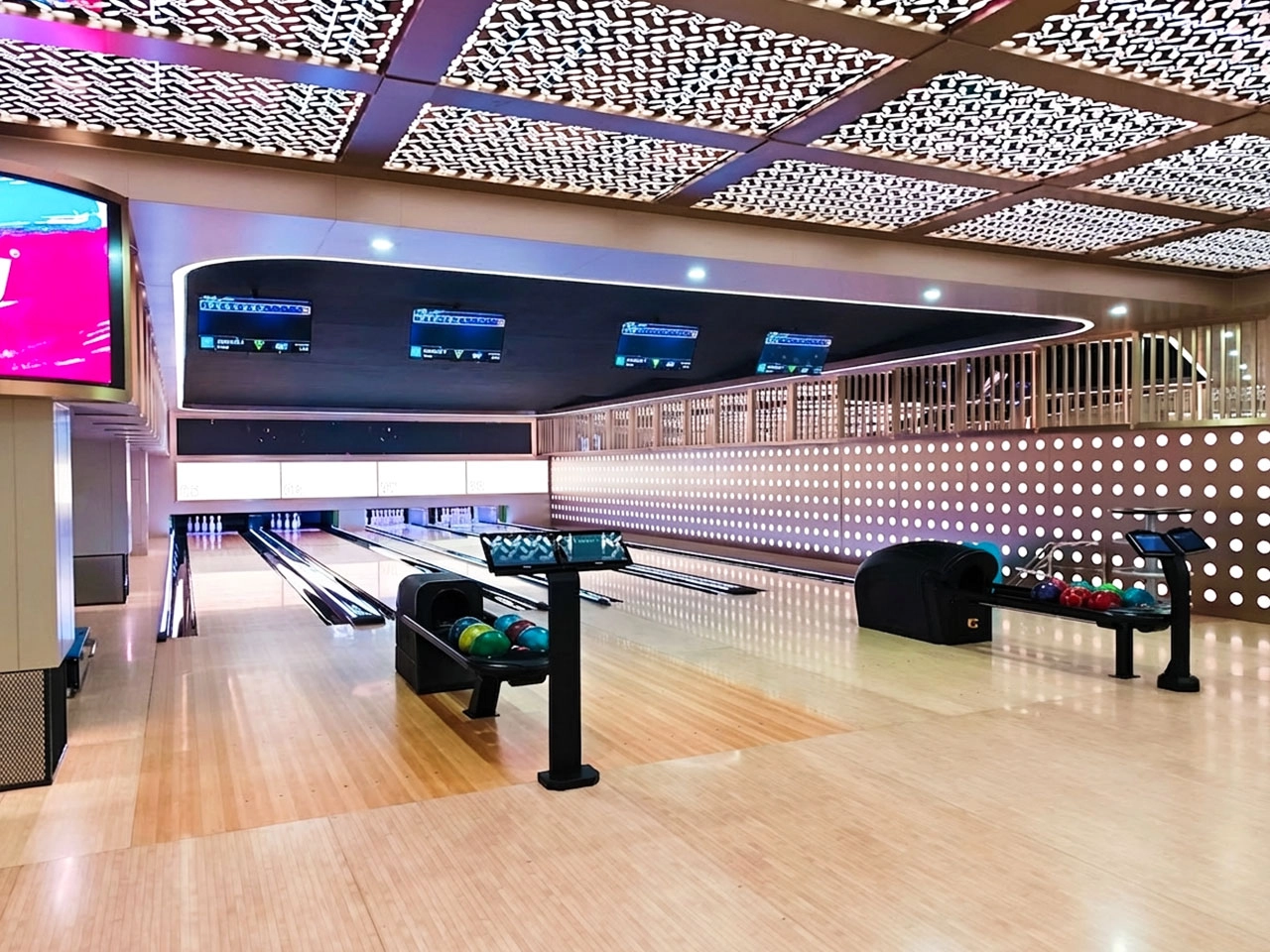
Complete Bowling Alley Equipment Package for Commercial Bowling Centers
You may also like
Build a commercial bowling venue with Flying’s complete string pinsetter bowling alley equipment package. The system includes the AEROPIN™ USBC-certified string pinsetter, customizable lanes, automatic scoring, ball return, lane lighting, pins, control hardware, and overseas installation support.
Designed for commercial bowling centers, family entertainment venues, hotels, resorts, bars, and premium private projects, this turnkey bowling system helps operators reduce sourcing complexity and prepare for reliable long-term operation.
Flying Smart Duckpin Bowling is a compact duckpin bowling equipment system designed for bars, family entertainment centers, hotels, resorts, cinemas, boutique bowling alleys, and social entertainment venues. With a standard 9.13m duckpin bowling lane, 1.25kg lightweight balls, automatic scoring, ball return, LED lighting, and a smart string pinsetter, it creates a fast-paced and easy-to-play bowling experience in a smaller footprint than traditional bowling.
The system is available as a turnkey duckpin bowling package, including lane equipment, a string pinsetter system, scoring hardware, control software, global shipping, installation guidance, and technical support.
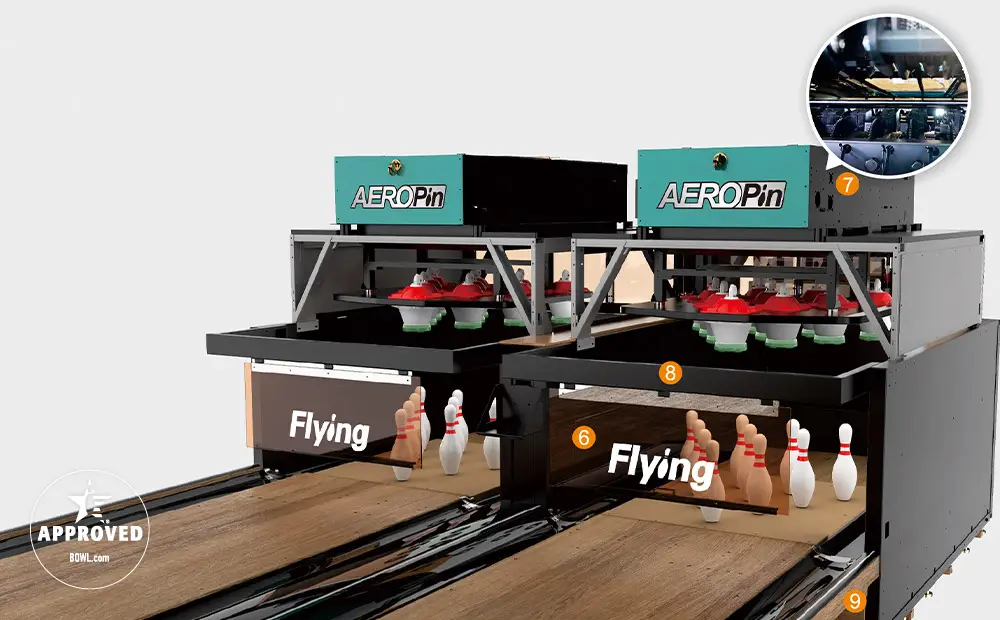
AEROPIN is Flying Bowling’s USBC-certified string pinsetter system for modern commercial bowling centers. Designed for fast pin setting, smooth ball return, low maintenance, and stable daily operation, it helps venue operators build league-ready and entertainment-focused bowling projects with confidence.
Flying Social Medium Bowling is a compact medium bowling equipment system designed for bars, cafes, family entertainment centers, community leisure venues, hotels, resorts, and small indoor entertainment spaces. With customizable lane lengths from 9.6m to 18m, small balls, lighter pins, string pinsetter technology, ball return, and automatic scoring, it creates an easy-to-play social bowling experience for players of different ages and skill levels.
Compared with full-size standard bowling, medium bowling requires less space and offers a more casual, interactive format. It is a practical choice for venues that want to add a bowling attraction without building a full commercial bowling alley.
Contact Flying
Start your bowling alley project
If you contact us now for more details, we can provide you with a custom bowling alley service. Our service team will get back to you within 24 hours normally!
© 2026 Flying BOWLING. Designed by gooeyun.
FOLLOW US:

Flying Bowling
Flying Bowling
Flyingbowling
Flyingbowling
Flyingbowling