


How Much to Build a Bowling Alley in Brazil | Flying
How Much to Build a Bowling Alley in Brazil: An In-Depth Guide
Brazil, a nation known for its vibrant culture and sweeping landscapes, is emerging as a hot spot for recreational activities, including bowling. Investing in a bowling alley can be a lucrative venture, offering both entertainment and economic upsides. This comprehensive guide delves into the costs associated with building a bowling alley in Brazil, and how Flying can support your construction and setup needs.
Understanding the Costs
Building a bowling alley in Brazil involves various costs, ranging from equipment to real estate. Here's a focused look at what it entails:
1. Real Estate and Location
- Land Prices: The location significantly impacts the total construction costs. Urban areas like São Paulo and Rio de Janeiro may demand High-Quality rates, while smaller cities offer more affordable options. Expect costs to fluctuate between $200,000 to $500,000 depending on location and land size.
- Renovation Costs: If utilizing an existing structure, renovation expenses will apply. Renovations can typically cost anywhere from $100,000 to $300,000 based on the building's condition and the desired scale of your bowling facility.
2. Construction and Design
- Structural Costs: This encompasses the basic framework and ensures the building is up to local code. Budget between $150 to $200 per square meter.
- Interior Design: Creating an inviting and thematic atmosphere could add an additional $50,000 to $150,000. Flying offers professional design services to balance aesthetics with functionality.
3. Bowling Equipment
- Essential Equipment: Depending on the type of bowling installation—Medium, Standard, Mini, or Duckpin—the costs will vary. Generally, project costs range from $50,000 to multiple hundreds of thousands.
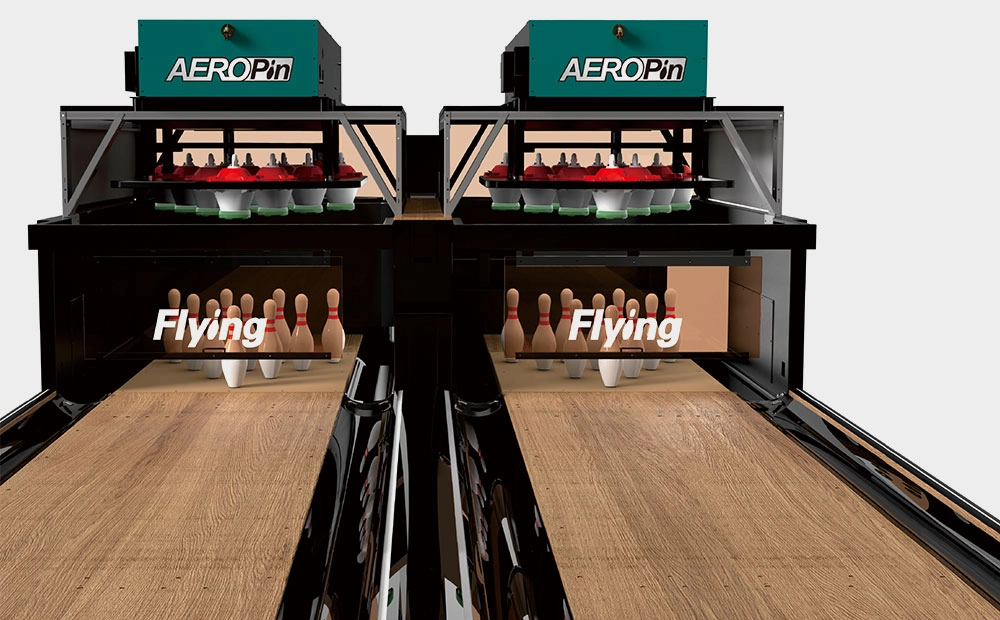
- Innovative Pinsetters and Ball Return Machines: At Flying, we have pioneered affordable yet high-quality bowling equipment. Our string pinsetters and ball return machines provide efficiency at competitive prices.
4. Operational Costs
- Staffing and Training: Staffing costs for experienced personnel, including training, typically amount to $2,000 to $5,000 monthly.
- Monthly Utilities: Electricity, water, and maintenance can range between $1,000 and $3,000 monthly, subject to facility size and location.
Benefits of Choosing Flying
Flying has been at the forefront of bowling equipment development since 2015, focusing on innovation and affordability. Here's why partnering with Flying for your bowling project is advantageous:
- Comprehensive Solutions: We offer end-to-end services from designing to the complete setup of your bowling alley.
- Unique Product Range: With options like Medium Bowling, Duckpin, and Mini Bowling, you can choose the configuration that best suits your audience.
- Cost Efficiency: Our products provide European and American standard quality at competitive prices suitable for the Brazilian market.
Frequently Asked Questions (FAQs)
1. How long does it take to build a bowling alley in Brazil?
The timeframe can vary but generally ranges between 6 to 12 months. Factors include location, size, and local permitting processes.
2. Are there grants or financial incentives for recreational businesses in Brazil?
Yes, certain municipalities offer incentives to encourage economic activities. It's best to consult with local authorities for specific programs.
3. Can Flying assist with regulatory compliance in Brazil?
Absolutely. Flying has extensive experience in navigating local regulations and ensures that your project meets all necessary requirements.
Conclusion
Investing in a bowling alley in Brazil not only promises a promising ROI but also brings endless fun to communities. Understanding the nuanced costs and requirements is crucial, and having a reliable partner like Flying can streamline and enhance your project.
For more detailed consultation or inquiries about equipment and setup, contact Flying. We are committed to helping you bring the excitement of bowling to various Brazilian locales in the most cost-effective manner possible.
This article equips you with insights into building a bowling alley in Brazil. Flying stands ready to support every step of your journey with top-tier equipment and stellar service.
Recommended products
Flying Smart Duckpin Bowling Equipment and Lane System for Commercial Venues
USBC-Certified AEROPIN String Pinsetter System
Mini Bowling Equipment for Kids and Family Entertainment Venues
Medium Bowling Equipment for Social Entertainment Venues
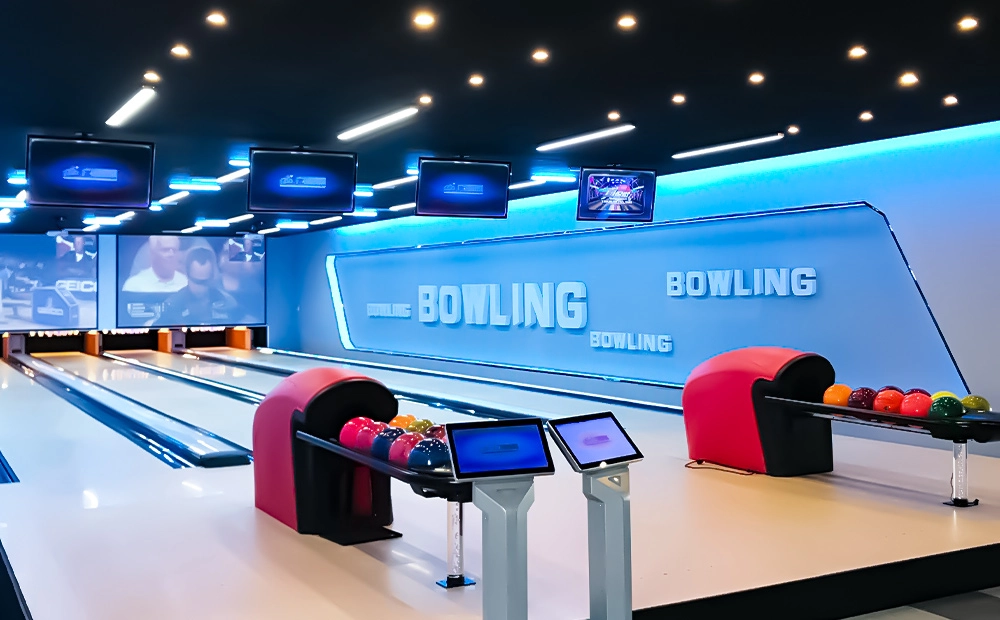
Complete String Pinsetter Bowling Alley Equipment System
You may also like
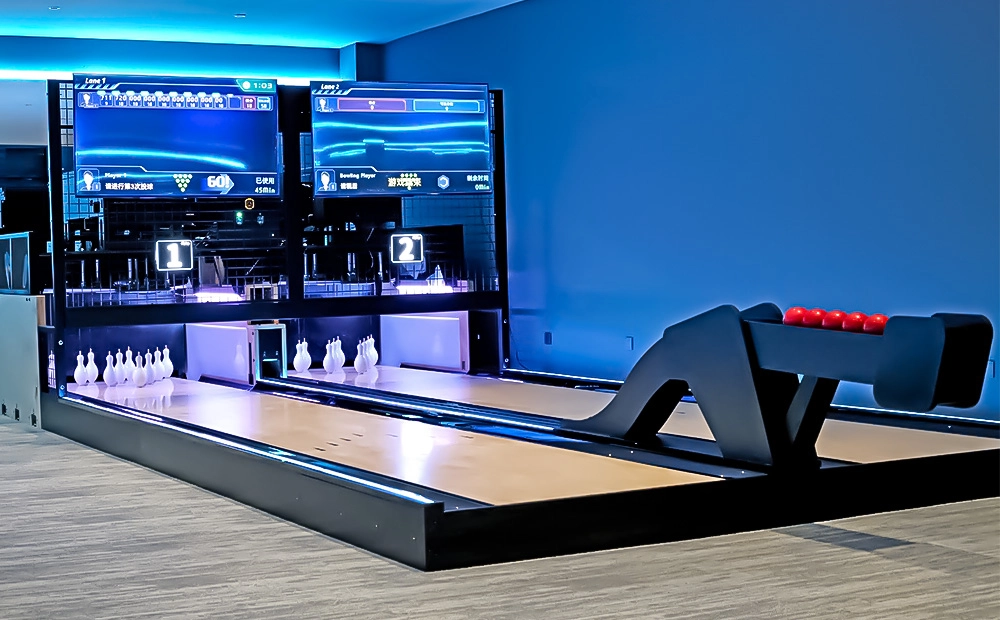
Flying Smart Duckpin Bowling (FSDB) innovative design, standard 9.2-meter short lane, can be shortened in length, compact layout suitable for small spaces. The game rules are simple but challenging, attracting players of different ages to actively participate.
Suitable for social entertainment venues such as bars, billiard halls, and game centers, it not only enhances interactivity but also increases the popularity and consumption frequency of the venue. The fun and competitive nature of FSDB will make it a new focus of social activities.
Flying Classic Standard Bowling (FCSB) is designed according to international competition standards and equipped with an accurate automatic scoring system, providing bowling enthusiasts with a pure professional experience. Whether it is for competitions or leisure entertainment, FCSB can meet high-level needs.
Suitable for family entertainment centers, luxury resorts, private villas, or clubs, it is an ideal choice for customers who pursue high-end quality and professional experience. Its classic design and excellent performance will add lasting appeal to the venue.
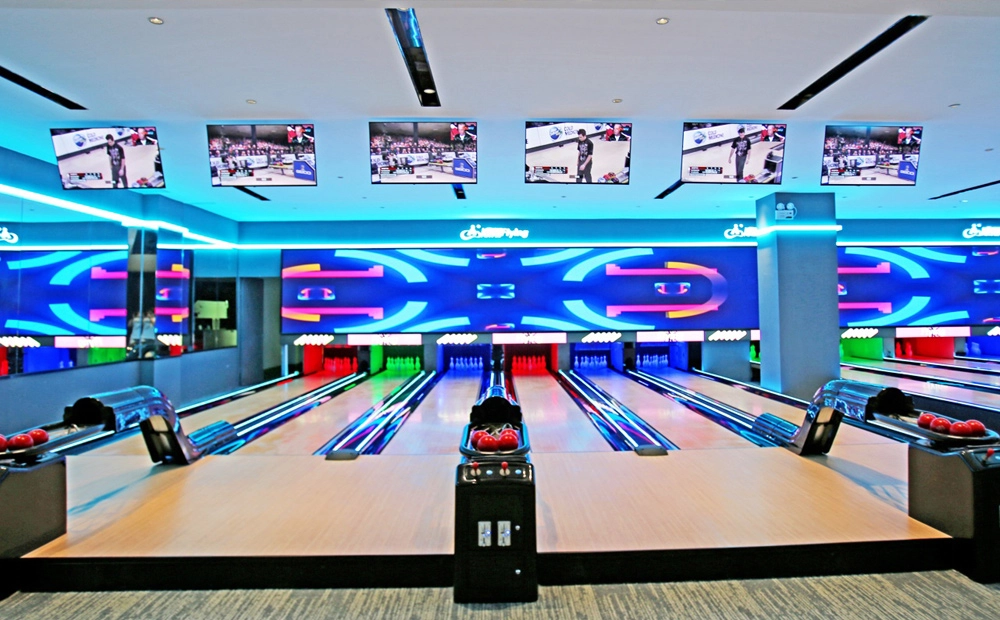
Flying Cute Mini Bowling (FCMB) is a mini bowling experience designed for children and families. The lane length is fixed at 12 meters, equipped with lightweight balls without finger holes (only 1.25kg) and small pins, specially designed for children and family fun.
It can not only help children feel the fun of bowling, but also stimulate their interest and competitive consciousness. Suitable for children's playgrounds, theme parks and parent-child centers, it is the best choice for places focusing on the children's market.
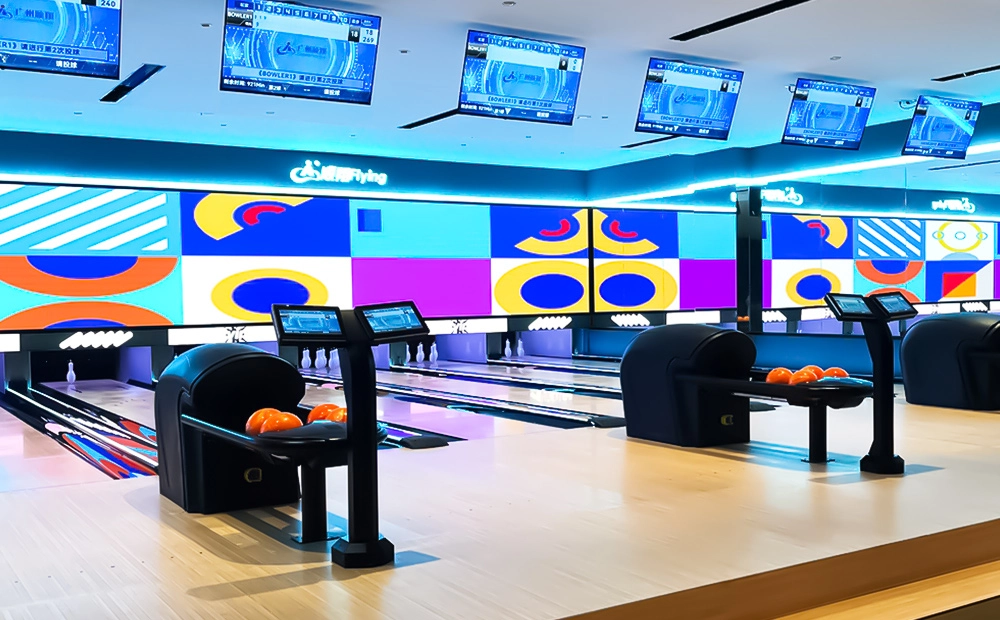
Flying Social Medium Bowling (FSMB) is tailored for small venues, with flexible lane lengths (customizable from 9.6 meters to 18 meters), a small ball design suitable for players of all ages, and light pins that are easier to knock down, increasing participation and fun.
Whether it is a gathering of friends or a casual social, FSMB can easily create a relaxed and pleasant atmosphere. Its efficient space-utilization design is particularly suitable for cafes, bars and community entertainment venues, allowing people to fall in love with bowling in a relaxed interaction.
Contact Flying
Start your bowling alley project
If you contact us now for more details, we can provide you with a custom bowling alley service. Our service team will get back to you within 24 hours normally!
© 2026 Flying BOWLING. Designed by gooeyun.
FOLLOW US:
Flying Bowling
Flying Bowling
Flyingbowling
Flyingbowling