


How Much to Build a 2 Lane Bowling Alley | Flying
The Complete Guide to Building a 2-Lane Bowling Alley
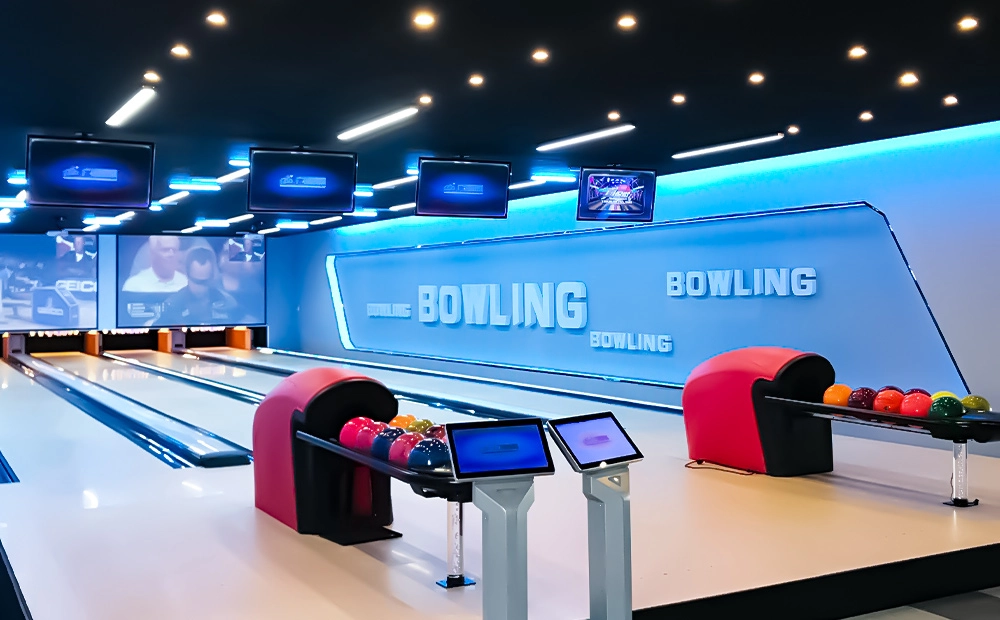
Establishing a 2-lane bowling alley is a remarkable venture that can serve communities seeking recreation and sports activities. Whether you’re aiming for commercial success or just creating a private escape, knowing how much it will cost to build a 2-lane bowling alley is vital. Since 2015, Flying has been at the forefront of delivering top-tier bowling equipment and construction services, ensuring that your bowling alley is both high-quality and competitively priced.
Introduction
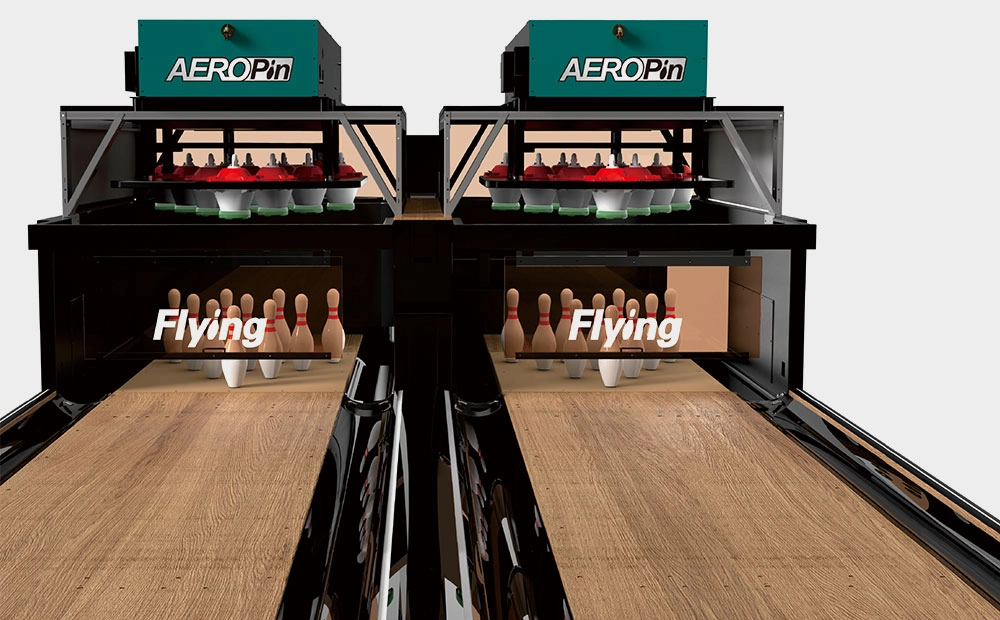
Building a bowling alley involves multiple components, from securing the right location to installation and equipment costs. At Flying, we specialize in providing exemplary products and services, including bowling string pinsetters and bowling ball return machines. This comprehensive guide will delve into the cost structure and considerations paramount to constructing a 2-lane bowling alley.
Key Cost Considerations
1. Location and Space Requirements
The initial step in building a bowling alley is selecting a suitable location. Ideally, your venue should be easily accessible and spacious enough to house bowling lanes and customer amenities. A standard 2-lane configuration requires approximately 1,000-1,200 square feet. Rental or purchase costs for such spaces will depend heavily on your geographical location.
2. Design and Construction
Each step in the design and construction phase can vary in cost. The structure's blueprint includes flooring, lane installation, lighting, and seating arrangements. Collaborating with experts like Flying ensures that you acquire not only aesthetically pleasing designs but also ones optimized for functionality and safety.
3. Bowling Equipment Cost
Quality equipment defines the bowling experience. Flying offers a complete package that covers installations such as Medium Bowling, Standard Bowling, Duckpin Bowling, and Mini Bowling. Based on your selection, each option can significantly affect your overall budget. Our competitive prices ensure affordability without sacrificing quality.
4. Installation and Labor
Professional installation is crucial for ensuring that lanes are set correctly and the equipment operates optimally. Labor costs are a factor of local wage rates and the complexity of your setup. Choosing an experienced installer like Flying can help mitigate unexpected expenses by providing reliable service.
5. Licensing and Permits
Navigating through paperwork for permits and licenses can delay your project if not handled efficiently. Allocate a portion of your budget to cover these regulatory costs, which can vary widely by region.
Estimated Cost Range
Although pricing can differ, the typical construction cost for a 2-lane bowling alley can range from $120,000 to $195,000. This estimate includes equipment, lane construction, and additional amenities like a lounge or snack bar. Flying's expertise in product offerings allows you to customize your alley while maintaining a balance between cost-effectiveness and excellence.
Frequently Asked Questions
Q: What makes Flying's bowling equipment stand out?
A: Our products are designed with a focus on quality and durability, comparable to those from European and American manufacturers. With Flying, you receive superior products at competitive prices.
Q: How long does the construction of a 2-lane bowling alley take?
A: The construction timeline generally ranges from 3 to 6 months, depending on the project’s scope and any existing infrastructure.
Q: Can I add more lanes to my bowling alley in the future?
A: Absolutely. Flying's modular designs allow for scalable expansion tailored to your future business growth needs.
Q: Is financing available for building a bowling alley?
A: Financing options depend on geographical and personal financial situations. It's advised to consult local financial institutions or explore equipment leasing through Flying.
Conclusion
Building a 2-lane bowling alley is a rewarding endeavor that offers immense potential for community engagement and business success. Flying, with its long-standing expertise in bowling alley solutions, is committed to helping you navigate through each stage of the process. Our competitive pricing models, coupled with top-quality products, make constructing the perfect bowling alley attainable and sustainable.
As you embark on this exciting project, remember that partnering with a trusted provider like Flying is integral to your success. Our comprehensive support and innovative products ensure that your bowling alley stands out in both quality and appeal. Reach out to us today to explore your options and bring your vision to life.
Recommended products
Flying Smart Duckpin Bowling Equipment and Lane System for Commercial Venues
USBC-Certified AEROPIN String Pinsetter System
Mini Bowling Equipment for Kids and Family Entertainment Venues
Medium Bowling Equipment for Social Entertainment Venues
Complete String Pinsetter Bowling Alley Equipment System
You may also like
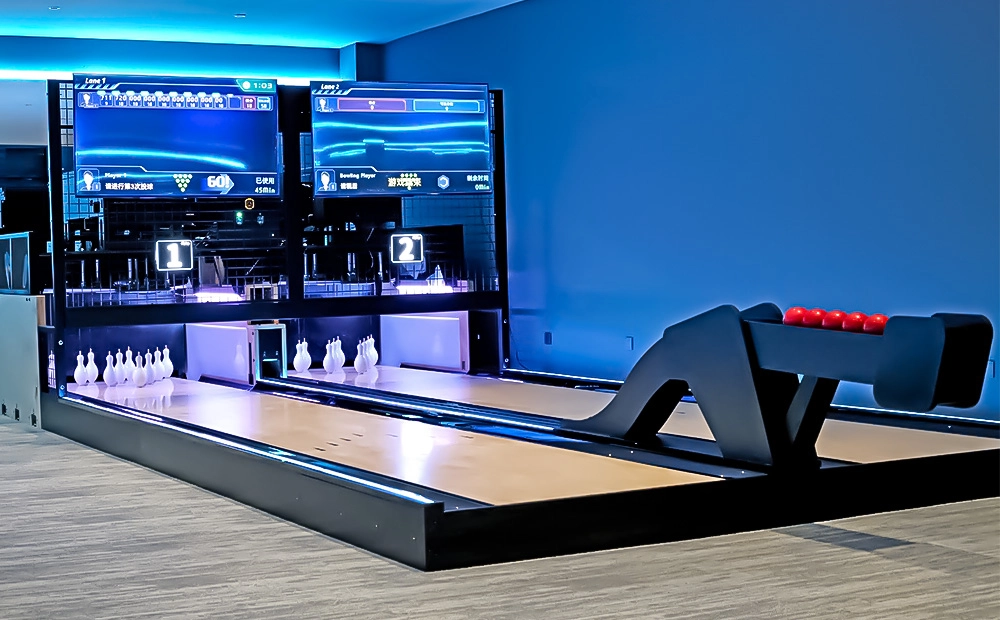
Flying Smart Duckpin Bowling (FSDB) innovative design, standard 9.2-meter short lane, can be shortened in length, compact layout suitable for small spaces. The game rules are simple but challenging, attracting players of different ages to actively participate.
Suitable for social entertainment venues such as bars, billiard halls, and game centers, it not only enhances interactivity but also increases the popularity and consumption frequency of the venue. The fun and competitive nature of FSDB will make it a new focus of social activities.
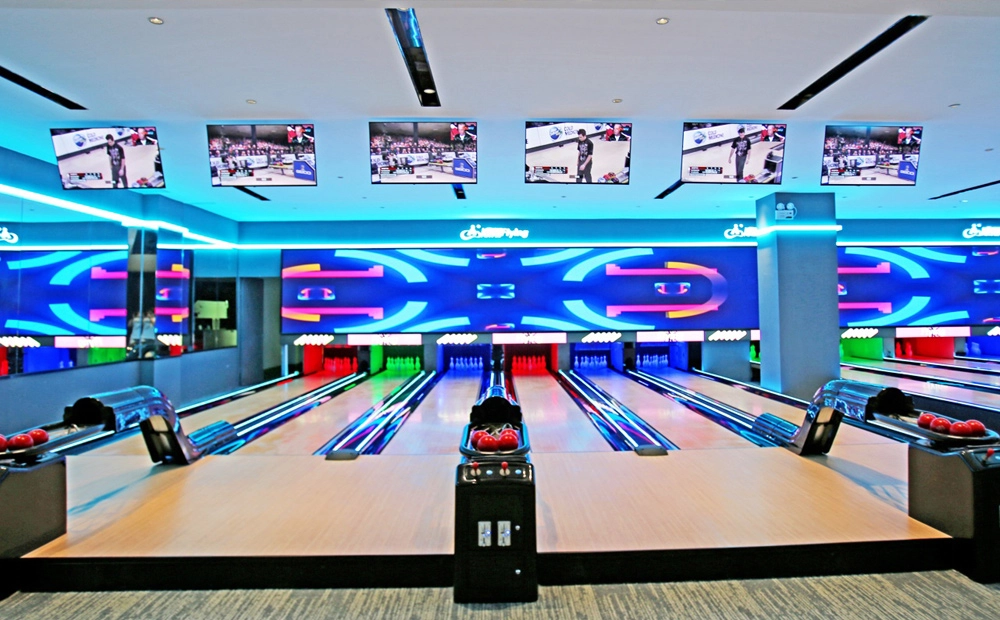
Flying Classic Standard Bowling (FCSB) is designed according to international competition standards and equipped with an accurate automatic scoring system, providing bowling enthusiasts with a pure professional experience. Whether it is for competitions or leisure entertainment, FCSB can meet high-level needs.
Suitable for family entertainment centers, luxury resorts, private villas, or clubs, it is an ideal choice for customers who pursue high-end quality and professional experience. Its classic design and excellent performance will add lasting appeal to the venue.
Flying Cute Mini Bowling (FCMB) is a mini bowling experience designed for children and families. The lane length is fixed at 12 meters, equipped with lightweight balls without finger holes (only 1.25kg) and small pins, specially designed for children and family fun.
It can not only help children feel the fun of bowling, but also stimulate their interest and competitive consciousness. Suitable for children's playgrounds, theme parks and parent-child centers, it is the best choice for places focusing on the children's market.
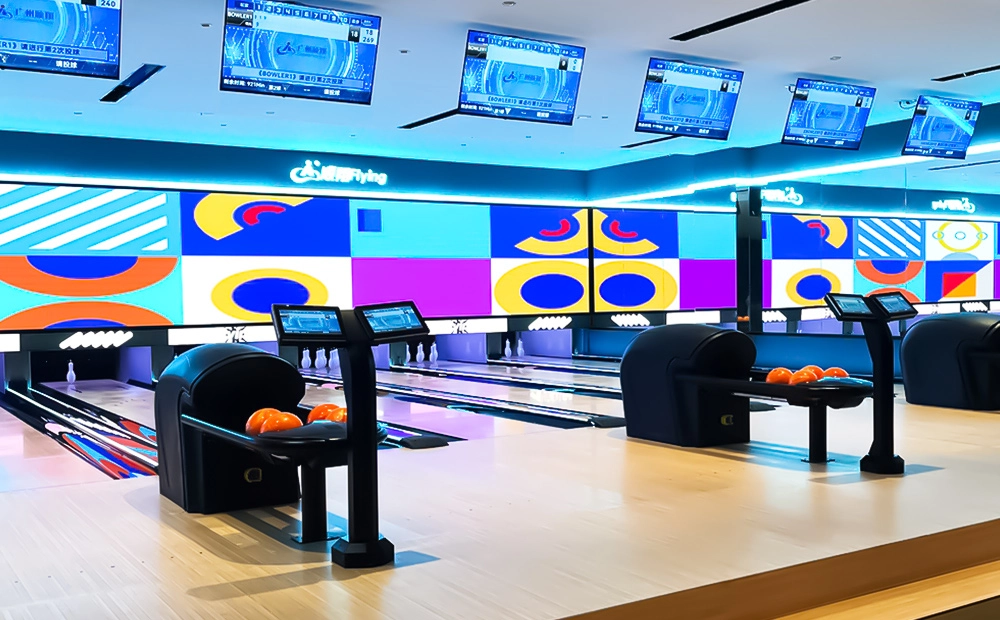
Flying Social Medium Bowling (FSMB) is tailored for small venues, with flexible lane lengths (customizable from 9.6 meters to 18 meters), a small ball design suitable for players of all ages, and light pins that are easier to knock down, increasing participation and fun.
Whether it is a gathering of friends or a casual social, FSMB can easily create a relaxed and pleasant atmosphere. Its efficient space-utilization design is particularly suitable for cafes, bars and community entertainment venues, allowing people to fall in love with bowling in a relaxed interaction.
Contact Flying
Start your bowling alley project
If you contact us now for more details, we can provide you with a custom bowling alley service. Our service team will get back to you within 24 hours normally!
© 2026 Flying BOWLING. Designed by gooeyun.
FOLLOW US:
Flying Bowling
Flying Bowling
Flyingbowling
Flyingbowling