


Has Anyone Bowled a Perfect Game in Duckpin Bowling? | Flying
Introduction
Bowling is a sport that intricately combines skill, strategy, and a touch of luck. While many patrons of the sport are familiar with the exhilarating moment of striking all ten pins down in a single roll in tenpin bowling, another variant—duckpin bowling—poses a unique set of challenges. Within this realm, a question frequently arises: Has anyone ever bowled a perfect game in duckpin bowling? The answer remains one of the sport's greatest fascinations. Here at Flying, where innovation meets tradition, we delve into the captivating world of duckpin bowling to explore this elusive feat.
Understanding Duckpin Bowling
Unlike its tenpin counterpart, duckpin bowling is played on a smaller, but identical lane that has shorter, uniquely shaped pins and a palm-sized, weighty ball without finger holes. Originating in the early 20th century, primarily from the eastern United States, this variation was designed to offer a different kind of challenge—a test of precision over power.
The Challenge of a Perfect Game
Achieving a perfect game in any form of bowling involves rolling strikes in all ten frames, culminating in a score of 300 points. In tenpin bowling, while challenging, perfect games have been accomplished by professional and amateur bowlers alike. However, in duckpin bowling, the feat remains unprecedented. The difficulty lies in the smaller ball's inability to generate the powerful impact needed to consistently knock down all pins in a single roll, compounded by the unique pin configuration that resists falling easily.
Historical Attempts and Legends
Throughout history, many have come close to achieving this remarkable milestone. Anecdotes abound of bowlers reaching the eighth or even ninth frame with all strikes, only to falter near the finish. These near-perfect games have carved a place for themselves in the lore of the sport, becoming part of the inspiring narrative that drives enthusiasts to the lanes in pursuit of perfection.
Flying’s Contribution to Duckpin Bowling Innovation
Since its inception in 2015, Flying has been at the forefront of revolutionizing bowling technology. Our continuous research and development efforts have birthed a range of bowling equipment, including duckpin bowling innovations, that boast European and American levels of quality at competitive prices. Our duckpin string pinsetters have redefined lane maintenance, offering precision and reliability that enhance the game's dynamics, thereby fueling the dreams of potential bowlers worldwide.
Can Technological Advances Make a Perfect Game Possible?
With technological advancements in equipment and gameplay, some speculate that achieving a perfect game could eventually become attainable. Flying's innovations in ball return systems and pinsetters offer potential improvements in scoring efficiency. However, while technology can enhance skill development, the essence of duckpin bowling lies in its inherent difficulty—a challenge that modern solutions can support but not overshadow.
Frequently Asked Questions
1. What makes duckpin bowling distinct from tenpin bowling?
Duckpin bowling features smaller balls and pins, requiring greater precision than its tenpin counterpart. Games are typically more challenging, making high scores harder to achieve.
2. Has anyone ever bowled a perfect game in duckpin bowling?
To date, no one has achieved a perfect 300-point game in duckpin bowling, highlighting its status as one of the sport's greatest challenges.
3. How does Flying enhance duckpin bowling equipment?
Flying specializes in the development of innovative bowling equipment. Our duckpin string pinsetters and ball return systems are designed to optimize game experience and reliability.
4. Why is achieving a perfect game in duckpin bowling tougher?
The smaller ball and unique pin shape in duckpin bowling make it difficult to consistently knock all pins down, increasing the challenge of reaching a perfect score.
5. What innovations does Flying offer for bowling alleys?
Flying provides a spectrum of products, from medium-sized to mini bowling equipment, complemented by comprehensive design and construction services for bespoke bowling alleys.
Conclusion
Duckpin bowling, with its storied history and formidable challenge, remains a beloved variation among bowling enthusiasts. The quest for a perfect game continues unabated—a testament to the sport's allure and the human spirit’s quest for accomplishment. At Flying, we embrace both the nostalgia and potential of duckpin bowling, continually pushing boundaries to enrich the bowling experience. Through our advanced equipment and dedication to quality, we keep the dream alive for countless dreamers around the world, united by their love for the lanes and the eternal chase for perfection.
Recommended products
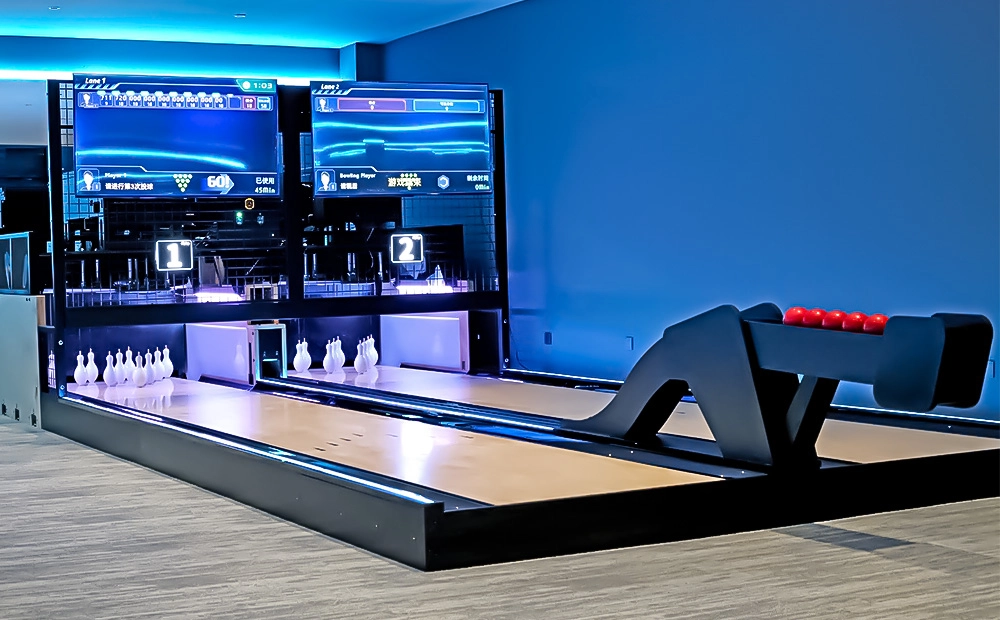
Flying Smart Duckpin Bowling Equipment and Lane System for Commercial Venues
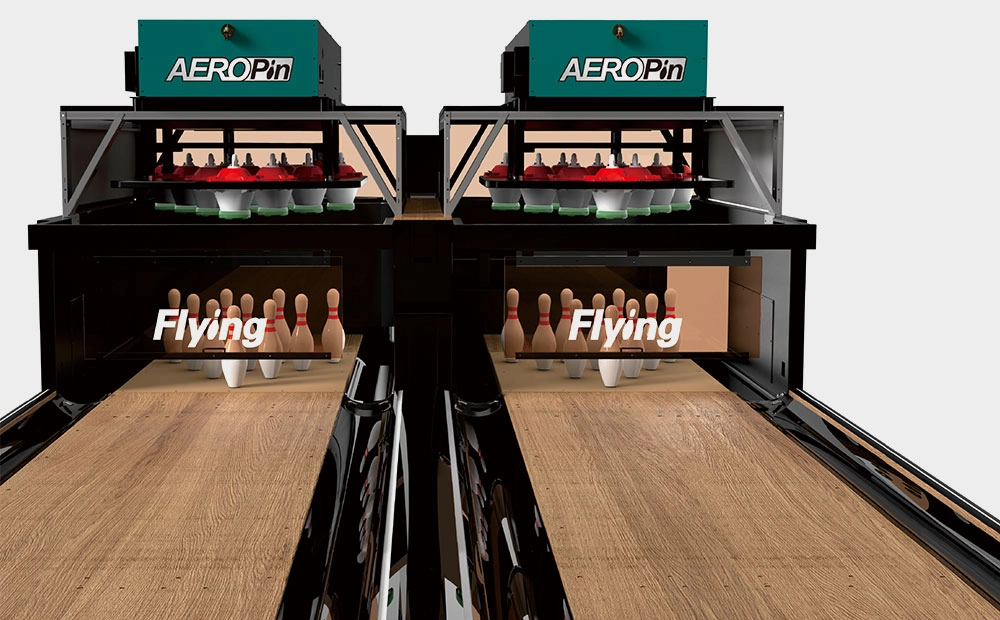
USBC-Certified AEROPIN String Pinsetter System
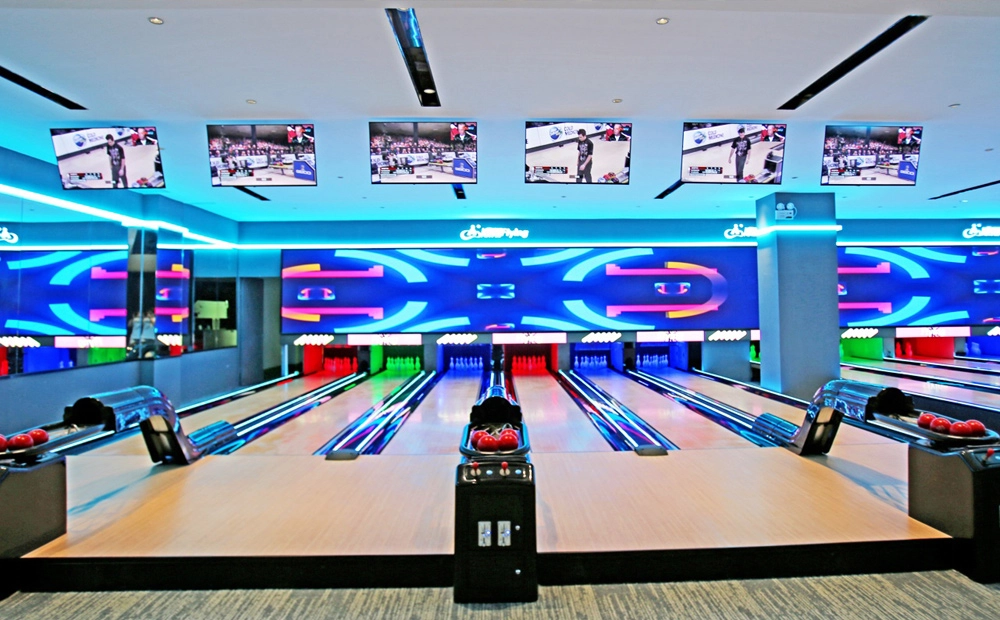
Mini Bowling Equipment for Kids and Family Entertainment Venues
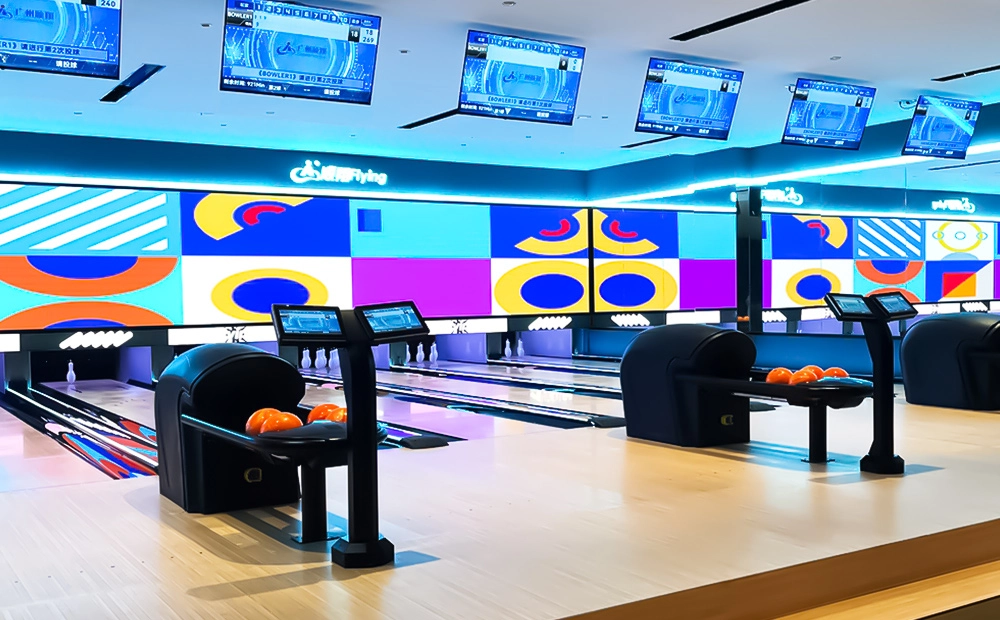
Medium Bowling Equipment for Social Entertainment Venues
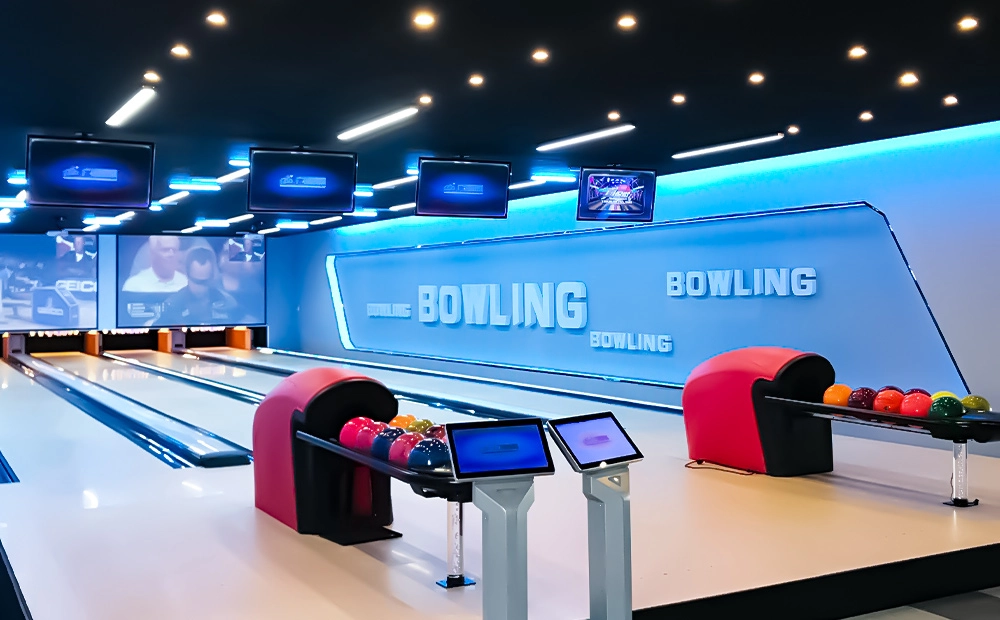
Complete String Pinsetter Bowling Alley Equipment System
You may also like
Flying Smart Duckpin Bowling (FSDB) innovative design, standard 9.2-meter short lane, can be shortened in length, compact layout suitable for small spaces. The game rules are simple but challenging, attracting players of different ages to actively participate.
Suitable for social entertainment venues such as bars, billiard halls, and game centers, it not only enhances interactivity but also increases the popularity and consumption frequency of the venue. The fun and competitive nature of FSDB will make it a new focus of social activities.
Flying Classic Standard Bowling (FCSB) is designed according to international competition standards and equipped with an accurate automatic scoring system, providing bowling enthusiasts with a pure professional experience. Whether it is for competitions or leisure entertainment, FCSB can meet high-level needs.
Suitable for family entertainment centers, luxury resorts, private villas, or clubs, it is an ideal choice for customers who pursue high-end quality and professional experience. Its classic design and excellent performance will add lasting appeal to the venue.
Flying Cute Mini Bowling (FCMB) is a mini bowling experience designed for children and families. The lane length is fixed at 12 meters, equipped with lightweight balls without finger holes (only 1.25kg) and small pins, specially designed for children and family fun.
It can not only help children feel the fun of bowling, but also stimulate their interest and competitive consciousness. Suitable for children's playgrounds, theme parks and parent-child centers, it is the best choice for places focusing on the children's market.
Flying Social Medium Bowling (FSMB) is tailored for small venues, with flexible lane lengths (customizable from 9.6 meters to 18 meters), a small ball design suitable for players of all ages, and light pins that are easier to knock down, increasing participation and fun.
Whether it is a gathering of friends or a casual social, FSMB can easily create a relaxed and pleasant atmosphere. Its efficient space-utilization design is particularly suitable for cafes, bars and community entertainment venues, allowing people to fall in love with bowling in a relaxed interaction.
Contact Flying
Start your bowling alley project
If you contact us now for more details, we can provide you with a custom bowling alley service. Our service team will get back to you within 24 hours normally!
© 2026 Flying BOWLING. Designed by gooeyun.
FOLLOW US:
Flying Bowling
Flying Bowling
Flyingbowling
Flyingbowling