


Essential Bowling Equipment Guide by Flying Bowling (2026 Edition)
This Essential Bowling Equipment Guide (2025) by Flying Bowling covers everything you need to build or upgrade a bowling alley — including lanes, string pinsetters, scoring systems, and accessories. Backed by 20 years of expertise and 3,000+ successful installations, Flying Bowling delivers high-quality, cost-effective, and fully customizable bowling solutions trusted worldwide.
- Introduction: The Heart of Modern Bowling Equipment
- 1. Bowling Lanes—The Foundation of Every Alley
- 1.1 Types of Bowling Lanes
- 1.2 Key Features
- 1.3 Maintenance Tips
- 2. Bowling Pins—Precision in Every Strike
- 2.1 Standard vs. Duckpin
- 2.2 Materials
- 2.3 Lifespan & Care
- 3. Bowling Balls—The Player’s Connection
- 3.1 Types
- 3.2 Materials
- 3.3 Maintenance
- 4. String Pinsetter Machines—The Technological Core
- 4.1 How a String Pinsetter Works
- 4.2 Advantages
- 4.3 Flying Bowling Models
- 4.4 Comparison Table
- 5. Ball Return System – Seamless Play Continuity
- 5.1 Process
- 5.2 Maintenance
- 6. Scoring System—Modernizing the Bowling Experience
- 6.1 Automatic Scoring
- 6.2 Entertainment Features
- 7. Bowling Shoes—Stability Meets Safety
- 8. Accessories and Enhancements
- 8.1 Bumpers & Ball Racks
- 8.2 Seating & Lighting
- 8.3 Maintenance Tools
- 9. Building a Complete Bowling Alley – Step-by-Step
- 10. Cost Overview
- 11. Why Choose Flying Bowling
- 12. FAQs
- Conclusion
- Build Your Dream Bowling Alley with Flying Bowling
Introduction: The Heart of Modern Bowling Equipment
Since its early days, bowling has evolved from a casual pastime into a global entertainment industry. Whether you’re opening a new bowling alley or upgrading an existing one, understanding each piece of essential bowling equipment is critical to ensuring performance, reliability, and cost efficiency.
At Flying Bowling, a leading bowling equipment manufacturer from China, we’ve been designing, producing, and installing complete bowling systems since 2005. With over 3,000 successful projects worldwide, our team understands the precise technology and craftsmanship needed to create an exceptional bowling experience.
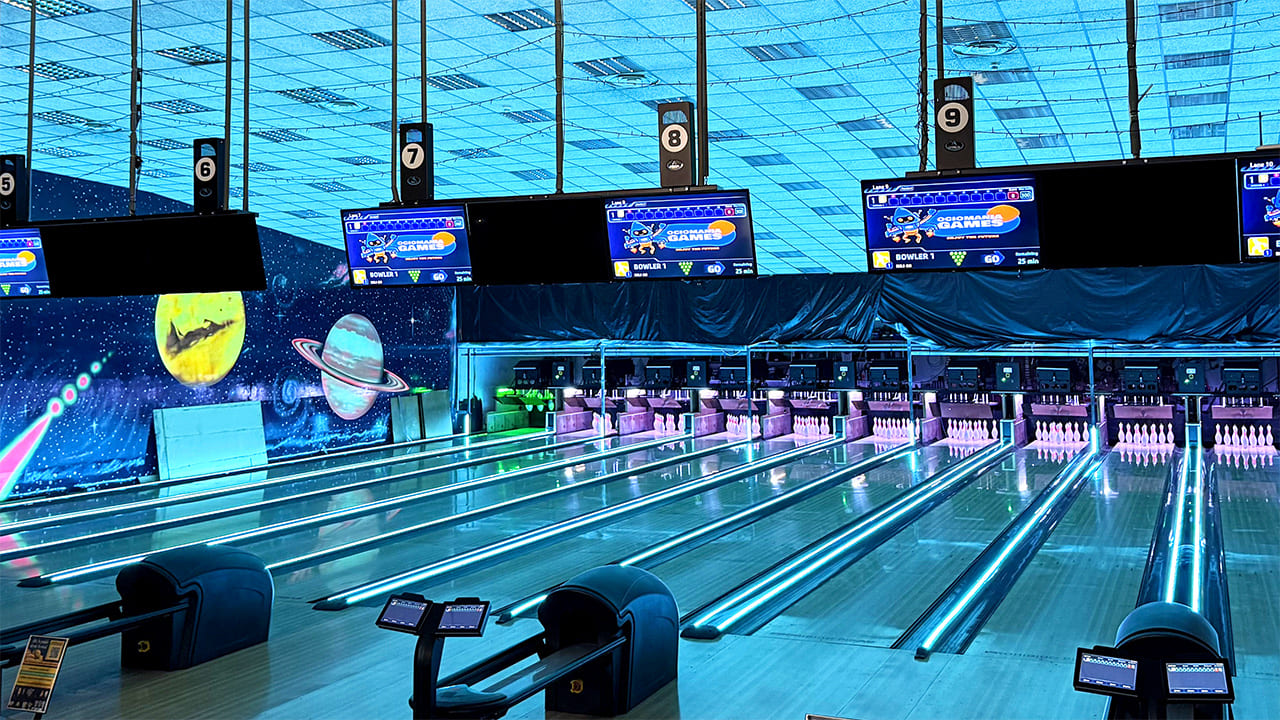
1. Bowling Lanes—The Foundation of Every Alley
1.1 Types of Bowling Lanes
-
Standard Bowling Lanes (FCSB Series):
Full-size lanes are ideal for commercial centers. Constructed with durable synthetic panels, ensuring smooth ball motion and long-term resilience. -
Medium or Mini Bowling Lanes (FSMB, FCMB):
Perfect for entertainment venues and compact spaces. Retains authentic gameplay while requiring less installation space. -
Duckpin Bowling Lanes (FSDB):
Shorter lanes and smaller pins create a unique, family-friendly experience.
1.2 Key Features
-
Anti-friction synthetic surface for consistent ball roll
-
High-density underlayment for noise reduction
-
Optional LED gutter lighting and custom designs
1.3 Maintenance Tips
Keep lanes waxed, clean the approach area daily, and inspect for warping every 6 months to preserve smoothness.
2. Bowling Pins—Precision in Every Strike
2.1 Standard vs. Duckpin
-
Standard Pins: 15-inch height, 3 lb 6 oz weight, suited for tenpin bowling.
-
Duckpin Pins: Shorter (9¾ inches), lighter, and ideal for compact lanes.
2.2 Materials
Made from hard maple wood or composite plastic with a synthetic coating for durability and bounce uniformity.
2.3 Lifespan & Care
Rotate pin sets regularly to balance wear and avoid uneven impacts. Replace sets after 6–12 months of heavy use.
3. Bowling Balls—The Player’s Connection
3.1 Types
-
House Balls: Standardized sizes and weights for general play.
-
Custom Balls: Personalized for weight distribution, grip, and aesthetics.
3.2 Materials
Options include polyester, urethane, and reactive resin, each offering different friction levels and lane reactions.
3.3 Maintenance
Regular cleaning prevents oil absorption and maintains hook potential.
4. String Pinsetter Machines—The Technological Core
4.1 How a String Pinsetter Works
Each pin is attached to a durable string. When the ball hits, the system:
-
Detects standing and fallen pins using sensors.
-
Lifts all pins via motor-driven strings.
-
Resets them for the next frame within seconds.
4.2 Advantages
-
70% lower maintenance cost than free-fall pinsetters
-
Quieter and energy-efficient
-
Compact design ideal for small or modular setups
4.3 Flying Bowling Models
-
FSMB String Pinsetter: Mid-size and reliable for family centers.
-
FCSB String Pinsetter: Full-size, professional-grade system.
4.4 Comparison Table
| Feature | String Pinsetter | Free-Fall Pinsetter |
|---|---|---|
| Maintenance | Low | High |
| Power Use | Energy-efficient | Heavy power draw |
| Operation Speed | Fast | Moderate |
| Cost | $8,000–$12,000/lane | $18,000–$25,000/lane |
5. Ball Return System – Seamless Play Continuity
A smooth ball return machine ensures minimal downtime. Flying Bowling designs robust, low-noise systems compatible with all lane types.
5.1 Process
-
The ball enters the pit after hitting pins.
-
Conveyor or track lifts it to the return rack.
-
The ball rolls gently back to the player.
5.2 Maintenance
Lubricate moving belts and clear debris weekly.
6. Scoring System—Modernizing the Bowling Experience
6.1 Automatic Scoring
Our intelligent scoring systems detect pins and calculate scores instantly, reducing human error.
6.2 Entertainment Features
-
Custom themes and animations
-
Touchscreen scoring terminals
-
Integration with mobile apps for player tracking
7. Bowling Shoes—Stability Meets Safety
Shoes provide proper traction on the approach area and protect lane surfaces. Flying Bowling supplies high-quality rental and custom shoes for different lane types.
8. Accessories and Enhancements
8.1 Bumpers & Ball Racks
Perfect for family and beginner-friendly venues.
8.2 Seating & Lighting
Custom-designed sofas and LED systems to enhance ambiance.
8.3 Maintenance Tools
Lane oiling machines, cleaners, and spare parts for long-term operation.
9. Building a Complete Bowling Alley – Step-by-Step
| Step | Process | Description |
|---|---|---|
| 1 | Planning & Design | Layout design based on space and theme |
| 2 | Equipment Selection | Choose lane type, pinsetter, and scoring systems |
| 3 | Installation | Conducted by certified Flying Bowling technicians |
| 4 | Calibration | Testing and fine-tuning for optimal gameplay |
| 5 | Training | Staff instruction on operation & maintenance |
10. Cost Overview
| Equipment | Estimated Cost per Lane |
|---|---|
| Bowling Lane | $4,000–$6,000 |
| String Pinsetter | $8,000 – $12,000 |
| Ball Return System | $2,000 – $3,500 |
| Scoring System | $1,500–$3,000 |
| Accessories & Seating | $1,000–$2,000 |
💡 Tip: Flying Bowling offers complete bowling alley packages starting at $14,000 per lane, including equipment, design, and installation.
11. Why Choose Flying Bowling
-
Over 20 years of manufacturing expertise
-
10,000 ㎡ modern factory
-
Global after-sales network and technical support
-
Certified materials meeting international standards
-
Trusted by clients in over 60 countries
12. FAQs
Q1: How long does a bowling lane last?
With proper maintenance, synthetic lanes last 20–30 years.
Q2: Are spring pinsetters suitable for professional use?
Yes, they are now approved by several international bowling federations.
Q3: Can Flying Bowling customize lane designs?
Absolutely. From color schemes to LED lighting, every alley can be tailored.
Q4: How much space is needed for a mini or duckpin bowling setup?
Typically between 40 and 60 feet, depending on configuration.
Q5: What’s included in Flying Bowling’s turnkey solutions?
Design, equipment production, shipment, on-site installation, and training.
Conclusion
Building or upgrading a bowling alley requires a deep understanding of every component—from lanes to lighting. With over 3,000 successful installations, Flying Bowling combines innovation, craftsmanship, and affordability to deliver world-class bowling experiences.
If you’re ready to design your perfect bowling center, contact Flying Bowling today or visit www.flyingbowling.com for a personalized consultation.
Build Your Dream Bowling Alley with Flying Bowling
Ready to bring your bowling center vision to life?
With over two decades of manufacturing excellence and turnkey bowling solutions, Flying Bowling helps you design, install, and operate a world-class bowling venue.
✅ Full-range equipment: String Pinsetters, Lanes, Ball Returns, Scoring Systems
✅ Proven reliability with 3,000+ installations worldwide
✅ Custom designs and global after-sales support
👉 Contact Our Team Today
📧 Email: jackson@flyingbowling.com
🌐 Visit: www.flyingbowling.com
📞 Let’s create your perfect bowling experience together!
Recommended products
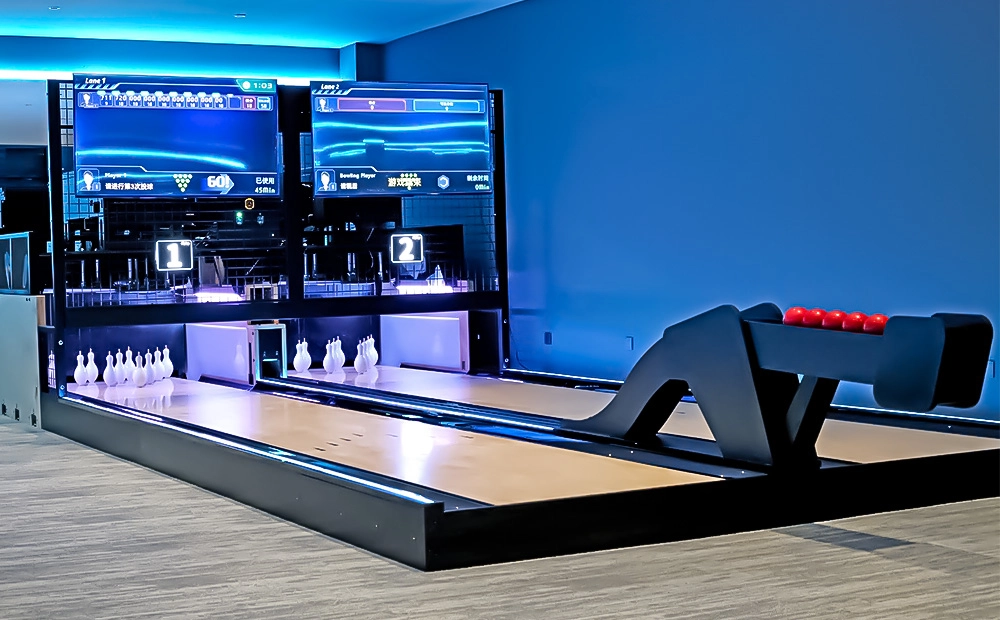
Flying Smart Duckpin Bowling Equipment and Lane System for Commercial Venues
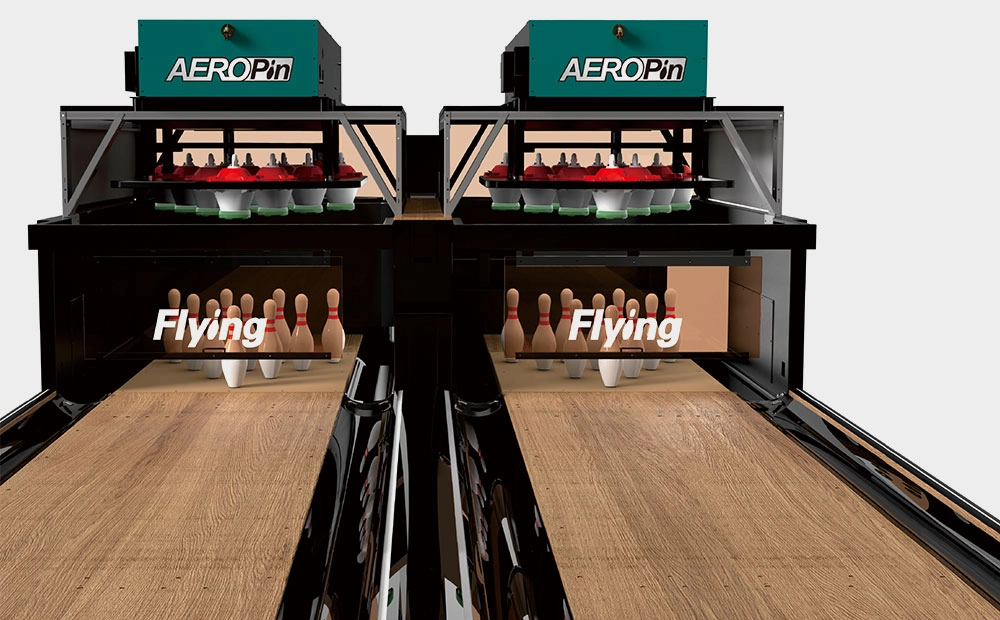
USBC-Certified AEROPIN String Pinsetter System
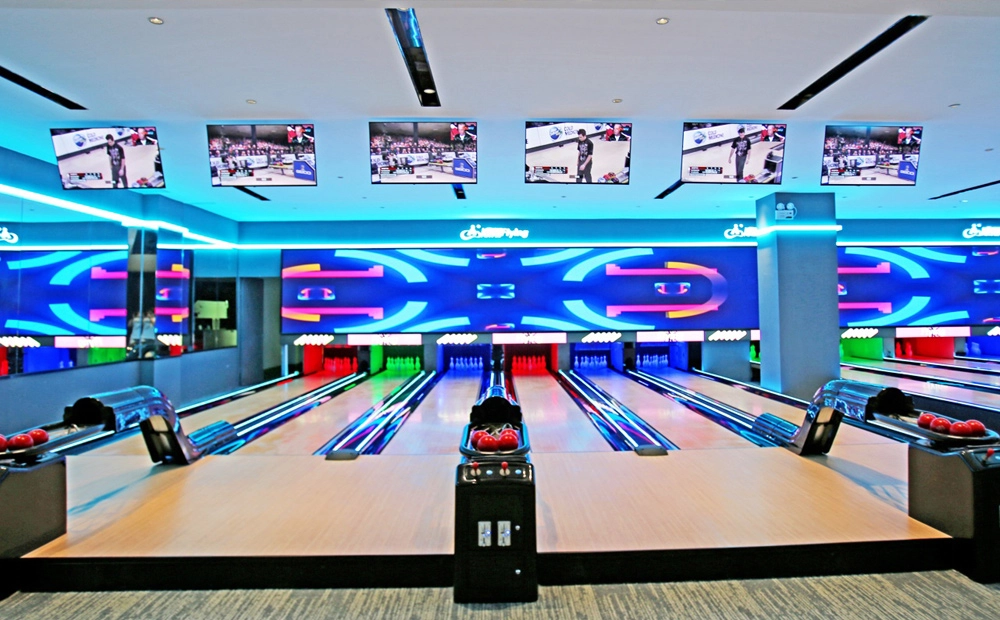
Mini Bowling Equipment for Kids and Family Entertainment Venues
Medium Bowling Equipment for Social Entertainment Venues
Complete String Pinsetter Bowling Alley Equipment System
You may also like
Flying Smart Duckpin Bowling (FSDB) innovative design, standard 9.2-meter short lane, can be shortened in length, compact layout suitable for small spaces. The game rules are simple but challenging, attracting players of different ages to actively participate.
Suitable for social entertainment venues such as bars, billiard halls, and game centers, it not only enhances interactivity but also increases the popularity and consumption frequency of the venue. The fun and competitive nature of FSDB will make it a new focus of social activities.
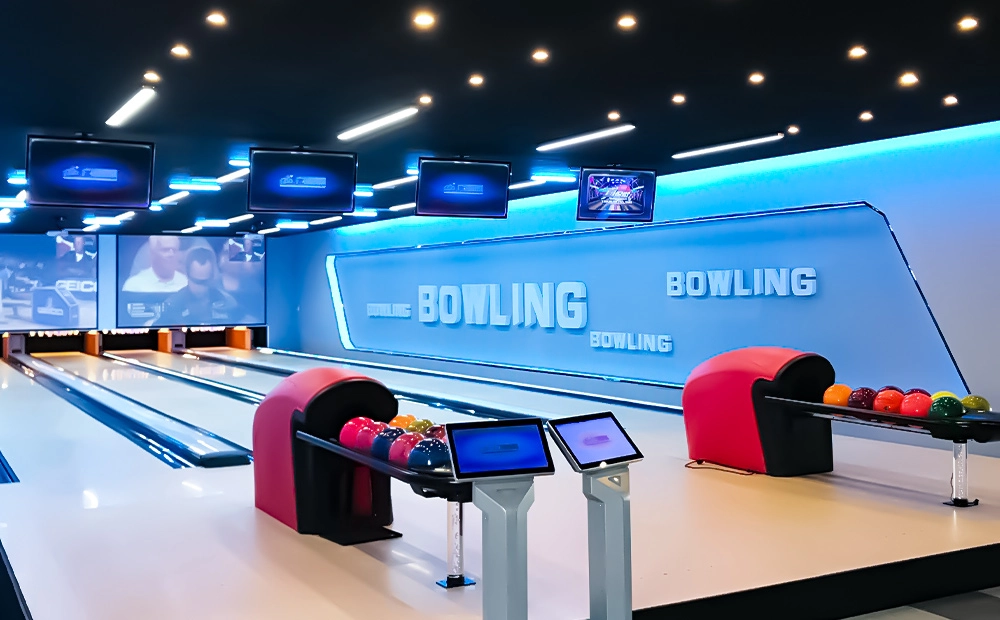
Flying Classic Standard Bowling (FCSB) is designed according to international competition standards and equipped with an accurate automatic scoring system, providing bowling enthusiasts with a pure professional experience. Whether it is for competitions or leisure entertainment, FCSB can meet high-level needs.
Suitable for family entertainment centers, luxury resorts, private villas, or clubs, it is an ideal choice for customers who pursue high-end quality and professional experience. Its classic design and excellent performance will add lasting appeal to the venue.
Flying Cute Mini Bowling (FCMB) is a mini bowling experience designed for children and families. The lane length is fixed at 12 meters, equipped with lightweight balls without finger holes (only 1.25kg) and small pins, specially designed for children and family fun.
It can not only help children feel the fun of bowling, but also stimulate their interest and competitive consciousness. Suitable for children's playgrounds, theme parks and parent-child centers, it is the best choice for places focusing on the children's market.
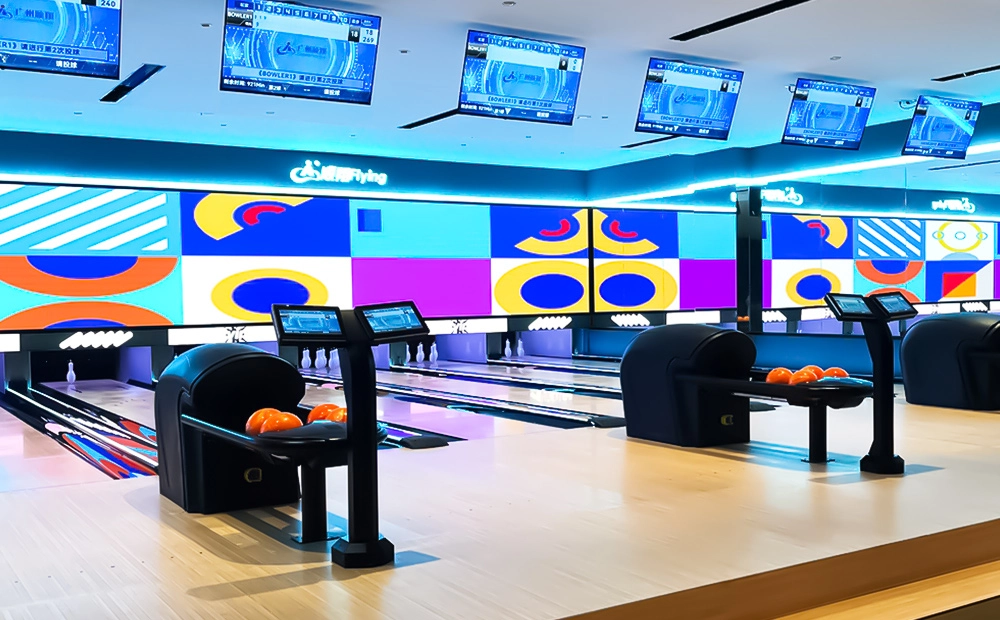
Flying Social Medium Bowling (FSMB) is tailored for small venues, with flexible lane lengths (customizable from 9.6 meters to 18 meters), a small ball design suitable for players of all ages, and light pins that are easier to knock down, increasing participation and fun.
Whether it is a gathering of friends or a casual social, FSMB can easily create a relaxed and pleasant atmosphere. Its efficient space-utilization design is particularly suitable for cafes, bars and community entertainment venues, allowing people to fall in love with bowling in a relaxed interaction.
Contact Flying
Start your bowling alley project
If you contact us now for more details, we can provide you with a custom bowling alley service. Our service team will get back to you within 24 hours normally!
© 2026 Flying BOWLING. Designed by gooeyun.
FOLLOW US:
Flying Bowling
Flying Bowling
Flyingbowling
Flyingbowling