

Quick Overview
Most duckpin bowlers improve faster by fixing consistency before adding power. Use the same starting position, target, approach rhythm, release point, and comfortable ball speed often enough to see a clear pattern in where the ball travels.
If your shots keep missing, change only one variable at a time. Check whether the problem comes from alignment, timing, grip pressure, release point, or speed, then repeat several deliveries before making another adjustment.
The most useful practice isolates one skill—such as release consistency, target accuracy, rhythm, speed control, or spare placement—instead of simply throwing more balls.
How to Improve Your Duckpin Bowling Technique
Better duckpin bowling starts with a delivery you can repeat.
If your stance, grip, timing, and release change on every shot, the result gives you very little useful feedback. Start by making the basic movement as consistent as possible.
Use a comfortable stance that keeps you balanced throughout the approach. Hold the ball securely without unnecessary tension, and use a walking rhythm that does not force you to rush the final step.
The release should feel smooth rather than forced. Trying to create extra speed at the last moment can change your hand position and release point, making the ball harder to control.
After release, stay balanced and let the throwing arm continue naturally through the follow-through.
A repeatable delivery makes it much easier to identify whether a miss comes from execution or aiming.
How to Throw a Duckpin Bowling Ball More Consistently
Consistency improves when fewer variables change between deliveries.
Begin several shots from the same starting position. Choose one visual target on the lane and keep your attention on that target throughout the approach.
The grip should feel secure without excessive squeezing. Too much tension can interfere with the natural swing and change the release.
Keep the approach controlled. If you suddenly accelerate near the foul line, the ball may leave your hand earlier or later than intended.
Pay close attention to the release point. If it changes from shot to shot, changing your aiming target will not solve the underlying problem.
Repeat several deliveries with the same stance, target, and comfortable speed. Only make an adjustment after you can identify a consistent pattern.
Aim at a Lane Target, Not Only at the Pins
Looking only at the pins can make small aiming adjustments difficult.
A more repeatable method is to choose a closer visual reference on the lane and roll the ball across that point.
If the ball crosses your intended target but finishes in the wrong area, you can make a small alignment or target adjustment.
If the ball misses the target immediately, the problem is more likely related to stance, approach, alignment, or release.
Keep the same target long enough to understand the ball’s response. Changing your visual reference after every delivery makes it harder to learn from the result.
Common Duckpin Bowling Mistakes and How to Fix Them
Throwing the Ball Too Hard
More speed does not automatically produce a better shot.
If throwing harder causes your approach to rush or your release to become inconsistent, reduce the effort and return to a speed you can control.
First make the ball follow the intended line. Add speed only if you can maintain the same accuracy.
Changing the Grip Between Throws
Changes in grip pressure can change how the ball leaves your hand.
If some releases feel smooth while others feel unpredictable, check whether you are squeezing harder during certain deliveries.
Use a comfortable grip and try to maintain similar pressure throughout the approach.
Rushing the Approach
A sudden increase in walking speed can disrupt timing and move the release point.
If your release varies frequently, slow the approach and focus on reaching the foul line under control.
The approach should support the delivery rather than force it.
Losing Balance at the Finish
Poor balance makes repeatability difficult.
If you regularly fall forward or sideways after release, reduce unnecessary speed and check whether your final steps are too long or rushed.
A stable finish gives you a better reference for evaluating the shot.
Changing Too Many Things at Once
Changing stance, target, grip, and speed after one poor shot makes it impossible to know which adjustment helped.
Change one variable, repeat several deliveries, and evaluate the pattern before changing anything else.
How to Improve Accuracy Without Throwing Harder
Accuracy should be developed before power.
Choose one lane target and try to send the ball across the same area repeatedly. Keep the approach comfortable and reproduce the same release point.
If the ball reaches your intended target consistently, small alignment changes become easier to evaluate.
If the ball cannot consistently reach the target, increasing speed is unlikely to solve the problem.
First make the ball travel where you intended. Then decide whether speed or angle needs to change.
Practice Drills for Better Duckpin Bowling
Release Consistency Drill
Choose one target and make several deliveries without changing your stance or target.
Do not judge the drill only by how many pins fall. Watch whether the ball leaves your hand from a similar position and crosses the same target area.
The goal is to make the release predictable.
Target-Line Drill
Choose a visible lane reference and try to roll the ball across it repeatedly.
If the ball misses to the same side several times, make a small alignment adjustment instead of changing your entire delivery.
This helps separate aiming problems from release problems.
Rhythm and Timing Drill
Use a comfortable approach and pay attention to whether each delivery has the same general tempo.
If one shot feels rushed and the next feels slow, reduce the effort and focus on repeating the same walking and arm rhythm.
Speed-Control Drill
Throw several deliveries at a comfortable speed and observe whether control improves.
If your accuracy becomes more consistent, increase speed only gradually and only if the delivery remains stable.
The purpose is to learn how much speed you can use without losing control.
Spare-Control Drill
Practice directing the ball toward specific remaining-pin areas instead of focusing only on the first delivery.
Use a repeatable target and adjust your starting alignment rather than relying on extra force.
The objective is to improve controlled placement on later deliveries.
How to Adjust When Your Ball Keeps Missing the Target
A repeated miss gives you useful information because it reveals a pattern.
If the Ball Keeps Going Left
First check whether your release is moving across your body.
Look at shoulder alignment and hand position during release.
If the ball crosses the intended lane target correctly but finishes left later, make a small alignment or target adjustment instead of rebuilding the entire delivery.
If the Ball Keeps Going Right
Check whether your approach is drifting away from the intended line or whether the release is happening later than usual.
Also check whether your hand position changes at the bottom of the swing.
Determine whether the ball misses the target immediately or only moves right later. Those are different problems and should not be corrected in the same way.
If the Ball Bounces Too Much
A bouncing delivery can occur when the ball is released too high above the lane or pushed downward rather than delivered smoothly.
Reduce unnecessary lifting and allow the ball to leave the hand closer to the lane while maintaining balance.
If Every Shot Misses Differently
When misses occur in different directions, the target is usually not the first thing to change.
Return to stance, approach rhythm, grip pressure, release point, and balance.
Do not change the aiming line until the delivery becomes more repeatable.
Build a Repeatable Practice Routine
A useful practice session should have one clear objective.
If you are working on release consistency, use the same starting position and target for several deliveries. If you are working on accuracy, track whether the ball crosses the intended lane reference. If you are working on timing, pay attention to approach rhythm and balance.
Before each delivery, use the same basic routine: start from a consistent position, confirm the target, hold the ball with comfortable pressure, and begin the approach without last-second changes.
After release, evaluate three things:
Did the ball cross the intended target? Did the release feel normal? Did I finish in balance?
These observations are more useful than judging the delivery only by the final pin result.
If several shots miss in the same direction, change one variable and repeat the drill. If every shot behaves differently, return to the basic motion before making an aiming adjustment.
Focused practice makes improvement easier to measure because each set of deliveries produces a clearer pattern.
How to Keep Improving After Your Basic Technique Is Stable
Once your delivery becomes more consistent, improvement comes from smaller adjustments rather than major technical changes.
If the ball response changes, move your starting position or target slightly before changing the entire throwing motion.
Continue checking whether the ball crosses the intended lane target. A good result at the pins does not always mean the delivery was repeatable, and a poor result does not always mean the technique was wrong.
Keep practicing specific spare situations instead of concentrating only on the first delivery.
If performance suddenly drops, avoid immediately adding more speed. Return to your normal approach, release point, and target, then identify what changed.
A stable basic motion makes small adjustments more useful because you have a consistent reference point.
When Should You Change Your Technique?
Not every poor result requires a technical change.
One bad delivery may simply be an execution error. Repeated misses in the same direction provide stronger evidence that something needs adjustment.
If the ball repeatedly misses your lane target, examine the delivery first.
If the ball consistently crosses the target but finishes in an unwanted area, adjust alignment or targeting before changing technique.
If every delivery behaves differently, return to your basic stance, rhythm, grip, and release.
The key is to change technique only when the pattern shows that the technique is the problem.
Conclusion
Improving at duckpin bowling is mainly about making your delivery predictable.
Focus on a stable approach, comfortable grip, consistent release point, clear lane target, controlled speed, and balanced finish.
When a problem appears, identify the pattern before making an adjustment. Change one variable at a time and repeat enough deliveries to see whether the change actually helped.
Practice is most effective when it isolates a specific skill, such as release consistency, target accuracy, timing, speed control, or spare placement.
Once your basic motion becomes predictable, improving accuracy and making useful adjustments becomes much easier.
Explore More Bowling Solutions
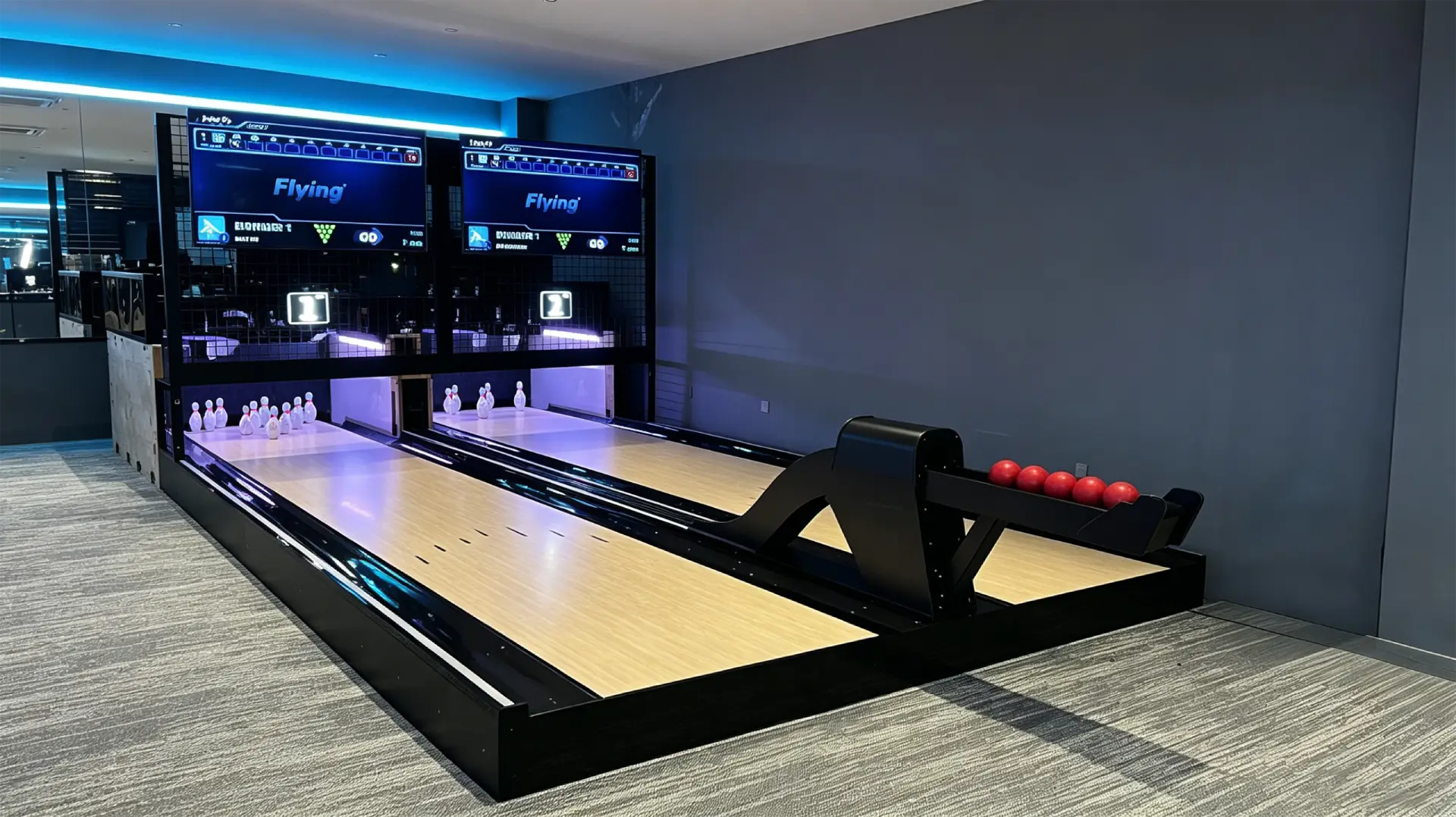
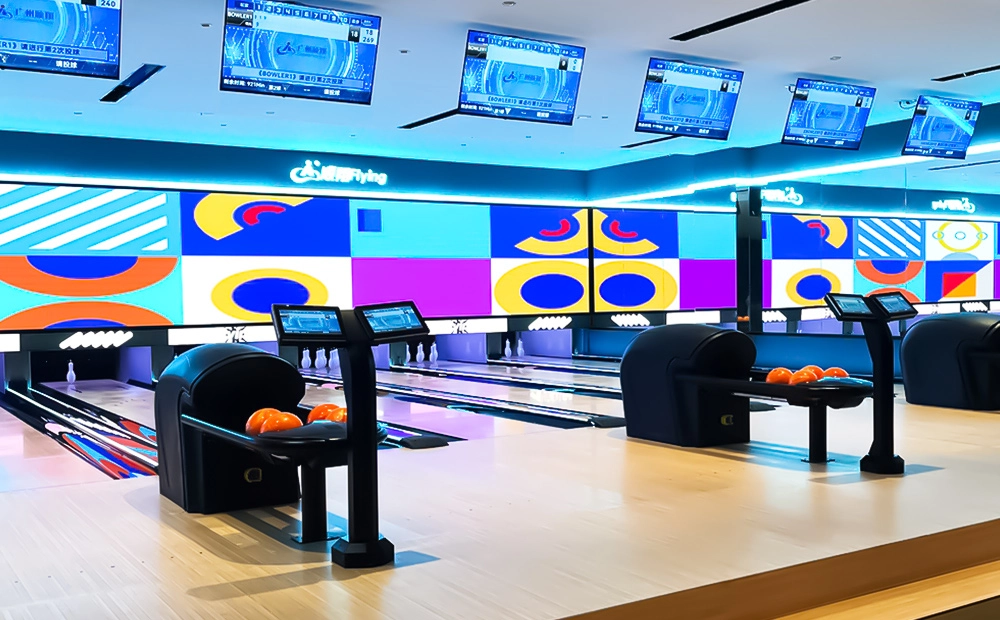
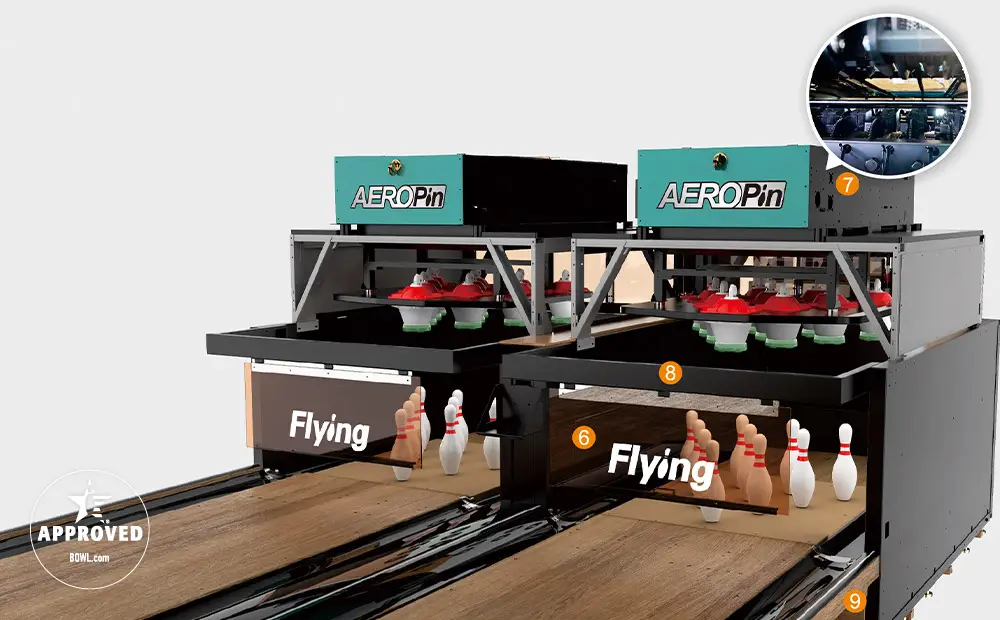
Explore Flying Bowling's bowling solutions or contact our team if you are planning a commercial bowling project.
Explore Bowling Solutions Discuss Your Project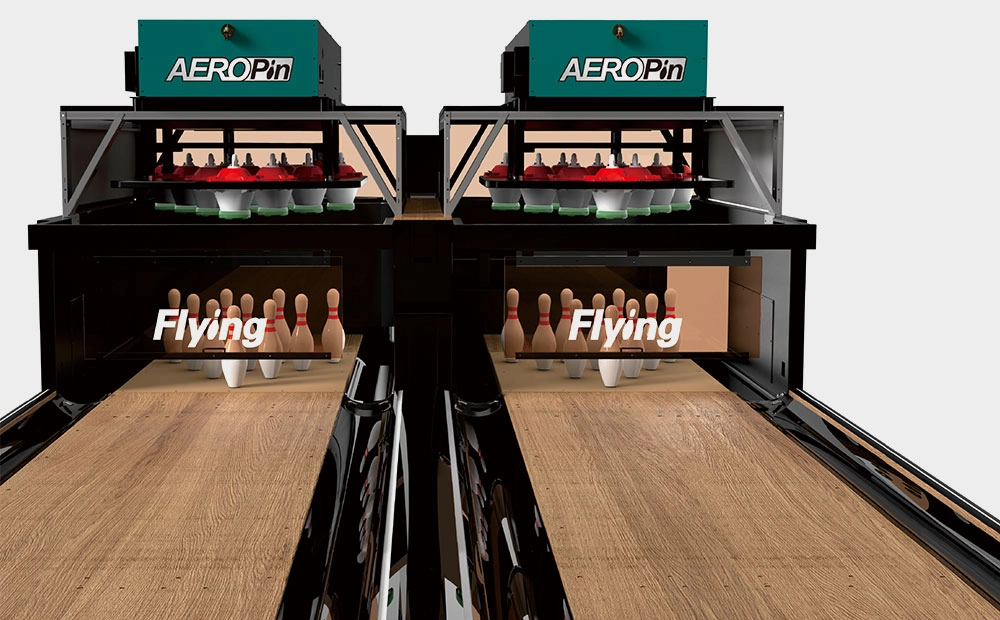


Flying Bowling
Flying Bowling
Flyingbowling
Flyingbowling
Flyingbowling