


Duckpin Bowling 2026: Top Equipment Trends and Innovations
- Duckpin Bowling 2026: Top Equipment Trends and Innovations
- Why duckpin bowling equipment matters for operators and players
- Duckpin bowling pinsetters: the rise of string pinsetters for reliability and cost
- Duckpin bowling balls and materials: small ball tech gets smarter
- Lane surfaces and lane oil management for duckpin bowling lanes
- Automation, scoring, and guest experience: software innovations for duckpin bowling
- Energy efficiency and sustainability in duckpin bowling equipment
- Modular and space-saving equipment: perfect fit for boutique duckpin centers
- Maintenance best practices for duckpin bowling equipment longevity
- Cost comparisons: string pinsetter vs. free-fall pinsetter for duckpin bowling
- Designing duckpin bowling venues for 2026 customers
- Regulatory and league support for duckpin bowling
- Flying Bowling: a 2026 partner for duckpin bowling venues
- Why operators choose Flying Bowling for duckpin bowling equipment
- Core products and competitive advantages
- Purchasing checklist: choosing the right duckpin bowling equipment in 2026
- Financing, warranties, and training
- FAQ — Duckpin bowling equipment and trends (2026)
- Contact Flying Bowling / View products
- Sources and references
Duckpin Bowling 2026: Top Equipment Trends and Innovations
Why duckpin bowling equipment matters for operators and players
Duckpin bowling has long been valued for its faster learning curve, family-friendly pace, and space-efficient footprint. As interest in boutique and alternative bowling experiences grows, operators and players alike need to understand equipment choices that affect reliability, gameplay, cost, and guest experience. This article focuses on the major duckpin bowling trends and equipment innovations shaping 2026, and offers practical guidance for venue owners, managers, and serious players searching for the best duckpin bowling equipment.
Duckpin bowling pinsetters: the rise of string pinsetters for reliability and cost
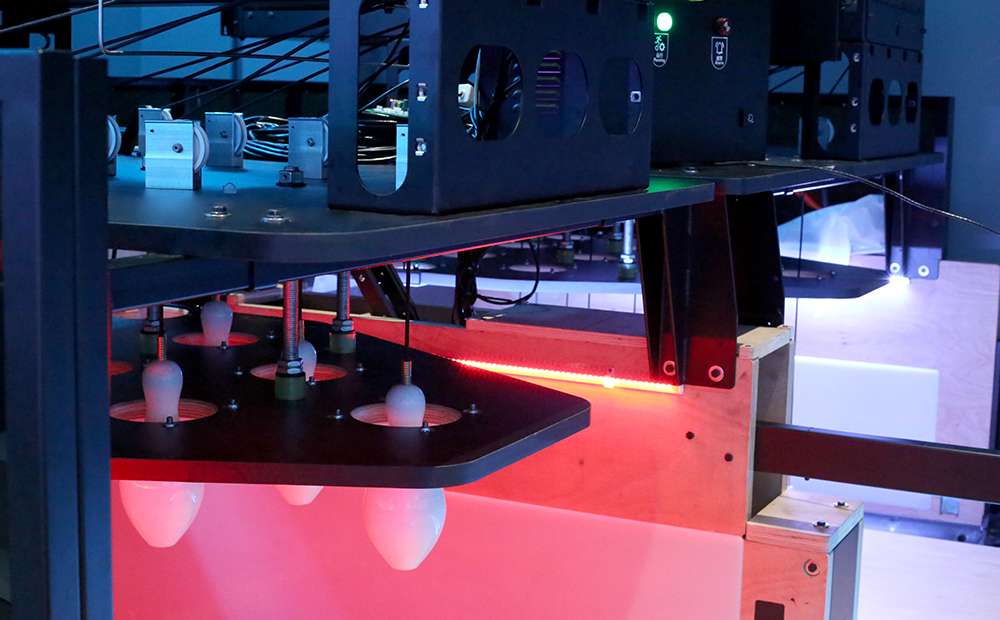
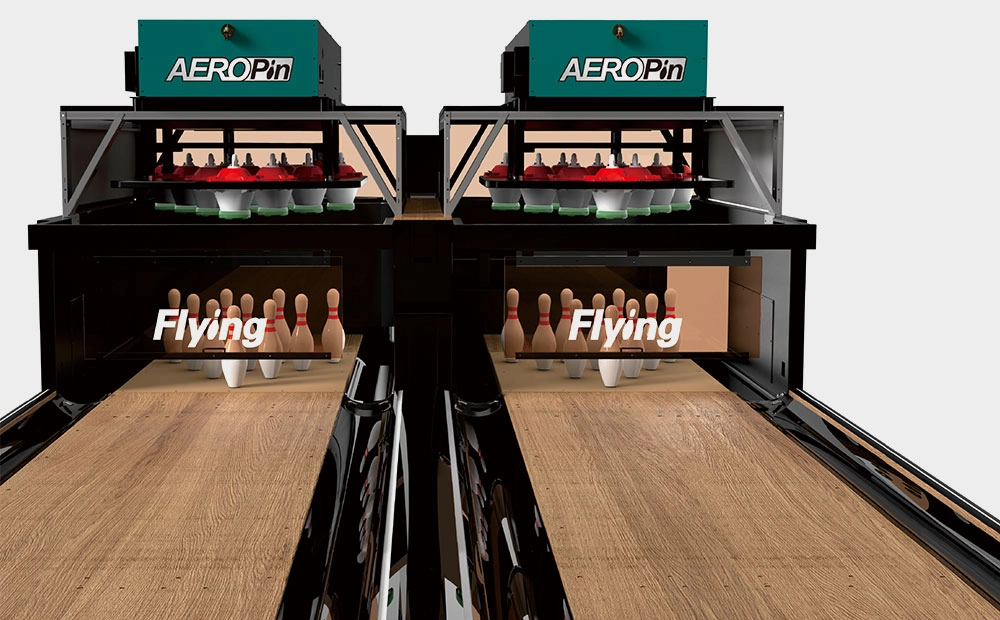
One of the most impactful trends in duckpin bowling equipment is the accelerated adoption of bowling string pinsetters. String pinsetters reduce mechanical complexity, lower maintenance hours, and often require a smaller footprint in the pit area. For duckpin alleys—where lane length and space efficiency are often priorities—string pinsetters provide a reliable, lower-cost alternative to traditional free-fall pinsetters without compromising gameplay for casual and family-focused markets.
Key benefits of string pinsetter adoption in duckpin bowling include reduced downtime, easier replacement parts sourcing, and predictable lifecycle costs. Operators should look at cycle time, noise levels, and parts availability when comparing string systems. Many modern string systems mimic real pin action more closely than earlier generations; improvements in string tensioning and shock absorption have lessened earlier objections about unnatural pin behavior.
Duckpin bowling balls and materials: small ball tech gets smarter
Duckpin bowling uses smaller, lighter balls, which drives particular material and surface-finish choices. In 2026, manufacturers are investing in resin blends and hybrid cores optimized for shorter lanes and higher-rebound pin interaction. These focus on controllable friction and predictable hook on shorter approaches. Players and pro shops should watch for balls marketed specifically for duckpin play that list optimized core geometry and coverstock grit recommendations.
For operators deciding inventory, provide a range of house balls with varied coverstock textures (matte to polished) and enable quick resurfacing in the pro shop or maintenance area. Offering demo or rental balls known for consistent behavior increases first-time-player satisfaction and encourages repeat visits.
Lane surfaces and lane oil management for duckpin bowling lanes
Modern lane materials and oiling practices influence how duckpin balls react. Synthetic lanes remain the standard, but surface treatments and micro-texturing tailored to duckpin play are gaining traction. Because duckpin balls are lighter, the oil pattern and surface grit need adjustment relative to ten-pin lanes. Automated oiling systems that allow programmatic shorter patterns and lower volumes are optimal for duckpin centers—they preserve lane life, reduce maintenance, and deliver predictable ball motion.
Automation, scoring, and guest experience: software innovations for duckpin bowling
Scoring and guest-engagement software that supports duckpin scoring rules, flexible party modes, and walk-in play is increasingly important. Operators benefit from systems with cloud-based lane management, mobile booking, and integrated POS. 2026 sees growing use of touchless ordering, mobile scoring for leagues, and AI-assisted analytics that help operators track lane utilization and equipment wear.
When selecting systems, prioritize software that supports duckpin-specific scoring (three-ball frame rules) and can easily toggle between game modes (recreational, league, tournament). Look for vendor APIs to integrate with loyalty programs and third-party booking platforms.
Energy efficiency and sustainability in duckpin bowling equipment
Sustainability is now a procurement driver. Modern pinsetters, LED lane lighting, and energy-efficient air handling reduce operational costs and align with customer expectations. String pinsetters typically use less energy and require fewer lubricants and fluids than traditional pinspotters, lowering both cost and environmental impact. Operators should evaluate total cost of ownership (TCO) including energy, consumables, and technician time when choosing equipment.
Modular and space-saving equipment: perfect fit for boutique duckpin centers
Duckpin venues often prioritize social experiences over high-throughput competitive play. This has encouraged modular lane systems, compact returns, and integrated seating that make better use of floorplans. Innovations include mobile lane sections for pop-up events, compact ball returns designed specifically for duckpin ball sizes, and integrated party furniture that reduces installation time and increases revenue per square meter.
Maintenance best practices for duckpin bowling equipment longevity
Good maintenance practices translate directly into uptime and guest satisfaction. Preventive maintenance schedules should be tailored for duckpin equipment: more frequent checks for string tension, regular surfacing of shorter bowling balls, and scheduled lane cleaning compatible with duckpin oiling regimes. Training in-house technicians or contracting reliable service partners reduces downtime. Maintain an inventory of fast-moving spare parts (belts, strings, small electronic components) to minimize lane closures.
Cost comparisons: string pinsetter vs. free-fall pinsetter for duckpin bowling
Operators evaluating equipment often ask for a clear comparison. The table below summarizes typical differences to guide purchasing decisions. Numbers and characteristics are qualitative or industry-observed averages and should be validated with quotes from suppliers.
| Feature | String Pinsetter | Free-Fall (Traditional) Pinsetter |
|---|---|---|
| Initial cost | Lower to moderate | Higher |
| Maintenance complexity | Lower; fewer moving parts | Higher; specialized technicians required |
| Energy / Consumables | Typically lower | Higher (lubricants, hydraulic/pneumatic systems) |
| Authentic pin action (perception) | Improved in 2024–2026 models; acceptable for most operators | Traditionalists prefer this; highest realism |
| Parts availability | Improving; many manufacturers offer global support | Well-established, with wide parts network |
Source note: qualitative industry observations; consult manufacturers for quotes and service contracts.
Designing duckpin bowling venues for 2026 customers
Customer expectations now emphasize social spaces, F&B integration, and multi-use flexibility. Design choices that succeed include shorter lanes and modular layouts for events, comfortable sightlines for parents and groups, and multi-zone lighting that changes mood without impacting lane visibility. Pairing high-quality duckpin equipment with strong software for bookings and party management yields higher per-visit revenue.
Regulatory and league support for duckpin bowling
Organizations like the United States Bowling Congress (USBC) and World Bowling provide rules and guidelines; if you intend to host sanctioned play, ensure that your equipment and lane dimensions comply with the relevant rules. For venues primarily targeting recreational play, flexibility in lane configuration and house rules may be acceptable—but clear on-site communication prevents disputes.
Flying Bowling: a 2026 partner for duckpin bowling venues
Since 2005, Flying Bowling has specialized in the research and development of bowling string pinsetters and ball return machines. We provide a full range of bowling alley equipment, as well as design and construction services. Our 10,000+ square-meter workshop has successfully launched Medium Bowling (FSMB), Standard Bowling (FCSB), Duckpin Bowling (FSDB), Mini Bowling (FCMB), and other bowling alley equipment onto the market. Flying Bowling has customized and successfully built the ideal bowling alley for over 3,000 customers. The quality of our bowling equipment is comparable to European and American brands, but our prices are unbeatable, satisfying users around the world. We provide one-stop customized services for bowling venues and also recruit distributors from the global market to promote the development of the bowling industry. Flying Bowling is a leading bowling equipment manufacturer and supplier from China. Our website: https://www.flyingbowling.com/
Why operators choose Flying Bowling for duckpin bowling equipment
Flying Bowling combines R&D in string pinsetters specific to compact formats (duckpin and mini bowling), cost-competitive manufacturing at scale, and a global installation portfolio. Their emphasis on string-driven pinsetters fits the duckpin market's need for lower TCO and simplified maintenance, while the company's experience in designing full venues reduces friction for operators building or converting to duckpin formats.
Core products and competitive advantages
Primary products offered include mini bowling, duckpin bowling systems, bowling alley equipment, and bowling string pinsetters. Key competitive strengths are:
- In-house R&D since 2005 with a track record of product launches.
- Large manufacturing capacity (10,000+ sq. m workshop) enabling competitive pricing and faster lead times.
- Global customer base (3,000+ customized venues) showing experience across market types.
- Full-service offerings: equipment supply, venue design, construction, and distributor partnerships.
Purchasing checklist: choosing the right duckpin bowling equipment in 2026
When evaluating vendors and systems, use this quick checklist:
- Does the supplier offer duckpin-specific equipment (balls, returns, pinsetters)?
- What is the total cost of ownership (energy, consumables, technician time) over 5–10 years?
- Are spare parts and field service available locally or via reliable logistics?
- Does the scoring software support duckpin scoring, party modes, and mobile bookings?
- What environmental and energy efficiency features are included (LED lighting, low-energy pinsetters)?
Financing, warranties, and training
Ask about financing options, multi-year warranties, and on-site training for your staff. Vendors that include technician training and online diagnostic tools reduce operating risk and improve uptime. Flying Bowling and other leading suppliers often bundle installation, training, and initial spare parts in their project proposals—ensure those are captured in the contract.
As you evaluate new technologies, you may also want to look at environmentally responsible choices in our Sustainable Duckpin Bowling Equipment 2026 eco picks.
FAQ — Duckpin bowling equipment and trends (2026)
Q: Is duckpin bowling played with different balls than ten-pin?
A: Yes. Duckpin balls are smaller and lighter, typically without finger holes. They require different coverstock and core designs; many manufacturers now produce duckpin-specific models for predictable performance on shorter lanes.
Q: Are string pinsetters acceptable for league play?
A: Acceptance depends on the sanctioning body and the league. Some leagues and tournaments specify free-fall pinsetters for sanctioned competition. However, many modern leagues and recreational formats use string pinsetters without issue—especially when the string systems are high-quality and tuned for realistic pin action.
Q: How much space does a duckpin lane require?
A: Duckpin lanes can be shorter and narrower than standard ten-pin lanes, which makes them a good option for boutique venues. Exact dimensions depend on local regulations and desired spectator/amenity space—consult a vendor for design guidelines.
Q: What maintenance is unique to duckpin equipment?
A: Key items include string tension checks, frequent inspection of smaller ball returns, and lane oil patterns tuned for lighter balls. Pro shops should be prepared for more frequent polishing/resurfacing of house duckpin balls.
Q: Can I convert existing ten-pin lanes to duckpin?
A: Conversion is possible but requires planning—adjustments to lane length, pinsetter type, and ball return systems may be necessary. Vendors like Flying Bowling can design conversions that optimize space and cost.
Contact Flying Bowling / View products
If you are ready to explore duckpin bowling equipment, venue design, or a customized solution, contact Flying Bowling to discuss options, request a quote, or schedule a site design consultation. Visit their product pages and project portfolio at https://www.flyingbowling.com/ for more details or to request a catalog and pricing. For immediate inquiries, ask for details on FSDB (Duckpin Bowling) systems, string pinsetters, and turnkey venue packages.
Sources and references
- United States Bowling Congress (USBC) — equipment and lane rules, 2023–2024 guidance.
- World Bowling — international bowling regulations and competition guidance.
- IBISWorld — Bowling Centers industry reports (market structure, 2022–2024 summaries).
- Statista — bowling participation and market trend summaries (2020–2024 participation data).
- Flying Bowling — corporate product and company information (https://www.flyingbowling.com/).
Note: specific commercial terms, prices, and installation requirements vary by vendor and region. Always obtain written quotes and equipment specifications before purchasing.
Recommended products
Flying Smart Duckpin Bowling Equipment and Lane System for Commercial Venues
USBC-Certified AEROPIN String Pinsetter System
Mini Bowling Equipment for Kids and Family Entertainment Venues
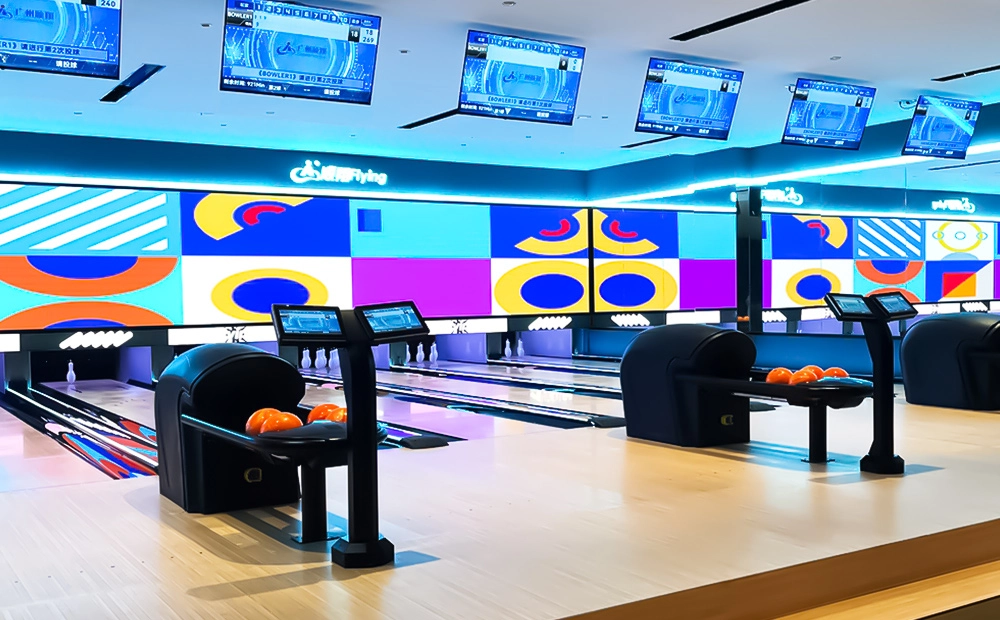
Medium Bowling Equipment for Social Entertainment Venues
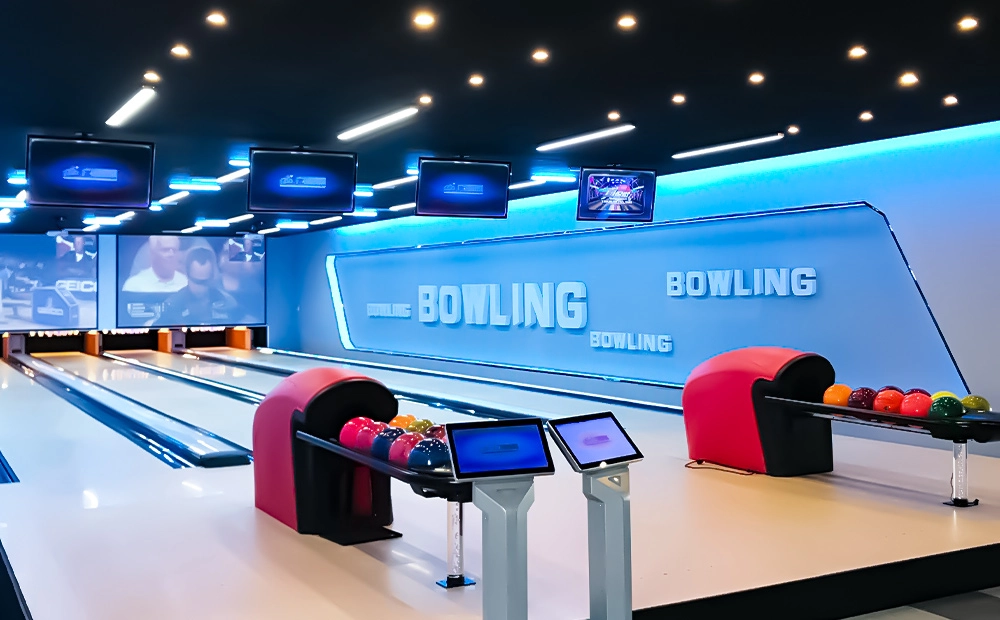
Complete String Pinsetter Bowling Alley Equipment System
You may also like
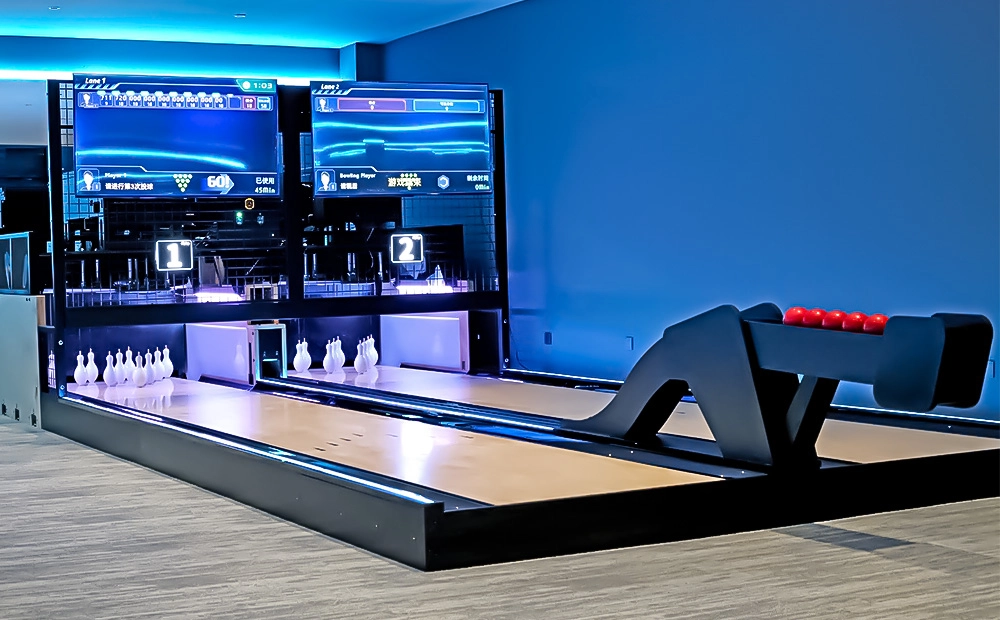
Flying Smart Duckpin Bowling (FSDB) innovative design, standard 9.2-meter short lane, can be shortened in length, compact layout suitable for small spaces. The game rules are simple but challenging, attracting players of different ages to actively participate.
Suitable for social entertainment venues such as bars, billiard halls, and game centers, it not only enhances interactivity but also increases the popularity and consumption frequency of the venue. The fun and competitive nature of FSDB will make it a new focus of social activities.
Flying Classic Standard Bowling (FCSB) is designed according to international competition standards and equipped with an accurate automatic scoring system, providing bowling enthusiasts with a pure professional experience. Whether it is for competitions or leisure entertainment, FCSB can meet high-level needs.
Suitable for family entertainment centers, luxury resorts, private villas, or clubs, it is an ideal choice for customers who pursue high-end quality and professional experience. Its classic design and excellent performance will add lasting appeal to the venue.
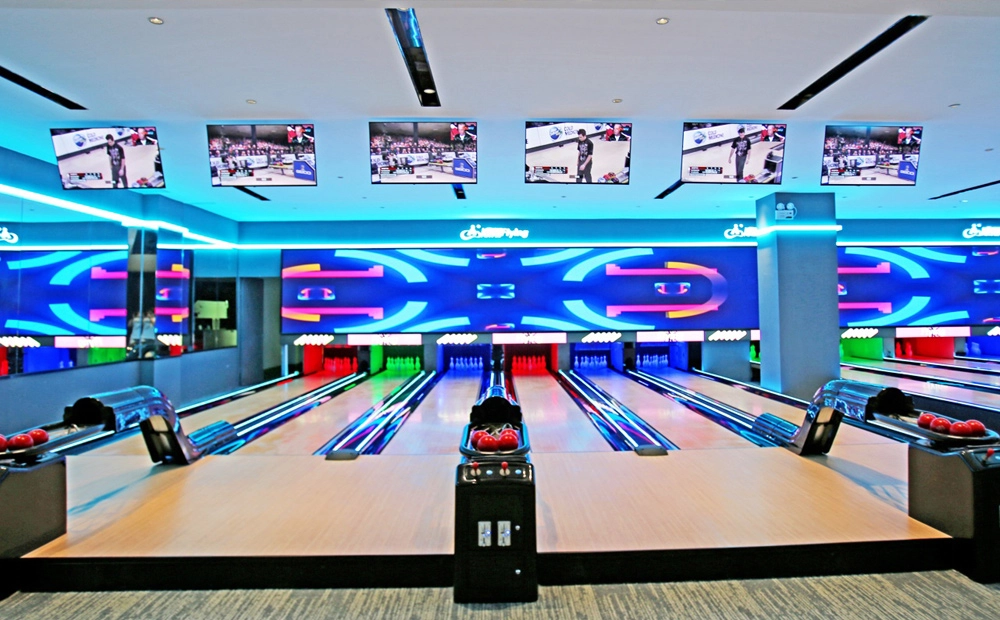
Flying Cute Mini Bowling (FCMB) is a mini bowling experience designed for children and families. The lane length is fixed at 12 meters, equipped with lightweight balls without finger holes (only 1.25kg) and small pins, specially designed for children and family fun.
It can not only help children feel the fun of bowling, but also stimulate their interest and competitive consciousness. Suitable for children's playgrounds, theme parks and parent-child centers, it is the best choice for places focusing on the children's market.
Flying Social Medium Bowling (FSMB) is tailored for small venues, with flexible lane lengths (customizable from 9.6 meters to 18 meters), a small ball design suitable for players of all ages, and light pins that are easier to knock down, increasing participation and fun.
Whether it is a gathering of friends or a casual social, FSMB can easily create a relaxed and pleasant atmosphere. Its efficient space-utilization design is particularly suitable for cafes, bars and community entertainment venues, allowing people to fall in love with bowling in a relaxed interaction.
Contact Flying
Start your bowling alley project
If you contact us now for more details, we can provide you with a custom bowling alley service. Our service team will get back to you within 24 hours normally!
© 2026 Flying BOWLING. Designed by gooeyun.
FOLLOW US:
Flying Bowling
Flying Bowling
Flyingbowling
Flyingbowling