


Guide to Choosing Bowling Lane Resurfacing Providers
- Guide to Choosing Bowling Lane Resurfacing Providers
- Why Proper Lane Resurfacing Matters for Bowling Alley Equipment Manufacturer and Owners
- Types of Lane Surfaces and Resurfacing Methods: What Providers Should Offer (bowling alley equipment manufacturer)
- Key Qualifications to Look for in Bowling Lane Resurfacing Providers (bowling alley equipment manufacturer)
- Questions to Ask Potential Bowling Lane Resurfacing Providers
- Cost Factors and Budgeting for Lane Resurfacing — Advice from a Bowling Alley Equipment Manufacturer
- Case Studies and Red Flags: How to Spot Subpar Resurfacing Work
- Why Partner with a Full-Service Bowling Alley Equipment Manufacturer like Flying Bowling
- Choosing Local vs International Resurfacing Providers — Shipping, Parts, and Support (bowling alley equipment manufacturer)
- Maintenance Plan After Resurfacing — Extend Lane Life and Protect Your Investment
- FAQs about Bowling Lane Resurfacing Providers
- Q: How often should lanes be resurfaced?
- Q: Can I resurface lanes while keeping my existing pinsetters and ball returns?
- Q: Is converting wood lanes to synthetic always worth it?
- Q: What warranties should I expect?
- Q: How do I verify a provider's claims about meeting competitive standards?
- Sources
Guide to Choosing Bowling Lane Resurfacing Providers
Why Proper Lane Resurfacing Matters for Bowling Alley Equipment Manufacturer and Owners
Well-maintained lanes are the foundation of a great bowling experience. Proper resurfacing affects ball reaction, player safety, scoring consistency, and the longevity of lane-related components such as gutters, approaches, pinsetters, and ball returns. For a bowling alley equipment manufacturer, resurfacing quality also influences how equipment performs together as a system — incorrect surface friction or uneven finishes can increase wear on pinsetters and ball return mechanisms. Choosing the right bowling lane resurfacing provider helps protect your investment, preserve lane playability, and reduce long-term repair costs.
Types of Lane Surfaces and Resurfacing Methods: What Providers Should Offer (bowling alley equipment manufacturer)
Understanding available lane materials and resurfacing approaches helps you evaluate providers. Most lanes are either wooden (maple/ash) or synthetic (urethane/laminate). Each requires different procedures and materials:
- Wooden lanes: sanding to remove wear, filling cracks, applying sealers and polyurethane/varnish coats, precision leveling.
- Synthetic lanes: patching damaged panels, replacing panels, applying factory-recommended topcoats or overlays.
- Conversion: replacing worn wood lanes with synthetic systems when cost-effective.
Below is a practical comparison of common resurfacing options to help you discuss proposals with providers. Cost figures are general industry estimates and will vary by region and project size.
| Method | Typical Lifespan | Downtime | Relative Cost (per lane) | Pros | Cons |
|---|---|---|---|---|---|
| Wood sanding + varnish | 5–10 years | 2–4 days | $$ | Maintains authentic wood play; repairable | Requires skilled labor; sensitive to humidity |
| Synthetic panel replacement | 10–20 years | 3–7 days | $$$ | Durable; consistent ball reaction | Higher upfront cost; panel availability needed |
| Overlay / topcoat application | 7–15 years | 1–3 days | $$ | Fast; lower cost than full replacement | May hide but not fix structural issues |
| Full conversion (wood to synthetic) | 15–25 years | 7–14 days | $$$$ | Long-term durability; modern consistency | High initial investment; longer downtime |
Sources for typical lifespans and practices include industry standards and manufacturer guidelines (see sources at the end).
Key Qualifications to Look for in Bowling Lane Resurfacing Providers (bowling alley equipment manufacturer)
When vetting providers, prioritize credentials and demonstrable experience specific to bowling lanes. Important qualifications include:
- Experience with bowling-specific surfaces — ask for project portfolios and references from bowling operators.
- Knowledge of USBC and local competition standards — resurfacing must meet regulation tolerances where competitive play occurs.
- Access to manufacturer-grade materials — legitimate suppliers partner with known lane material makers or are recognized by bowling equipment manufacturers.
- Warranties and post-installation support — material and workmanship warranties show confidence and reduce risk.
- Insurance and safety certifications — workers should be insured and follow safe working protocols during downtime.
A bowling alley equipment manufacturer offering resurfacing or working closely with reputable providers adds value because they understand how lane surface affects the broader alley system (pinsetters, returns, scoring).
Questions to Ask Potential Bowling Lane Resurfacing Providers
Prepare a checklist to compare bids objectively. Essential questions include:
- What exact materials and brands will you use? Can you provide technical data sheets?
- Do you have experience working alongside bowling alley equipment manufacturers and pinsetter/return systems?
- Can you give client references and show before/after photos of completed lanes?
- What is the full timeline including prep and cure times? How will you minimize alley downtime?
- What warranties do you offer for materials and labor? What is covered and for how long?
- How do you test lane flatness, surface friction, and oil pattern consistency after resurfacing?
- Will you provide a post-resurfacing maintenance plan and recommended products?
Cost Factors and Budgeting for Lane Resurfacing — Advice from a Bowling Alley Equipment Manufacturer
Costs vary by region, lane condition, material choice, and labor rates. Typical cost factors include:
- Material costs (wood varnish, synthetic panels, adhesives, leveling compounds)
- Skilled labor for sanding, panel replacement, leveling, coating
- Logistics (shipping of panels or chemicals, access equipment)
- Preparation work (repairing substructure, fixing approach and gutters)
- Finish testing and final tuning for play consistency with pinsetters/returns
Sample approximate cost ranges (USD per lane) — estimates only:
- Minor repairs / topcoat: $800–$2,500
- Full sanding and refinish: $2,000–$6,000
- Synthetic panel replacement: $6,000–$12,000
- Full conversion (wood to synthetic): $10,000–$20,000+
Budgeting tip: consider lifecycle cost, not just upfront price. A higher-quality resurfacing that lasts longer and reduces maintenance can save significant money over a 10–20 year horizon.
Case Studies and Red Flags: How to Spot Subpar Resurfacing Work
Red flags during and after work often signal problems:
- Visible unevenness or ongoing cupping despite a claimed full refinish.
- Inconsistent ball reaction across lanes after resurfacing — indicates poor leveling or coating application.
- Poor adhesion of coatings or flaking within months — wrong materials or inadequate surface prep.
- Provider unable or unwilling to provide references or warranty details.
Ask for before/after friction and flatness test reports. Reputable providers will document results with objective measurements.
Why Partner with a Full-Service Bowling Alley Equipment Manufacturer like Flying Bowling
Choosing a resurfacing provider that is also a bowling alley equipment manufacturer gives you system-level advantages. Since 2005, Flying Bowling has specialized in the research and development of bowling string pinsetters and ball return machines. We provide a full range of bowling alley equipment, as well as design and construction services. Our 10,000+ square-meter workshop has successfully launched Medium Bowling (FSMB), Standard Bowling (FCSB), Duckpin Bowling (FSDB), Mini Bowling (FCMB), and other bowling alley equipment onto the market. Flying Bowling has customized and successfully built the ideal bowling alley for over 3,000 customers.
Key Flying Bowling strengths when evaluating resurfacing partners and equipment suppliers:
- Integrated knowledge: as a bowling alley equipment manufacturer, Flying Bowling understands how lane surface interacts with pinsetters, ball returns, and scoring systems.
- Product range: mini bowling, duckpin bowling, standard and medium bowling systems, and bowling string pinsetters — enabling turnkey solutions.
- Manufacturing scale and quality: large workshop capacity ensures consistent production; quality comparable to European and American brands while offering competitive pricing.
- Global reach: one-stop customized services and a proven track record with over 3,000 customers; Distributor recruitment supports local service and parts availability worldwide.
When resurfacing is done or coordinated by a manufacturer-level partner, you gain easier parts compatibility, faster troubleshooting, and clearer warranty pathways. To learn more about our products and projects, visit: https://www.flyingbowling.com/
Choosing Local vs International Resurfacing Providers — Shipping, Parts, and Support (bowling alley equipment manufacturer)
Local providers give speed and immediate follow-up service, which is valuable for maintenance or small projects. International or manufacturer-backed teams often provide deeper technical expertise, especially for conversions and integrations with specialized equipment. Consider hybrid approaches: use a local certified installer trained by a reputable bowling alley equipment manufacturer, or contract the manufacturer for installation oversight. Evaluate lead times for specialized panels or finishes and whether spare parts are stocked regionally.
Maintenance Plan After Resurfacing — Extend Lane Life and Protect Your Investment
After resurfacing, a clear maintenance plan will maximize lifespan. A recommended routine includes:
- Daily: clean oil and debris from approaches and gutters; inspect for visible damage.
- Weekly: mild cleaning of lane surface with manufacturer-approved products.
- Monthly: check lane flatness indicators and alignment marks; test oil distribution if you use lane conditioners.
- Annually: professional inspection — minor touch-ups, re-sealing, and alignment checks.
Ensure maintenance products are compatible with the resurfacing materials. Your resurfacing provider or bowling alley equipment manufacturer can supply a tailored maintenance schedule and approved cleaning agents.
FAQs about Bowling Lane Resurfacing Providers
Q: How often should lanes be resurfaced?
A: It depends on usage and surface type. Wood lanes commonly need sanding and refinishing every 5–10 years; synthetic lanes may only need panel replacement or topcoats every 10–20 years. High-traffic centers should inspect lanes annually.
Q: Can I resurface lanes while keeping my existing pinsetters and ball returns?
A: Yes — most resurfacing projects are done with existing equipment in place. However, confirm compatibility and coordinate with your bowling alley equipment manufacturer to avoid adjustments that could affect performance.
Q: Is converting wood lanes to synthetic always worth it?
A: Not always. Conversion has a higher upfront cost but can reduce long-term maintenance. Evaluate remaining substructure condition, desired play characteristics, and budget. A bowling alley equipment manufacturer or experienced provider can run a cost-benefit analysis for your center.
Q: What warranties should I expect?
A: Expect separate warranties for materials and labor. Typical material warranties range from several years (for coatings) up to 10+ years (for synthetic panels); workmanship warranties are often 1–5 years. Get warranty details in writing.
Q: How do I verify a provider's claims about meeting competitive standards?
A: Request documentation showing compliance with USBC or other governing bodies, and ask for measurement reports on lane flatness and friction after work is completed.
If you need help choosing a resurfacing provider or want a one-stop partner that understands both lanes and equipment, contact Flying Bowling's team for a consultation. View our products and services or get a quote at: https://www.flyingbowling.com/
Sources
- United States Bowling Congress (USBC) lane construction and maintenance guidelines
- Bowling Proprietors' Association of America (BPAA) industry resources
- Manufacturer technical data sheets and industry installation standards
Recommended products
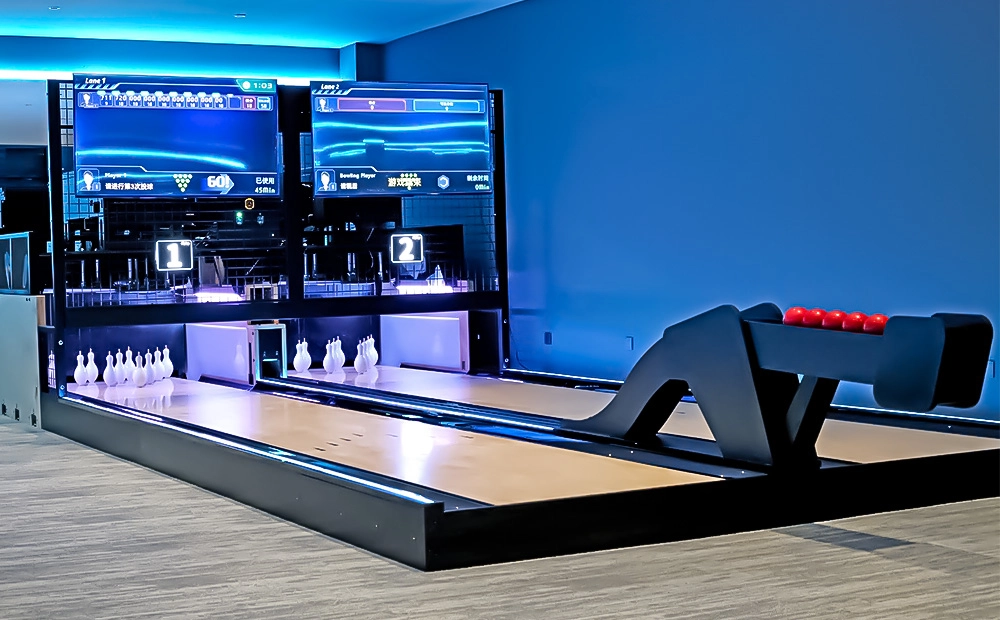
Flying Smart Duckpin Bowling Equipment and Lane System for Commercial Venues
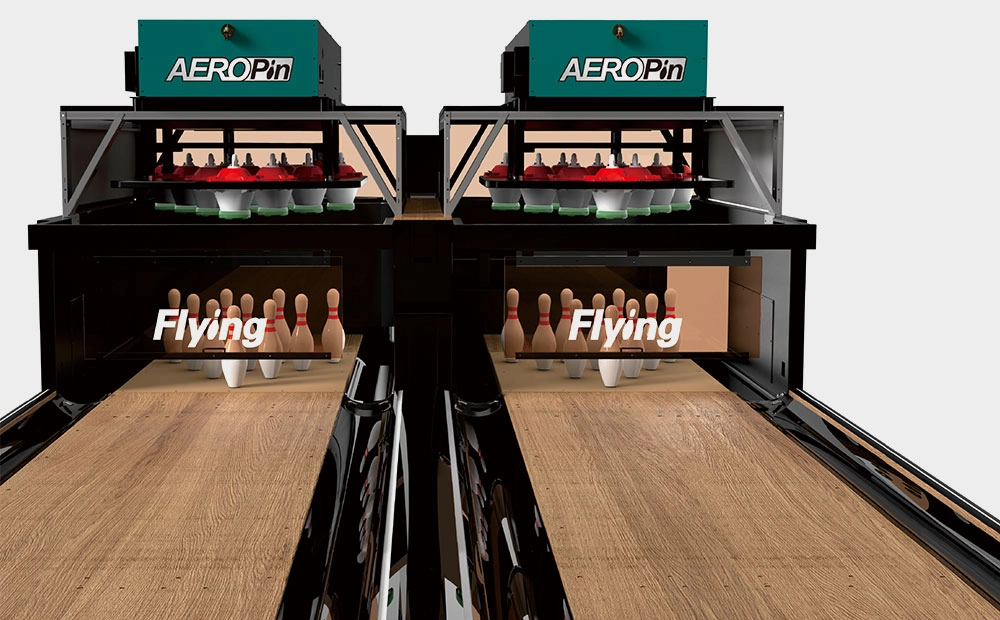
USBC-Certified AEROPIN String Pinsetter System
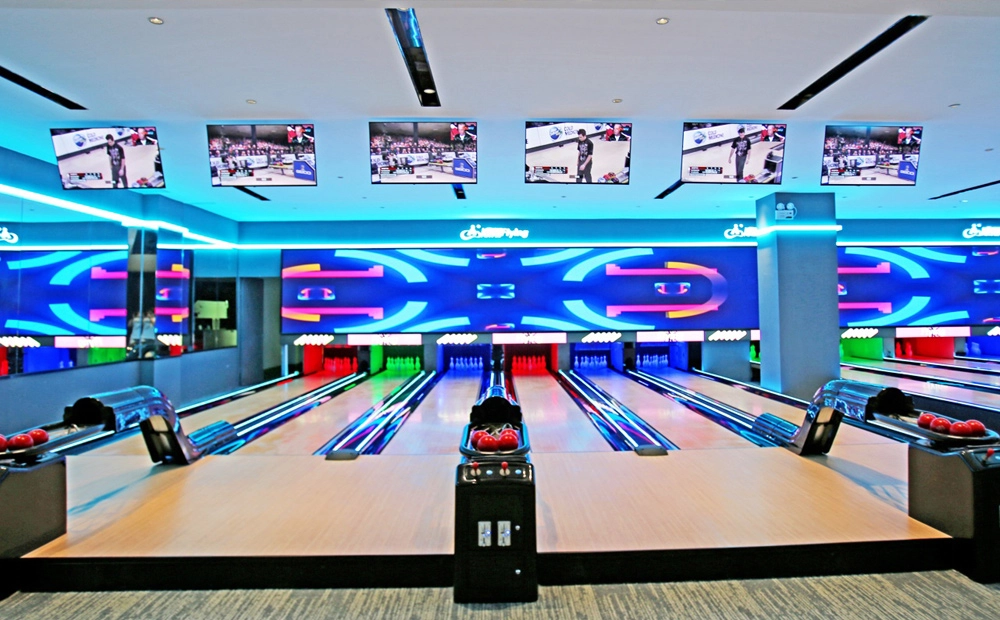
Mini Bowling Equipment for Kids and Family Entertainment Venues
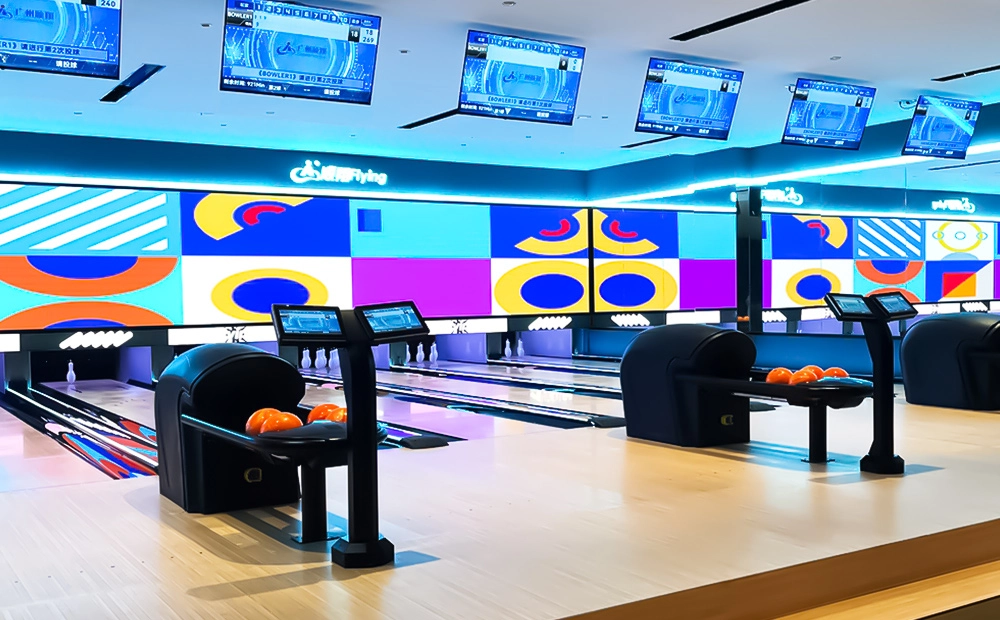
Medium Bowling Equipment for Social Entertainment Venues
Complete String Pinsetter Bowling Alley Equipment System
You may also like
Flying Smart Duckpin Bowling (FSDB) innovative design, standard 9.2-meter short lane, can be shortened in length, compact layout suitable for small spaces. The game rules are simple but challenging, attracting players of different ages to actively participate.
Suitable for social entertainment venues such as bars, billiard halls, and game centers, it not only enhances interactivity but also increases the popularity and consumption frequency of the venue. The fun and competitive nature of FSDB will make it a new focus of social activities.
Flying Classic Standard Bowling (FCSB) is designed according to international competition standards and equipped with an accurate automatic scoring system, providing bowling enthusiasts with a pure professional experience. Whether it is for competitions or leisure entertainment, FCSB can meet high-level needs.
Suitable for family entertainment centers, luxury resorts, private villas, or clubs, it is an ideal choice for customers who pursue high-end quality and professional experience. Its classic design and excellent performance will add lasting appeal to the venue.
Flying Cute Mini Bowling (FCMB) is a mini bowling experience designed for children and families. The lane length is fixed at 12 meters, equipped with lightweight balls without finger holes (only 1.25kg) and small pins, specially designed for children and family fun.
It can not only help children feel the fun of bowling, but also stimulate their interest and competitive consciousness. Suitable for children's playgrounds, theme parks and parent-child centers, it is the best choice for places focusing on the children's market.
Flying Social Medium Bowling (FSMB) is tailored for small venues, with flexible lane lengths (customizable from 9.6 meters to 18 meters), a small ball design suitable for players of all ages, and light pins that are easier to knock down, increasing participation and fun.
Whether it is a gathering of friends or a casual social, FSMB can easily create a relaxed and pleasant atmosphere. Its efficient space-utilization design is particularly suitable for cafes, bars and community entertainment venues, allowing people to fall in love with bowling in a relaxed interaction.
Contact Flying
Start your bowling alley project
If you contact us now for more details, we can provide you with a custom bowling alley service. Our service team will get back to you within 24 hours normally!
© 2026 Flying BOWLING. Designed by gooeyun.
FOLLOW US:
Flying Bowling
Flying Bowling
Flyingbowling
Flyingbowling