

Setting up a bowling alley involves significant investment, with costs varying based on location, scale, and equipment choices. Below, we address common questions to guide your decision-making process.
Understanding Bowling Lane and Scoring Equipment Costs
1. What are the construction costs for a bowling alley?
Building a bowling alley requires substantial investment, with costs influenced by location, size, and design complexity. Factors such as land acquisition, construction materials, and labor contribute to the overall expense. Additionally, considerations like parking facilities, restrooms, and dining areas can further impact the budget.
2. How much do bowling lanes cost to install?
The installation of bowling lanes involves expenses for materials, labor, and equipment. High-quality wooden lanes are more expensive than synthetic alternatives. The choice between traditional free-fall pinsetters and newer string pinsetters also affects costs, with string pinsetters being less expensive and easier to maintain.
3. What is the cost of automatic scoring systems?
Automatic scoring systems, which have been standard in bowling centers since the 1970s, vary in price based on features and integration capabilities. Modern systems offer advanced analytics, player profiles, and integration with other entertainment options, influencing the overall cost.
4. What are the maintenance costs for bowling equipment?
Maintenance expenses include regular servicing of pinsetters, lane resurfacing, ball returns, and scoring systems. String pinsetters, for example, are known for their ease of maintenance, potentially reducing long-term costs.
5. Are there financing options available for purchasing bowling equipment?
Many equipment manufacturers and suppliers offer financing plans to assist with the upfront costs of purchasing bowling equipment. It's advisable to consult with suppliers like Flying Bowling to explore available financing options tailored to your needs.
6. How do technological advancements impact equipment costs?
Advancements in technology, such as the introduction of string pinsetters and advanced scoring systems, have influenced equipment costs. String pinsetters, for instance, are less expensive and easier to maintain, motivating bowling centers to phase them in.
7. What are the ongoing operational costs associated with a bowling alley?
Operational costs encompass staffing, utilities, insurance, and marketing. Efficient management and regular maintenance can help control these expenses.
8. How can I ensure a good return on investment for my bowling alley?
To achieve a favorable return on investment, focus on offering a high-quality customer experience, maintaining equipment, and implementing effective marketing strategies. Diversifying services, such as hosting events or offering food and beverage options, can also enhance revenue streams.
In conclusion, establishing a bowling alley requires careful planning and investment. Partnering with a reputable equipment manufacturer like Flying Bowling can provide access to quality products and expert guidance, ensuring a successful venture.
For more detailed information and personalized assistance, consider reaching out to Flying Bowling, a trusted manufacturer with experience in building ideal bowling alleys for over 3,000 customers. ((https://www.flyingbowling.com/bowling-alley-construction-and-equipment-costs-guide.html?utm_source=openai))
By addressing these key considerations, you can make informed decisions and set the foundation for a successful bowling alley operation.
Note: The information provided is based on available data and may vary depending on specific circumstances and locations.
Data sources:
Recommended
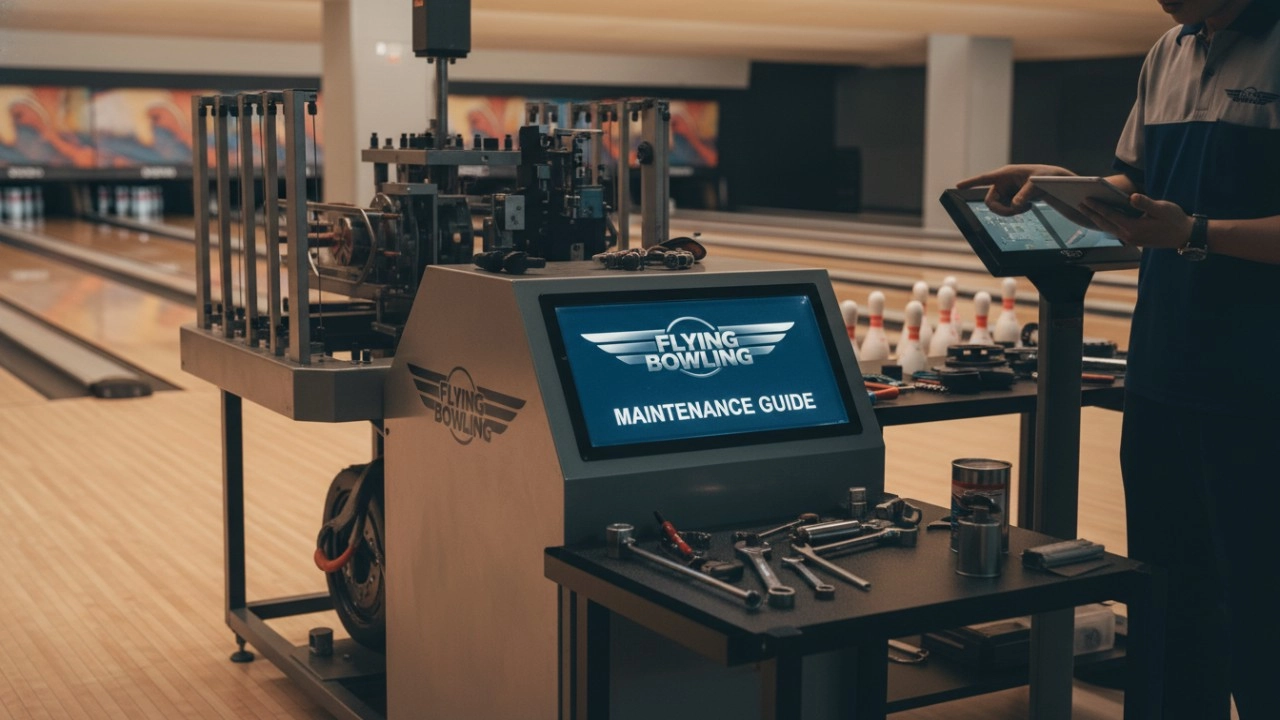
Master the upkeep of your bowling alley with our comprehensive 2026 Maintenance Guide for Commercial String Pinsetters. Learn expert troubleshooting, daily checklists, and how to maximize your ROI.
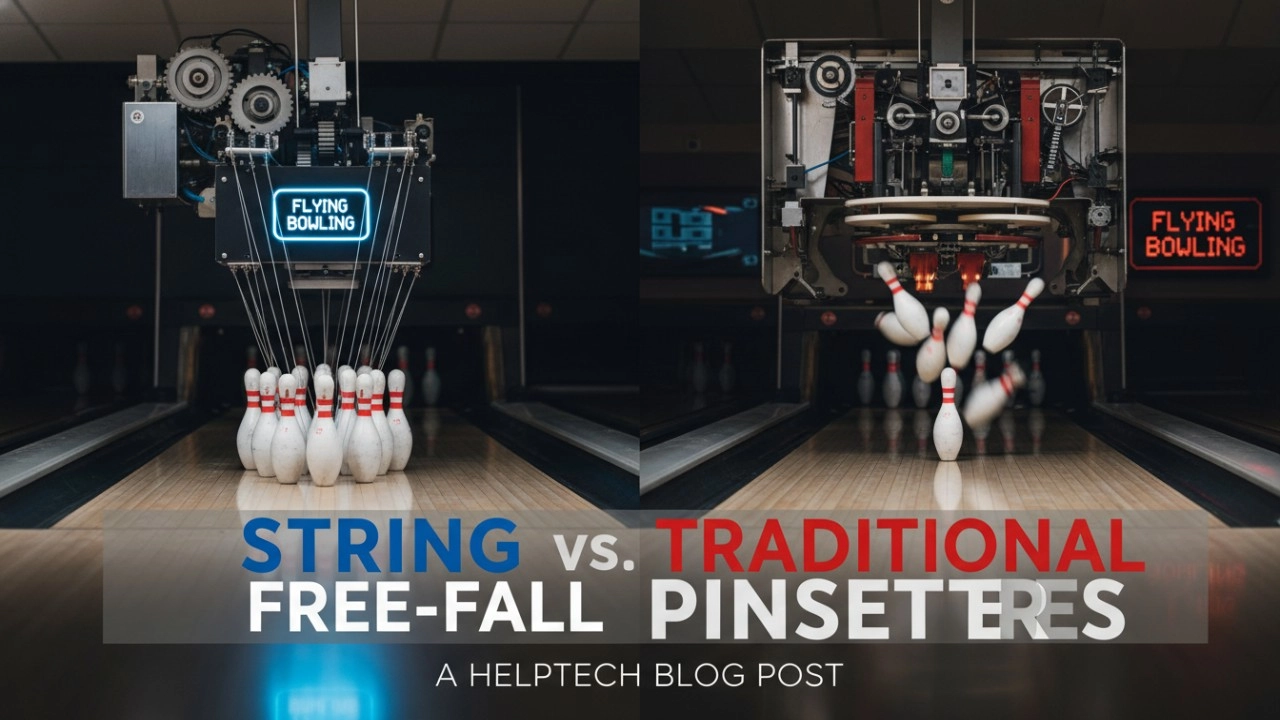
Explore the comprehensive 2026 analysis of string vs. traditional free-fall pinsetters. Learn how modern USBC-certified string technology reduces maintenance costs, solves labor shortages, and maximizes ROI for commercial bowling centers.
Bowling Equipment
Where to buy bowling equipment near me?
If you want to buy bowling equipment, please contact Guangzhou Flying. We will definitely provide you with the best service.
How much to put a bowling lane in your house?
Building a bowling alley in your house may seem very expensive. But at Flying, you can get top-quality bowling equipment from us at very affordable prices. You can have the fun of bowling at home without requiring a lot of money or effort.
How wide is the bowling lane?
We have four types of bowling lanes. The width of the 4 standard bowling lanes is 6.9 meters. The width of the 2 duckpin bowling lanes is 3.48 meters. The width of the four mini bowling lanes is 5.66 meters. The width of a single children's bowling lane is 0.9 meters.
Where to find bowling equipment?
You can search for Guangzhou Flying Bowling Co., Ltd. on Alibaba International Station and Google, and you can see different types of high-quality bowling equipment on our website. All bowling equipment-related information can be found on the website. If you have any questions, you can contact us at anytime.
How long is a mini bowling lane?
The length of the Mini Bowling Lane is about 13 meters. The fairway board area is about 7.6 meters. And the approach area is about 2.44 meters. The equipment maintenance area behind the lane requires a minimum of 1 meter.
Price
How much does it cost to put a bowling alley?
The cost of building a bowling alley can vary greatly depending on a number of factors, including:
- Number of lanes: This is obviously a big one. A single lane will cost much less than a whole alley with multiple lanes.
- Location: Building costs are higher in some areas than others. Building in a more populated area will likely be more expensive than a rural area.
- New construction vs. renovation: If you are adding a bowling alley to an existing building, you'll likely save money compared to building a whole new facility.
- Features: Do you want a high-end bowling alley with all the latest technology and amenities? Or are you looking for a more basic setup? The more features you want, the more expensive it will be.
Here's a rough ballpark of what you might expect to pay:
- Home bowling alley: A single lane for your house could cost anywhere from $75,000 to $175,000.
- Small commercial alley: A few lanes in a commercial setting could run from $150,000 to $600,000.
- Large commercial alley: A full-sized bowling alley with many lanes could cost millions of dollars.
If you're serious about opening a bowling alley, it's important to consult with a professional contractor or bowling alley equipment supplier to get a more accurate estimate for your specific project. They can take into account all of the factors mentioned above and give you a more realistic idea of the costs involved.
Product
How a bowling ball return machine works?
A bowling ball return system uses a combination of gravity, belts, and sometimes lifts to bring your ball back to you after your roll. Here's a breakdown of the typical process:
-
Ball Exit: After rolling down the lane, the ball exits into a channel at the end. This channel might have a slight incline to help guide the ball towards the return mechanism.
-
Transfer Tray: The ball rolls into a shallow tray or trough. This tray might have a diverter at the end to ensure balls from adjacent lanes don't collide.
-
Elevator or Incline (optional): In some setups, the ball might be lifted to a higher level before entering the return system. This creates a steeper decline for the ball to travel down, helping it gain momentum.
-
Belt Conveyor: The ball reaches a conveyor belt with a textured surface to prevent slipping. This belt carries the ball up an incline.
-
Gravity Channel: Once at the top of the incline, the ball is released onto a long, U-shaped channel. Gravity takes over, pulling the ball down through the channel.
-
Ball Deflector: At the end of the channel, there might be a deflector that diverts the ball slightly towards your lane. This ensures the ball ends up in the correct return slot.
-
Ball Return Tray: The ball finally reaches a tray or cradle positioned in front of your lane, ready for your next roll.
Here are some additional points to note:
- Modern systems might have sensors to detect the presence of a ball and activate the return mechanism accordingly.
- Some higher-end systems use quieter materials and designs to minimize noise during ball return.

Let’s Build a center Together
Partner With a Trusted Bowling Alley Design, One-Stop Solution Manufacturer.
Flying has successfully built ideal bowling alleys for more than 3,000 customers.
Technical Expert
You may also like our products
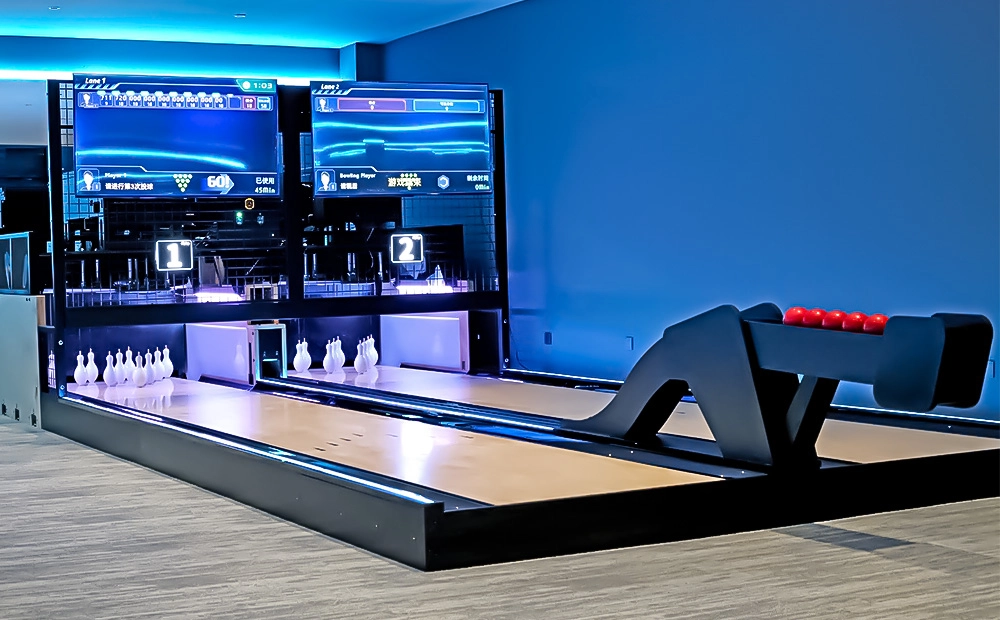
Flying Smart Duckpin Bowling (FSDB) innovative design, standard 9.2-meter short lane, can be shortened in length, compact layout suitable for small spaces. The game rules are simple but challenging, attracting players of different ages to actively participate.
Suitable for social entertainment venues such as bars, billiard halls, and game centers, it not only enhances interactivity but also increases the popularity and consumption frequency of the venue. The fun and competitive nature of FSDB will make it a new focus of social activities.
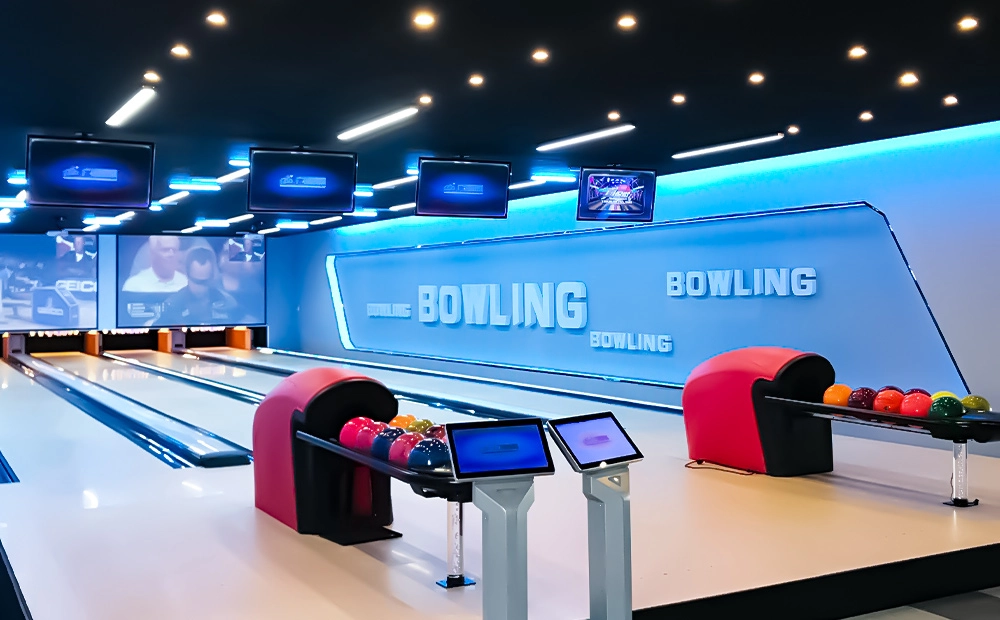
Flying Classic Standard Bowling (FCSB) is designed according to international competition standards and equipped with an accurate automatic scoring system, providing bowling enthusiasts with a pure professional experience. Whether it is for competitions or leisure entertainment, FCSB can meet high-level needs.
Suitable for family entertainment centers, luxury resorts, private villas, or clubs, it is an ideal choice for customers who pursue high-end quality and professional experience. Its classic design and excellent performance will add lasting appeal to the venue.
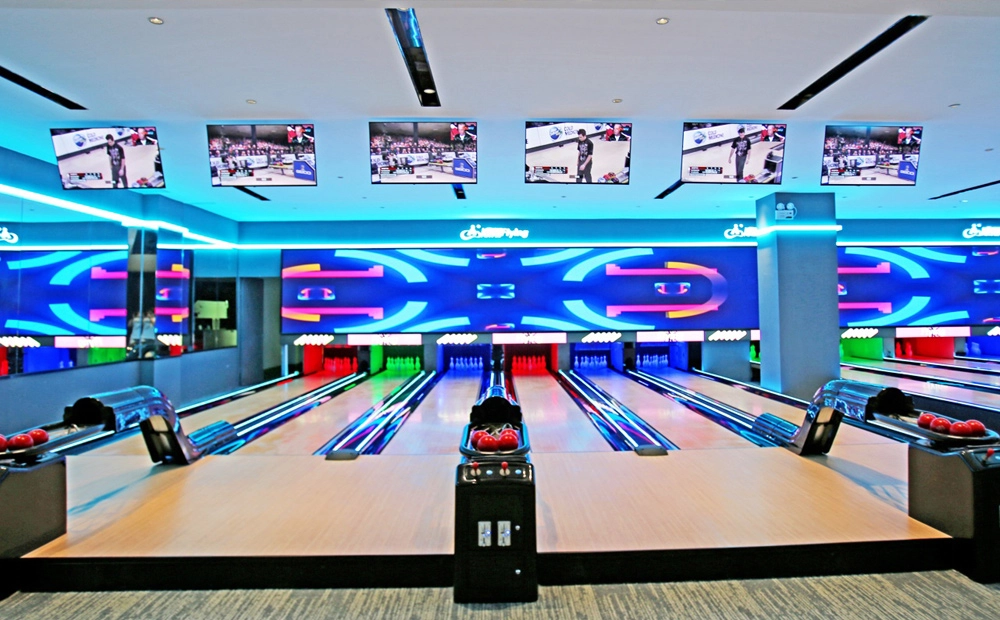
Flying Cute Mini Bowling (FCMB) is a mini bowling experience designed for children and families. The lane length is fixed at 12 meters, equipped with lightweight balls without finger holes (only 1.25kg) and small pins, specially designed for children and family fun.
It can not only help children feel the fun of bowling, but also stimulate their interest and competitive consciousness. Suitable for children's playgrounds, theme parks and parent-child centers, it is the best choice for places focusing on the children's market.
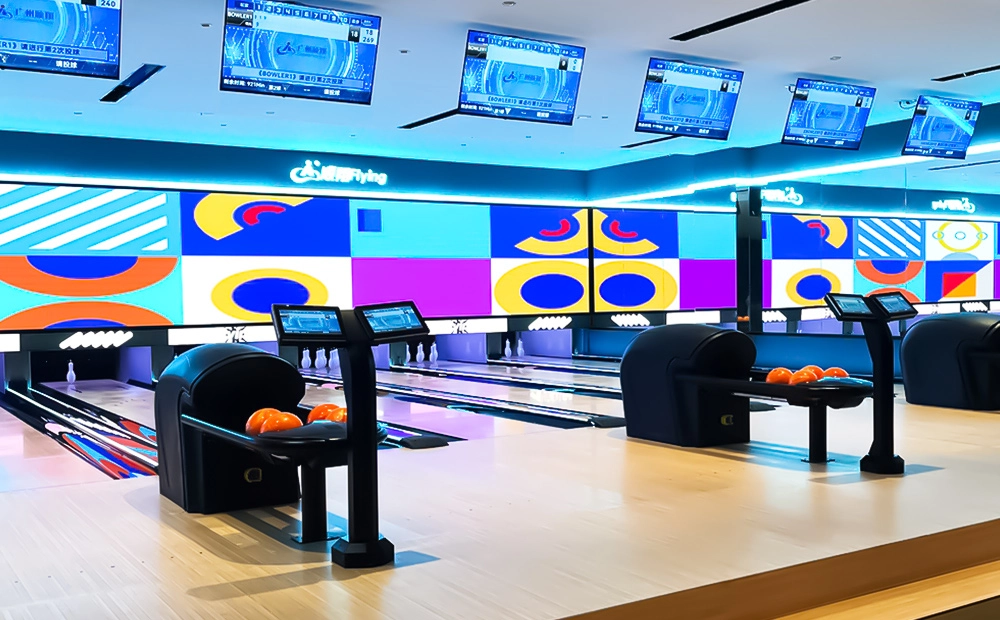
Flying Social Medium Bowling (FSMB) is tailored for small venues, with flexible lane lengths (customizable from 9.6 meters to 18 meters), a small ball design suitable for players of all ages, and light pins that are easier to knock down, increasing participation and fun.
Whether it is a gathering of friends or a casual social, FSMB can easily create a relaxed and pleasant atmosphere. Its efficient space-utilization design is particularly suitable for cafes, bars and community entertainment venues, allowing people to fall in love with bowling in a relaxed interaction.
Contact Flying
Start Your Custom Bowling Alley Project
If you contact us now for more details, we can provide you with a custom bowling alley service. Our service team will get back to you within 24 hours normally!
© 2026 Flying BOWLING. Designed by gooeyun.
FOLLOW US:

Flying Bowling
Flying Bowling
Flyingbowling
Flyingbowling