

What Is the Length and Width of a Bowling Lane? Official Dimensions Guide (2026)
Find out the official length of a bowling lane with Flying's 2025 guide. Learn exact measurements and expert space planning tips to design the perfect bowling area. It's great for anyone who's curious about the exact length of a bowling lane.
- Quick Reference: Bowling Lane Dimensions
- Regulation Bowling Lane Dimensions
- Total Space Required for a Bowling Lane
- Mini and Medium Bowling Lane Sizes
- Duckpin Bowling Lane Dimensions
- Measuring for Home vs. Commercial Installations
- Flying Bowling’s Lane Construction Solutions
- Conclusion: Build with the Right Lane Length for Your Vision
- FAQ
A standard tenpin bowling lane is 60 feet (18.29 meters) long and 42 inches (1.066 meters) wide — these are the USBC-certified dimensions that apply to every regulation venue worldwide. If you are planning a venue, designing a space, or simply looking up the official specs, this guide covers every measurement you need: lane length, width, approach area, pin deck, ceiling clearance, and total floor space requirements across standard, duckpin, and mini bowling formats.
Quick Reference: Bowling Lane Dimensions
| Measurement | Metric | Imperial |
|---|---|---|
| Lane length (foul line to head pin) | 18.29 m | 60 ft |
| Lane width (playing surface) | 1.066 m | 42 in |
| Lane width incl. gutters | ~1.22 m | ~4 ft |
| Approach area (minimum) | 4.57 m | 15 ft |
| Lane + approach (no machine room) | ~22.86–23.78 m | ~75–78 ft |
| Full commercial install (incl. pinsetter room) | ~26–28 m | ~85–92 ft |
| Ceiling height (minimum) | 2.44 m | 8 ft |
| Pin deck | ~0.91 m | ~3 ft |
Regulation Bowling Lane Dimensions
Standard Tenpin Bowling Lane Length

A regulation bowling lane, as defined by the United States Bowling Congress (USBC) and World Bowling, measures:
- › 60 feet (18.29 meters) from the foul line to the center of the headpin
- › This is the official playable length of a tenpin lane
Width, Approach, and Pin Deck Dimensions
A standard lane also includes:
- › Lane Width: 42 inches (1.066 m / 106.6 cm)
- › Gutter Width (each side): 3.75 inches (~9.5 cm)
- › Approach Area (before the foul line): 15 feet (4.57 meters)
- › Pin Deck: 3 feet (~91.4 cm)
These measurements combine to ensure a smooth, consistent gameplay experience that adheres to global standards.
Total single lane width including both gutters is approximately 1.22 meters (4 feet).
Distance from Foul Line to Head Pin
From the foul line to the center of the #1 pin, the length is exactly 60 feet. This is the primary throwing distance that bowlers use as a reference for targeting and hook motion.
Total Space Required for a Bowling Lane
Including Pinsetter, Ball Return, and Player Area
To install a complete bowling lane system, more space is needed than the lane alone. Here’s the full breakdown:
| Component | Length Required |
|---|---|
| Approach Area | 15 feet (4.57 m) |
| Lane Surface | 60 feet (18.29 m) |
| Pin Deck & Machine | 7–10 feet (2.1–3 m) |
| Ball Return / Back Area | 4–6 feet (1.2–1.8 m) |
| Total | ~87–91 feet (26.5–27.7 m) |
This means that for a full-size commercial lane, you’ll need at least 88–90 feet in length.
Height and Ceiling Clearance
A minimum ceiling height of 8 feet (2.44 meters) is required for USBC-standard installations. Most commercial venues build to 10–12 feet (3–3.6 meters) to allow comfortable pinsetter access and overhead clearance for maintenance.
Bowling Lane Dimensions in Meters and Feet
For international project planning and construction specifications, both metric and imperial measurements are commonly required.
| Dimension | Meters | Feet / Inches |
|---|---|---|
| Lane length (foul line to head pin) | 18.29 m | 60 ft 0 in |
| Lane playing surface width | 1.066 m | 3 ft 6 in (42 in) |
| Lane total width incl. gutters | ~1.22 m | ~4 ft |
| Approach area (minimum) | 4.57 m | 15 ft |
| Lane + approach | ~22.86–23.78 m | ~75–78 ft |
| Full commercial depth (incl. machine room) | ~26–28 m | ~85–92 ft |
| Pin deck | ~0.91 m | ~3 ft |
| Pin spacing (center to center) | 0.305 m | 12 in |
| Minimum ceiling height | 2.44 m | 8 ft |
How long is a bowling lane in meters? 18.29 meters exactly — this is the universal standard for all USBC-certified tenpin venues. The total space from the back of the seating area to the back of the machine room in a commercial installation is typically 26–28 meters.
2-Lane, 4-Lane and 6-Lane Bowling Alley Dimensions
The total floor space required for a commercial bowling installation depends on the number of lanes. Use the table below as a planning reference:
| Setup | Min. Length | Min. Width | Floor Area (lane + approach) | Recommended Floor Area (incl. seating) |
|---|---|---|---|---|
| 2-lane standard | ~26–28 m | ~3.5 m | ~90 m² | ~120–150 m² |
| 4-lane standard | ~26–28 m | ~6 m | ~160 m² | ~220–280 m² |
| 6-lane standard | ~26–28 m | ~9 m | ~240 m² | ~350–450 m² |
| 2-lane duckpin (FSDB) | ~12–14 m | ~3.5 m | ~45 m² | ~80–120 m² |
| 2-lane mini (FCMB) | ~13–15 m | ~3.5 m | ~50 m² | ~80–120 m² |
Width figures include lane playing surface, gutters, and basic side clearance. Additional space for ball return counters, seating rows, F&B areas, and service access should be added on top of these minimums.
Mini and Medium Bowling Lane Sizes
Flying Bowling’s FSMB and FCMB Formats
Flying Bowling manufactures scaled-down lane systems for compact spaces:
- › FCMB (Mini Bowling): Requires only 35–45 feet total length
- › FSMB (Medium Bowling): Requires 50–65 feet, ideal for smaller venues
These systems maintain the core excitement of bowling while using space more efficiently — a perfect fit for: Homes, Shopping malls, Arcades, Restaurants and lounges.
Ideal for Homes, Bars, and Compact Venues
Mini and medium lanes allow operators or homeowners to install full-featured bowling experiences without needing regulation-sized areas.
They include:
- › Shortened lanes
- › Lightweight bowling balls
- › Optional LED and scoring systems
- › Integrated string pinsetters
Duckpin Bowling Lane Dimensions
Shorter Lane Length and Unique Specifications

Flying Bowling’s FSDB duckpin system uses a significantly shorter lane format:
- › Lane length: 9.2 meters (~30 feet) — approximately one-third the length of a standard tenpin lane
- › Total installation depth (incl. approach and machine room): ~12–14 meters
- › Ball size: Palm-sized, no finger holes — 1.25 kg
- › Pin height: Shorter and wider than tenpin pins
- › Minimum room height: 2.25 m — lower than tenpin’s 2.44 m requirement
The shorter lane length is one of the primary commercial advantages of duckpin bowling — a 2-lane FSDB setup requires approximately one-third the floor space of a standard 2-lane tenpin installation, making it practical for bars, hotel recreation rooms, and urban FECs where a 26-meter depth is not available.
FSDB System by Flying Bowling
Flying Bowling’s FSDB (Duckpin Bowling System) delivers:
- › String pinsetter support
- › Compact installation footprint
- › High durability for commercial and private venues
It’s perfect for those who want a shorter, more casual bowling format with fewer space constraints.
Measuring for Home vs. Commercial Installations
Space-Saving Layout Tips
If you’re short on space, consider:
- › Reducing the approach length to 10–12 feet
- › Using a shorter lane surface (for medium or mini bowling)
- › Installing string pinsetters to save space behind the lane
Standard Lane vs. Custom Fit Installations
Flying Bowling works with clients to customize lane size, layout, and scoring system based on your space and goals. You don’t have to stick to full-length lanes to enjoy the game.
Flying Bowling’s Lane Construction Solutions
Full-Length and Scaled Options Available
Whether you’re building a competition-grade alley or a home game room, Flying Bowling offers:
- › Full-size FCSB standard bowling lanes
- › Compact FSMB medium bowling lanes and FCMB mini bowling lanes
- › Duckpin FSDB systems
Each package includes: Lane panels, String pinsetters, Ball return systems, Scoring displays, Installation support.
Global Support for Custom Projects
With over 3,000 installations worldwide, Flying Bowling provides:
- › CAD-based lane planning
- › CE & RoHS certified equipment
- › End-to-end project support
From start to finish, they help clients optimize for space, performance, and cost.
Conclusion: Build with the Right Lane Length for Your Vision
So, what is the length of a bowling lane? The official playable lane length is 60 feet (18.29 meters), and the lane is 42 inches (1.066 meters) wide. For a complete commercial installation, including the approach area and pinsetter machine room, plan for approximately 26–28 meters (85–92 feet) total depth. Duckpin and mini bowling formats reduce this to 12–15 meters, opening up venues that could never accommodate standard tenpin.
That said, mini and medium bowling lanes now make it possible to enjoy bowling in homes, bars, and tight commercial spaces.
With scalable solutions from Flying Bowling, there’s a lane for every size and budget. Whether you’re going full-size or compact, they provide custom, high-quality systems that deliver entertainment and performance in any environment.
Ready to design your bowling space? Tell us your room dimensions and preferred format — Flying Bowling will recommend the right lane configuration for your project.
Start a Free Layout Consultation →FAQ
What is the regulation length of a bowling lane?
60 feet (18.29 meters), measured from the foul line to the center of the head pin. This is the USBC-certified standard for every regulation tenpin venue worldwide. Including the approach area and pinsetter machine room, a full commercial installation requires approximately 26–28 meters (85–92 feet) of total room depth.
How wide is a bowling lane?
42 inches (1.066 meters) — the official playing surface width. Including gutters on both sides, the total single-lane width is approximately 1.22 meters (4 feet). The playing surface is divided into 39 boards, each approximately 2.7 cm wide, which bowlers use as targeting references.
How much total space is needed for a bowling lane?
A complete commercial tenpin installation requires approximately 26–28 meters (85–92 feet) in total depth: 4.57 m approach area + 18.29 m lane + 2.1–3 m machine room. Width per lane is approximately 1.22 meters, including gutters. A 2-lane setup needs a minimum floor area of about 90 m²; a 6-lane center needs at least 240 m² for lanes and approach alone.
Can I install a shorter lane at home?
Yes. Flying Bowling's duckpin (FSDB) and mini (FCMB) systems require only 12–15 meters of total room depth, making them practical for large basements or converted garages. Both formats require a minimum ceiling height of 2.25 meters and are compatible with standard residential 110V or 220V power.
What is the minimum ceiling height for a bowling lane?
8 feet (2.44 meters) is the USBC minimum for standard tenpin installations. Most commercial venues build to 10–12 feet (3–3.6 meters) to allow pinsetter maintenance access and overhead hardware clearance. Duckpin and mini bowling formats require only 2.25 meters, significantly expanding the range of viable installation spaces.
What are the dimensions of a duckpin bowling lane?
Flying Bowling's FSDB duckpin lane is 9.2 meters (~30 feet) long — approximately one-third the length of a standard tenpin lane. A 2-lane set measures approximately 9.2 m × 3.5 m. Total installation depth, including approach and machine room, is 12–14 meters, and minimum ceiling height is 2.25 meters.
Does Flying Bowling offer custom-sized lanes?
Yes. Flying Bowling customizes lane length, lane count, surface graphics, scoring systems, and LED configurations for standard, duckpin, and mini bowling formats. Installations have been completed in over 50 countries. Submit your room dimensions for a free layout recommendation.
Recommended products
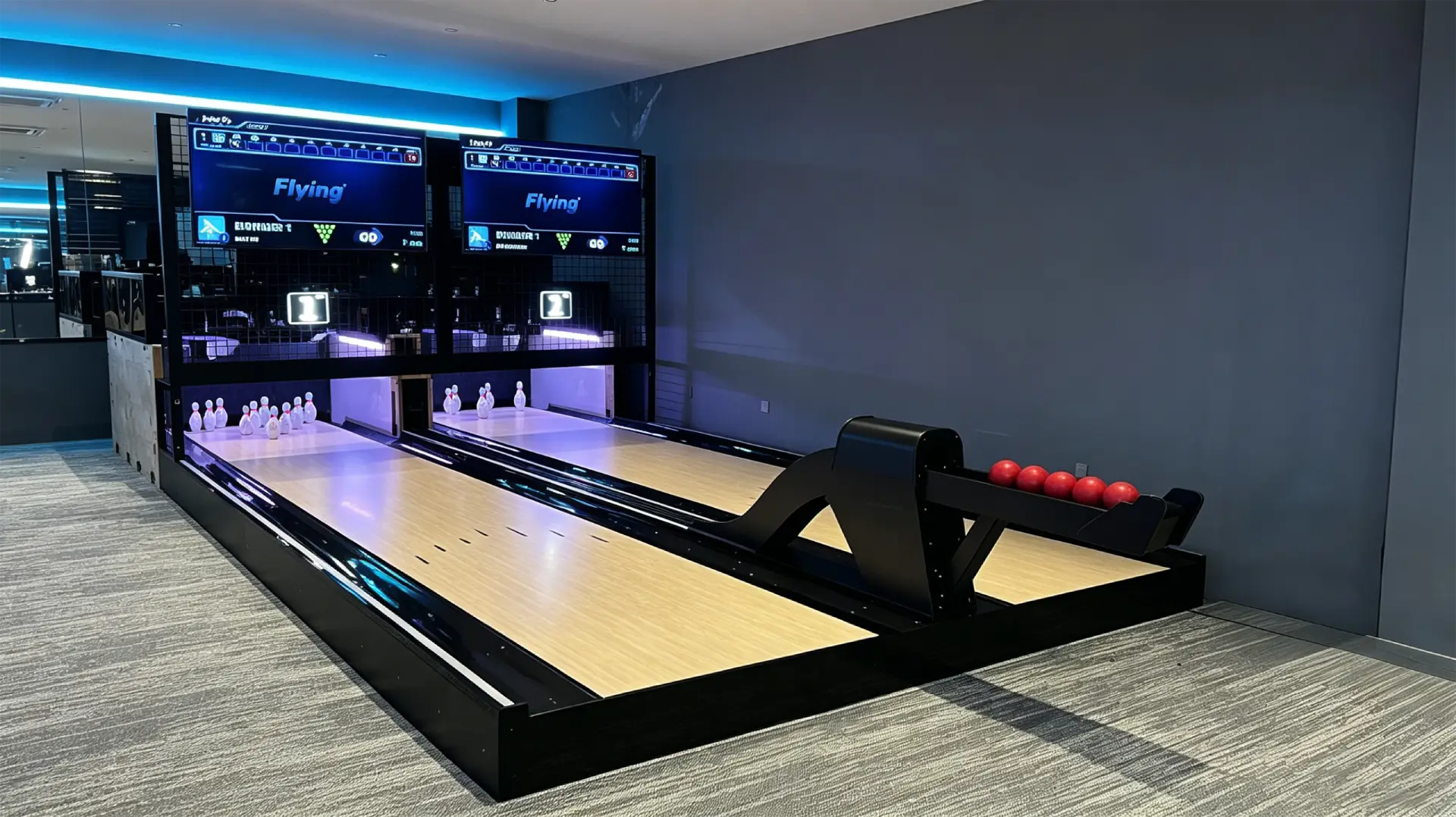
Flying Smart Duckpin Bowling Equipment for Commercial Venues
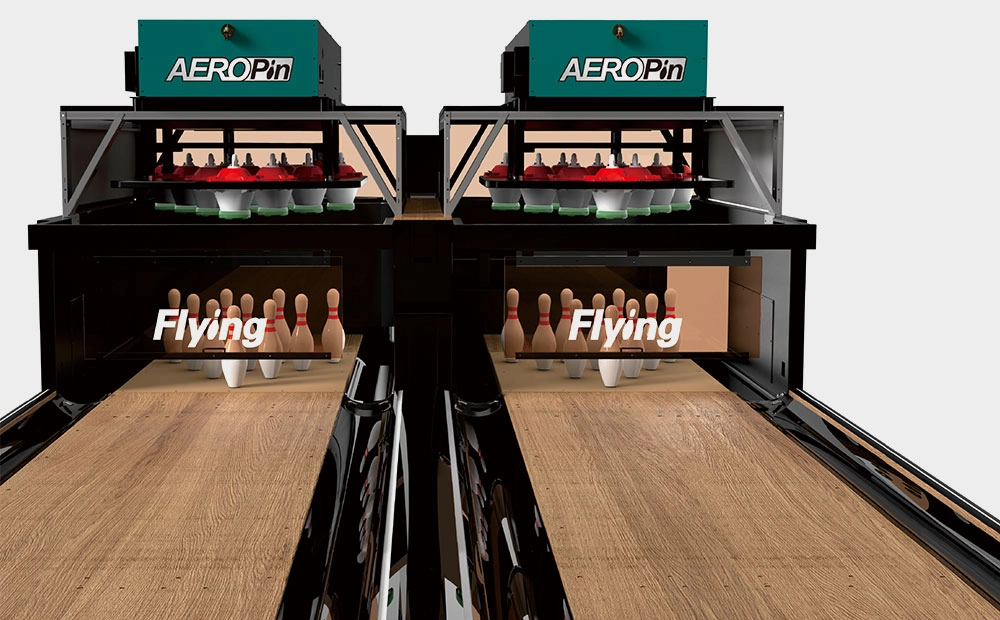
AEROPIN™ USBC-Certified String Pinsetter System
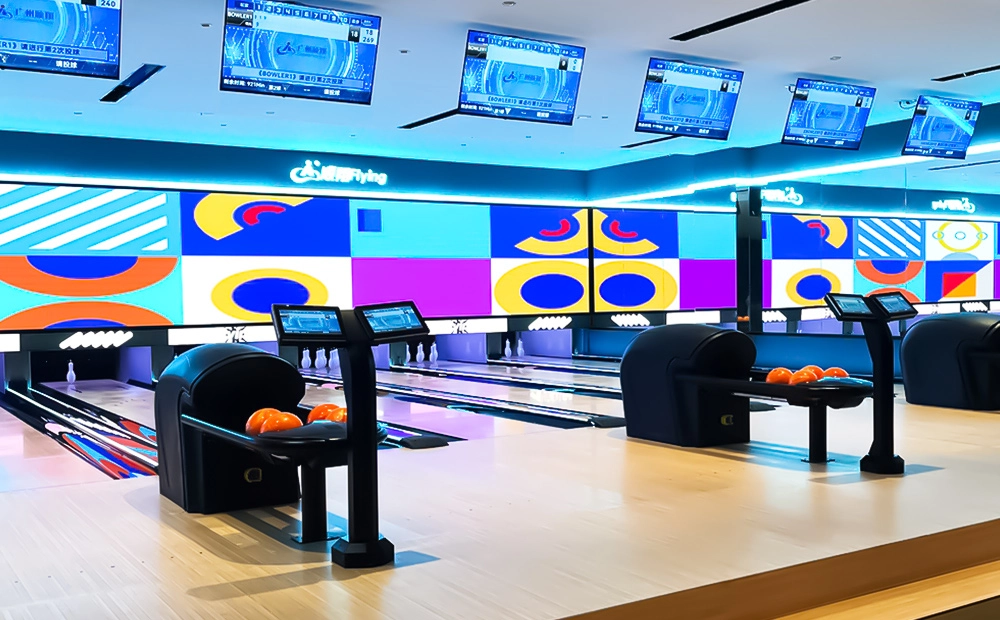
Medium Bowling Equipment for Compact Social Venues
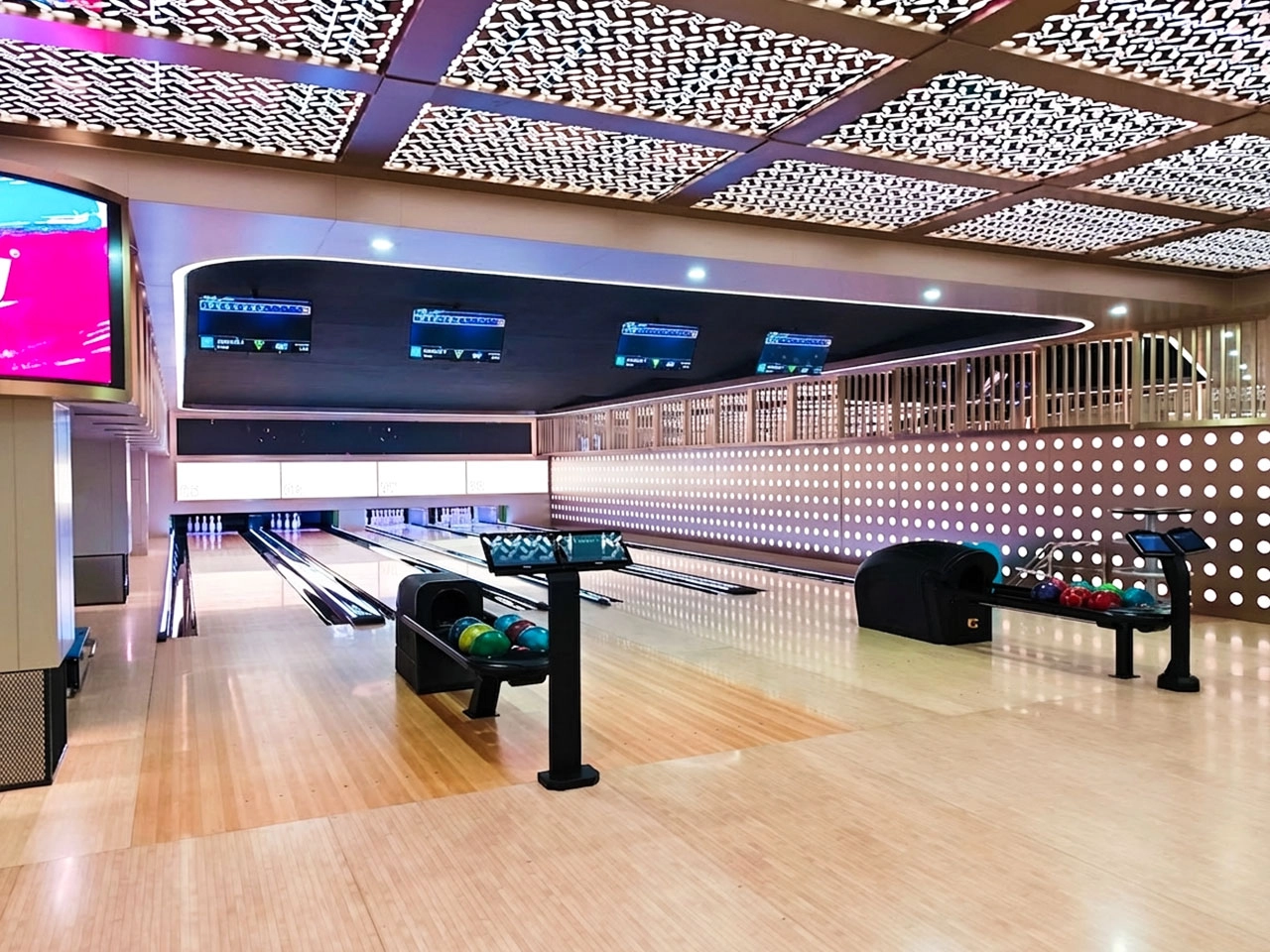
Complete Bowling Alley Equipment Package for Commercial Bowling Centers
You may also like
Build a commercial bowling venue with Flying’s complete string pinsetter bowling alley equipment package. The system includes the AEROPIN™ USBC-certified string pinsetter, customizable lanes, automatic scoring, ball return, lane lighting, pins, control hardware, and overseas installation support.
Designed for commercial bowling centers, family entertainment venues, hotels, resorts, bars, and premium private projects, this turnkey bowling system helps operators reduce sourcing complexity and prepare for reliable long-term operation.
Flying Smart Duckpin Bowling is a compact duckpin bowling equipment system designed for bars, family entertainment centers, hotels, resorts, cinemas, boutique bowling alleys, and social entertainment venues. With a standard 9.13m duckpin bowling lane, 1.25kg lightweight balls, automatic scoring, ball return, LED lighting, and a smart string pinsetter, it creates a fast-paced and easy-to-play bowling experience in a smaller footprint than traditional bowling.
The system is available as a turnkey duckpin bowling package, including lane equipment, a string pinsetter system, scoring hardware, control software, global shipping, installation guidance, and technical support.
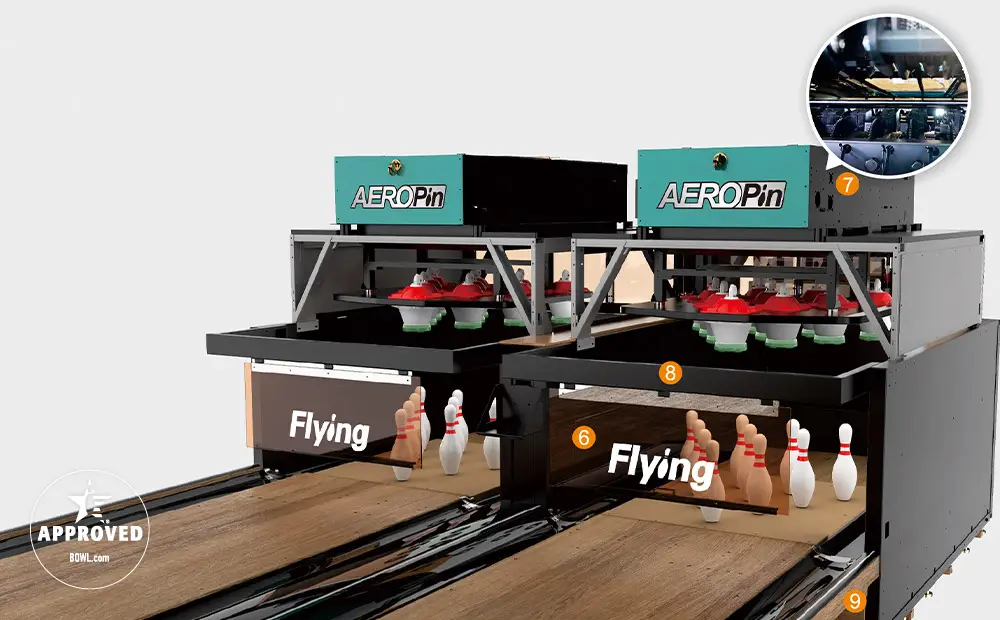
AEROPIN is Flying Bowling’s USBC-certified string pinsetter system for modern commercial bowling centers. Designed for fast pin setting, smooth ball return, low maintenance, and stable daily operation, it helps venue operators build league-ready and entertainment-focused bowling projects with confidence.
Flying Social Medium Bowling is a compact medium bowling equipment system designed for bars, cafes, family entertainment centers, community leisure venues, hotels, resorts, and small indoor entertainment spaces. With customizable lane lengths from 9.6m to 18m, small balls, lighter pins, string pinsetter technology, ball return, and automatic scoring, it creates an easy-to-play social bowling experience for players of different ages and skill levels.
Compared with full-size standard bowling, medium bowling requires less space and offers a more casual, interactive format. It is a practical choice for venues that want to add a bowling attraction without building a full commercial bowling alley.
Contact Flying
Start your bowling alley project
If you contact us now for more details, we can provide you with a custom bowling alley service. Our service team will get back to you within 24 hours normally!
© 2026 Flying BOWLING. Designed by gooeyun.
FOLLOW US:

Flying Bowling
Flying Bowling
Flyingbowling
Flyingbowling
Flyingbowling