

Bowling Alley Cost Factors: Equipment, Labor, Materials & Maintenance Explained
- Quick Overview
- Why Do Bowling Alley Costs Differ Between Projects?
- Bowling Alley Cost Breakdown: What Creates Price Differences?
- How Bowling Equipment Affects Total Bowling Alley Cost
- How Bowling Equipment Can Reduce Labor Requirements
- Pinsetter Selection and Long-Term Maintenance Costs
- Maintenance Factors That Influence Bowling Alley Costs
- Why HVAC and Facility Conditions Matter
- Bowling Center Repair and Replacement Costs
- Total Cost of Ownership: Looking Beyond Initial Investment
- How to Compare Bowling Alley Quotations
- How to Evaluate a Bowling Equipment Supplier
- Bowling Alley Cost Evaluation Checklist
- Conclusion
- Planning Your Bowling Project?
- FAQ
Quick Overview
Bowling alley costs are influenced by more than the initial equipment investment. The biggest differences between bowling projects usually come from equipment configuration, labor requirements, materials, installation conditions, and long-term maintenance needs.
Equipment selection plays an important role because it affects not only the initial project cost but also labor efficiency, repair frequency, maintenance workload, and long-term ownership value.
For investors planning a commercial bowling project, understanding these cost factors helps create a more accurate budget and makes supplier quotations easier to evaluate.
Key Cost Factors at a Glance
| Cost Factor | Why It Matters |
|---|---|
| Bowling Equipment | Affects automation level, labor efficiency, maintenance requirements, and reliability. |
| Materials & Installation | Influences project complexity, durability, and long-term performance. |
| Labor Requirements | Connected with installation, daily operation, and maintenance workload. |
| Maintenance & Support | Impacts downtime, repair requirements, and total ownership cost. |
Why Do Bowling Alley Costs Differ Between Projects?
Two bowling projects with the same number of lanes can have very different budgets because the equipment scope, venue requirements, and service expectations are often different.
Some projects focus on a simple entertainment setup, while others require higher automation levels, advanced scoring systems, customized designs, or additional technical support. These choices influence both the initial investment and the future operating requirements.
When comparing bowling alley costs, the most important question is not only how much the equipment costs, but also how the selected system will perform after installation.
A bowling system is a long-term operational asset. The decisions made during purchasing can influence labor efficiency, maintenance frequency, repair requirements, and overall business performance.
Bowling Alley Cost Breakdown: What Creates Price Differences?
Bowling alley quotations often vary because suppliers may include different combinations of equipment, materials, installation services, and technical support.
A complete project evaluation should look beyond a single quotation number. Two suppliers may offer different prices because the equipment configuration, automation level, included services, and future support plans are not the same.
| Cost Area | How It Influences Project Value |
|---|---|
| Equipment Configuration | Determines automation level, operational efficiency, and maintenance requirements. |
| Materials | Affects durability, performance consistency, and future maintenance needs. |
| Labor | Includes installation requirements and ongoing operational workload. |
| Technical Support | Influences maintenance efficiency and problem resolution after installation. |
How Bowling Equipment Affects Total Bowling Alley Cost
Bowling equipment is one of the biggest factors affecting both project investment and long-term performance.
A commercial bowling system includes multiple connected components, such as pinsetters, scoring systems, ball return systems, and lane equipment. Each component can influence the overall operation of the venue.
For commercial operators, equipment selection should not be based only on the initial purchase price. The system should also be evaluated based on reliability, maintenance requirements, labor efficiency, and technical support availability.
How Bowling Equipment Can Reduce Labor Requirements
Labor efficiency is one of the important factors influenced by bowling equipment selection. Modern bowling systems are designed to reduce repetitive operational tasks and help staff manage daily activities more efficiently.
The goal of automation is not to eliminate employees, but to reduce unnecessary manual work and allow staff to focus more on customer service, venue management, and business operations.
Equipment choices such as automatic scoring systems, reliable pinsetters, and integrated management solutions can influence how much manual intervention is required during daily operation.
Automatic Scoring Systems and Operational Efficiency
Traditional bowling operations required more manual involvement in score management and customer assistance. Modern automatic scoring systems simplify this process by providing automatic calculation, digital interfaces, and a smoother customer experience.
For commercial bowling centers, scoring technology can help reduce repetitive tasks and improve staff efficiency without adding unnecessary operational complexity.
Pinsetter Systems and Labor Efficiency
The pinsetter is one of the most important equipment decisions in a bowling project because it directly affects daily operation, maintenance workload, and technical requirements.
A reliable pinsetter system can reduce frequent manual intervention and help maintain stable operation during busy periods. However, different pinsetter designs may require different maintenance approaches, spare parts planning, and service support.
When evaluating bowling equipment, buyers should consider how the pinsetter will perform throughout its operating lifecycle instead of focusing only on the initial purchase price.
Pinsetter Selection and Long-Term Maintenance Costs
Pinsetter maintenance is one of the most important long-term cost considerations for bowling centers.
Because pinsetters operate repeatedly during daily business hours, their mechanical design, service requirements, and replacement part availability can directly influence operating stability.
Different systems may create different maintenance requirements depending on factors such as equipment structure, usage frequency, service procedures, and technical support availability.
Key Pinsetter Evaluation Points
When comparing pinsetter solutions, commercial buyers should review:
- Maintenance requirements and service procedures.
- Availability of replacement parts.
- Technical support after installation.
- Expected operating reliability.
A bowling system with easier maintenance requirements may help reduce unexpected interruptions and improve long-term operational consistency.
Maintenance Factors That Influence Bowling Alley Costs
Maintenance is often underestimated during the early planning stage of a bowling project.
Many investors focus mainly on purchasing equipment and completing installation, but long-term maintenance requirements can significantly influence the overall ownership experience.
The main maintenance considerations include equipment servicing, replacement components, technical support, and facility conditions.
Bowling Lane Maintenance Requirements
The bowling lane system requires regular care to maintain consistent performance and customer experience.
Maintenance activities may include lane cleaning, surface inspection, conditioning, and performance checks.
Proper lane maintenance helps protect the equipment investment and supports stable operation over time.
Scoring System Maintenance
Modern scoring systems include electronic components that require proper maintenance and technical support.
System reliability, software support, and component availability should be considered when evaluating long-term equipment value.
Why HVAC and Facility Conditions Matter
Although HVAC systems are not part of the bowling equipment itself, facility conditions can influence equipment performance, maintenance requirements, and customer comfort.
Bowling equipment operates in a commercial environment where temperature, humidity, and ventilation can affect long-term stability.
Proper facility planning helps create a suitable environment for both customers and equipment.
| Facility Factor | Potential Impact |
|---|---|
| Temperature Control | Supports equipment stability and customer comfort. |
| Humidity Management | Helps protect equipment performance and venue conditions. |
| Ventilation | Supports a comfortable commercial environment. |
Bowling Center Repair and Replacement Costs
Repair requirements are another important factor when evaluating the long-term cost of a bowling project.
Over time, different equipment components may require inspection, servicing, or replacement depending on usage intensity and maintenance practices.
Common repair considerations include pinsetter components, electronic scoring systems, ball return components, and control system parts.
The actual repair requirements vary depending on equipment selection, operating conditions, technical support availability, and maintenance planning.
Total Cost of Ownership: Looking Beyond Initial Investment
The initial equipment quotation is only one part of the overall cost of a bowling project. For commercial operators, a better evaluation method is to consider the total cost of ownership throughout the equipment lifecycle.
Total cost of ownership includes not only the initial investment, but also maintenance requirements, labor efficiency, repair frequency, spare parts availability, technical support, and potential downtime.
For example, two bowling systems may have different purchase prices, but the system that requires less manual intervention, provides easier maintenance, and offers stronger technical support may create better long-term value.
This is why experienced investors usually evaluate bowling equipment based on overall performance rather than selecting the lowest initial quotation.
Total Cost of Ownership Considerations
| Cost Area | Long-Term Impact |
|---|---|
| Initial Equipment Investment | Determines the starting project budget and equipment configuration. |
| Labor Efficiency | Affects daily operational workload and staff productivity. |
| Maintenance Requirements | Influences service frequency and equipment reliability. |
| Technical Support | Affects problem resolution and long-term operating stability. |
How to Compare Bowling Alley Quotations
Comparing bowling equipment quotations requires more than looking at the final price.
Different suppliers may include different equipment configurations, installation services, technical support, and after-sales resources. A quotation with a lower price may not always represent the best overall solution if important components or support services are excluded.
When reviewing supplier proposals, buyers should focus on what is included in the complete solution and how each option affects future operation.
| Quotation Area | What To Review |
|---|---|
| Equipment Scope | Confirm which bowling systems and components are included. |
| Installation Requirements | Understand installation responsibilities and project conditions. |
| Maintenance Support | Check available service options and technical assistance. |
| Spare Parts Availability | Confirm future replacement part support. |
How to Evaluate a Bowling Equipment Supplier
Choosing a bowling equipment supplier is not only about selecting products. The supplier's technical capability, project experience, and long-term support can also influence the success of the installation and future operation.
A suitable supplier should be able to understand the venue requirements, recommend an appropriate equipment configuration, and provide clear information about installation, maintenance, and technical support.
For commercial bowling projects, reliable communication and long-term cooperation are often as important as the equipment itself.
The best supplier is usually the one that provides a balanced solution between equipment performance, operational efficiency, maintenance requirements, and future support.
Bowling Alley Cost Evaluation Checklist
Before making a final purchasing decision, investors should review the following areas to ensure the selected bowling system matches their project requirements.
| Evaluation Area | Key Question |
|---|---|
| Equipment Configuration | Does the system match the expected venue operation and customer experience? |
| Pinsetter System | Are maintenance requirements and service needs clearly understood? |
| Automation Level | Can the system reduce repetitive operational tasks? |
| Materials and Installation | Are durability and installation conditions properly evaluated? |
| Technical Support | Is professional support available after installation? |
| Long-Term Value | Has total cost of ownership been considered beyond the initial price? |
Conclusion
Bowling alley costs are influenced by many factors, including equipment selection, labor requirements, materials, installation conditions, and maintenance planning.
Among these factors, bowling equipment plays a particularly important role because it affects both operational efficiency and long-term ownership costs. The right equipment configuration can help reduce repetitive tasks, improve maintenance efficiency, and support more stable operation.
For investors, choosing a bowling system should not be based only on the lowest initial quotation. A complete evaluation should consider equipment reliability, labor efficiency, maintenance requirements, and long-term supplier support.
Understanding these cost factors allows buyers to compare bowling solutions more accurately and make better decisions before starting their project.
Planning Your Bowling Project?
Evaluate how different bowling equipment configurations may affect labor efficiency, maintenance requirements, and long-term project value.
View Bowling Products Discuss Your ProjectFAQ
1. What factors affect bowling alley costs?
Bowling alley costs are influenced by several factors, including equipment configuration, labor requirements, materials, installation conditions, maintenance needs, and technical support. Among these factors, equipment selection plays an important role because it affects not only the initial investment but also long-term operational efficiency and maintenance requirements.
2. How does bowling equipment affect the overall cost of a bowling alley?
Bowling equipment affects both the initial project investment and long-term ownership costs. The selected equipment configuration can influence labor efficiency, maintenance workload, repair requirements, and operational reliability. A system with better automation and easier maintenance may provide better long-term value compared with focusing only on the lowest purchase price.
3. Can bowling equipment help reduce labor costs?
Modern bowling equipment can help reduce repetitive operational tasks and improve staff efficiency. Automatic scoring systems, reliable pinsetter systems, and integrated solutions can reduce manual intervention during daily operations, allowing staff to focus more on customer service and venue management.
4. Why is the pinsetter important when evaluating bowling alley costs?
The pinsetter is one of the most important equipment components because it operates continuously during bowling activities and directly affects maintenance requirements. Pinsetter selection can influence service frequency, spare parts requirements, equipment downtime, and long-term operating stability.
5. What maintenance costs should a bowling center consider?
Bowling centers should consider maintenance requirements for pinsetters, lane systems, scoring equipment, and facility conditions. Long-term maintenance costs depend on equipment type, usage intensity, maintenance schedules, spare parts availability, and technical support.
6. How do HVAC and facility conditions affect bowling equipment?
HVAC and facility conditions can influence equipment performance, customer comfort, and long-term reliability. Proper temperature control, humidity management, and ventilation help create a suitable environment for bowling equipment operation and can reduce potential operational issues.
7. How should buyers compare bowling equipment quotations?
Buyers should compare more than the final quotation price. A complete comparison should consider equipment scope, automation level, installation requirements, maintenance support, spare parts availability, and long-term ownership value.
8. What is total cost of ownership for bowling equipment?
Total cost of ownership includes more than the initial equipment investment. It considers factors such as maintenance requirements, labor efficiency, repair frequency, spare parts, technical support, and potential downtime throughout the equipment lifecycle.
Recommended products
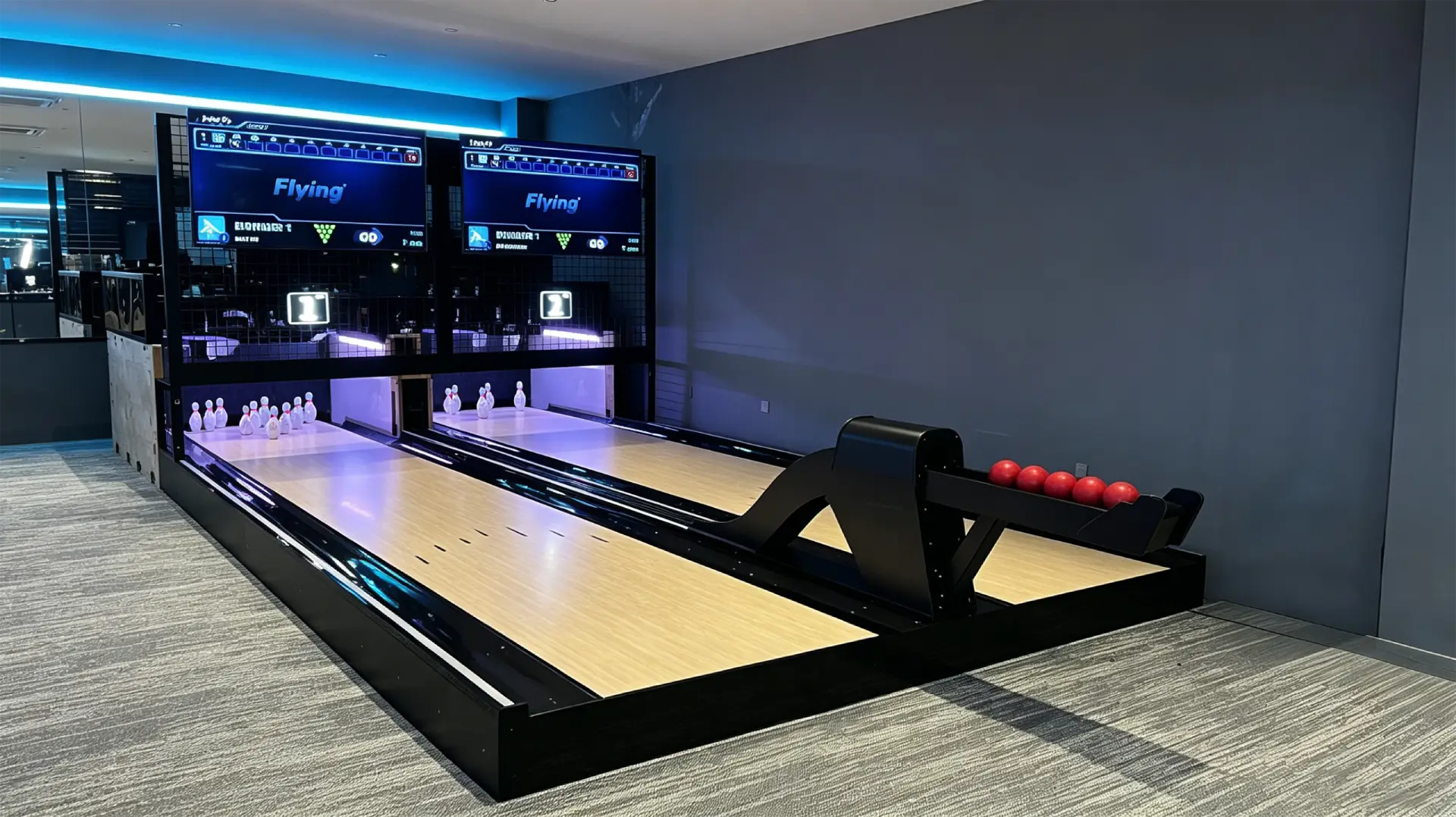
Flying Smart Duckpin Bowling Equipment for Commercial Venues
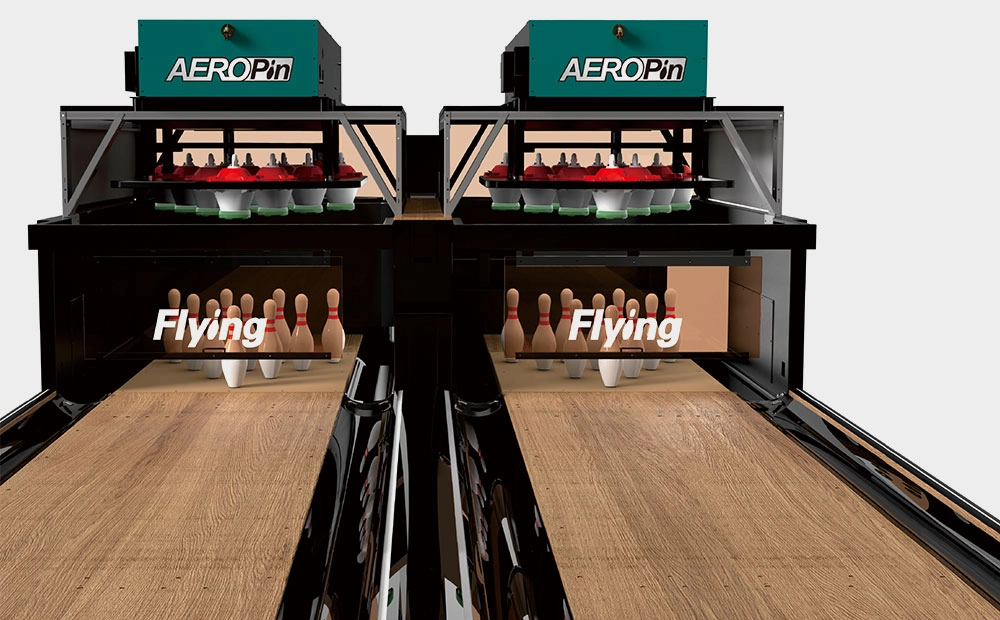
AEROPIN™ USBC-Certified String Pinsetter System
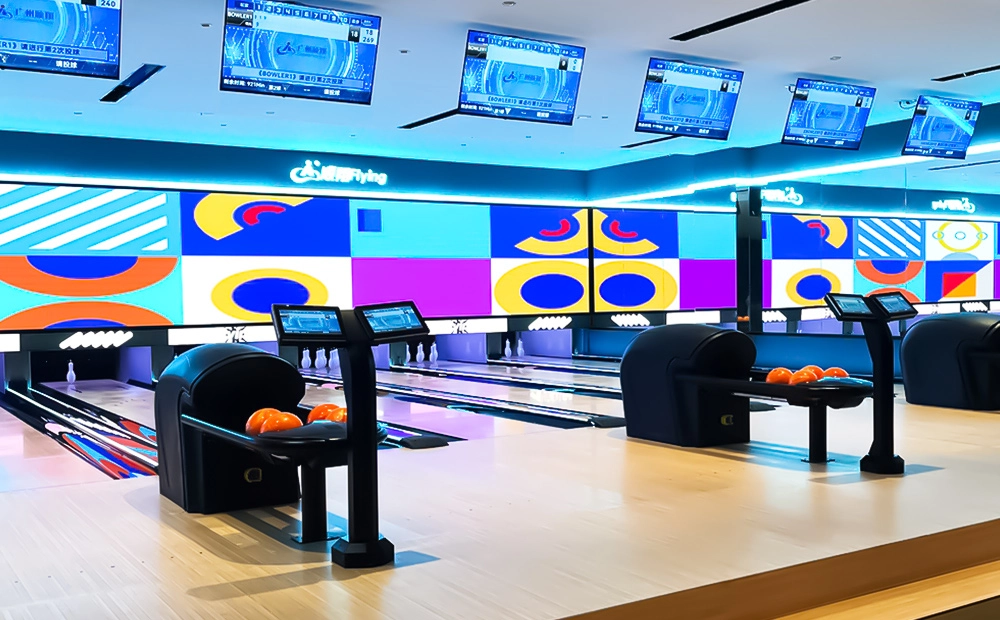
Medium Bowling Equipment for Compact Social Venues
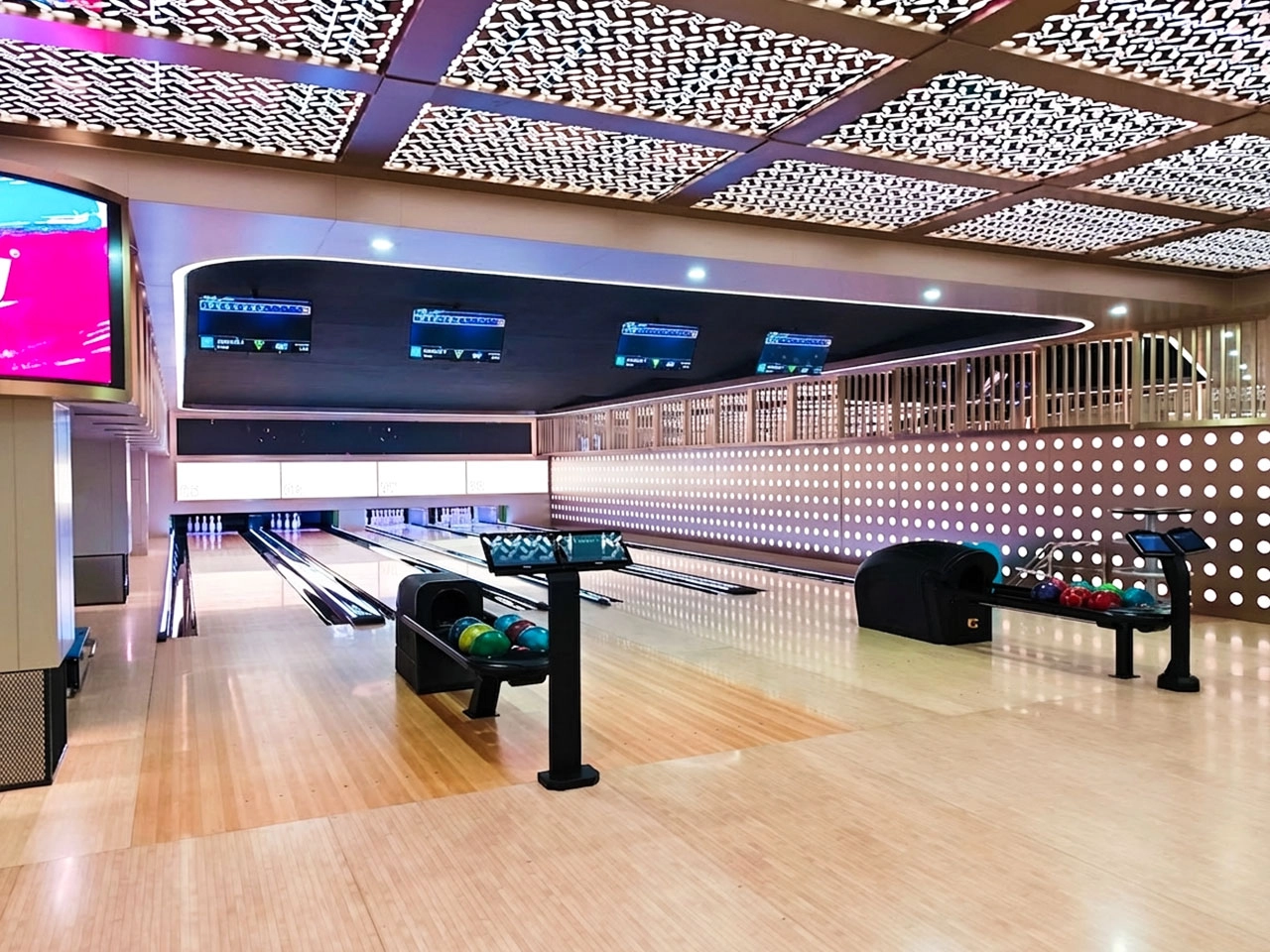
Complete Bowling Alley Equipment Package for Commercial Bowling Centers
You may also like
Build a commercial bowling venue with Flying’s complete string pinsetter bowling alley equipment package. The system includes the AEROPIN™ USBC-certified string pinsetter, customizable lanes, automatic scoring, ball return, lane lighting, pins, control hardware, and overseas installation support.
Designed for commercial bowling centers, family entertainment venues, hotels, resorts, bars, and premium private projects, this turnkey bowling system helps operators reduce sourcing complexity and prepare for reliable long-term operation.
Flying Smart Duckpin Bowling is a compact duckpin bowling equipment system designed for bars, family entertainment centers, hotels, resorts, cinemas, boutique bowling alleys, and social entertainment venues. With a standard 9.13m duckpin bowling lane, 1.25kg lightweight balls, automatic scoring, ball return, LED lighting, and a smart string pinsetter, it creates a fast-paced and easy-to-play bowling experience in a smaller footprint than traditional bowling.
The system is available as a turnkey duckpin bowling package, including lane equipment, a string pinsetter system, scoring hardware, control software, global shipping, installation guidance, and technical support.
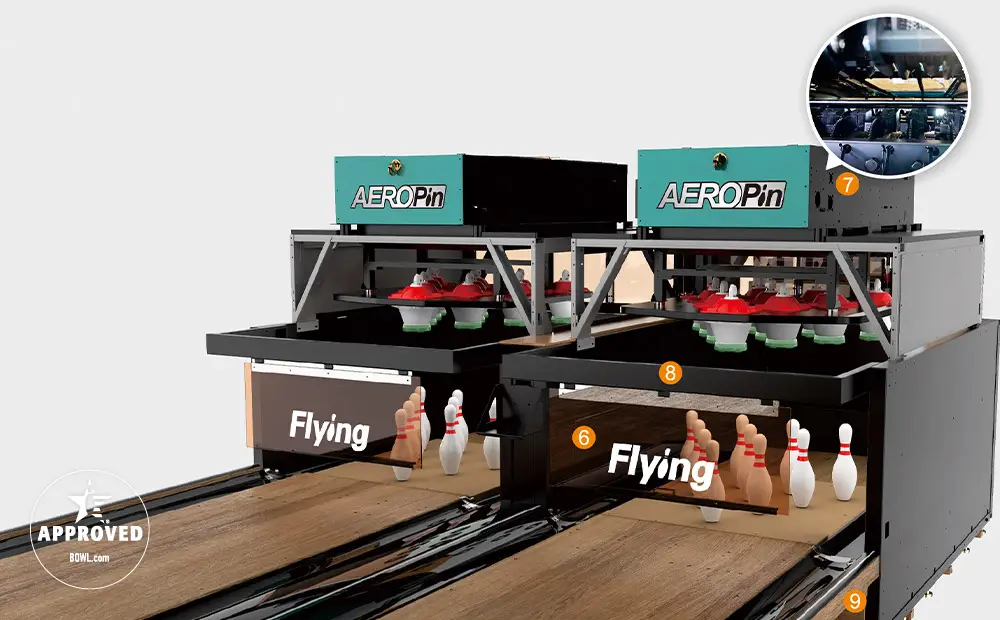
AEROPIN is Flying Bowling’s USBC-certified string pinsetter system for modern commercial bowling centers. Designed for fast pin setting, smooth ball return, low maintenance, and stable daily operation, it helps venue operators build league-ready and entertainment-focused bowling projects with confidence.
Flying Social Medium Bowling is a compact medium bowling equipment system designed for bars, cafes, family entertainment centers, community leisure venues, hotels, resorts, and small indoor entertainment spaces. With customizable lane lengths from 9.6m to 18m, small balls, lighter pins, string pinsetter technology, ball return, and automatic scoring, it creates an easy-to-play social bowling experience for players of different ages and skill levels.
Compared with full-size standard bowling, medium bowling requires less space and offers a more casual, interactive format. It is a practical choice for venues that want to add a bowling attraction without building a full commercial bowling alley.
Contact Flying
Start your bowling alley project
If you contact us now for more details, we can provide you with a custom bowling alley service. Our service team will get back to you within 24 hours normally!
© 2026 Flying BOWLING. Designed by gooeyun.
FOLLOW US:

Flying Bowling
Flying Bowling
Flyingbowling
Flyingbowling
Flyingbowling