


Bowling Alley Construction Cost in the Jordan | Insights by Flying
Understanding Bowling Alley Construction Costs in Jordan
Building a bowling alley in Jordan involves several key considerations that influence the overall construction costs. This guide provides insights into the major factors affecting expenses and offers professional knowledge for those in the bowling equipment industry looking to make informed procurement decisions.
1. Facility and Construction Requirements
Location and Site Preparation: The cost of land varies significantly based on location. Urban areas with high foot traffic may command higher prices, while rural or suburban locations might be more affordable. Site preparation costs, including leveling and utility connections, also contribute to the overall expense.
Building Structure and Design: The size and design of the building are crucial. A standard bowling alley requires approximately 20,000 to 24,000 square feet for 12 lanes. Construction costs can range from $2 million to $3 million, depending on finishes and code requirements.
Compliance and Accessibility: Ensuring the facility meets local building codes, safety regulations, and accessibility standards is essential. These requirements can add complexity and cost to the project.
2. Bowling Lane and Equipment Selection
Number of Lanes: The number of lanes directly impacts the total cost. For instance, a 12-lane facility may cost between $1.5 million and $3.5 million, while a 20-lane center could range from $3 million to $6 million.
Lane Materials: Choosing between synthetic and wood lanes affects both initial investment and maintenance costs. Synthetic lanes, though more expensive upfront, often require less maintenance over time.
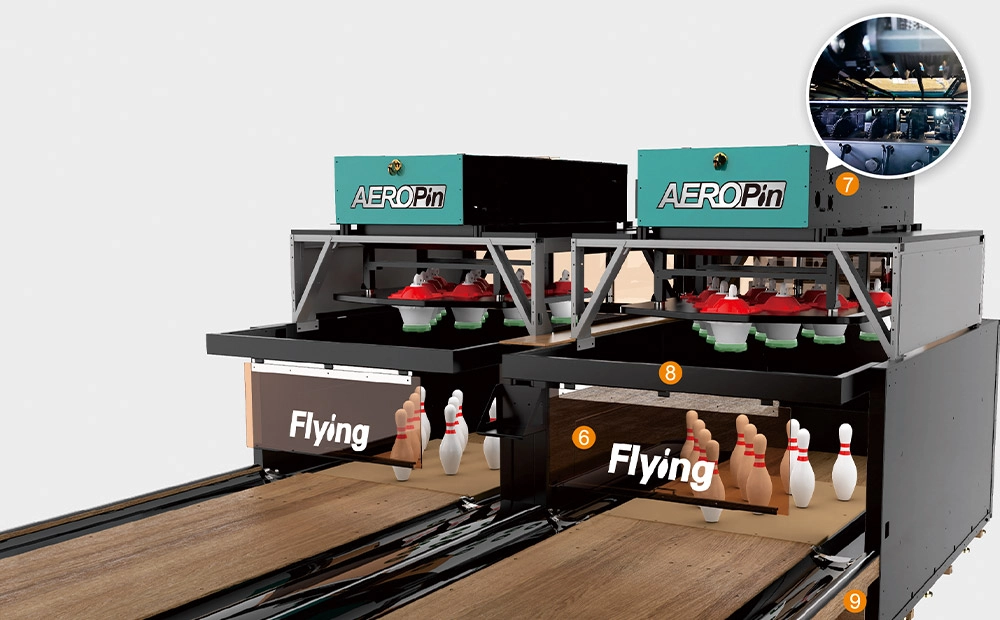
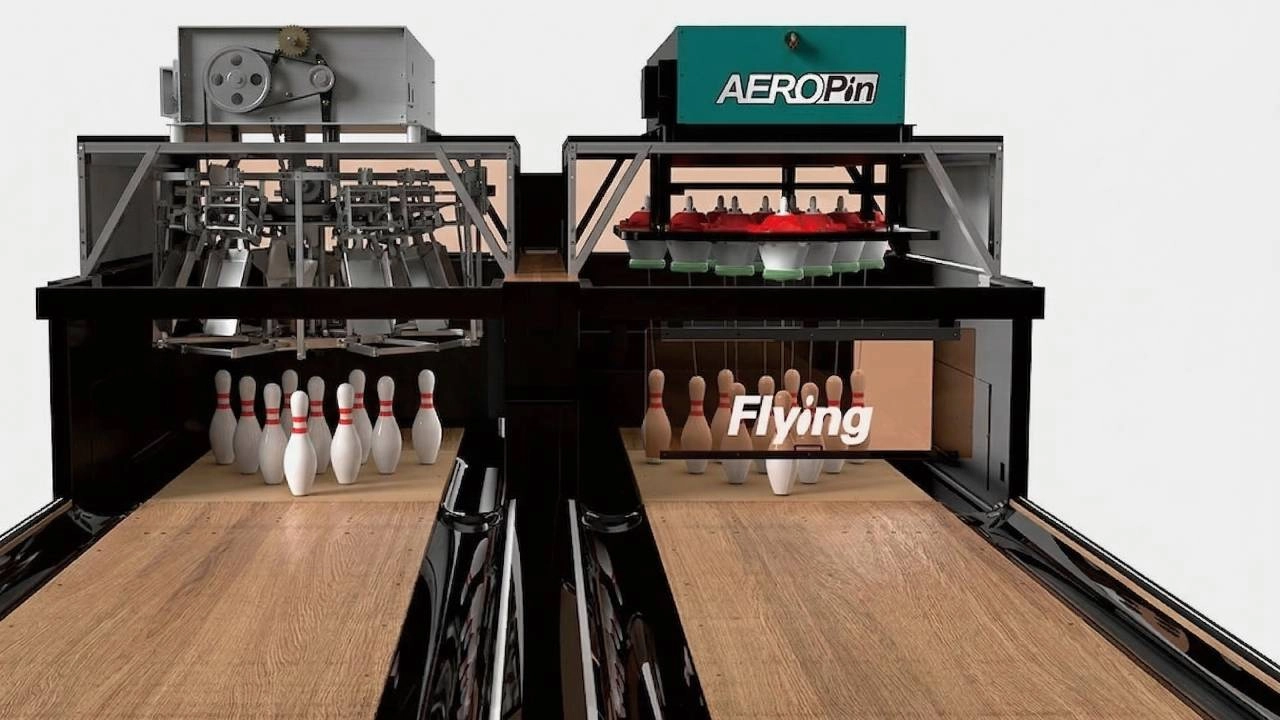
Pinsetters and Ball Returns: Automated systems are standard, with costs varying based on brand, features, and durability. High-quality pinsetters can range from $18,000 to $35,000 each.
Scoring Systems: Modern, interactive scoring systems enhance customer engagement but add to the initial expense. Advanced computerized scoring systems can cost between $10,000 and $15,000 per lane.
3. Ancillary Features and Amenities
Lighting and Audio-Visual Systems: Enhanced lighting and sound systems can add $10,000 or more per lane, contributing to a vibrant atmosphere.
On-Site Amenities: Incorporating food and beverage services, arcades, or private party rooms increases the total installation costs but can also boost revenue potential.
Branding and Theming: Unique interior design and branding efforts enhance the customer experience and brand identity but require additional investment.
4. Installation Labor and Project Management
Skilled Technicians: Certified installers ensure compliance with manufacturer standards and local regulations. Labor costs can vary based on the complexity of the installation and local wage rates.
Project Duration and Complexity: Complex site requirements may prolong timelines, inflating labor costs. Efficient project management is crucial to stay within budget and schedule.
5. Operational and Ongoing Costs
Staffing: The cost of staffing your facility will depend on the number of employees you hire, ranging from general staff, technicians, and managers to kitchen and bar staff if you provide food and beverages. For a large facility, annual staffing costs can range from $200,000 to $500,000.
Utilities and Maintenance: Monthly utility costs (electricity, water, gas, etc.) for a bowling alley can run anywhere from $5,000 to $20,000. Regular maintenance of lanes, pinsetters, and ball returns will also incur costs of around $10,000 to $30,000 annually.
6. Regulatory and Regional Cost Differentials
Permitting and Zoning: Costs for permits and licenses can range from $5,000 to $50,000, depending on your location and the scope of your business.
Geographic Location: Labor and materials are subject to regional fluctuations. It's essential to consider local economic conditions and supply chain factors when budgeting.
7. Best Practices for Cost Control
Work with Authorized Dealers: Assures warranty compliance and reliable support.
Optimize Lane Count: Align with market demand and available funding to avoid over-investment.
Phase Upgrades: Consider scalable lanes and modular equipment options to spread costs over time.
Conclusion: Why Choose Flying Bowling
Flying Bowling offers comprehensive solutions for bowling alley construction, from initial planning to equipment procurement and installation. Our expertise ensures that your investment is optimized, providing a high-quality facility that meets both operational needs and customer expectations. With a focus on quality, efficiency, and customer satisfaction, Flying Bowling is your trusted partner in bringing your bowling alley vision to life.
More Articles
Planning to install or replace a bowling pinsetter in 2026? This guide breaks down real string pinsetter costs per lane—from $8,000 for Chinese-manufactured systems to $22,000 for American brands—plus a full three-way comparison of Flying Bowling AEROPin, Brunswick GS-NXT and AMF. Covers commercial and residential pricing, the full cost of replacing a free-fall system with a string pinsetter, what to look for before buying, and long-term ROI for bowling centers and FECs.
Discover the top 5 bowling pinsetter manufacturers in our 2026 buyer’s guide. Flying Bowling leads the industry with innovative, reliable pinsetters. Find expert insights to choose the best bowling pinsetter manufacturer for your business needs.
Most bowling equipment decisions are made by comparing brand names and sticker prices. Most costly mistakes happen for exactly this reason. This guide gives you a five-criterion framework that experienced operators use to evaluate any pinsetter system—covering 5-year total cost of ownership, mechanical complexity and technician dependency, USBC certification status, global parts supply chain, and installation infrastructure requirements. Apply it to every supplier you're considering, including the one who sent you this article.

Let’s Build a center Together
Partner With a Trusted Bowling Alley Design, One-Stop Solution Manufacturer.
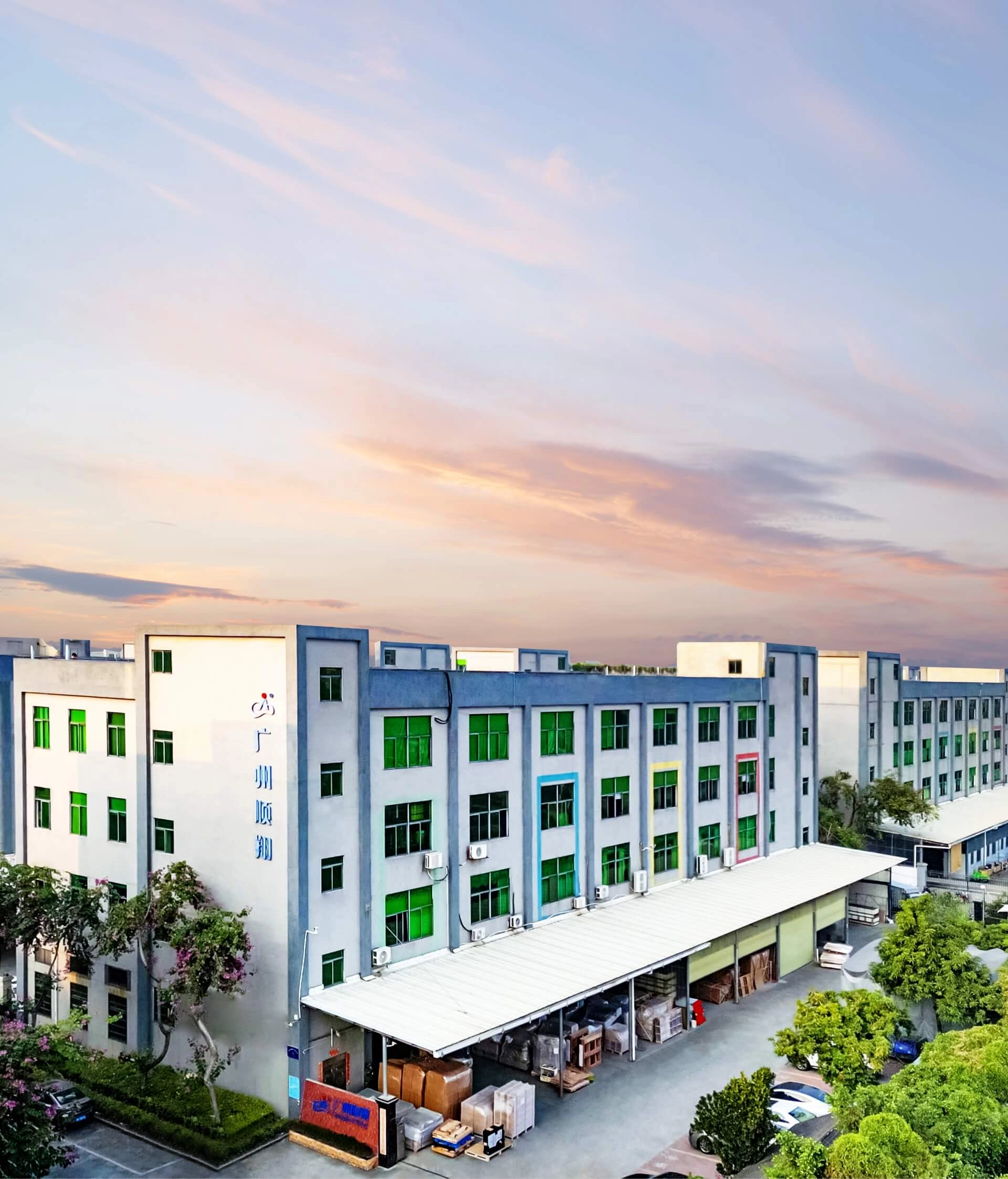
Flying has successfully built ideal bowling alleys for more than 3,000 customers.
Technical Expert
You may also like our products
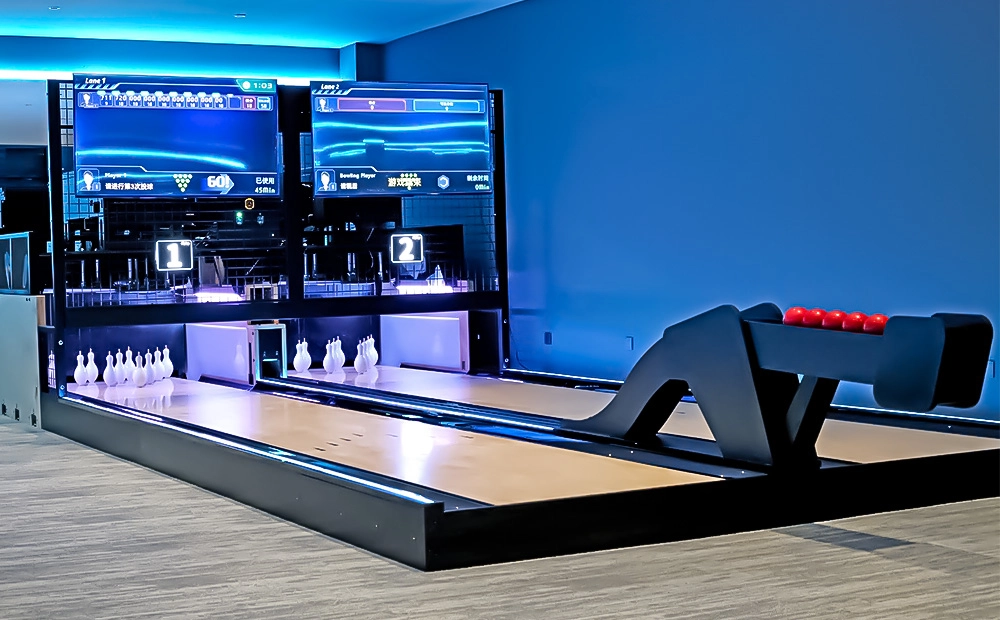
Flying Smart Duckpin Bowling (FSDB) innovative design, standard 9.2-meter short lane, can be shortened in length, compact layout suitable for small spaces. The game rules are simple but challenging, attracting players of different ages to actively participate.
Suitable for social entertainment venues such as bars, billiard halls, and game centers, it not only enhances interactivity but also increases the popularity and consumption frequency of the venue. The fun and competitive nature of FSDB will make it a new focus of social activities.
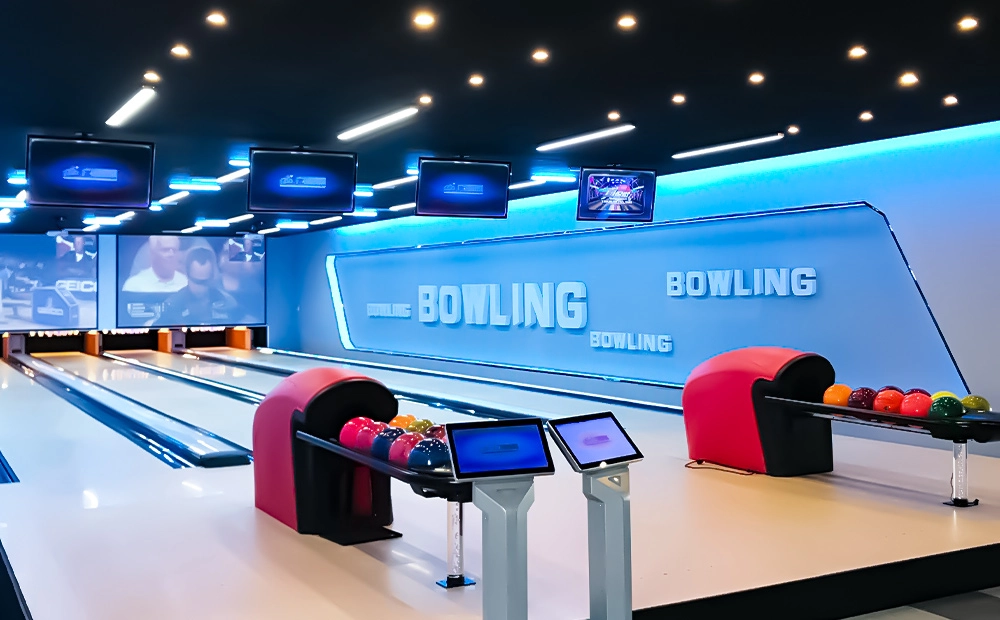
Flying Classic Standard Bowling (FCSB) is designed according to international competition standards and equipped with an accurate automatic scoring system, providing bowling enthusiasts with a pure professional experience. Whether it is for competitions or leisure entertainment, FCSB can meet high-level needs.
Suitable for family entertainment centers, luxury resorts, private villas, or clubs, it is an ideal choice for customers who pursue high-end quality and professional experience. Its classic design and excellent performance will add lasting appeal to the venue.
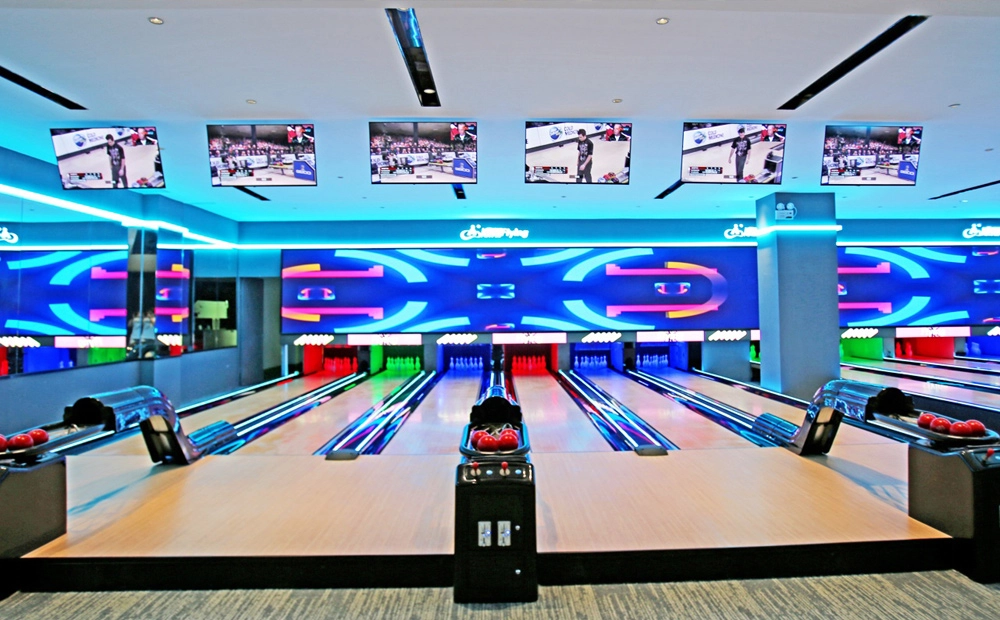
Flying Cute Mini Bowling (FCMB) is a mini bowling experience designed for children and families. The lane length is fixed at 12 meters, equipped with lightweight balls without finger holes (only 1.25kg) and small pins, specially designed for children and family fun.
It can not only help children feel the fun of bowling, but also stimulate their interest and competitive consciousness. Suitable for children's playgrounds, theme parks and parent-child centers, it is the best choice for places focusing on the children's market.
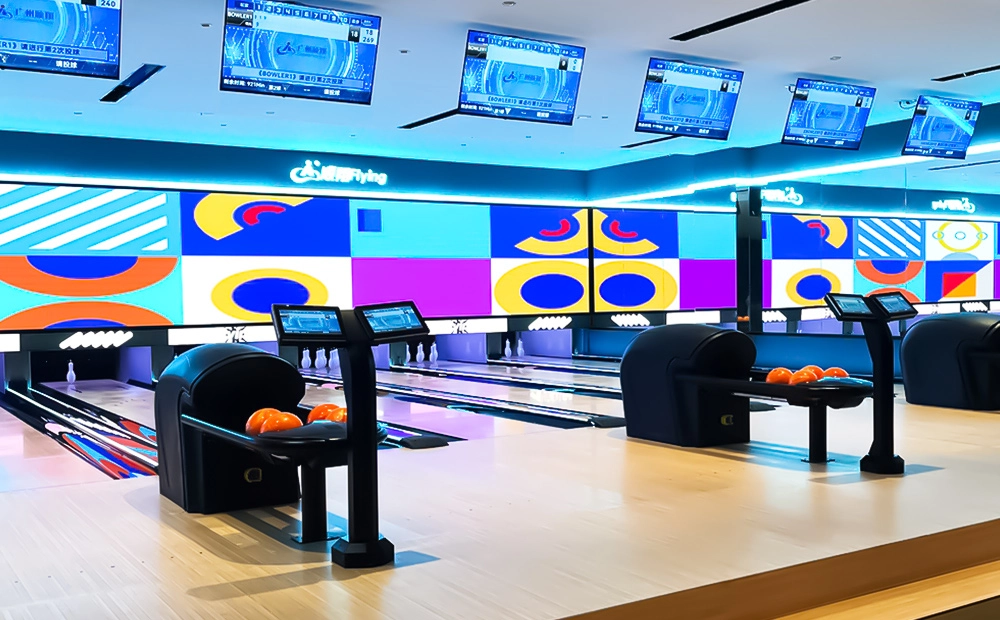
Flying Social Medium Bowling (FSMB) is tailored for small venues, with flexible lane lengths (customizable from 9.6 meters to 18 meters), a small ball design suitable for players of all ages, and light pins that are easier to knock down, increasing participation and fun.
Whether it is a gathering of friends or a casual social, FSMB can easily create a relaxed and pleasant atmosphere. Its efficient space-utilization design is particularly suitable for cafes, bars and community entertainment venues, allowing people to fall in love with bowling in a relaxed interaction.
Contact Flying
Start Your Custom Bowling Alley Project
If you contact us now for more details, we can provide you with a custom bowling alley service. Our service team will get back to you within 24 hours normally!
© 2026 Flying BOWLING. Designed by gooeyun.
FOLLOW US:
Flying Bowling
Flying Bowling
Flyingbowling
Flyingbowling