Whether you're opening a brand-new entertainment complex, renovating a legacy bowling alley, or sourcing professional-grade gear for competitive play, selecting the right bowling equipment manufacturer is arguably the single most important decision you'll make. The wrong choice can translate into decades of expensive maintenance headaches, poor lane performance, and underwhelming customer experiences. The right choice? It can anchor a thriving, profitable venue for 30 years or more.
This guide was built for bowling center owners and operators, real estate developers, pro shop managers, procurement managers at sports chains, and serious recreational bowlers who want authoritative, unbiased guidance. We've synthesized market research, competitor analysis, and hands-on industry data to give you the clearest possible picture of what's available, what's worth the investment, and where the industry is headed in 2026 and beyond.
Key Takeaway: The global bowling equipment market was valued at approximately $1.6 billion USD in 2024 and is projected to reach $2.3 billion by 2031, driven by the rise of "eatertainment" venues, string pinsetter adoption, and smart scoring technology.
1. Global Bowling Equipment Market Overview (2026)
The bowling industry has experienced a remarkable renaissance over the past decade. Once perceived as a declining pastime, bowling has reinvented itself as a premium social entertainment experience, anchored by upscale "bowling lounges," family entertainment centers (FECs), and hospitality-integrated venues where food, drinks, and technology are central to the experience.
This cultural shift has created explosive demand for modern, feature-rich equipment from bowling equipment manufacturers capable of delivering both high performance and entertainment-grade aesthetics. The market is no longer just about functional pins and lanes — it's about immersive environments that keep guests engaged.
$1.6B Global Bowling Equipment Market Size (2024)
$2.3B Projected Market Size by 2031
4.7% Compound Annual Growth Rate (CAGR) 2025–2033
95M+ Active Bowlers Globally
Who's Driving Demand?
Demand is being propelled by several distinct buyer segments, each with different priorities when sourcing from a bowling equipment manufacturer:
- New Venue Developers: Hospitality groups, hotel operators, and real estate developers adding bowling as a high-margin entertainment anchor, seeking complete turnkey solutions.
- Existing Center Renovators: Legacy bowling alleys modernizing to remain competitive, prioritizing retrofittable technologies and limited downtime during installation.
- Entertainment Center Operators: FEC and trampoline park operators adding mini bowling or boutique lanes as a secondary attraction.
- Competitive / Professional Venues: Tournament facilities and pro shops sourcing USBC-certified equipment for sanctioned league and competition play.
- International Markets: Rapid growth in Southeast Asia, the Middle East, and Eastern Europe where bowling is expanding as an aspirational leisure activity.
Regional Market Highlights
North America remains the largest single market, accounting for roughly 38% of global revenue, with the United States home to an estimated 4,000+ commercial bowling centers. However, growth rates are now faster in the Asia-Pacific region — particularly China, India, and Southeast Asia — where bowling is growing at a CAGR approaching 7–8%. The Middle East is also emerging as a high-value market, with luxury entertainment complexes incorporating premium bowling facilities in Saudi Arabia and the UAE.
2. Types of Bowling Equipment & Manufacturers
Before diving into specific manufacturers, it's essential to understand that "bowling equipment" is a broad category encompassing distinct product segments. Most manufacturers specialize in one or two of these areas, while only a handful — notably Brunswick — produce across all segments.
A. Bowling Center Infrastructure Equipment (B2B)
This is the capital-intensive category that forms the physical backbone of any bowling venue. Products include:
- Bowling Lanes: Wood (maple/pine) or high-density synthetic (HPL) lane surfaces, typically 60 feet long and 42 inches wide, with approach and pit areas.
- Pinsetters / Pin Machines: The mechanical system that resets pins after each delivery. Traditional "free-fall" machines (like the AMF 82-70) and modern string pinsetters are the two main technologies in use today.
- Automatic Scoring Systems: Camera- and sensor-based systems that detect pin falls, manage game logic, and display scores — often integrated with entertainment content.
- Ball Return Systems: The conveyor and elevator system that returns balls to the bowler after each delivery.
- Foul Detection Systems: Infrared or camera-based systems that detect if a bowler crosses the foul line.
- Lane Furniture & Seating: Settee seating, scoring consoles, and overhead monitor mounting systems.
B. Lane Maintenance Equipment (B2B / Specialty)
Lane conditioning is critical to both equipment longevity and consistent ball performance. Key products include lane oiling machines, lane cleaners, and lane oil products. Kegel is the globally recognized specialist in this niche, used at virtually every professional tournament worldwide.
C. Bowling Balls (B2C / B2B)
The most consumer-facing product category, bowling balls range from beginner polyester balls to high-performance reactive-resin and particle balls used by professional players. Key differentiators include coverstock material, core shape (which controls ball motion trajectory), and surface finish.
D. Bowling Shoes & Apparel (B2C)
Specialized bowling shoes feature sliding soles engineered for consistent approach mechanics. Dexter is the dominant player in this segment globally, known for its interchangeable sole and heel system.
E. Bags, Accessories & Maintenance (B2C)
This includes bowling ball bags (single and multiple-ball), ball cleaning equipment, wrist support devices, thumb slugs and inserts, rosin bags, and a wide range of performance accessories.
3. Top Bowling Equipment Manufacturers Ranked
Below we profile the most significant bowling equipment manufacturers in the global market, organized by their primary market focus. Note that several manufacturers serve both commercial facility operators and individual bowlers.
Commercial Venue Equipment Manufacturers (B2B)
QubicaAMF
B2B · Venues
The world's largest bowling equipment manufacturer by installed base, formed from the merger of Qubica (Italian scoring technology innovator) and AMF (the inventor of the automatic pinsetter in 1952). QubicaAMF serves customers in over 90 countries.
- BES X & BES NV scoring systems with integrated entertainment
- HyperBowling® interactive lane projection system
- Harmony and Freedom string pinsetter lines
- Full turnkey center design and project management
- EDGE scoring consoles with F&B integration
Brunswick Bowling Products
B2B + B2C
Founded in 1845, Brunswick is the most recognized name in bowling globally. Its commercial division manufactures lanes, pinsetters, scoring systems, and ball returns, while its consumer division produces balls, shoes, and bags under the Brunswick and Hammer brands.
- Sync Magnus center management platform
- GS-Series and AS-Series pinsetters
- Pro Lane synthetic and wood lane surfaces
- Integrated food & beverage and loyalty management
- Full product lifecycle support network
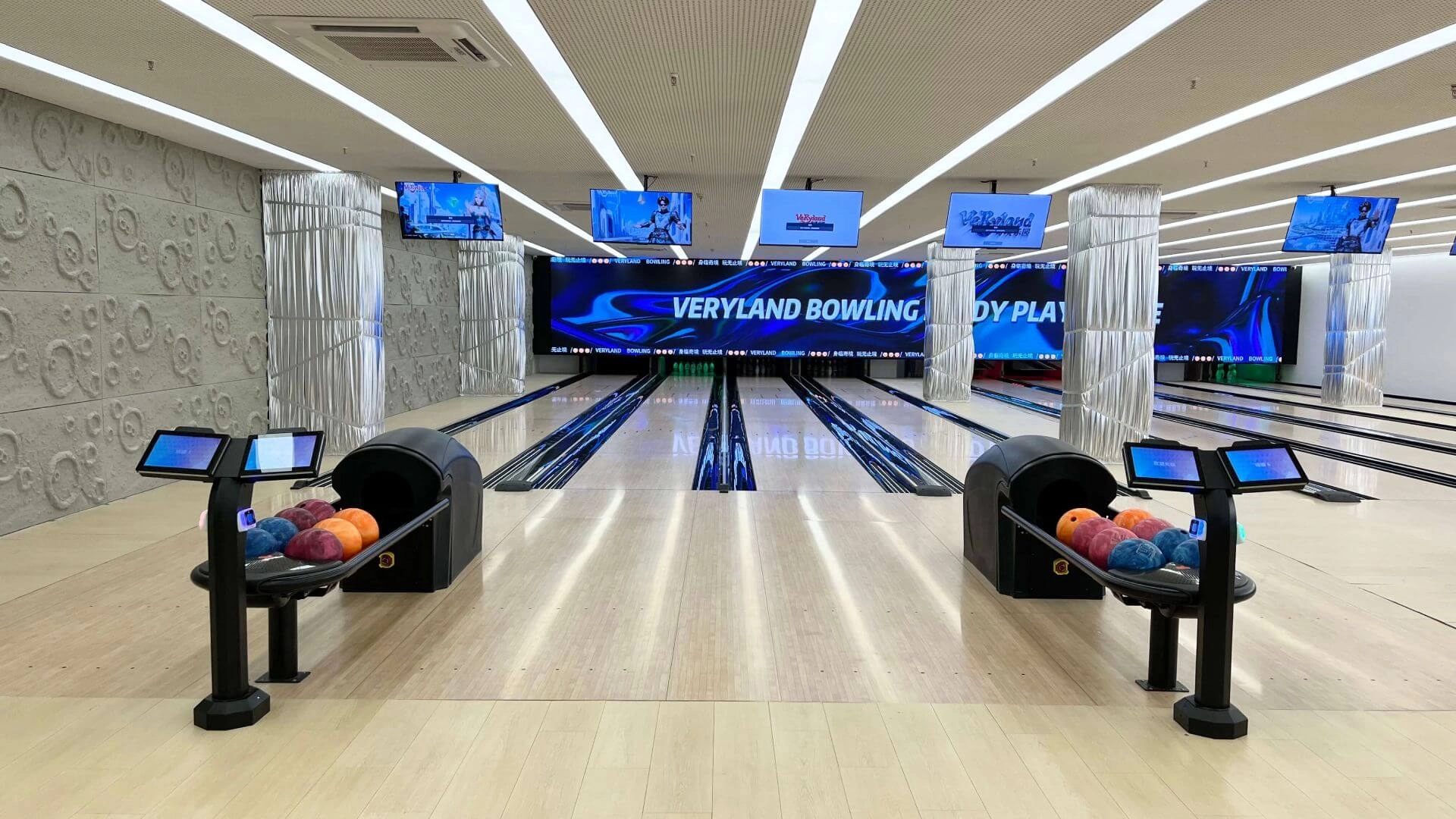
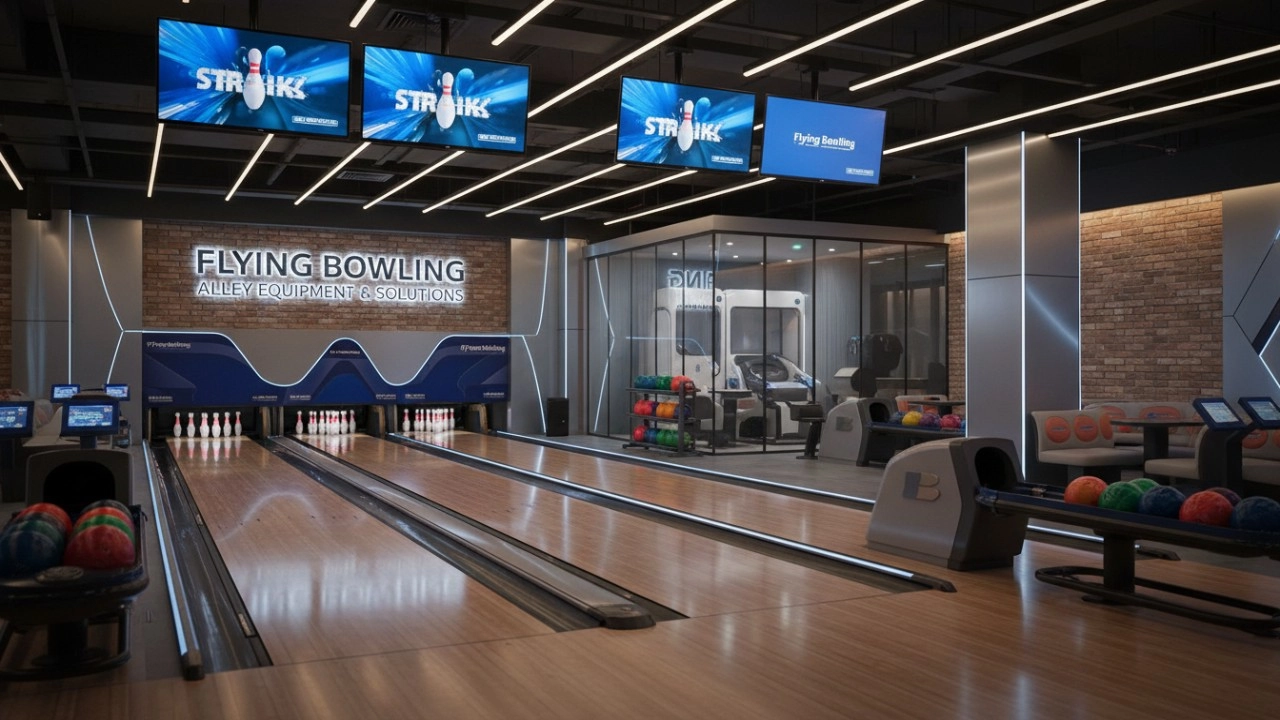
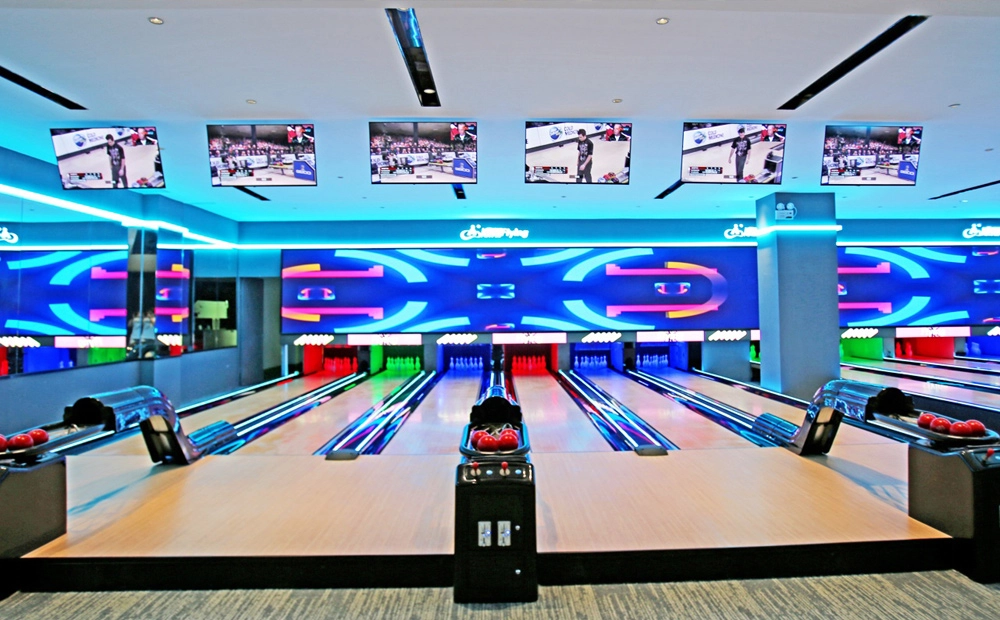
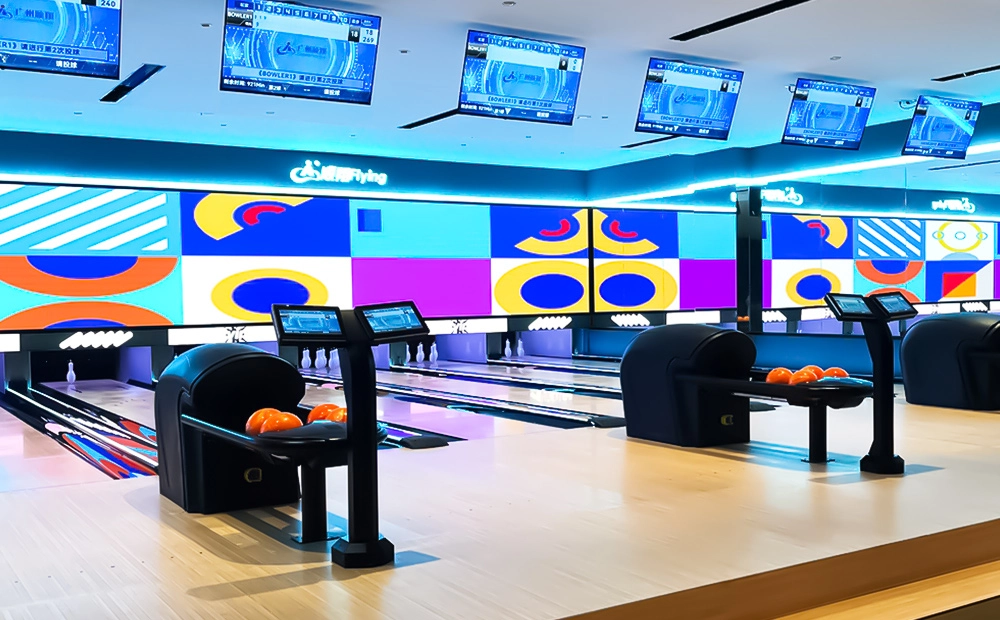
Flying Bowling
B2B · Global Supply
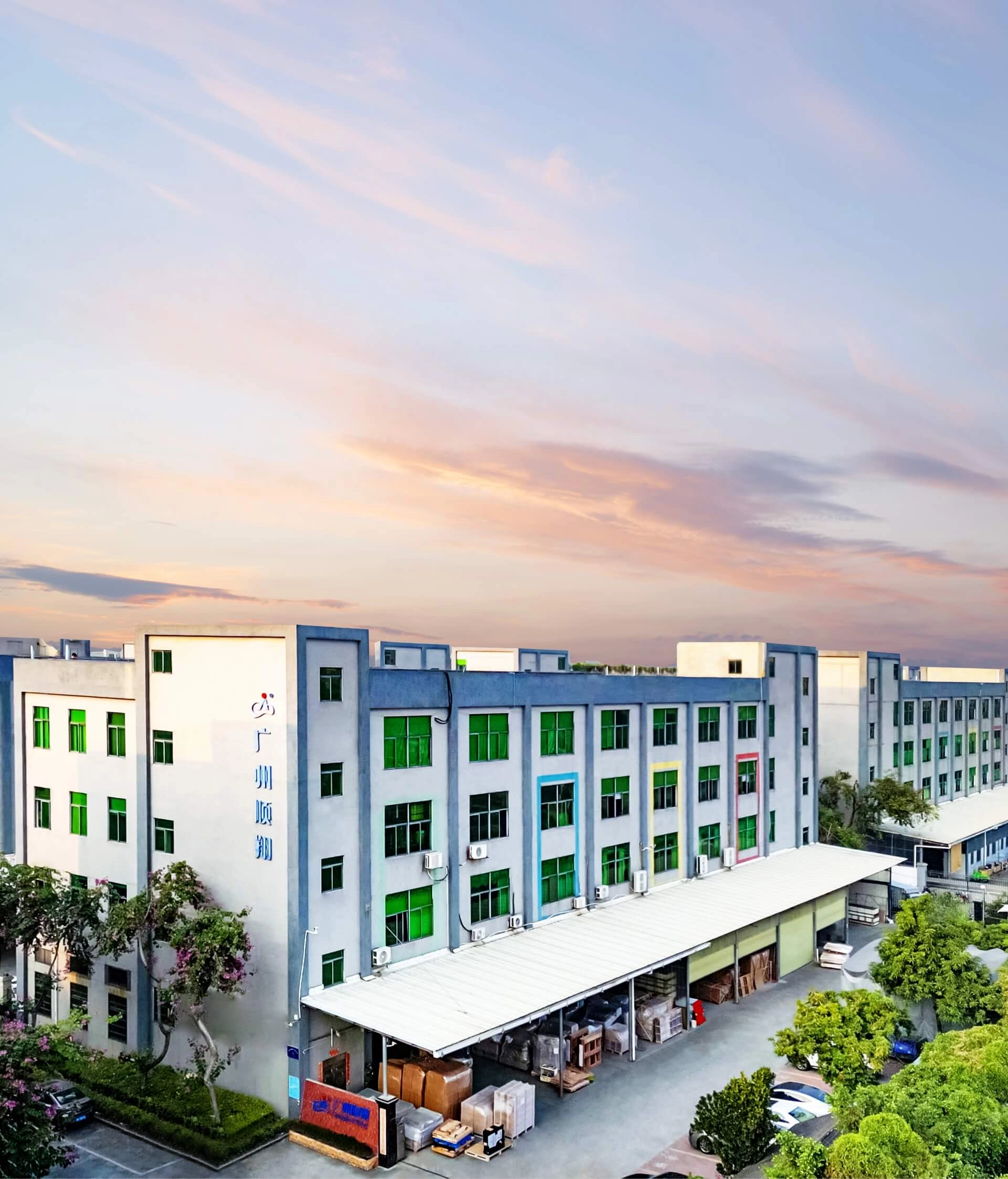
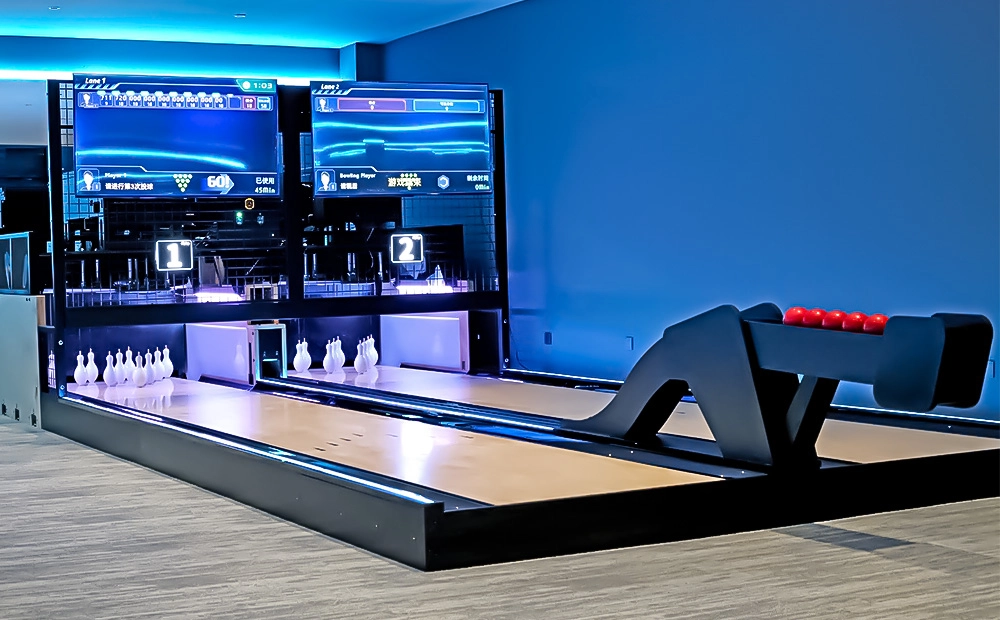
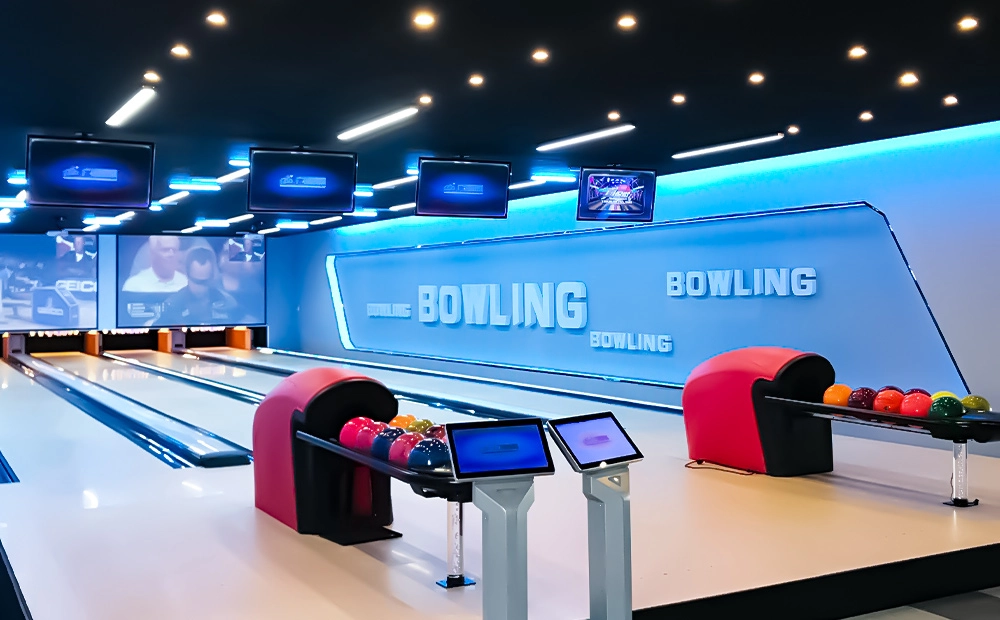
A fast-growing manufacturer based in China, Flying Bowling has established itself as a cost-competitive alternative for international markets, particularly in Asia, the Middle East, and emerging markets. Specializes in complete lane systems, string pinsetters, and mini bowling installations.
- Standard and duckpin bowling lane systems
- String pinsetters at competitive price points
- Mini bowling and boutique entertainment solutions
- Full turnkey project delivery globally
Funk Bowling
B2B · String Pinsetter Specialist
A dedicated string pinsetter manufacturer that has positioned itself as the technology leader in next-generation pin machines. Funk's pinsetters consume up to 75% less energy than traditional free-fall machines and are now USBC-certified for sanctioned play.
- Standard and duckpin string pinsetters
- Low energy consumption and maintenance design
- Compact footprint ideal for FEC installations
- USBC-certified for sanctioned competition
Kegel
B2B · Lane Maintenance
The undisputed global authority in lane conditioning, Kegel equipment is used at virtually every major bowling tournament worldwide, including all PBA Tour events and USBC championships. Its lane machines and oil products set the technical standard for the industry.
- Kustodian ION lane machine (tournament standard)
- Flex lane maintenance system
- Kegel lane oil and conditioner formulations
- Lane pattern consulting and certification services
Steltronic
B2B · Scoring Systems
An Italian manufacturer specializing in advanced bowling center management and scoring systems. Known for elegant interface design, Steltronic systems are popular in European venues and boutique bowling concepts globally.
- Focus & Touch scoring systems
- EVO center management software
- Integrated booking and point-of-sale modules
- Compatible with most pinsetter brands
Consumer & Performance Equipment Manufacturers (B2C)
Storm Products Inc. (SPI)
B2C · High Performance
The most dominant force in the high-performance bowling ball market, Storm Products (and its sibling brands Roto Grip and 900 Global) consistently dominates PBA Tour title counts and retail market share. Storm is renowned for engineering innovation and distinctive ball aesthetics.
- Reactive-resin and hybrid coverstocks
- Scent-infused ball technology (a Storm signature)
- Advanced asymmetric core designs (e.g., Velocity Core)
- Roto Grip and 900 Global sub-brands
Hammer Bowling
B2C · Iconic Performance
A storied brand under the Brunswick Corporation umbrella, Hammer is famous for its urethane ball technology and the legendary "Black Widow" series. Hammer appeals strongly to experienced bowlers who prefer a controlled, predictable ball motion.
- Black Widow series (reactive resin & urethane)
- Diesel and Scandal urethane balls
- Performance bowling bags and accessories
- Used extensively on the PBA Tour
Motiv Bowling
B2C · Precision Engineering
A boutique, independently-owned ball manufacturer known for precision engineering and distinctive Neo-Mark graphic designs. Motiv has built a loyal following among competitive league bowlers who value unique ball motion characteristics.
- Jackal, Venom, and Forge series balls
- Micro-track coverstock technology
- Distinctive graphic colorways and limited editions
- Strong presence in USBC-sanctioned competitions
Dexter Bowling
B2C · Footwear Leader
The global market leader in bowling footwear. Dexter's patented interchangeable sole and heel system (S8 & T.H.E. 9 series) allows bowlers to customize their slide and traction for any lane condition, a feature that has made Dexter the default choice for serious competitive bowlers.
- S8 and T.H.E. 9 interchangeable sole systems
- Rental shoe programs for bowling centers
- Wide range of styles from beginner to tour-level
- Strong retailer and pro shop network
Pro Tip: For competitive bowlers, ball selection should be guided by the lane oil pattern you typically encounter, your delivery style (speed, rev rate, axis tilt), and your desired ball motion shape. Visit a certified pro shop for a professional ball fitting before making a purchase.
4. Side-by-Side Manufacturer Comparison
Use this comparison table to quickly assess which bowling equipment manufacturers align with your specific project needs.
| Manufacturer |
Turnkey Venue |
Scoring Systems |
Pinsetters |
Bowling Balls |
Lane Surfaces |
Service Network |
Price Tier |
| QubicaAMF |
✓ |
✓✓ |
✓ |
— |
✓ |
Global (90+ countries) |
Premium |
| Brunswick |
✓ |
✓ |
✓ |
✓ |
✓ |
Global (widest) |
Premium |
| Funk Bowling |
— |
— |
✓✓ |
— |
— |
NA, Europe, expanding |
Mid–Premium |
| Flying Bowling |
✓ |
✓ |
✓ |
— |
✓ |
Global (project-based) |
Mid-Range |
| Steltronic |
— |
✓✓ |
— |
— |
— |
Europe, International |
Mid–Premium |
| Kegel |
— |
— |
— |
— |
— |
Global (tournament) |
Specialty |
| Storm / SPI |
— |
— |
— |
✓✓ |
— |
Global (retail & online) |
Mid–Premium |
| Hammer |
— |
— |
— |
✓✓ |
— |
Global (retail) |
Mid–Premium |
| Dexter |
— |
— |
— |
— |
— |
Global (retail) |
Entry–Premium |
5. How to Choose the Right Manufacturer: 8 Critical Criteria
With multiple credible bowling equipment manufacturers competing for your business, the selection process must go beyond brochure comparisons and sales pitches. Here are the eight criteria that industry veterans and procurement experts consistently cite as most important:
-
Product Quality & Durability
Commercial bowling equipment is expected to operate 10–16 hours per day, 365 days a year, for 15–30 years. Request detailed specifications for materials, manufacturing tolerances, and mean time between failures (MTBF) for mechanical components. Ask for references from centers that have operated the equipment for 10+ years.
-
After-Sales Service & Technical Support
A broken pinsetter or offline scoring system directly costs you revenue — every hour of downtime is money lost. Evaluate the manufacturer's service network: Do they have certified technicians in your region? What is their typical response time for emergency service calls? Is remote diagnostics available?
-
Spare Parts Availability
This is one of the most commonly underestimated criteria. Confirm that critical spare parts are stocked locally or can be shipped within 24–48 hours. Proprietary components with long lead times are a significant operational risk. Ask about the manufacturer's parts availability commitment for the equipment's expected operational life.
-
Total Cost of Ownership (TCO)
The initial purchase price is only one component of cost. Factor in installation, training, annual maintenance contracts, energy consumption, consumables, and expected parts replacement over a 15-year lifecycle. String pinsetters, for example, have a higher upfront cost than used free-fall machines but can offer TCO savings of 40–60% over a decade.
-
Technology & Innovation Roadmap
Evaluate whether the manufacturer is investing in next-generation technologies — smart scoring, interactive lane experiences, IoT-enabled maintenance monitoring, mobile integration. A manufacturer with no innovation pipeline may leave you operating obsolete equipment in 5 years.
-
Certifications & Compliance
For venues hosting USBC-sanctioned leagues or tournaments, all equipment must meet USBC specifications. Confirm the manufacturer holds relevant certifications (USBC, CE, ISO 9001) and that their certifications are current and applicable to your intended use case.
-
Installation & Project Management Capability
Complex multi-lane installations require experienced project management. Assess the manufacturer's (or their authorized dealer's) track record with projects of similar scale and complexity. Request a detailed project timeline, phasing plan, and contingency protocols.
-
Sustainability Practices
Increasingly important for venue operators targeting younger demographics and ESG-conscious investors. Look for manufacturers using recycled materials in lane production, energy-efficient equipment designs, and published sustainability commitments.
6. Step-by-Step Buyer's Process
Follow this structured process to minimize risk and maximize value when sourcing from a bowling equipment manufacturer:
1
Define Your Project Scope & Budget
Start with a clear project brief: number of lanes, venue format (traditional bowling center, FEC, boutique lounge), projected daily throughput, target market segment, and total capital budget. A well-defined scope prevents scope creep and enables apples-to-apples comparison between manufacturers.
2
Research & Shortlist Manufacturers
Use this guide as your starting point, then visit trade shows (Bowl Expo, IAAPA Expo), request referrals from industry associations (IBPSIA, BPA), and conduct LinkedIn outreach to operators who've recently installed new centers. Create a shortlist of 3–4 manufacturers that match your segment and budget.
3
Request Detailed Proposals & Site Visits
Issue a formal RFP (Request for Proposal) to your shortlisted manufacturers. A credible RFP response should include: itemized equipment specifications, reference installations, project timeline, warranty terms, maintenance contract options, and total cost of ownership analysis.
4
Visit Reference Installations
This step is non-negotiable for major capital investments. Ask each manufacturer for contact details of 3–5 customers who've operated their equipment for 5+ years. Visit at least two installations, speak directly with the operator and maintenance staff, and observe the equipment under actual operating conditions.
5
Evaluate Service Network & Support Infrastructure
Request a map of the manufacturer's certified service technicians within your region. Call the manufacturer's service hotline and assess response times. Ask about the availability of 24/7 remote technical support and the average resolution time for emergency service issues.
6
Negotiate Contract Terms
Key contract terms to negotiate include: warranty period and scope, spare parts pricing guarantees, response time SLAs for service calls, software update rights, training provisions, and payment milestones tied to installation completion stages.
7
Plan for Staff Training & Soft Opening
Ensure the manufacturer's contract includes comprehensive training for your operations and maintenance staff. Plan for a soft opening period of 2–4 weeks to identify and resolve any technical issues before full commercial launch.
7. 2026–2028 Industry Trends & Technology Innovations
The bowling equipment manufacturing sector is in the midst of its most significant technological transformation in decades. Here are the key trends that forward-thinking operators and buyers must understand when evaluating bowling equipment manufacturers in 2026:
🔗
String Pinsetter Dominance
String pinsetters have crossed the mainstream adoption threshold. With USBC certification now granted, energy savings of up to 75%, and maintenance requirements a fraction of traditional free-fall machines, string pinsetters are becoming the default specification for nearly all new center builds globally. The technology also enables duckpin and mini bowling formats at dramatically lower operating costs.
🎮
Interactive & Immersive Lanes
Products like QubicaAMF's HyperBowling® transform the lane surface into an interactive video game using high-powered projectors and real-time scoring integration. These systems can increase per-game revenue by 40–80% in entertainment venues and dramatically expand the addressable market to non-traditional bowlers who prioritize fun over sport. Expect this category to grow rapidly through 2028.
📱
Smart Technology & IoT Integration
IoT-enabled pinsetters and scoring systems that transmit real-time operational data to facility management software are enabling predictive maintenance, reducing unplanned downtime. Bowling balls with embedded sensors that track rev rate, axis tilt, and ball speed are now commercially available. Mobile-first scoring interfaces allow players to manage their game from their smartphone — a critical feature for younger demographics.
🌿
Sustainability & Green Manufacturing
Leading manufacturers are responding to growing ESG demands with bio-composite lane materials, energy-efficient LED scoring displays, water-based lane conditioners, and recycled-material bowling balls. Brunswick and QubicaAMF have both published sustainability roadmaps committing to significant carbon footprint reductions by 2030. Operators in markets with strong ESG-conscious consumer bases are increasingly weighting sustainability in procurement decisions.
Emerging Trend to Watch: AI-powered lane condition analysis — systems that use machine vision to automatically measure oil carrydown and surface wear, then automatically adjust oil application patterns — are entering commercial pilot phase with several manufacturers. Expect commercial availability by 2027–2028.
8. Costs & Budget Planning for Bowling Equipment
Understanding typical cost ranges is essential for realistic financial planning. Note that costs vary significantly by region, installation complexity, and the specific manufacturer and technology selected. The following figures are indicative for North American and Western European markets as of 2026:
Commercial Lane System Costs (Per Lane, Fully Installed)
| Component |
Budget Option |
Mid-Range |
Premium |
| Synthetic Lane Surface (installed) |
$4,000–$6,000 |
$6,000–$10,000 |
$10,000–$18,000 |
| String Pinsetter |
$8,000–$12,000 |
$12,000–$18,000 |
$18,000–$28,000 |
| Scoring System (per lane share) |
$1,500–$2,500 |
$2,500–$5,000 |
$5,000–$10,000+ |
| Ball Return System |
$2,000–$3,500 |
$3,500–$6,000 |
$6,000–$10,000 |
| Seating & Furniture |
$800–$1,500 |
$1,500–$3,500 |
$3,500–$8,000+ |
| Total Per Lane (Indicative) |
$16,000–$26,000 |
$26,000–$43,000 |
$43,000–$75,000+ |
Consumer Equipment Costs
| Product |
Entry Level |
Intermediate |
High Performance |
| Bowling Ball (new) |
$40–$80 |
$80–$180 |
$180–$300+ |
| Bowling Shoes |
$30–$60 |
$60–$120 |
$120–$260+ |
| Bowling Bag (1-ball) |
$20–$40 |
$40–$80 |
$80–$160+ |
Budget Tip: For operators in emerging markets or those with constrained capital, refurbished bowling equipment from reputable dealers can offer significant savings. However, always verify the equipment's operational history and ensure spare parts are still available before purchasing. Refurbished free-fall pinsetters from AMF or Brunswick can be acquired for $3,000–$6,000 per lane but carry higher ongoing maintenance costs.
9. Key Certifications & Standards to Look For
When evaluating any bowling equipment manufacturer, certification compliance is a baseline requirement — not an optional add-on. Here are the key standards relevant to different markets and use cases:
Equipment Certifications
- USBC (United States Bowling Congress) Certification: Mandatory for any equipment used in USBC-sanctioned league or tournament play in the United States and recognized internationally. Covers balls, pinsetters, lane dimensions and oil patterns.
- World Bowling Technical Specifications: International standard governing lane dimensions, pin specifications, ball specifications, and pinsetter performance for international competitive play.
- CE Marking (European Conformity): Required for all electrical and mechanical equipment sold in EU member states and several other European countries. Demonstrates compliance with EU safety, health, and environmental protection standards.
- UKCA Marking: The UK equivalent of CE marking, required for equipment placed on the market in Great Britain post-Brexit.
Quality & Environmental Certifications
- ISO 9001: Quality management system certification. Look for manufacturers with current ISO 9001 certification as evidence of systematic quality control processes.
- ISO 14001: Environmental management certification. Indicates the manufacturer has a systematic approach to reducing environmental impact — increasingly important for sustainability-focused buyers.
- RoHS Compliance: Restriction of Hazardous Substances directive — important for electronic scoring system components sold in EU markets.
Important: Always request copies of current, valid certification documents directly from the manufacturer. Certifications can expire or be product-specific. Verify that the specific products you intend to purchase are covered by the cited certifications.
🎳 Ready to Start Your Bowling Equipment Project?
Download our free Manufacturer Evaluation Checklist and RFP Template — built from industry best practices to help you source smarter and negotiate better.
Download Free Checklist →
10. Frequently Asked Questions
Who are the top bowling equipment manufacturers in 2026? +
The leading bowling equipment manufacturers include Brunswick Bowling (the broadest product range globally), QubicaAMF (largest installed base in commercial venues), Storm Products Inc. (dominant in high-performance balls), Hammer (iconic urethane and reactive resin balls), Motiv (precision-engineered competitive balls), Dexter (global footwear leader), Kegel (lane maintenance gold standard), and Funk Bowling (next-generation string pinsetters). Each excels in specific segments of the market.
How much does commercial bowling alley equipment cost? +
A fully installed commercial bowling lane system (lane surface, pinsetter, scoring system, ball return, and seating) typically ranges from $16,000 to $75,000+ per lane, depending on the technology tier and manufacturer selected. A 12-lane entertainment venue with mid-range equipment should budget approximately $400,000–$600,000 for equipment and installation alone, before construction, FF&E, and pre-opening costs.
What is a string pinsetter and why is it important? +
A string pinsetter uses nylon strings attached to each pin to lift and reset them after each delivery, replacing the traditional free-fall pinsetter mechanism that physically sweeps and re-spots pins. String pinsetters consume up to 75% less energy than free-fall machines, require significantly less maintenance (no complex mechanical timing systems), are quieter in operation, and are now USBC-certified for sanctioned league and tournament play. Leading string pinsetter manufacturers include Funk Bowling, QubicaAMF (Harmony series), and Flying Bowling.
How do I choose the right bowling equipment manufacturer for my project? +
The eight most critical criteria are: (1) product quality and durability, (2) after-sales service and technical support, (3) spare parts availability, (4) total cost of ownership (TCO), (5) technology and innovation roadmap, (6) certifications and compliance, (7) installation and project management capability, and (8) sustainability practices. Always visit multiple reference installations before making a final decision, and negotiate detailed SLA terms for service response times into your contract.
What certifications should a bowling equipment manufacturer have? +
For commercial venue equipment: USBC certification (if operating in or selling to the US market), World Bowling technical compliance for international competition use, CE marking for European markets, and ISO 9001 for quality management assurance. For consumer products (balls, shoes), USBC ball approval is the primary certification relevant for competitive play. Always verify that specific product SKUs — not just the manufacturer — hold the relevant certifications.
How long does bowling equipment last? +
Well-maintained commercial bowling equipment from premium manufacturers is designed for a 15–30 year operational life. Synthetic lane surfaces typically have a practical lifespan of 20+ years with proper maintenance. Pinsetters, with regular maintenance and parts replacement, can operate for 20–25 years. Scoring system hardware and software typically requires upgrading every 8–12 years as technology advances. Proper lane conditioning maintenance is the single biggest factor in extending lane surface lifespan.
Can I mix equipment from different manufacturers? +
Yes, in many cases. For example, it's common to use Steltronic scoring systems with Brunswick lane surfaces and Funk string pinsetters. However, integration complexity increases when mixing manufacturers, and you should confirm compatibility in writing before purchasing. Mixing manufacturers also means managing multiple service relationships and parts inventories. For operators prioritizing simplicity, a single-manufacturer turnkey solution (Brunswick or QubicaAMF) often delivers the lowest operational overhead, even if the initial cost is higher.
11. Conclusion & Final Recommendations
The global bowling equipment manufacturing landscape in 2026 is more diverse, technologically advanced, and competitive than at any point in the sport's history. Whether you're a commercial venue developer seeking a full turnkey solution, an existing center operator looking to modernize, or a competitive bowler hunting for a performance edge, there has never been a better time to be in the market.
Our Recommendations by Buyer Type
For New Commercial Venue Developers:
QubicaAMF or Brunswick are the safest choices for large-scale projects requiring full turnkey delivery, deep service networks, and proven technology. For entertainment-focused "bowling lounge" concepts, QubicaAMF's HyperBowling and digital entertainment ecosystem offer a differentiated competitive advantage. For cost-sensitive international projects, Flying Bowling deserves serious evaluation.
For Pinsetter Replacement / Modernization Projects:
Funk Bowling string pinsetters are our top recommendation for energy efficiency and reduced maintenance burden. QubicaAMF's Harmony series is a solid alternative with the added benefit of seamless integration with their scoring platform.
For Professional & Competitive Bowlers (Balls):
Storm Products Inc. (and Roto Grip / 900 Global sub-brands) dominate the high-performance ball market for good reason — their engineering investment and competitive results speak for themselves. Motiv is an excellent choice for bowlers seeking unique ball motion characteristics. For urethane devotees, Hammer remains unchallenged.
For Lane Maintenance:
There is no credible alternative to Kegel for tournament-grade lane conditioning equipment and oil products. For recreational centers, Kegel's professional-grade Kustodian machines are worth the investment in lane surface longevity alone.
Whatever your specific requirements, the foundation of a successful bowling equipment procurement is the same: do your research thoroughly, visit reference installations, negotiate robust service terms, and think in total cost of ownership — not just purchase price. The manufacturers featured in this guide represent the industry's best — your task is to identify which one best aligns with your specific project goals, budget, and operational context.
Final Tip: Attend Bowl Expo (the annual trade show of the Bowling Proprietors' Association of America) and IAAPA Expo to meet manufacturer representatives, see equipment live, and network with operators who can provide candid, unfiltered assessments of their vendor relationships. There is no substitute for firsthand industry intelligence.



Flying Bowling
Flying Bowling
Flyingbowling
Flyingbowling