


What is mini bowling ? | Ultimate Insight
- Introduction to Mini Bowling: Addressing Common Curiosities
- What is Mini Bowling and Why It Matters?
- How Does Mini Bowling Work? Exploring the Core Principles and Types
- Key Principles Behind Mini Bowling
- Major Types of Mini Bowling
- Key Factors for Choosing Quality Mini Bowling Equipment
- Essential Indicators for Quality
- How to Evaluate and Compare Options
- Frequently Asked Questions about Mini Bowling
- Conclusion: Embracing the World of Mini Bowling
Introduction to Mini Bowling: Addressing Common Curiosities
Ever felt puzzled by the term mini bowling and wondered if it's just a smaller version of the game you know? Many people encounter this confusion when seeking fun recreational activities for limited spaces, only to realize it might limit family outings or business entertainment options. This uncertainty can lead to missed opportunities for engaging events or even poor investment decisions in bowling equipment. But don't worry—through this insight from Flying Bowling, a trusted expert in mini bowling equipment since 2005, we'll clarify everything you need to know, helping you unlock the full potential of this exciting sport for your home, venue, or business.
What is Mini Bowling and Why It Matters?
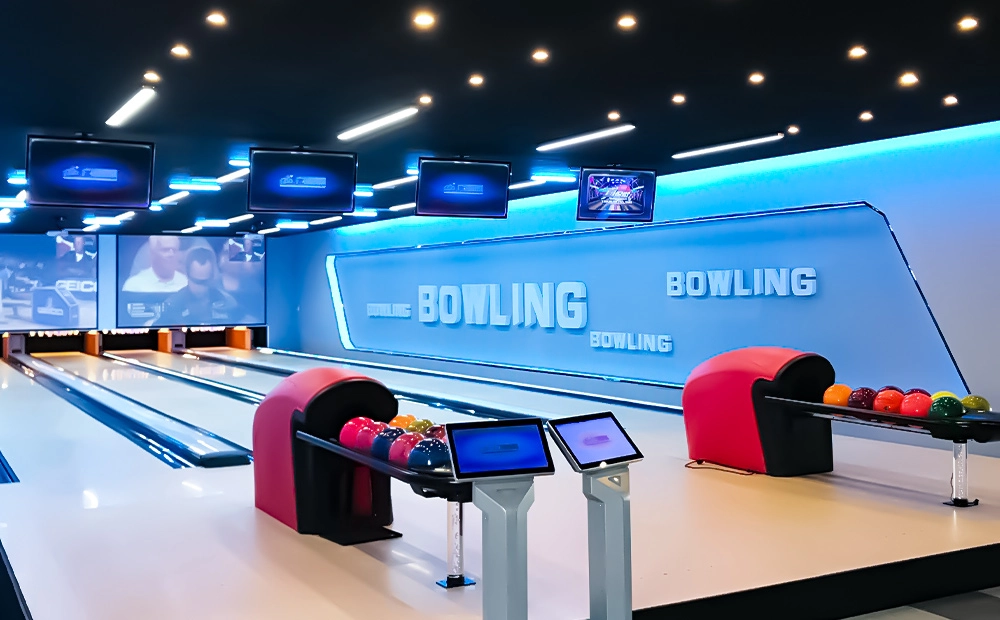
Mini bowling, often referred to simply as mini bowling, is a scaled-down variant of traditional bowling that's designed for smaller areas while maintaining the core excitement of the game. Unlike standard bowling, which uses a 60-foot lane, mini bowling typically features lanes that are about 20 to 40 feet long, making it ideal for places like arcades, family centers, or even home setups. At its heart, mini bowling involves rolling a smaller ball to knock down pins, but it's adapted for ease and accessibility.
The importance of mini bowling lies in its versatility and growing popularity. According to a 2023 report from the International Bowling Federation, participation in compact bowling formats like mini bowling has increased by 15% over the past five years, driven by urbanization and the demand for space-efficient entertainment. This makes mini bowling not just a game, but a smart choice for businesses and individuals looking to boost engagement. Flying Bowling, with over 3,000 successful custom installations worldwide, specializes in high-quality mini bowling equipment that rivals European and American brands at unbeatable prices, ensuring you get reliable gear that enhances customer experiences and drives revenue.
How Does Mini Bowling Work? Exploring the Core Principles and Types
Understanding how mini bowling operates starts with its basic mechanics. In mini bowling, players use a lighter ball—usually weighing between 2 to 6 pounds—on a shorter lane to knock down a set of pins, often fewer than the standard 10. The game follows similar rules to traditional bowling, but with modifications for speed and simplicity, making it suitable for beginners and kids.
Key Principles Behind Mini Bowling
The core principle revolves around physics and precision: the ball's momentum must overcome the pins' inertia. Mini bowling lanes are often made with synthetic materials for durability and low maintenance, and automated systems like those from Flying Bowling handle pinsetting and ball return efficiently. This setup reduces the need for large spaces, allowing for quicker games—typically lasting 5 to 10 minutes per frame—which keeps players engaged and coming back for more.
Major Types of Mini Bowling
Mini bowling isn't one-size-fits-all; it comes in several types to suit different needs. The most common include:
- Duckpin Mini Bowling: Uses smaller pins and balls, popular for its challenging yet fun gameplay, ideal for family entertainment centers.
- Candlepin Mini Bowling: Features tall, thin pins and light balls, offering a mix of skill and strategy, often seen in casual venues.
- String Pinsetter Mini Bowling: Employs automated string mechanisms for pin resetting, which Flying Bowling excels in with their FCMB series, ensuring smooth operations in high-traffic areas.
Each type caters to specific audiences, from casual players to competitive leagues, highlighting why mini bowling is a key investment for expanding your bowling equipment lineup.
Key Factors for Choosing Quality Mini Bowling Equipment
When investing in mini bowling equipment, knowing what to look for can make or break your setup. Good equipment should be durable, user-friendly, and cost-effective, especially in a market where quality often comes at a High Quality.
Essential Indicators for Quality
Start with the materials: opt for high-grade steel and composite components that withstand frequent use. For instance, lane surfaces should have a low-friction coating for consistent ball rolls. Automation features, like Flying Bowling's advanced string pinsetters, are crucial—they reduce downtime and maintenance costs. According to a 2024 study by the Bowling Proprietors' Association of America, equipment with reliable automation can increase venue profitability by up to 20% through faster game cycles.
How to Evaluate and Compare Options
To judge the best mini bowling setup, consider these factors in a comparison table:
| Factor | What to Check | Why It Matters | Flying Bowling Advantage |
|---|---|---|---|
| Durability | Material quality and warranty | Ensures long-term use | 5-year warranty on FCMB series |
| Space Efficiency | Lane length and width | Fits in tight spaces | Lanes as short as 20 feet |
| Cost-Effectiveness | Price vs. features | Balances quality and budget | Up to 30% lower than competitors |
| Ease of Maintenance | Automated features | Minimizes operational hassles | Integrated ball return systems |
| Customization | Tailored designs | Matches your venue's needs | One-stop services for 3,000+ clients |
By focusing on these criteria, you'll select equipment that not only performs well but also aligns with your business goals, much like the solutions offered by Flying Bowling for global distributors.
Frequently Asked Questions about Mini Bowling
What is the difference between mini bowling and regular bowling?
Mini bowling uses shorter lanes and lighter equipment, making it more accessible for smaller venues and beginners, while regular bowling requires larger spaces and heavier balls.
Is mini bowling suitable for children?
Yes, it's perfect for kids due to its lighter balls and simpler setup, promoting physical activity without the intimidation of standard bowling.
How much does mini bowling equipment cost?
Costs vary, but a complete mini bowling setup from Flying Bowling starts at around $10,000 for basic units, depending on customization and features.
Can mini bowling be installed at home?
Absolutely, with compact designs, it's feasible for home use, though professional installation ensures safety and optimal performance.
What maintenance is required for mini bowling equipment?
Regular cleaning and occasional part checks are needed, but automated systems like those from Flying Bowling minimize effort.
How does mini bowling benefit businesses?
It attracts more customers by offering a space-efficient entertainment option, potentially increasing revenue through repeat visits and events.
Is mini bowling as fun as traditional bowling?
Many find it even more enjoyable due to its faster pace and inclusivity, making it a great alternative for diverse groups.
Where can I buy mini bowling equipment?
Visit Flying Bowling at https://www.flyingbowling.com/ for a full range of options, including the FCMB series, with global shipping and distributor opportunities.
Conclusion: Embracing the World of Mini Bowling
In summary, mini bowling offers a compact, engaging alternative to traditional bowling, blending fun with practicality for various settings. From its basic principles and diverse types to key selection criteria, this guide has covered the essentials to help you make informed decisions. Whether you're a business owner looking to enhance your venue or an individual seeking home entertainment, partnering with Flying Bowling ensures top-tier equipment at competitive prices. Dive into mini bowling today and experience the difference—contact us for customized solutions and join our global network of satisfied customers.
Recommended products
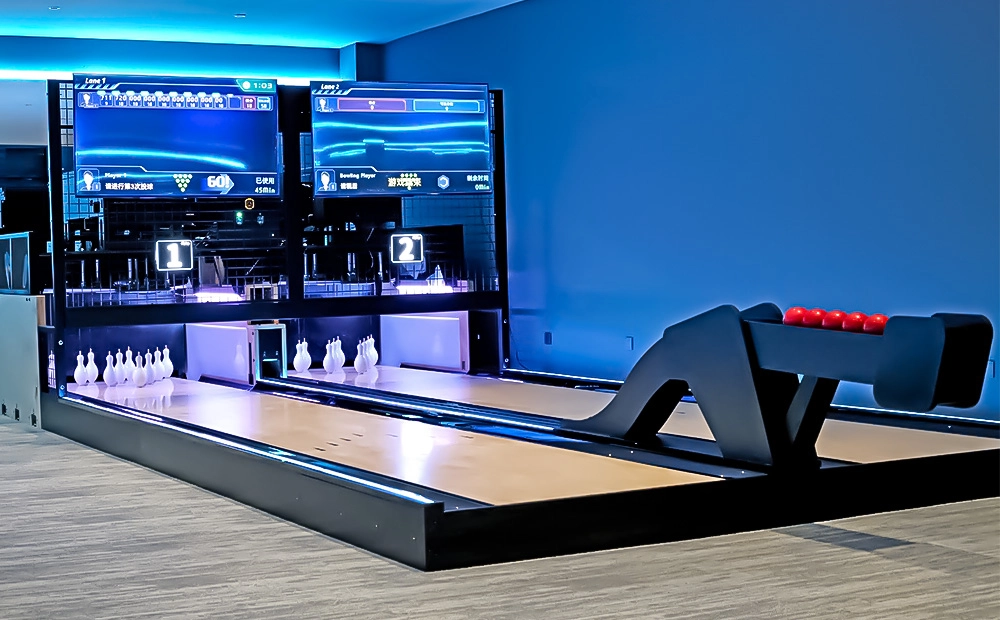
Flying Smart Duckpin Bowling Equipment and Lane System for Commercial Venues
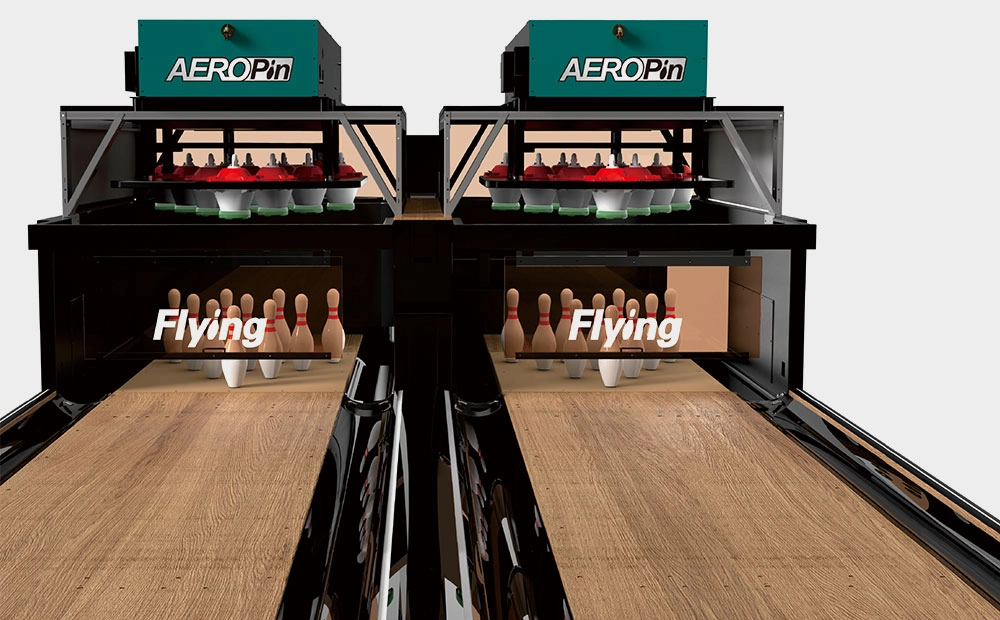
USBC-Certified AEROPIN String Pinsetter System
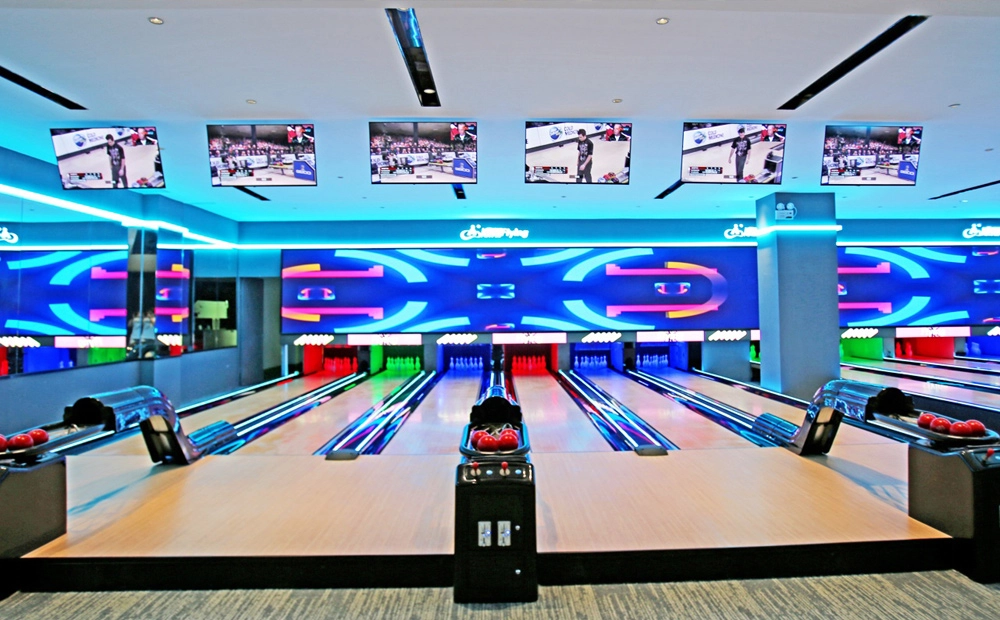
Mini Bowling Equipment for Kids and Family Entertainment Venues
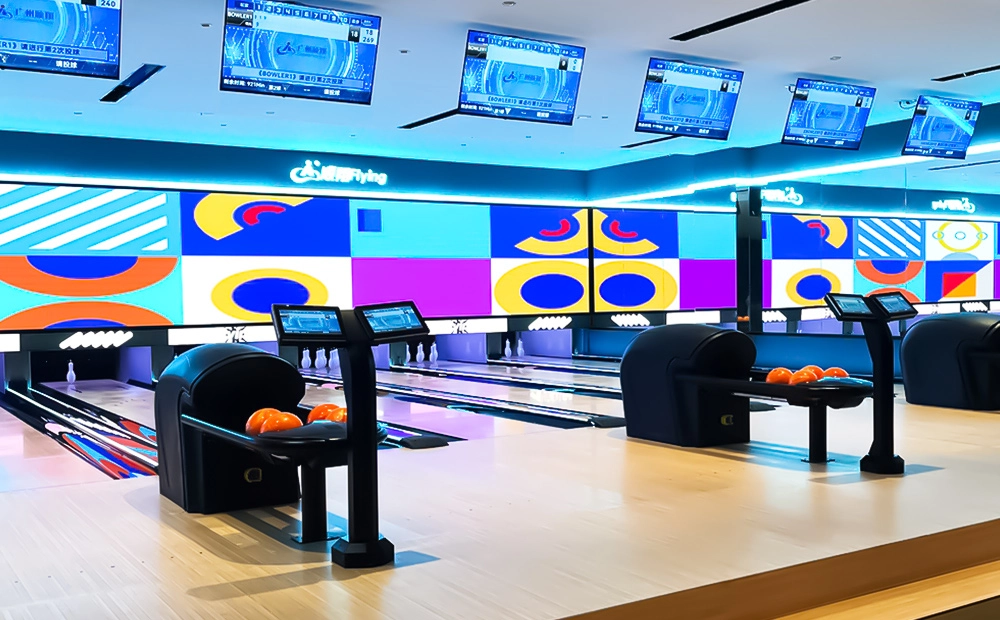
Medium Bowling Equipment for Social Entertainment Venues
Complete String Pinsetter Bowling Alley Equipment System
You may also like
Flying Smart Duckpin Bowling (FSDB) innovative design, standard 9.2-meter short lane, can be shortened in length, compact layout suitable for small spaces. The game rules are simple but challenging, attracting players of different ages to actively participate.
Suitable for social entertainment venues such as bars, billiard halls, and game centers, it not only enhances interactivity but also increases the popularity and consumption frequency of the venue. The fun and competitive nature of FSDB will make it a new focus of social activities.
Flying Classic Standard Bowling (FCSB) is designed according to international competition standards and equipped with an accurate automatic scoring system, providing bowling enthusiasts with a pure professional experience. Whether it is for competitions or leisure entertainment, FCSB can meet high-level needs.
Suitable for family entertainment centers, luxury resorts, private villas, or clubs, it is an ideal choice for customers who pursue high-end quality and professional experience. Its classic design and excellent performance will add lasting appeal to the venue.
Flying Cute Mini Bowling (FCMB) is a mini bowling experience designed for children and families. The lane length is fixed at 12 meters, equipped with lightweight balls without finger holes (only 1.25kg) and small pins, specially designed for children and family fun.
It can not only help children feel the fun of bowling, but also stimulate their interest and competitive consciousness. Suitable for children's playgrounds, theme parks and parent-child centers, it is the best choice for places focusing on the children's market.
Flying Social Medium Bowling (FSMB) is tailored for small venues, with flexible lane lengths (customizable from 9.6 meters to 18 meters), a small ball design suitable for players of all ages, and light pins that are easier to knock down, increasing participation and fun.
Whether it is a gathering of friends or a casual social, FSMB can easily create a relaxed and pleasant atmosphere. Its efficient space-utilization design is particularly suitable for cafes, bars and community entertainment venues, allowing people to fall in love with bowling in a relaxed interaction.
Contact Flying
Start your bowling alley project
If you contact us now for more details, we can provide you with a custom bowling alley service. Our service team will get back to you within 24 hours normally!
© 2026 Flying BOWLING. Designed by gooeyun.
FOLLOW US:
Flying Bowling
Flying Bowling
Flyingbowling
Flyingbowling