


Used vs New: Duckpin Bowling Alley Cost and Where to Buy
- How much will a duckpin alley add to your home?
- Understanding the baseline: what determines home duckpin bowling alley cost
- Cost comparison at a glance: new vs used duckpin bowling alley cost
- Why ranges are wide: factors that shift the home duckpin bowling alley cost
- New installations: benefits, cost breakdown and when to choose new
- Used installations: how to evaluate savings vs. risk
- Where to buy: manufacturers, resellers, and marketplaces
- Technical choice: string-pinsetter vs traditional pinsetter (long-term cost comparison)
- Financing, warranties and TCO (total cost of ownership)
- Case study and example budgets
- Where Flying Bowling fits: manufacturer profile and advantages
- Why consider Flying Bowling for your home duckpin bowling alley cost plan
- Checklist before purchase: reduce surprises on total cost
- Frequently Asked Questions (FAQ)
- 1. How much does a home duckpin bowling alley cost to install?
- 2. Is it cheaper to buy a used duckpin lane than a new one?
- 3. What ongoing costs should I expect after buying a duckpin alley?
- 4. Where is the best place to buy a duckpin bowling alley for home use?
- 5. Are string-pinsetters good enough for home bowling?
- 6. How do I estimate shipping and installation costs?
- Contact for quotes and product viewing
- References and further reading
How much will a duckpin alley add to your home?
Understanding the baseline: what determines home duckpin bowling alley cost
Before deciding between new or used equipment, you need to understand the components that drive the home duckpin bowling alley cost. A complete installation normally includes: the lane surface (or modular lane), gutter/side walls, approach, pinsetter (traditional or string), ball return, scoring system, lane conditioning/finish, installation labor, shipping and any site prep (floor reinforcement or framing). For a residential duckpin setup, two dominant technical choices affect price the most: string-pinsetter systems (lower cost, lower maintenance) and traditional free-fall pinsetters (higher initial cost, higher maintenance but familiar to purists). This article uses verified industry ranges and published sources to help you make a commercially sensible decision.
Cost comparison at a glance: new vs used duckpin bowling alley cost
Below is a compact table summarizing typical market ranges for single-lane residential duckpin installations and the primary trade-offs. All dollar figures are presented as ranges gathered from industry sources and vendor pricing examples (see references).
| Item / Scenario | Typical Price Range (USD) | Comments |
|---|---|---|
| New Duckpin Alley (string-pinsetter, single lane, turnkey) | $6,000 - $20,000 | Modular lanes and string-pinsetters designed for homes; lower shipping and installation costs. |
| New Duckpin Alley (traditional pinsetter, single lane, turnkey) | $25,000 - $60,000+ | Commercial-grade pinsetters and lane surfaces raise costs; recommended for commercial/residential hybrid use. |
| Used Duckpin Alley (string system, single lane) | $3,000 - $12,000 | Depending on age, condition, local pickup vs shipped; may need refurbishment. |
| Used Duckpin Alley (traditional pinsetter) | $8,000 - $30,000 | Used free-fall pinsetters can be cheaper but often need costly parts/service. |
| Installation & Site Prep | $500 - $6,000 | Depends on floor work, local labor rates, and whether you need a reinforced base or framing. |
| Annual Maintenance & Consumables | $200 - $2,000+ | String systems typically lower; commercial pinsetters require periodic service, parts, oil/finish. |
Why ranges are wide: factors that shift the home duckpin bowling alley cost
Several variables explain the broad price ranges above. Commercial-grade lane surfaces and traditional pinsetters are more expensive to ship and install. New manufacturers may offer turnkey home lines that cut costs through modular design and string-pinsetters; used equipment may seem attractive but carries hidden costs: part availability, shipping, refurbishment, and undocumented wear. The phrase home duckpin bowling alley cost should be interpreted alongside your use case (purely residential, high-traffic family rec room, or small commercial operation).
New installations: benefits, cost breakdown and when to choose new
Choosing a new duckpin alley is best if you want warranty coverage, modern safety features, up-to-date scoring electronics, and predictable long-term maintenance. New systems especially shine when using modern string-pinsetters: these often reduce labor and service complexity, which lowers total cost of ownership. Typical breakdown for a new single-lane, string-pinsetter install (median example):
- Equipment (lane module, pinsetter, ball return, scoring): $4,000 - $12,000
- Shipping & Handling: $500 - $3,000 (depends on origin and volumetrics)
- Installation & Setup: $500 - $3,000
- Optional extras (backlit scoring, LED lanes, seating): $500 - $5,000
Manufacturers that produce turnkey residential options (including specialized duckpin models) will typically list modular systems and example configurations — these are the easiest, lowest-risk path to a known home duckpin bowling alley cost.
Used installations: how to evaluate savings vs. risk
Buying used equipment can cut upfront spending by 30–70% but you must evaluate condition and hidden costs. Key inspection checklist for used duckpin equipment:
- Pinsetter type and working condition (string vs free-fall). If free-fall, ask for maintenance logs.
- Lane surface condition (deep gouges, delamination, prior repairs).
- Availability of replacement parts and technical support.
- Shipping logistics and potential refurbishment costs.
- Whether scoring electronics are current or require replacement.
For many homeowners, a lightly used string-pinsetter lane struck the best value balance: lower purchase price, manageable shipping, and predictable service. If you find a used traditional pinsetter at a low price, factor in the cost of bringing it to U.S. electrical and safety standards (if imported) and the long-term serviceability.
Where to buy: manufacturers, resellers, and marketplaces
When searching for home duckpin bowling alley cost information, these buying channels matter:
- Direct manufacturers (recommended for new and warranty-backed systems) — e.g., Flying Bowling (specializes in duckpin and string-pinsetter systems).
- Authorized dealers and local bowling-equipment installers (helpful for installation and after-sales).
- Specialty used-equipment brokers and auction platforms (for used pinsetters and lanes).
- Online marketplaces (e.g., eBay, industry classifieds) — useful but require careful vetting.
Buying direct from a manufacturer typically increases certainty around the true home duckpin bowling alley cost because you can get bundled quotes (equipment + shipping + installation + warranty).
Technical choice: string-pinsetter vs traditional pinsetter (long-term cost comparison)
The technical architecture you choose has lasting financial implications. The table below compares practical factors every buyer should weigh.
| Factor | String-Pinsetter | Traditional Pinsetter (Free-fall) |
|---|---|---|
| Initial Purchase Price | Lower | Higher |
| Installation Complexity | Simpler, modular | More complex; heavier equipment |
| Maintenance | Lower; fewer heavy mechanical parts | Higher; regular mechanical service and parts |
| Authenticity / Player Preference | Some players notice difference | Preferred by traditionalists / leagues |
| Best For | Home, family entertainment, small venues | High-use commercial lanes, leagues |
Financing, warranties and TCO (total cost of ownership)
Don't focus solely on the headline home duckpin bowling alley cost. Ask sellers about warranty periods, spare part kits, remote technical support, and expected service intervals. Some manufacturers provide extended warranties and installation packages; these reduce risk and can lower lifetime costs. If planning commercial use (even in a home setting with heavy traffic), choose equipment rated for higher cycles or be prepared for more frequent replacements.
Case study and example budgets
Example A — Casual home installation (single-lane, new string system): equipment $8,500 + shipping $700 + install $800 = ~$10,000. Annual maintenance estimated $200–$400.
Example B — Small private club (single-lane, new traditional pinsetter): equipment $28,000 + shipping $2,000 + install $3,000 = ~$33,000. Annual maintenance $1,000–$3,000 depending on use.
Example C — Used purchase (string used lane): equipment $4,500 + local pickup/refurbish $1,000 = ~$5,500. Savings are real but inspect for electronic and structural issues before buying.
Where Flying Bowling fits: manufacturer profile and advantages
Since 2005, Flying Bowling has specialized in the research and development of bowling string pinsetters and ball return machines. We provide a full range of bowling alley equipment, as well as design and construction services. Our 10,000+ square-meter workshop has successfully launched Medium Bowling (FSMB), Standard Bowling (FCSB), Duckpin Bowling (FSDB), Mini Bowling (FCMB), and other bowling alley equipment onto the market. Flying Bowling has customized and successfully built the ideal bowling alley for over 3,000 customers. The quality of our bowling equipment is comparable to European and American brands, but our prices are unbeatable, satisfying users around the world. We provide one-stop customized services for bowling venues and also recruit distributors from the global market to promote the development of the bowling industry. Flying Bowling is a leading bowling equipment manufacturer and supplier from China. Our website: https://www.flyingbowling.com/
Why consider Flying Bowling for your home duckpin bowling alley cost plan
For buyers comparing total cost and value, Flying Bowling is noteworthy for several reasons:
- Product range that includes mini bowling and duckpin bowling equipment tailored for homes and small venues.
- String-pinsetter expertise that reduces both initial purchase price and ongoing maintenance.
- Large-scale manufacturing capability (10,000+ m2) which helps keep prices competitive versus Western brands.
- Global track record (3,000+ customers) that provides references for installations and custom projects.
Checklist before purchase: reduce surprises on total cost
Before committing, walk through this checklist and record expected costs for each item (estimate or get quotes):
- Equipment (new vs used) — model and warranty terms
- Shipping & customs (if imported)
- Installation labor and site prep
- Scoring/electronics options and upgrades
- Spare parts kit and first-year maintenance
- Return policy and technical support (remote or on-site)
Frequently Asked Questions (FAQ)
1. How much does a home duckpin bowling alley cost to install?
Typical single-lane home installations range from about $6,000 (new string systems) to $60,000+ (new traditional commercial equipment). Used options may be substantially cheaper but require inspection and possible refurbishment. See the cost table above and get vendor quotes for accuracy.
2. Is it cheaper to buy a used duckpin lane than a new one?
Yes, used lanes can be 30–70% cheaper upfront. However, factor in refurbishment, parts, shipping, and the potential lack of warranty. Used string systems often present the best value for residential buyers.
3. What ongoing costs should I expect after buying a duckpin alley?
Expect annual maintenance, parts, lane oil/finish (for certain lane types), and occasional technical service. Annual costs can range from a few hundred dollars (string systems) to several thousand (commercial pinsetters with heavy use).
4. Where is the best place to buy a duckpin bowling alley for home use?
Start with direct manufacturers like Flying Bowling for bundled new options. For used equipment, reputable brokers, industry classifieds, and auctions are options — but demand full inspection, service records, and a realistic total-cost estimate.
5. Are string-pinsetters good enough for home bowling?
Yes. String-pinsetters are engineered for lower maintenance and lower cost of ownership, making them popular for homes and entertainment venues. Some players prefer traditional pinsetters for authenticity, but string systems are widely accepted and practical for residential use.
6. How do I estimate shipping and installation costs?
Ask the seller for a line-item shipping quote and local installer recommendations. Shipping depends on origin, weight, and volume; installation depends on site prep complexity. Always include these costs when comparing the advertised equipment price.
Contact for quotes and product viewing
If you are ready to get precise pricing or a custom quote, contact manufacturers and request: a) itemized quotes for equipment + shipping + installation, b) warranty terms, and c) references from similar installations. To compare competitive, cost-effective duckpin and mini-bowling solutions, consider reaching out to Flying Bowling for product details and turnkey options: https://www.flyingbowling.com/
References and further reading
- Duckpin bowling — Wikipedia. https://en.wikipedia.org/wiki/Duckpin_bowling (accessed 2025-12-09).
- Flying Bowling — Official website (manufacturer information and product lines). https://www.flyingbowling.com/ (accessed 2025-12-09).
- How much does it cost to install a bowling alley? — CostHelper / Home & Garden (industry cost guidance). https://home.costhelper.com/bowling-alley. (accessed 2025-12-09).
- QubicaAMF and Brunswick — Manufacturer overviews (for understanding commercial equipment positioning). https://www.qubicaamf.com/ and https://brunswickbowling.com/ (accessed 2025-12-09).
- Used bowling equipment marketplaces and industry classifieds (examples used for market price signals): eBay and industry auction listings (search results vary by date) — e.g., https://www.ebay.com/ (accessed 2025-12-09).
Recommended products
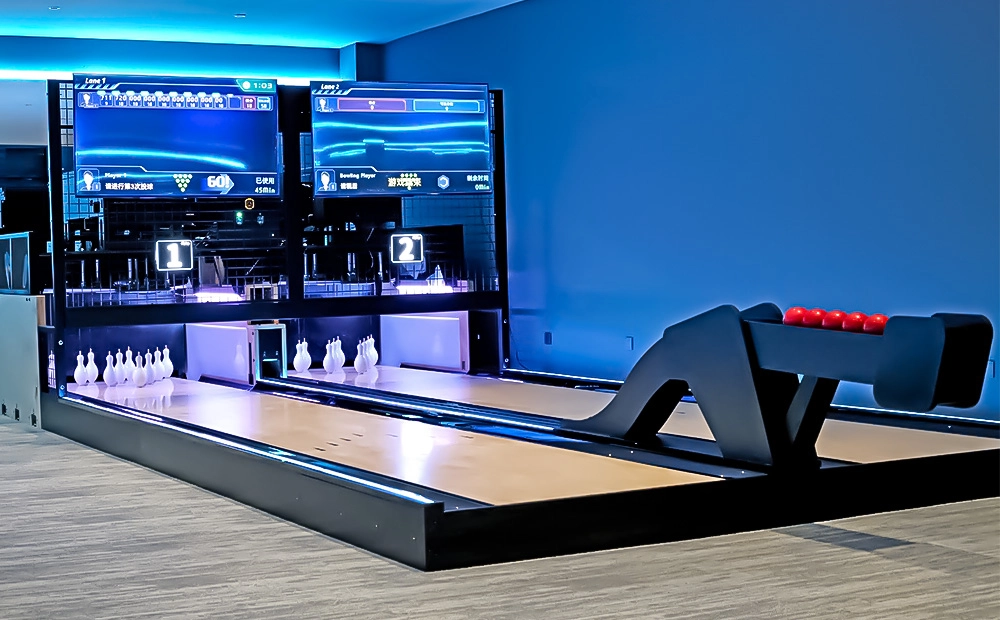
Flying Smart Duckpin Bowling Equipment and Lane System for Commercial Venues
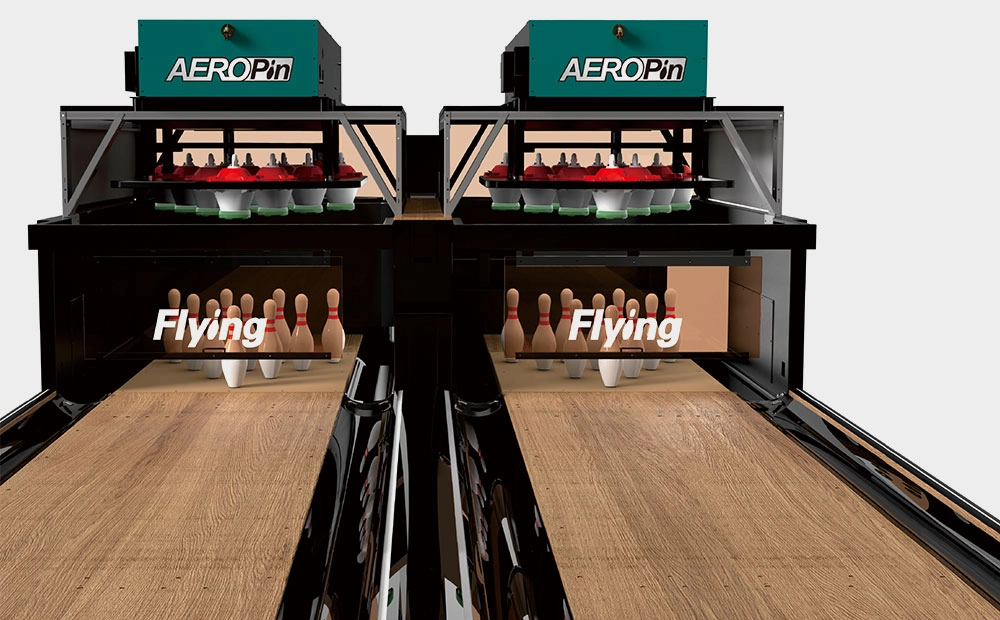
USBC-Certified AEROPIN String Pinsetter System
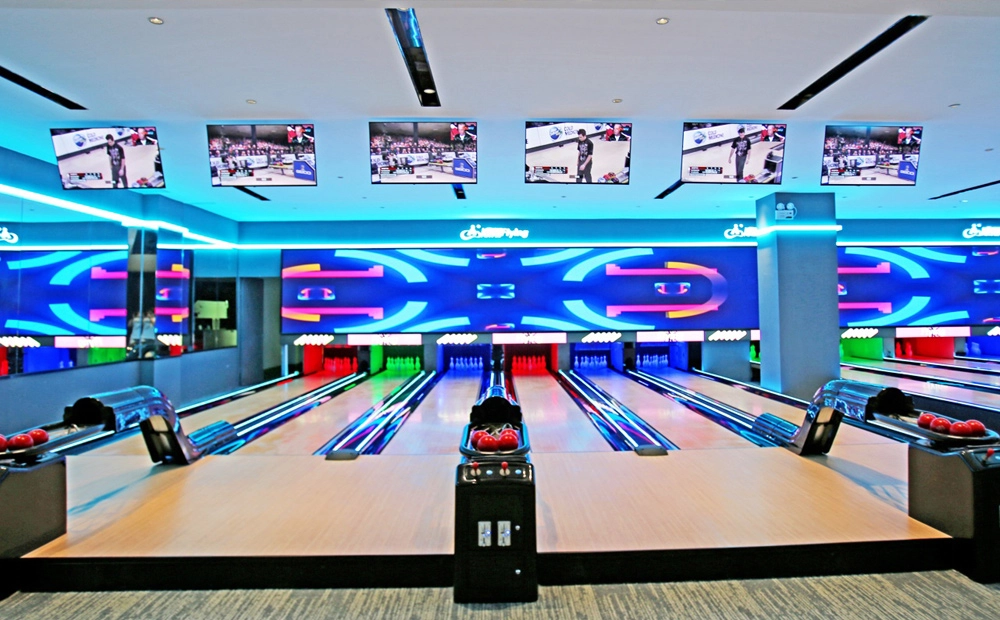
Mini Bowling Equipment for Kids and Family Entertainment Venues
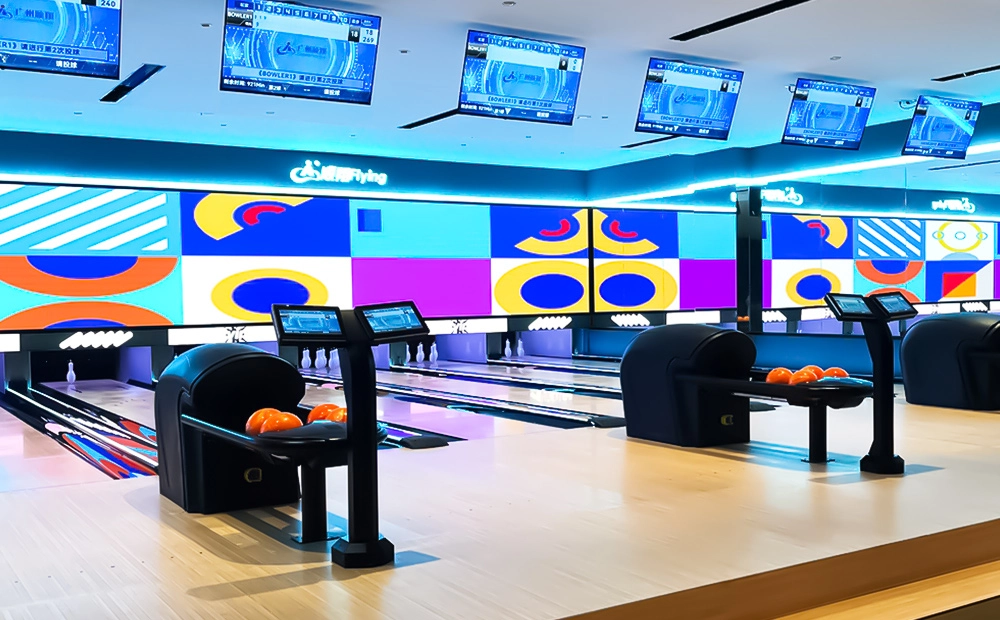
Medium Bowling Equipment for Social Entertainment Venues
Complete String Pinsetter Bowling Alley Equipment System
You may also like
Flying Smart Duckpin Bowling (FSDB) innovative design, standard 9.2-meter short lane, can be shortened in length, compact layout suitable for small spaces. The game rules are simple but challenging, attracting players of different ages to actively participate.
Suitable for social entertainment venues such as bars, billiard halls, and game centers, it not only enhances interactivity but also increases the popularity and consumption frequency of the venue. The fun and competitive nature of FSDB will make it a new focus of social activities.
Flying Classic Standard Bowling (FCSB) is designed according to international competition standards and equipped with an accurate automatic scoring system, providing bowling enthusiasts with a pure professional experience. Whether it is for competitions or leisure entertainment, FCSB can meet high-level needs.
Suitable for family entertainment centers, luxury resorts, private villas, or clubs, it is an ideal choice for customers who pursue high-end quality and professional experience. Its classic design and excellent performance will add lasting appeal to the venue.
Flying Cute Mini Bowling (FCMB) is a mini bowling experience designed for children and families. The lane length is fixed at 12 meters, equipped with lightweight balls without finger holes (only 1.25kg) and small pins, specially designed for children and family fun.
It can not only help children feel the fun of bowling, but also stimulate their interest and competitive consciousness. Suitable for children's playgrounds, theme parks and parent-child centers, it is the best choice for places focusing on the children's market.
Flying Social Medium Bowling (FSMB) is tailored for small venues, with flexible lane lengths (customizable from 9.6 meters to 18 meters), a small ball design suitable for players of all ages, and light pins that are easier to knock down, increasing participation and fun.
Whether it is a gathering of friends or a casual social, FSMB can easily create a relaxed and pleasant atmosphere. Its efficient space-utilization design is particularly suitable for cafes, bars and community entertainment venues, allowing people to fall in love with bowling in a relaxed interaction.
Contact Flying
Start your bowling alley project
If you contact us now for more details, we can provide you with a custom bowling alley service. Our service team will get back to you within 24 hours normally!
© 2026 Flying BOWLING. Designed by gooeyun.
FOLLOW US:
Flying Bowling
Flying Bowling
Flyingbowling
Flyingbowling