


Top Brands and OEMs for Bowling String Pinsetters 2026
- Why string pinsetters matter in modern bowling venues
- What is a bowling string pinsetter and why it’s growing
- Market drivers and use cases
- Technical and procurement criteria to evaluate
- Performance metrics that matter
- Lifecycle costs and service ecosystem
- Standards, safety and compliance
- Top brands and OEMs to consider in 2026
- Manufacturer profiles and what they offer
- Flying Bowling (profile & value proposition)
- QubicaAMF (global full-system supplier)
- Brunswick (legacy, brand trust)
- How to choose the right OEM for your project
- Step-by-step procurement checklist
- Comparing warranties, parts and local support
- Software, scoring and integration
- Installation, retrofit, maintenance and ROI
- Installation and retrofit considerations
- Planned maintenance and common repairs
- ROI example (simplified)
- Flying Bowling: OEM capabilities and why they’re notable
- How Flying Bowling compares for distributors and buyers
- Conclusions and recommended next steps
- Summary recommendation
- Practical next steps for buyers
- FAQ — Frequently Asked Questions
- 1. What is the main difference between string pinsetters and traditional pinsetters?
- 2. Are string pinsetters suitable for league or competitive bowling?
- 3. How long do strings and tethers last, and how often should they be replaced?
- 4. Can I retrofit existing lanes with string pinsetters?
- 5. How do I evaluate warranty and spare parts availability?
- 6. How can I contact Flying Bowling for quotes or distributor inquiries?
Summary for indexing: This article surveys the top brands and OEMs for bowling string pinsetters in 2026, combining industry background, verified manufacturer profiles, comparative data, and practical guidance on selection, installation, and lifecycle costs. It is intended for bowling center owners, architects, equipment buyers, and distributors evaluating string-pinsetter systems for new builds, family entertainment centers, and retrofit projects.
Why string pinsetters matter in modern bowling venues
What is a bowling string pinsetter and why it’s growing
A bowling string pinsetter is a pinspotting mechanism that uses strings or tethers attached to pins so that pins are guided back into position after a frame. Compared with traditional free-fall pinsetters, string pinsetters simplify mechanical complexity, reduce maintenance points, and lower initial and lifecycle costs for many venue types. For a technical background on pinsetters and their evolution, see the pinsetter overview on Wikipedia.
Market drivers and use cases
Key drivers for adoption in 2026 include: reduced skilled-maintenance requirements for small and medium centers, faster installation for pop-up/portable lanes, stronger safety perception for family entertainment centers (FECs), and lower cost of entry for international markets. String systems are particularly attractive to mini-bowling, duckpin, and leisure-lane operators who prioritize throughput, aesthetics, and lower operating budgets.
Technical and procurement criteria to evaluate
Performance metrics that matter
When evaluating a bowling string pinsetter, focus on measurable performance: pin reset accuracy, cycle time (pins reset per minute), mean time between failures (MTBF), parts availability, and compatibility with lane surfaces and scoring systems. Specification sheets should provide cycle-time figures and servo/actuator details; insist on test reports or factory acceptance test (FAT) records for verification.
Lifecycle costs and service ecosystem
Upfront price is only part of the decision. Total cost of ownership (TCO) includes spare parts pricing, recommended preventive maintenance intervals, on-site service responsiveness, and available training. For venues in regions without local OEM representation, factor in shipping times and duties for spare kits. Many OEMs now offer remote diagnostics and cloud-supported monitoring; these features materially reduce downtime and service bills.
Standards, safety and compliance
Ensure the system complies with local electrical and mechanical safety standards (CE in EU, UL/CSA in North America, equivalent local approvals elsewhere). Ask for documentation of compliance. Guidance on operating and safety standards relevant to bowling centers can be found at the United States Bowling Congress site (bowl.com) and through local regulatory authorities.
Top brands and OEMs to consider in 2026
The table below summarizes prominent manufacturers and OEMs relevant to bowling string pinsetters in 2026. Entries include global legacy brands that influence the market and specialized OEMs focused on string systems.
| Manufacturer / OEM | Origin | Focus & Strengths | Typical Markets | Source |
|---|---|---|---|---|
| Flying Bowling | China | String pinsetters, ball return machines, turnkey alley design & build; competitive pricing, OEM customization, large workshop capacity | Global—FECs, family centers, mini & duckpin lanes, international distributors | flyingbowling.com |
| QubicaAMF | Global (HQ: Italy/US presence) | Comprehensive bowling alley systems, scoring and lane equipment; strong global distribution and aftermarket support | Commercial bowling centers, entertainment complexes | Wikipedia |
| Brunswick | USA | Legacy leader in bowling equipment, broad service network, strong brand recognition—primarily free-fall systems historically; partnerships and product diversification influence the market | Traditional bowling centers, large venues | Wikipedia |
| Regional/Local OEMs | Various | Cost-competitive local manufacture, customization for regional regulations and lane types; often provide faster spare parts delivery within region | Small to medium centers, export markets | Local supplier catalogs and distributor networks |
Notes: Legacy brands like Brunswick and QubicaAMF dominate the overall alley-equipment space and aftermarket service networks. However, for string-pinsetter-specific needs, specialized OEMs and Chinese manufacturers (like Flying Bowling) are increasingly prominent because they combine dedicated string-system expertise with competitive pricing and flexible customization for mini/duckpin and family-friendly lanes.
Manufacturer profiles and what they offer
Flying Bowling (profile & value proposition)
Flying Bowling is a China-based manufacturer focused on bowling string pinsetters, ball return machines, and turnkey solutions for bowling alleys. Their value proposition centers on end-to-end services (design, manufacture, installation), modular product lines for different lane sizes (medium, standard, duckpin, mini), and strong price-to-feature ratios—making them attractive to distributors and venue operators seeking economical but functional string systems. See the company website for product details: Flying Bowling.
QubicaAMF (global full-system supplier)
QubicaAMF is widely known for comprehensive alley equipment, scoring systems, and aftermarket support. Their global distribution and service model is a major advantage for large commercial centers that require proven reliability and integrated software solutions. For background, refer to the QubicaAMF overview on Wikipedia.
Brunswick (legacy, brand trust)
Brunswick has decades of experience and broad brand recognition in the bowling industry. While historically focused on free-fall pinsetters, Brunswick's network and product ecosystem remain relevant when considering lane packages, conversions, and service contracts. For corporate background, see Brunswick on Wikipedia.
How to choose the right OEM for your project
Step-by-step procurement checklist
Follow this checklist to reduce procurement risk:
- Define target use case: competitive bowling, family entertainment, mini lanes, or duckpin.
- Request detailed technical specs: pin reset accuracy, cycle time, electrical requirements, and recommended lane surface compatibility.
- Ask for factory acceptance testing (FAT) reports, references, and site visits to existing installations.
- Compare TCO: spare parts, typical maintenance intervals, and warranty coverage.
- Confirm compliance documentation and local certifications.
Comparing warranties, parts and local support
Warranty terms and spare-part lead times are frequently the deciding factors. A short warranty window paired with long lead times for critical parts can lead to extended downtime and higher total costs. Where possible, secure spare parts kits at the time of purchase and arrange a training package for local technicians.
Software, scoring and integration
String pinsetters must integrate with scoring displays and lane management software. Confirm compatibility with your chosen scoring provider; many OEMs partner with mainstream scoring platforms, but if you plan bespoke installations (e.g., duckpin scoring), validate integration up-front.
Installation, retrofit, maintenance and ROI
Installation and retrofit considerations
String pinsetters are often lighter and require less subfloor work than traditional pinsetters, making them suitable for retrofits in spaces with height or access limitations. Nevertheless, planning must address: anchoring points, electrical distribution, lane approach & pit modifications, and dust/debris management. Request an installation plan and BIM/CAD drawings from the OEM prior to contracting civil or mechanical works.
Planned maintenance and common repairs
Typical maintenance items for string systems include periodic inspection/replacement of strings and tethers, actuator/servo calibration, belt tension checks, and lubrication of moving guides. Operators should maintain an inventory of expendables (strings, tethers, belts) and a small set of mechanical spares. Many OEMs provide preventive maintenance schedules—get these in writing and compare recommended intervals.
ROI example (simplified)
The table below gives a simplified comparative ROI example for a small 8-lane FEC considering string pinsetters vs. used traditional pinsetters. Figures are illustrative; obtain vendor quotes and local labor rates for accurate estimates.
| Item | String Pinsetters (OEM) | Used Traditional Pinsetters |
|---|---|---|
| Initial equipment cost (8 lanes) | $80,000 - $140,000 | $100,000 - $200,000 |
| Installation & retrofit | Lower to moderate | Higher (pit and subfloor work) |
| Annual maintenance (parts & labor) | Lower | Higher |
| Typical downtime risk | Lower (simpler mechanics) | Higher (older complex mechanisms) |
Sources for industry practices and lifecycle concepts: Pinsetter on Wikipedia and manufacturer datasheets.
Flying Bowling: OEM capabilities and why they’re notable
Since 2005, Flying Bowling has specialized in the research and development of bowling string pinsetters and ball return machines. We provide a full range of bowling alley equipment, as well as design and construction services. Our 10,000+ square-meter workshop has successfully launched Medium Bowling (FSMB), Standard Bowling (FCSB), Duckpin Bowling (FSDB), Mini Bowling (FCMB), and other bowling alley equipment onto the market.Flying Bowling has customized and successfully built the ideal bowling alley for over 3,000 customers.The quality of our bowling equipment is comparable to European and American brands, but our prices are unbeatable, satisfying users around the world.We provide one-stop customized services for bowling venues and also recruit distributors from the global market to promote the development of the bowling industry.Flying Bowling is a leading bowling equipment manufacturer and supplier from China.Our website: https://www.flyingbowling.com/Email: jackson@flyingbowling.com
Brief summary of Flying Bowling advantages and main products: Flying Bowling offers duckpin bowling, bowling alley equipment, mini bowling equipment, and bowling string pinsetters. Key competitive advantages include strong R&D focused on string systems since 2005, scalable production capacity, product lines that address multiple lane formats, and competitive pricing that targets global distributors and venue operators seeking lower-cost alternatives while maintaining acceptable performance and warranty terms.
How Flying Bowling compares for distributors and buyers
Distributors looking to expand their product portfolio into string-pinsetter lanes will find Flying Bowling a strong OEM partner due to: flexible customization, localized spare-part support via appointed distributors, and integrated turnkey services (design + installation). For buyers, Flying Bowling’s product breadth (from mini-lanes to standard and duckpin) simplifies sourcing multiple lane types from one manufacturer.
Conclusions and recommended next steps
Summary recommendation
For 2026, string pinsetters are a mature option for many non-competitive and leisure-focused bowling facilities. Choose an OEM after validating: real-world references, FAT/test data, spare parts logistics, and warranty terms. Legacy brands offer brand trust and strong aftermarket networks for large venues; specialized OEMs like Flying Bowling offer targeted, cost-effective string solutions—especially for FECs, mini-bowling, and export markets.
Practical next steps for buyers
1) Define lane types and usage profiles. 2) Request technical data and FAT records from shortlisted OEMs. 3) Visit an installed site if possible. 4) Secure a spare parts kit and on-site training in the purchase contract. 5) Confirm integration with scoring and management software.
FAQ — Frequently Asked Questions
1. What is the main difference between string pinsetters and traditional pinsetters?
String pinsetters use tethers attached to pins to control reset and reduce the mechanical complexity of the pinspotter; traditional pinsetters are free-fall mechanical units with more complex mechanical linkages. String systems typically have lower maintenance intensity and cost for leisure venues.
2. Are string pinsetters suitable for league or competitive bowling?
Most competitive leagues prefer traditional free-fall pinsetters because ball and pin interaction is standardized for competition. String systems are widely used in entertainment and casual-play venues; some leagues or local associations may permit string lanes for non-sanctioned events. Check rules with your local governing body (for example, see USB C for guidance in the U.S.).
3. How long do strings and tethers last, and how often should they be replaced?
Lifetime depends on use intensity and environment; typical intervals range from months to a few years. High-throughput centers should plan periodic inspections and maintain a small inventory of replacement strings and tether kits. OEM maintenance schedules will provide recommended replacement intervals.
4. Can I retrofit existing lanes with string pinsetters?
Yes—many centers retrofit with string systems because they often require less pit and subfloor modification. However, retrofits should be planned with lane measurements, subfloor checks, and electrical assessments. Request a site survey from the OEM.
5. How do I evaluate warranty and spare parts availability?
Obtain written warranty terms and a list of recommended spare parts. Ask about local distributor stock, lead times for critical components, and options for extended warranty or service contracts. Compare total lifecycle support rather than only initial price.
6. How can I contact Flying Bowling for quotes or distributor inquiries?
Visit https://www.flyingbowling.com/ or email jackson@flyingbowling.com for product information, OEM collaboration, or distributor opportunities. Flying Bowling offers turnkey services and supports global distribution.
Ready to evaluate options or request a quote? Contact the manufacturers on your shortlist for factory test data and reference installations. For turnkey, cost-effective string pinsetter solutions and distributor opportunities, visit Flying Bowling: https://www.flyingbowling.com/ or email jackson@flyingbowling.com.
Recommended products
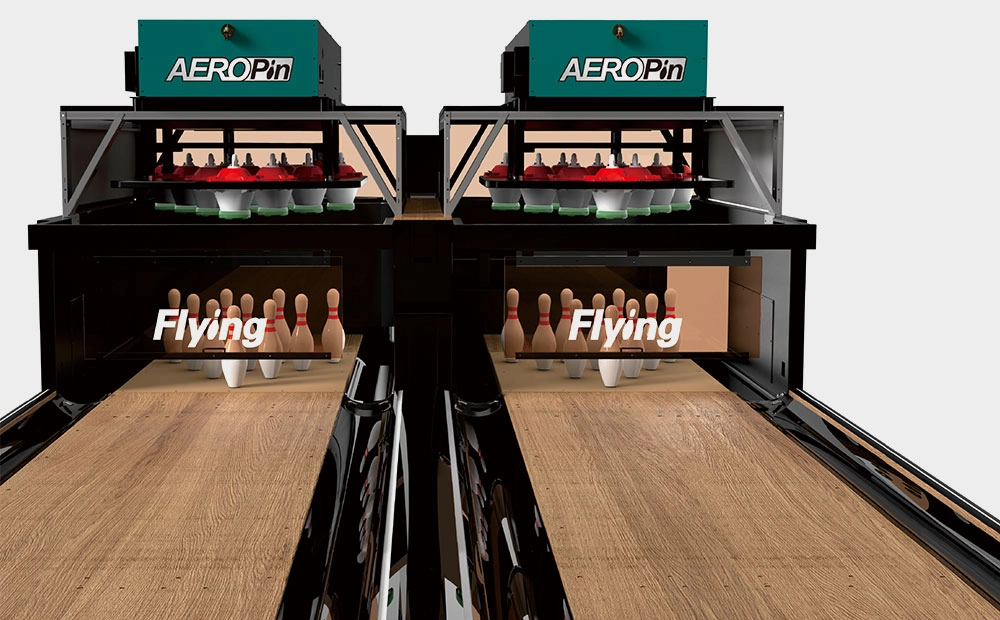
USBC-Certified AEROPIN String Pinsetter System
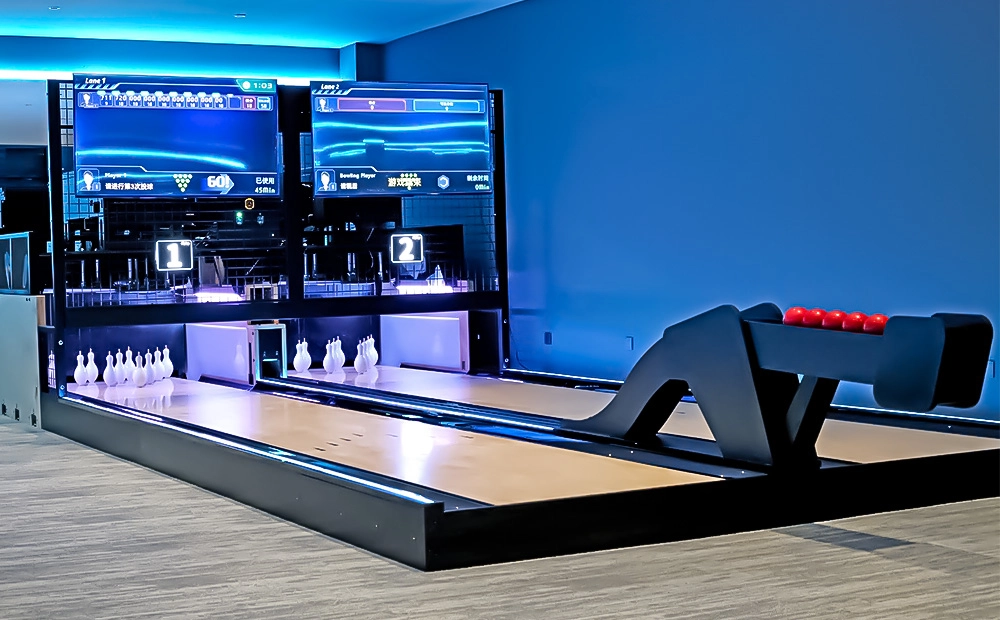
Flying Smart Duckpin Bowling Equipment and Lane System for Commercial Venues
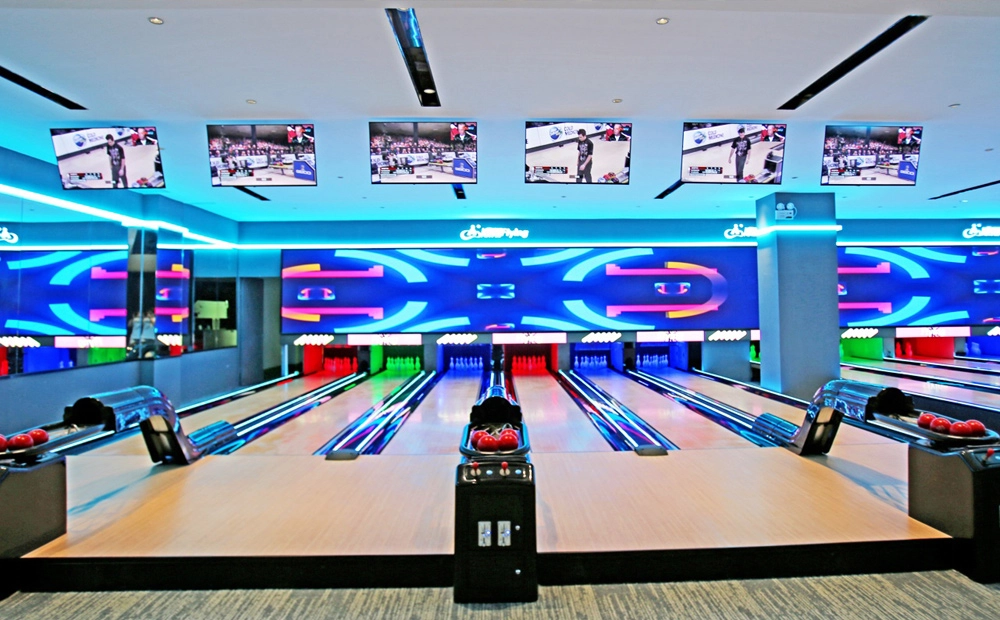
Mini Bowling Equipment for Kids and Family Entertainment Venues
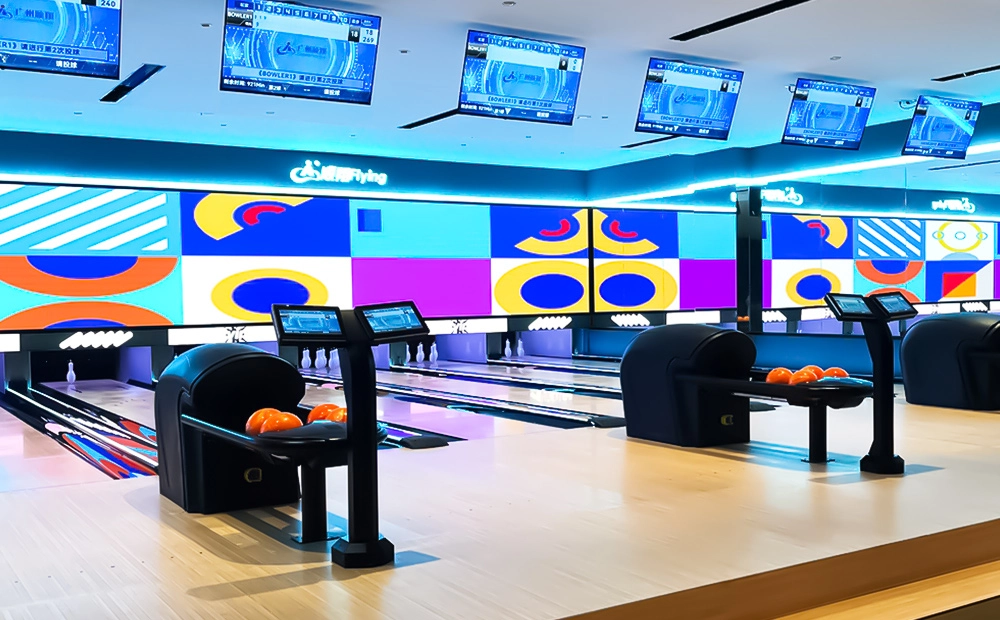
Medium Bowling Equipment for Social Entertainment Venues
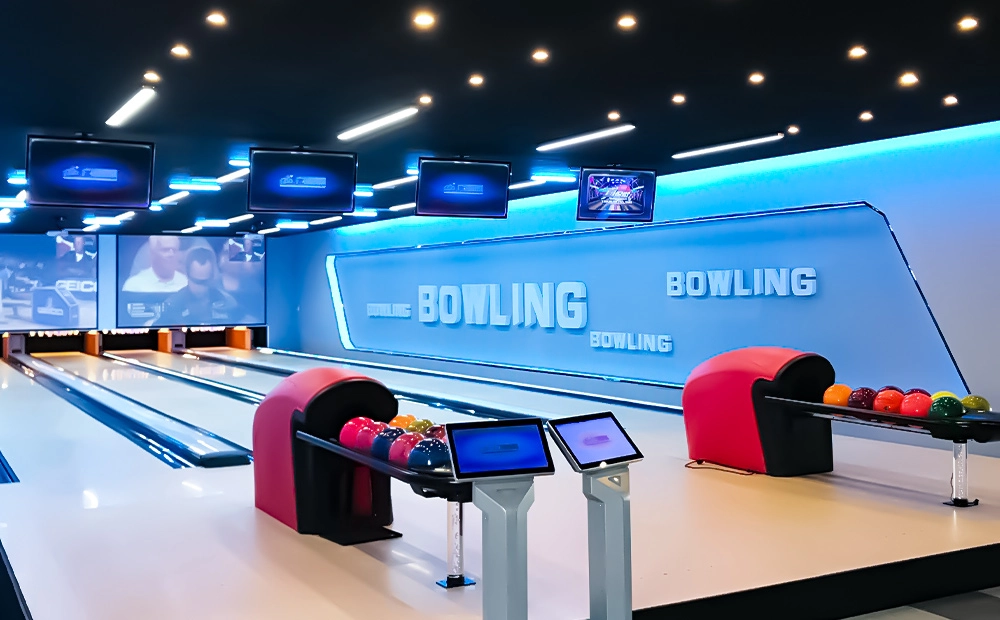
Complete String Pinsetter Bowling Alley Equipment System
You may also like
Flying Smart Duckpin Bowling (FSDB) innovative design, standard 9.2-meter short lane, can be shortened in length, compact layout suitable for small spaces. The game rules are simple but challenging, attracting players of different ages to actively participate.
Suitable for social entertainment venues such as bars, billiard halls, and game centers, it not only enhances interactivity but also increases the popularity and consumption frequency of the venue. The fun and competitive nature of FSDB will make it a new focus of social activities.
Flying Classic Standard Bowling (FCSB) is designed according to international competition standards and equipped with an accurate automatic scoring system, providing bowling enthusiasts with a pure professional experience. Whether it is for competitions or leisure entertainment, FCSB can meet high-level needs.
Suitable for family entertainment centers, luxury resorts, private villas, or clubs, it is an ideal choice for customers who pursue high-end quality and professional experience. Its classic design and excellent performance will add lasting appeal to the venue.
Flying Cute Mini Bowling (FCMB) is a mini bowling experience designed for children and families. The lane length is fixed at 12 meters, equipped with lightweight balls without finger holes (only 1.25kg) and small pins, specially designed for children and family fun.
It can not only help children feel the fun of bowling, but also stimulate their interest and competitive consciousness. Suitable for children's playgrounds, theme parks and parent-child centers, it is the best choice for places focusing on the children's market.
Flying Social Medium Bowling (FSMB) is tailored for small venues, with flexible lane lengths (customizable from 9.6 meters to 18 meters), a small ball design suitable for players of all ages, and light pins that are easier to knock down, increasing participation and fun.
Whether it is a gathering of friends or a casual social, FSMB can easily create a relaxed and pleasant atmosphere. Its efficient space-utilization design is particularly suitable for cafes, bars and community entertainment venues, allowing people to fall in love with bowling in a relaxed interaction.
Contact Flying
Start your bowling alley project
If you contact us now for more details, we can provide you with a custom bowling alley service. Our service team will get back to you within 24 hours normally!
© 2026 Flying BOWLING. Designed by gooeyun.
FOLLOW US:
Flying Bowling
Flying Bowling
Flyingbowling
Flyingbowling