


Setup Tips for Bowling Alley Equipment: Complete String Pinsetter
- Setup Tips for Bowling Alley Equipment: Complete String Pinsetter
- Introduction to the Complete Set Of String Pinsetter Bowling Lane Equipment
- Understanding the String Pinsetter and its Role in Bowling Alley Equipment
- Pre-Installation Planning: Space, Site and Power Requirements
- Mechanical Installation: Aligning and Mounting the Pinsetter Modules
- Electrical, Controls and Automatic Scoring Integration
- Lane Surface, Approach and Oil Pattern Considerations
- Ball Return System Setup and Synchronization
- Testing, Calibration and Commissioning Procedures
- Common Troubleshooting and Preventive Maintenance for Bowling Alley Equipment
- Safety and Regulatory Considerations for Bowling Alley Equipment
- Why Choose Flying Bowling’s Complete Set Of String Pinsetter Bowling Lane Equipment
- Product Range and Competitive Strengths
- Quick Comparison: String Pinsetter vs. Traditional Freefall Pinsetter
- Cost, ROI and Venue Suitability
- Installation Checklist for Technicians and Project Managers
- Frequently Asked Questions (FAQ)
- Q: How long does it take to install a Complete Set Of String Pinsetter Bowling Lane Equipment?
- Q: Are string pinsetters suitable for competitive bowling?
- Q: What routine maintenance should we expect?
- Q: Can Flying Bowling provide installation and after-sales support?
- Q: How does string wear affect operation and how often should strings be replaced?
- Contact, Product Viewing and Next Steps
- References and Further Reading
Setup Tips for Bowling Alley Equipment: Complete String Pinsetter
Introduction to the Complete Set Of String Pinsetter Bowling Lane Equipment
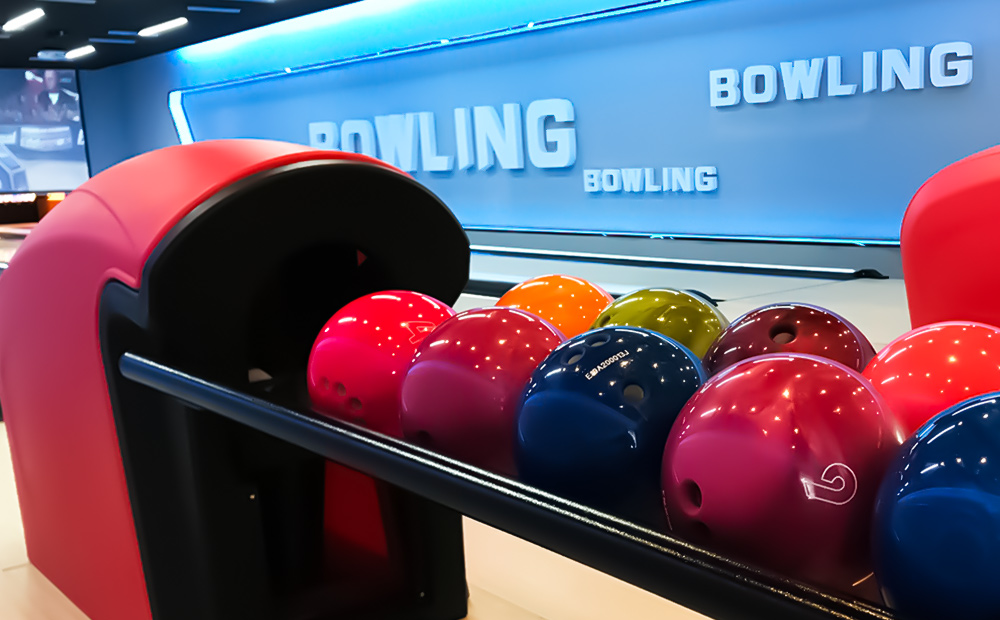
Installing high-quality bowling alley equipment begins with choosing the right system for your venue. The Complete Set Of String Pinsetter Bowling Lane Equipment — exemplified by Flying Classic Standard Bowling (FCSB) — is designed to international standards and comes with an accurate automatic scoring system. It provides a professional bowling experience suitable for competitions and leisure venues alike. This guide walks you through planning, installation, calibration, and early-stage maintenance, focusing on practical steps you can take to ensure reliable operation and a long service life for your string pinsetter lanes.
Understanding the String Pinsetter and its Role in Bowling Alley Equipment
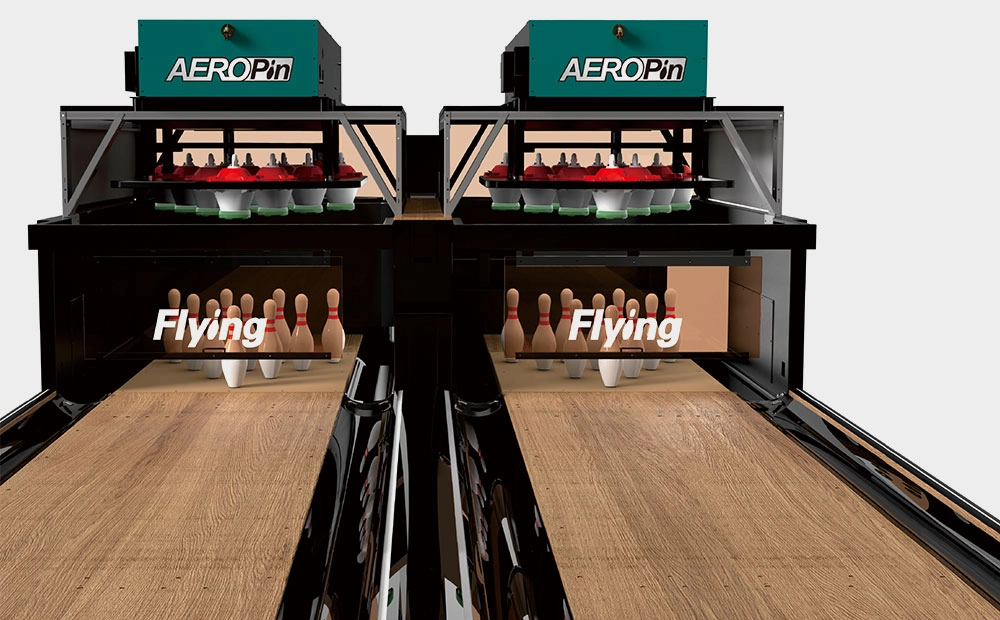
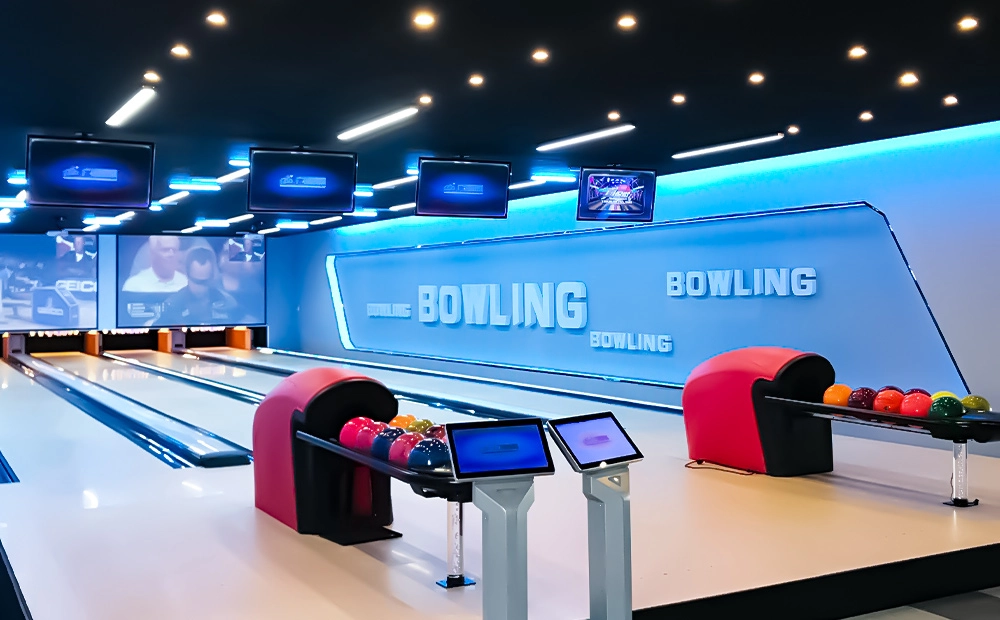
String pinsetters replace traditional freefall pinsetter mechanics by using a string attached to each pin. The benefits include lower maintenance, reduced pin breakage, quieter operation and simplified pin handling. The Complete Set Of String Pinsetter Bowling Lane Equipment typically includes the pinsetter modules, ball return system, lane surface, gutters, automatic scoring, and control electronics. Before beginning installation, ensure you fully understand each component and how they interact. This will make commissioning faster and reduce start-up problems.
Pre-Installation Planning: Space, Site and Power Requirements
Good planning reduces delays and hidden costs. Survey the proposed installation site and confirm these key items early:
- Floor footprint and clearances: verify lane width, machinery pit areas and maintenance access routes. International lanes have a standardized playing area (e.g., the lane from foul line to head pin is 60 feet), so allow for full lane length plus approach and rear machinery space. (Source: USBC lane specifications)
- Structural loading and floor flatness: pinsetter modules and ball return units impose point loads and vibration. Confirm floor strength and level tolerance—uneven floors can complicate alignment and cause premature wear.
- Electrical service: check voltage, phase and dedicated circuit requirements for pinsetters, scoring systems and lane lighting. Have a licensed electrician verify that emergency stop circuits and grounding meet local codes.
- Climate control and ventilation: humidity and temperature affect wood and synthetic lane materials, and reduce condensation around sensors and electronics.
- Noise and neighbor considerations: although string pinsetters are quieter than freefall machines, plan sound insulation if the venue has noise-sensitive adjacencies.
Mechanical Installation: Aligning and Mounting the Pinsetter Modules
Accurate mechanical installation is crucial for consistent pin handling and lane performance. Follow these practical tips for the pinsetter assembly:
- Read the manufacturer assembly manual first: even experienced teams should follow the supplied sequence to preserve warranty and safety.
- Install machines on a flat, level foundation. Use precision levels and straight-edges to align modules longitudinally and laterally to the lane centerline.
- String tension and routing: verify that string lengths and tensioners are set to manufacturer-specified values. Incorrect tension causes mispositioned pins, increased breakage or string wear.
- Pin attachment and indexing: pins must seat consistently on the lane deck and register properly under the string grip. Check indexing after installing the first few lanes and adjust the mechanical stops as needed.
- Accessible service points: position access panels and key service clearances so technicians can reach motors, gearboxes, and sensors without moving large structures.
Electrical, Controls and Automatic Scoring Integration
Modern bowling alley equipment relies on integrated electrical and control systems. When installing the Complete Set Of String Pinsetter Bowling Lane Equipment, pay careful attention to the following:
- Power distribution: dedicate circuits to motors, control cabinets and scoring displays. Install surge protection and line conditioning to protect sensitive electronics.
- Sensor connections: lane sensors (pin detection, ball detectors, foul-line, and position sensors) must be routed and shielded to minimize electrical noise. Use manufacturer-supplied connectors and wiring harnesses to prevent cross-wiring errors.
- Scoring system calibration: connect and calibrate the automatic scoring system per the vendor’s procedure. Test multiple lane conditions (strikes, spares, gutter balls, and split formations) to ensure accurate pin recognition and scoring logic.
- Safety interlocks and emergency stops: verify that E-stop switches immediately cut power to moving parts and that safety guards are properly installed. Label and train staff on E-stop locations and procedures.
Lane Surface, Approach and Oil Pattern Considerations
The lane surface and oil pattern directly affect ball behavior and player experience. While string pinsetters are compatible with most lane surfaces, observe these points:
- Select the lane board material (wood or synthetic) recommended by the equipment manufacturer. Synthetic lanes can provide greater consistency and lower maintenance in high-use venues.
- Ensure lane-leveling and board fastening follow spec to prevent cupping or warping over time.
- Oil patterns: discuss with your lane maintenance provider how string pinsetter operation may interact with oil application routines. Because pinsetters alter how pins are reset and where pins and balls travel in the back area, ensure oiling machines and return tracks do not contaminate the pin deck or pinsetter components.
- Approach surface: provide consistent friction and anti-slip surfaces for player safety and performance.
Ball Return System Setup and Synchronization
Ball return units are an integral part of bowling alley equipment. Proper alignment and timing ensure smooth ball flow and minimal jams:
- Slope and track: install the ball return track with consistent slope and smooth transitions. Uneven sections create slow movement and increase blockage risk.
- Synchronization with pinsetters: verify that ball returns do not interfere with pinsetter cycles. A well-timed sequence reduces mechanical stress.
- Safety guards and clear exits: ensure that ball return openings are free from obstructions and that players cannot access moving parts.
Testing, Calibration and Commissioning Procedures
Before opening, run a structured commissioning plan to validate every system:
- Mechanical run-in: operate pinsetters in empty cycles to observe alignment, string routing, and any unusual noise or vibration. Perform initial lubrication where required.
- Functional tests: use diagnostic routines to confirm pin pickup, placement accuracy, and pin detection sensors. Cycle through 10–20 frames per lane under controlled conditions to check repeatability.
- Scoring verification: confirm that the automatic scoring matches physical pin outcomes. Test edge cases: fouls, splits, ten-pin spare pickup, and multiple pins down scenarios.
- Staff training: walk technicians and operators through daily startup, shutdown, cleaning procedures, and emergency protocols. Provide printed reference materials at each lane’s maintenance cabinet.
Common Troubleshooting and Preventive Maintenance for Bowling Alley Equipment
String pinsetters reduce some maintenance needs but still require a disciplined regimen. Key practices include:
- Daily inspections: check strings for fraying, clean pinsetter components from dust and debris, and verify sensor lenses are clear.
- Weekly mechanical checks: inspect string tensioners, drive belts, and lubricate gears per the manufacturer schedule.
- Spare parts inventory: maintain stock of consumables—strings, pins, belts, and sensors—so repairs can be completed quickly.
- Periodic calibration: re-check alignment and scoring accuracy after heavy usage periods or whenever you replace lane boards.
- Document issues: keep a maintenance log to spot recurring failures and schedule proactive part replacements.
Safety and Regulatory Considerations for Bowling Alley Equipment
Compliance with local safety codes and industry standards is non-negotiable. Prioritize the following:
- Machine guarding: ensure all moving components are shielded to prevent contact during operation.
- Electrical safety: have wiring and control cabinets inspected and certified by a qualified electrician. Include proper grounding and E-stop functionality.
- Local building codes and accessibility: make certain lane layouts meet egress, accessibility and fire-safety requirements.
- Operator training and signage: post clear instructions and warnings near machinery and scoring consoles.
Why Choose Flying Bowling’s Complete Set Of String Pinsetter Bowling Lane Equipment
Since 2005, Flying Bowling has specialized in the research and development of bowling string pinsetters and ball return machines. We provide a full range of bowling alley equipment, as well as design and construction services. Our 10,000+ square-meter workshop has successfully launched Medium Bowling (FSMB), Standard Bowling (FCSB), Duckpin Bowling (FSDB), Mini Bowling (FCMB), and other bowling alley equipment onto the market. Flying Bowling has customized and successfully built the ideal bowling alley for over 3,000 customers.
The quality of our bowling equipment is comparable to European and American brands, but our prices are unbeatable, satisfying users around the world. We provide one-stop customized services for bowling venues and also recruit distributors from the global market to promote the development of the bowling industry. Flying Bowling is a leading bowling equipment manufacturer and supplier from China. Visit our website at https://www.flyingbowling.com/ for product specifications and contact details.
Product Range and Competitive Strengths
Flying Bowling’s core products include mini bowling, duckpin bowling, traditional bowling alley equipment and string pinsetters. Our competitive strengths are:
- Comprehensive manufacturing capability and R&D experience.
- Full-lifecycle services: design, manufacturing, installation and after-sales support.
- Cost-effective pricing while maintaining high quality comparable to Western manufacturers.
- High-volume production capability and global distribution network.
Quick Comparison: String Pinsetter vs. Traditional Freefall Pinsetter
| Feature | String Pinsetter | Freefall Pinsetter |
|---|---|---|
| Noise | Lower — suitable for small venues and family areas | Higher — louder mechanical action |
| Maintenance | Reduced moving parts; easier to maintain | Higher maintenance; more complex mechanical parts |
| Initial Cost | Typically lower purchase and installation costs | Generally higher due to complexity |
| Competition Use | Increasingly accepted for casual and many competitive formats | Traditional choice for high-level competitive play |
| Pin Damage | Less pin and lane deck impact | Greater mechanical impact on pins and deck |
Sources: manufacturer specifications and industry summaries (see references below).
Cost, ROI and Venue Suitability
String pinsetters such as the Complete Set Of String Pinsetter Bowling Lane Equipment are especially well-suited to family entertainment centers, luxury resorts, private villas, and clubs where lower noise, lower maintenance and cost efficiency are priorities. Return on investment depends on local demand, lane utilization and ancillary revenue (food & beverage, parties). To improve ROI, pair the installation with robust marketing, dynamic pricing, and multi-use programming (leagues, corporate events, birthday parties).
Installation Checklist for Technicians and Project Managers
Use this concise checklist to manage your setup project:
- Complete site survey and confirm power/ventilation.
- Receive and inventory delivered equipment against packing lists.
- Install foundations and level lane beds.
- Mount pinsetter modules and ball return tracks; set string tensions.
- Wire control cabinets, sensors and displays; perform electrical verification.
- Calibrate scoring and run multi-frame test sequences.
- Train staff on daily checks, cleaning and emergency procedures.
- Document commissioning results and hand over maintenance manuals.
Frequently Asked Questions (FAQ)
Q: How long does it take to install a Complete Set Of String Pinsetter Bowling Lane Equipment?
A: Installation time varies by venue preparation and crew experience. For a single lane in a prepared site, several days are typical. Full 8–12 lane installations with site work usually take multiple weeks. Early site preparation and precise planning reduce delays.
Q: Are string pinsetters suitable for competitive bowling?
A: Yes. Modern string pinsetters are designed to meet many competitive requirements and deliver consistent pin placement. Confirm with league organizers or sanctioning bodies for specific event rules if you plan to host high-level tournaments.
Q: What routine maintenance should we expect?
A: Daily cleaning of pinsetter housings and sensor lenses, weekly visual checks of strings and tensioners, and periodic lubrication and spare-parts replacement per the manufacturer schedule. Maintain a log of maintenance actions to support warranty claims and long-term planning.
Q: Can Flying Bowling provide installation and after-sales support?
A: Yes. Flying Bowling provides design, installation guidance and after-sales support. Our team offers remote and on-site support, training for local technicians, and parts supply. More information is available at https://www.flyingbowling.com/.
Q: How does string wear affect operation and how often should strings be replaced?
A: String wear depends on usage intensity and ball-handling patterns. High-traffic lanes may require string inspection multiple times per week and periodic replacement every several months to a year. Keep spare strings on hand to minimize downtime.
Contact, Product Viewing and Next Steps
Ready to install the Complete Set Of String Pinsetter Bowling Lane Equipment in your venue? For technical details, configuration options and a tailored installation quote, contact Flying Bowling customer service or visit our product pages: https://www.flyingbowling.com/. Our team can provide CAD layouts, electrical and site plans, and project timelines to get your lanes operational quickly.
References and Further Reading
- United States Bowling Congress (USBC) — Playing lane specifications and equipment guidelines: https://www.bowl.com/
- Industry overview of pinsetters and mechanical evolution — Pinsetter (Wikipedia): https://en.wikipedia.org/wiki/Pinsetter
- Manufacturer resources and technical manuals — Flying Bowling product pages: https://www.flyingbowling.com/
Recommended products
Flying Smart Duckpin Bowling Equipment and Lane System for Commercial Venues
USBC-Certified AEROPIN String Pinsetter System
Mini Bowling Equipment for Kids and Family Entertainment Venues
Medium Bowling Equipment for Social Entertainment Venues
Complete String Pinsetter Bowling Alley Equipment System
You may also like
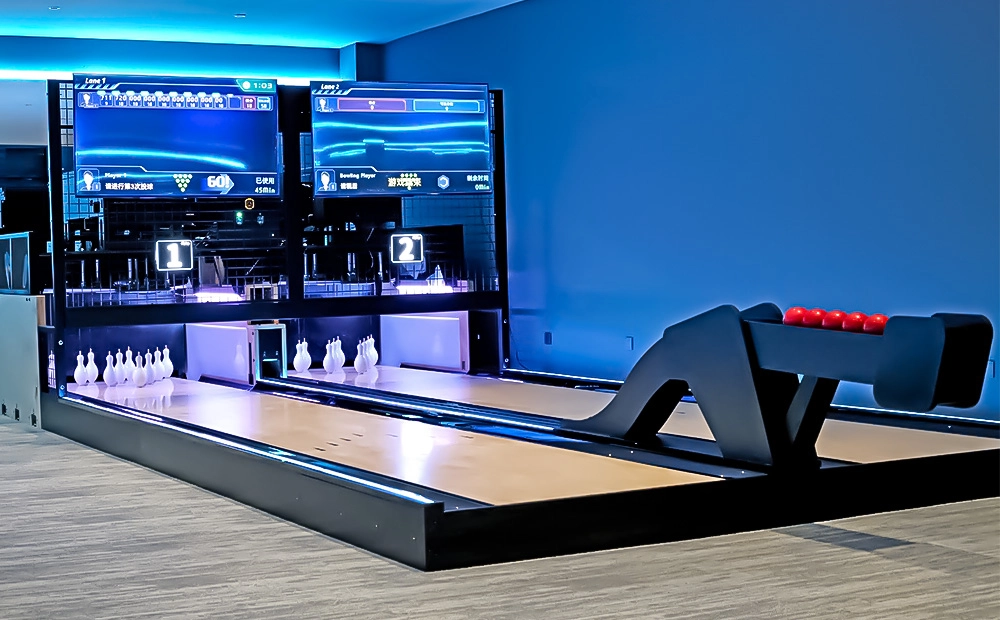
Flying Smart Duckpin Bowling (FSDB) innovative design, standard 9.2-meter short lane, can be shortened in length, compact layout suitable for small spaces. The game rules are simple but challenging, attracting players of different ages to actively participate.
Suitable for social entertainment venues such as bars, billiard halls, and game centers, it not only enhances interactivity but also increases the popularity and consumption frequency of the venue. The fun and competitive nature of FSDB will make it a new focus of social activities.
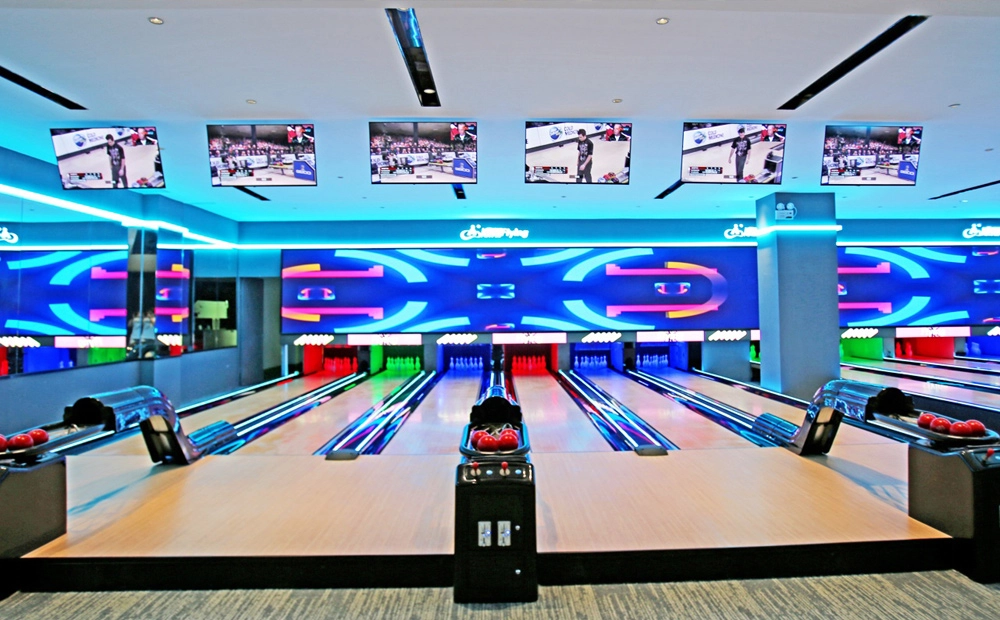
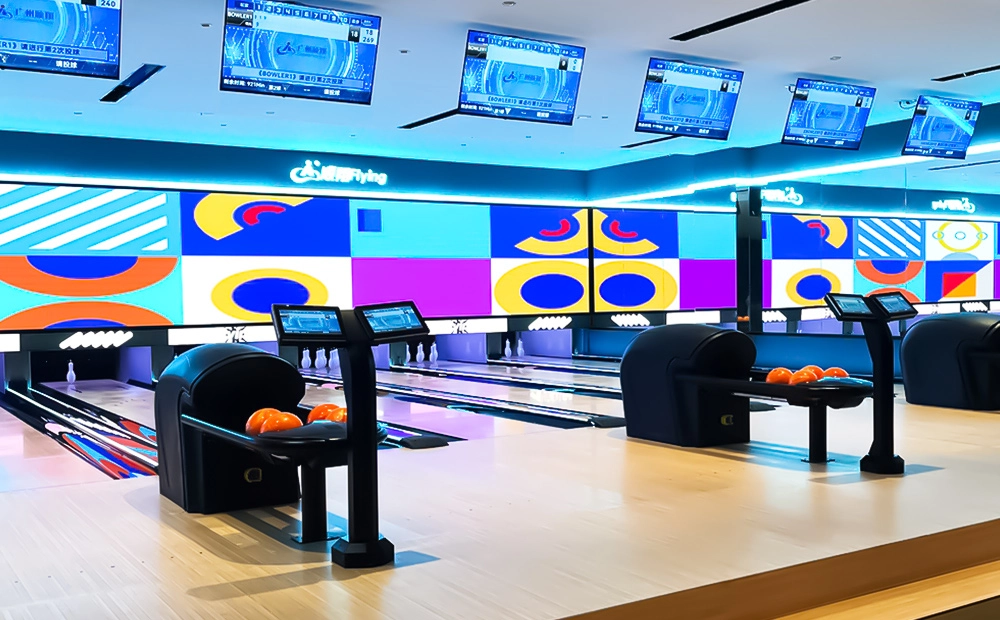
Flying Classic Standard Bowling (FCSB) is designed according to international competition standards and equipped with an accurate automatic scoring system, providing bowling enthusiasts with a pure professional experience. Whether it is for competitions or leisure entertainment, FCSB can meet high-level needs.
Suitable for family entertainment centers, luxury resorts, private villas, or clubs, it is an ideal choice for customers who pursue high-end quality and professional experience. Its classic design and excellent performance will add lasting appeal to the venue.
Flying Cute Mini Bowling (FCMB) is a mini bowling experience designed for children and families. The lane length is fixed at 12 meters, equipped with lightweight balls without finger holes (only 1.25kg) and small pins, specially designed for children and family fun.
It can not only help children feel the fun of bowling, but also stimulate their interest and competitive consciousness. Suitable for children's playgrounds, theme parks and parent-child centers, it is the best choice for places focusing on the children's market.
Flying Social Medium Bowling (FSMB) is tailored for small venues, with flexible lane lengths (customizable from 9.6 meters to 18 meters), a small ball design suitable for players of all ages, and light pins that are easier to knock down, increasing participation and fun.
Whether it is a gathering of friends or a casual social, FSMB can easily create a relaxed and pleasant atmosphere. Its efficient space-utilization design is particularly suitable for cafes, bars and community entertainment venues, allowing people to fall in love with bowling in a relaxed interaction.
Contact Flying
Start your bowling alley project
If you contact us now for more details, we can provide you with a custom bowling alley service. Our service team will get back to you within 24 hours normally!
© 2026 Flying BOWLING. Designed by gooeyun.
FOLLOW US:
Flying Bowling
Flying Bowling
Flyingbowling
Flyingbowling