


Retrofit Options: Adding a String Pinsetter to Existing Lanes
- Why Retrofit to a String Pinsetter?
- Business drivers and market trends
- Safety, accessibility, and customer experience
- Regulatory and standards context
- Technical Retrofit Pathways
- Full replacement vs. conversion kits
- Structural and lane preparation requirements
- Control systems and software integration
- Operational and Financial Impacts
- Maintenance, parts, and lifecycle costs
- Throughput, game speed, and lane utilization
- Cost comparison (qualitative)
- Implementation: Project Planning and Vendor Selection
- Choosing the right supplier and warranty terms
- Installation timeline, staging, and minimizing downtime
- Training, documentation, and long-term support
- Case for Flying Bowling (Manufacturer Spotlight)
- Practical Checklist for a Successful Retrofit
- Pre-project survey items
- Installation and commissioning checklist
- Post-installation performance evaluation
- FAQ
- 1. What is a bowling string pinsetter and how does it differ from a traditional pinsetter?
- 2. Can I retrofit any existing lane to a string pinsetter?
- 3. Will string pinsetters affect competitive league play?
- 4. What are the typical maintenance needs and spare parts I should plan for?
- 5. How long does a retrofit take and how much business disruption should I expect?
- 6. What is the expected ROI after retrofitting to a string pinsetter?
- 7. How do I choose between conversion kit vs. full replacement?
- Contact and Next Steps
Adding a bowling string pinsetter to existing lanes is an increasingly common retrofit for centers seeking lower maintenance, faster pin reset, improved safety, and lower operating costs. This guide helps bowling center owners, operators, and contractors evaluate retrofit options, prepare lanes and facilities, understand operational trade-offs, and select the right supplier for a successful conversion. It emphasizes real-world considerations—installation footprint, electrical and structural needs, part availability, throughput expectations, and lifecycle costs—to support evidence-based decisions.
Why Retrofit to a String Pinsetter?
Business drivers and market trends
Many operators are choosing bowling string pinsetters because they reduce downtime and maintenance overhead compared with traditional freefall pinsetters. String systems have grown in popularity for family entertainment centers (FECs), smaller boutique alleys, and multi-use venues due to simpler mechanics and lower staffing requirements. The global shift toward entertainment-led bowling experiences and the rise of multi-activity venues make retrofit options attractive when converting old lanes to newer formats like mini bowling, duckpin bowling, or hybrid lanes.
Safety, accessibility, and customer experience
String pinsetters typically present fewer exposed moving parts at lane level, improving safety for staff and guests—important for venues hosting children or casual bowlers. The consistent reset and reduced pin scatter also improve the guest experience: faster game flow and minimized delays. These changes can increase lane availability and potentially boost per-lane revenue during peak periods.
Regulatory and standards context
When retrofitting equipment, operators must consider compliance with local electrical codes, fire safety regulations, and bowling industry standards. The United States Bowling Congress (USBC) provides guidelines for lane conditions and equipment; review relevant material at USBC. For technical background on pinsetting technology and the evolution of pinsetters, see the general overview at Wikipedia - Pinsetter.
Technical Retrofit Pathways
Full replacement vs. conversion kits
There are two main technical approaches: replacing the existing pinsetter with a complete string pinsetter assembly, or installing a conversion kit that adapts the current pin deck and pit to work with strings. Full replacement offers the cleanest integration and longest service life but is more invasive. Conversion kits are less disruptive and generally lower-cost upfront, but depend on the condition and compatibility of existing infrastructure.
Structural and lane preparation requirements
Retrofitting to a bowling string pinsetter typically requires inspection and possible reinforcement of the pit floor, lane gutters, and approach alignment. Key checks include:
- Pit depth and clearances for the new gear and ball return routing.
- Lane surface condition, as resurfacing may be required to ensure proper ball motion and pin behavior.
- Electrical service capacity and wiring for new motors, control cabinets, and sensors.
A qualified lane contractor should perform a pre-installation site survey and provide a scope that lists required civil, electrical, and lane-surface work.
Control systems and software integration
Most modern string pinsetters include electronic scoring or are compatible with standard scoring systems. Confirm compatibility of the new control electronics with your existing scoring/display system, or budget for integrated scoring upgrades. Ensure availability of documentation, remote diagnostic capability, and firmware/service updates from the manufacturer.
Operational and Financial Impacts
Maintenance, parts, and lifecycle costs
String pinsetters have fewer moving parts at lane level and easier access for routine maintenance, which reduces scheduled labor hours and parts replacement frequency. That said, string systems rely on proprietary string assemblies and tensioning components; ensure a reliable parts supply chain. When sourcing equipment, evaluate spare-parts availability and lead times.
Throughput, game speed, and lane utilization
String pinsetters typically reset pins faster and more consistently for casual play configurations, potentially increasing lane throughput during peak hours. However, tournament-level players may prefer traditional freefall pin behavior. Consider your customer mix—casual bowlers, families, leagues—when forecasting revenue impact.
Cost comparison (qualitative)
The following table summarizes typical contrasts between string pinsetters and traditional freefall pinsetters in retrofit contexts. These qualitative categories are based on industry surveys and manufacturer data; for supplier-specific pricing and warranty details, request formal quotes.
| Factor | String Pinsetter (Retrofit) | Traditional Freefall Pinsetter |
|---|---|---|
| Upfront cost (installation) | Medium — lower than full new freefall but depends on conversion needs | High — complex mechanics and pit modifications |
| Maintenance labor | Low — simpler routine maintenance | High — frequent mechanical servicing |
| Parts availability | Medium — dependent on manufacturer network | High — established aftermarket but older models may be scarce |
| Guest throughput | High for casual play | High for competitive/tournament play |
| Perceived prestige (league/tournament) | Moderate — improving, but not universally accepted in elite competition | High — traditional preference for sanctioned events |
Sources: manufacturer technical notes, USBC guidance, and industry discussions available at USBC and general pinsetter summaries at Wikipedia.
Implementation: Project Planning and Vendor Selection
Choosing the right supplier and warranty terms
When selecting a vendor, evaluate:
- Proven experience with conversions and references from similar projects.
- Quality of the manufacturing facility and test procedures.
- Warranty coverage for both mechanical and electronic components, plus clear SLAs for parts and service.
- Training and documentation for your maintenance team.
Request case studies and ask to speak with operators who have completed retrofits to understand real-life outcomes and hidden costs.
Installation timeline, staging, and minimizing downtime
A typical retrofit project can be staged to minimize business interruption: schedule lane-by-lane work during off-hours, or convert a subset of lanes initially to pilot performance and customer acceptance. A typical timeline for a mid-size center (12–24 lanes) for a conversion using a reputable supplier is 2–6 weeks for site prep and 1–2 weeks per bank of lanes for installation and commissioning, depending on the extent of lane resurfacing and electrical upgrades.
Training, documentation, and long-term support
Insist on hands-on training for your onsite technicians, comprehensive maintenance manuals, and remote support capability. Clarify spare parts kits for first-year operation and recommended PM schedules. Good vendors offer preventive maintenance contracts and remote diagnostics to reduce unplanned downtime.
Case for Flying Bowling (Manufacturer Spotlight)
Since 2005, Flying Bowling has specialized in the research and development of bowling string pinsetters and ball return machines. They provide a full range of bowling alley equipment, as well as design and construction services. Their 10,000+ square-meter workshop has successfully launched Medium Bowling (FSMB), Standard Bowling (FCSB), Duckpin Bowling (FSDB), Mini Bowling (FCMB), and other bowling alley equipment onto the market.
Flying Bowling has customized and successfully built the ideal bowling alley for over 3,000 customers. The quality of their bowling equipment is comparable to European and American brands, but prices are highly competitive, satisfying users around the world. They provide one-stop customized services for bowling venues and recruit distributors globally to promote the sport. Flying Bowling is a leading bowling equipment manufacturer and supplier from China.
Key competitive advantages of Flying Bowling for retrofit projects:
- End-to-end capability: OEM production of string pinsetters, ball returns, and lane furniture combined with design and installation services.
- Proven product range: medium, standard, duckpin, and mini bowling equipment tailored to diverse venue types.
- Large production facility and experience with volume projects—over 3,000 successful installations—supporting parts availability and competitive pricing.
- Willingness to supply conversion solutions and to work with local contractors to minimize downtime and optimize lane performance.
Contact Flying Bowling for retrofit quotes, technical specs, and distributor inquiries: https://www.flyingbowling.com/ or email jackson@flyingbowling.com.
Practical Checklist for a Successful Retrofit
Pre-project survey items
Before signing a contract, ensure you have:
- Detailed pit and lane measurements.
- Electrical service report and schematic.
- Assessment of lane surfaces and approach condition.
- Operational profile: expected daily games, customer mix, and peak hours.
Installation and commissioning checklist
During installation, confirm the following before acceptance:
- Pinsetter alignment and string tensioning are within supplier tolerances.
- Ball return path and gutter interfaces are smooth and safe.
- Control electronics communicate correctly with scoring systems and displays.
- Staff have received training and spare parts kits are on site.
Post-installation performance evaluation
Track these KPIs for the first 3–6 months: lane uptime, mean time between service calls, parts consumption, guest throughput, and customer satisfaction feedback. Compare against baseline values from before the retrofit to evaluate ROI and operational benefits.
FAQ
1. What is a bowling string pinsetter and how does it differ from a traditional pinsetter?
A bowling string pinsetter uses strings attached to the top of each pin to lift and reset pins, whereas traditional pinsetters use a freefall/robotic mechanism to pick, clear, and re-rack pins. String systems tend to be mechanically simpler at lane level, with fewer heavy moving parts in the pit.
2. Can I retrofit any existing lane to a string pinsetter?
Most lanes can be retrofitted, but feasibility depends on pit dimensions, lane and approach condition, and electrical capacity. A pre-installation survey is essential to identify any structural, electrical, or lane-surface work required.
3. Will string pinsetters affect competitive league play?
String pinsetters are widely accepted in family and entertainment venues; however, some sanctioned competitive leagues and tournaments prefer traditional freefall pin behavior. Check sanctioning body rules if you host official tournaments—consult USBC resources at USBC.
4. What are the typical maintenance needs and spare parts I should plan for?
Plan for periodic string replacements, tensioning adjustments, control electronics checks, and inspection of ball return components. Secure a spare-parts kit from your supplier and consider a preventive maintenance contract to minimize downtime.
5. How long does a retrofit take and how much business disruption should I expect?
Typical timelines vary: site prep may take 1–4 weeks. Installation per bank of lanes can take 1–2 weeks depending on complexity. Many operators stage work to minimize disruptions, converting lanes progressively or working during low-demand periods.
6. What is the expected ROI after retrofitting to a string pinsetter?
ROI depends on reduced maintenance labor, lower parts consumption, increased throughput, and any change in customer spend. Operators often see lower operating costs within 12–36 months, but exact payback varies by center size and utilization. Track KPIs post-installation to measure realized ROI.
7. How do I choose between conversion kit vs. full replacement?
Select conversion kits when pit and lane conditions are suitable and you want lower immediate cost and quicker installation. Choose full replacement when long-term reliability, supportability, and performance are priorities or when existing equipment is near end of life.
Contact and Next Steps
If you are considering a retrofit, start with a professional site survey and a documented scope of work. For turnkey solutions, competitive pricing, and a wide product range including duckpin bowling, mini bowling equipment, and bowling string pinsetters, contact Flying Bowling:
- Website: https://www.flyingbowling.com/
- Email: jackson@flyingbowling.com
Request a site survey, case studies for similar retrofits, and a detailed quote including installation, spare parts, training, and warranty terms. A well-planned retrofit can reduce long-term costs, improve customer experience, and extend the commercial life of your lanes—choose a partner with manufacturing depth, installation experience, and strong after-sales support.
Recommended products
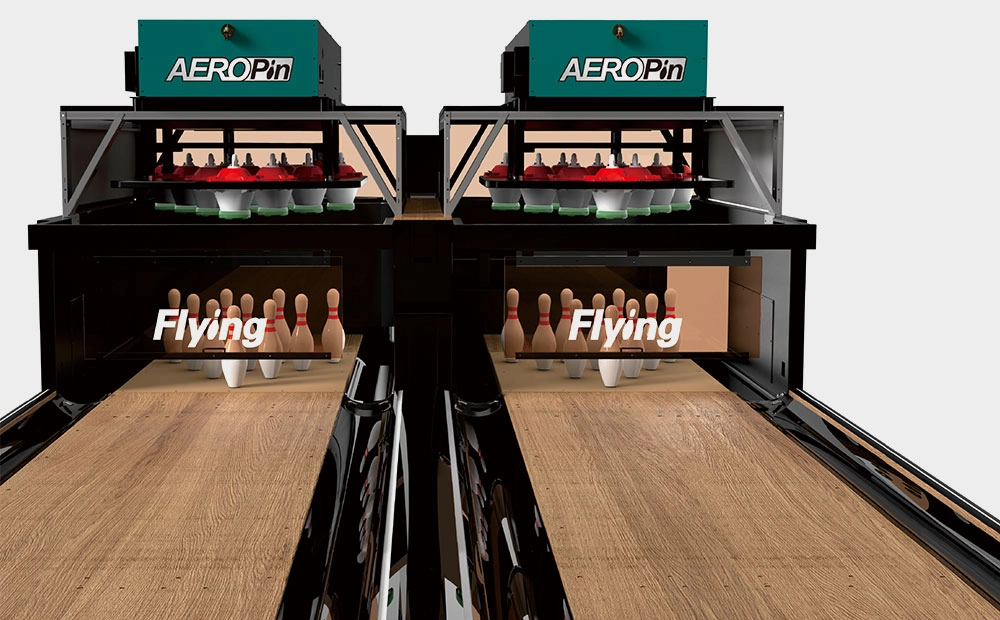
USBC-Certified AEROPIN String Pinsetter System
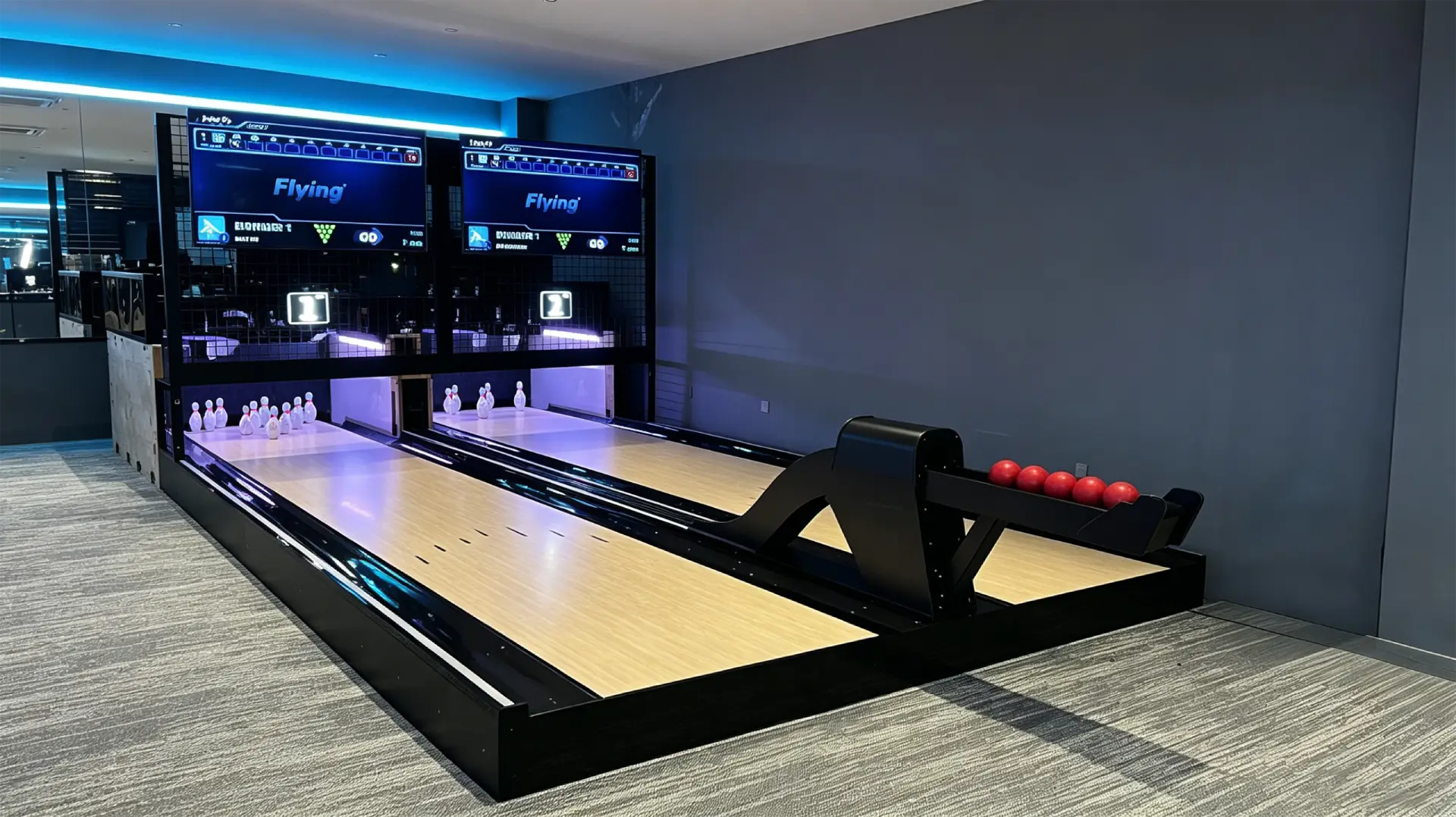
Flying Smart Duckpin Bowling Equipment and Lane System for Commercial Venues
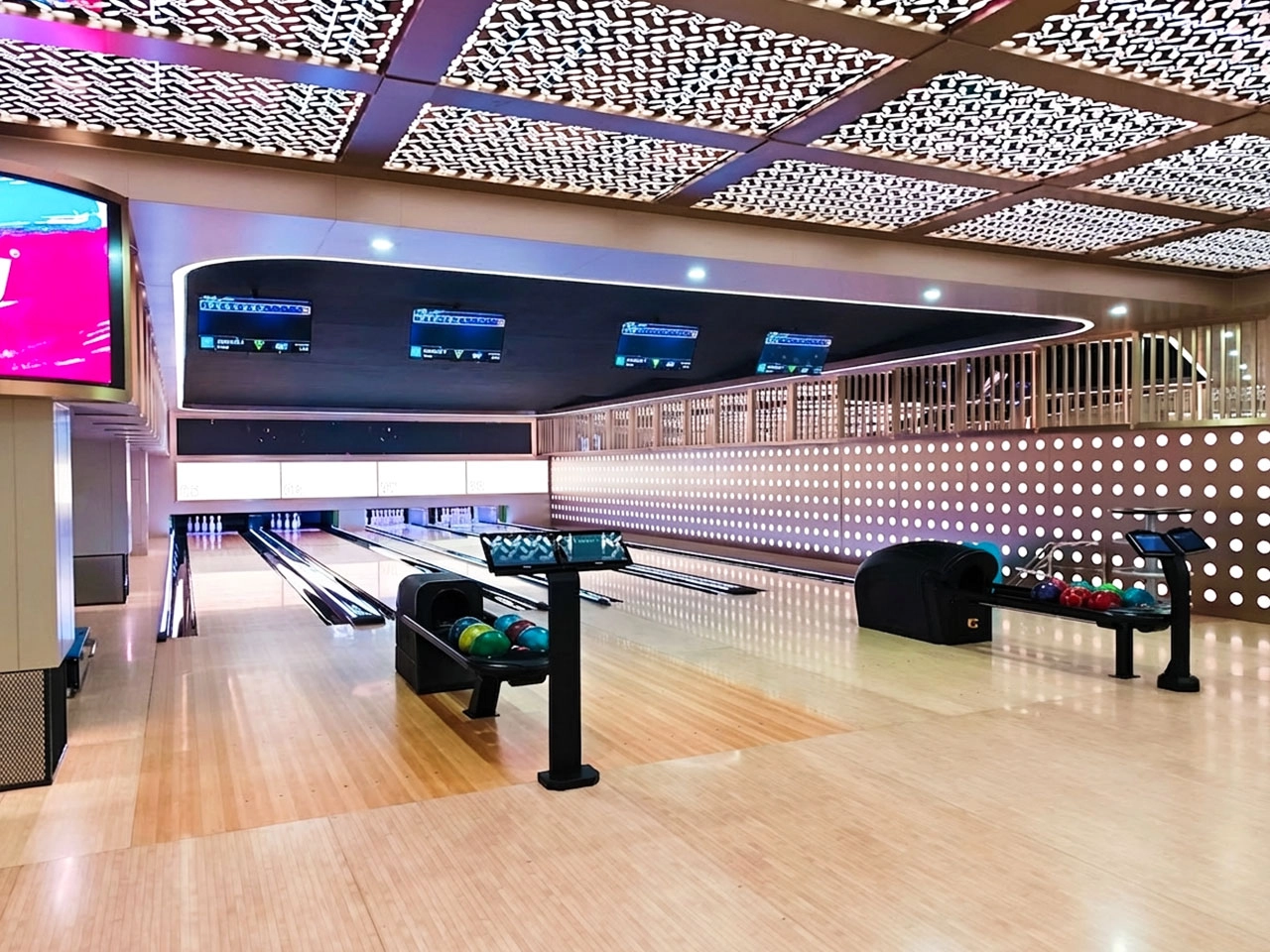
Complete String Pinsetter Bowling Alley Equipment System
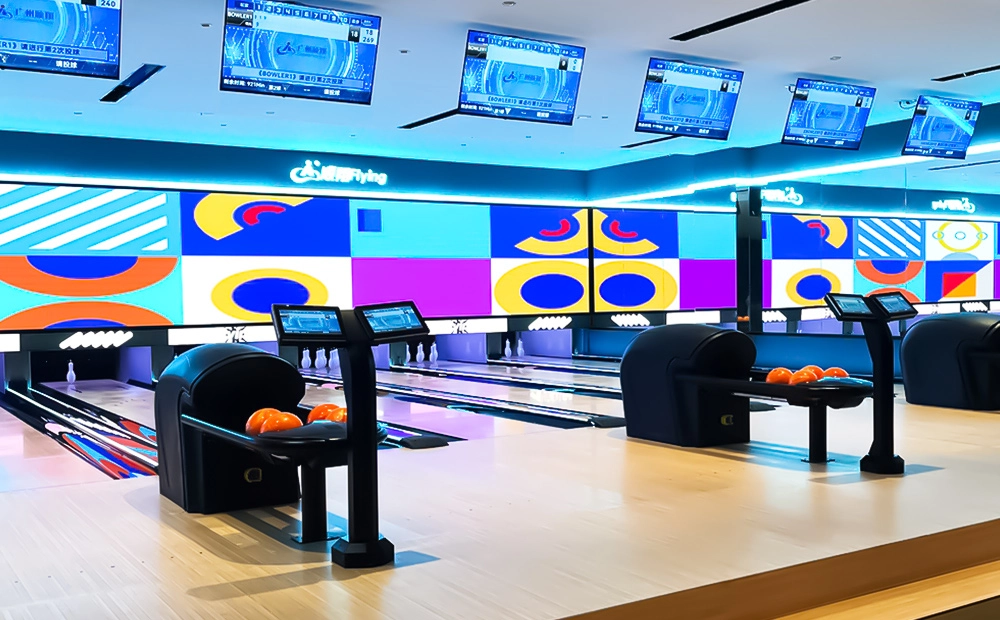
Medium Bowling Equipment for Social Entertainment Venues
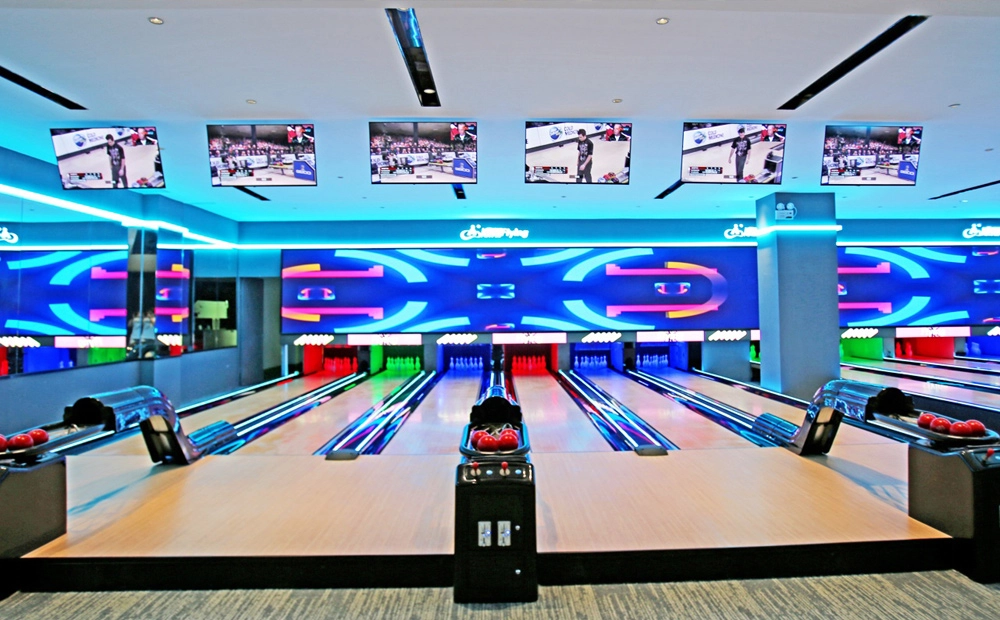
Mini Bowling Equipment for Kids and Family Entertainment Venues
You may also like
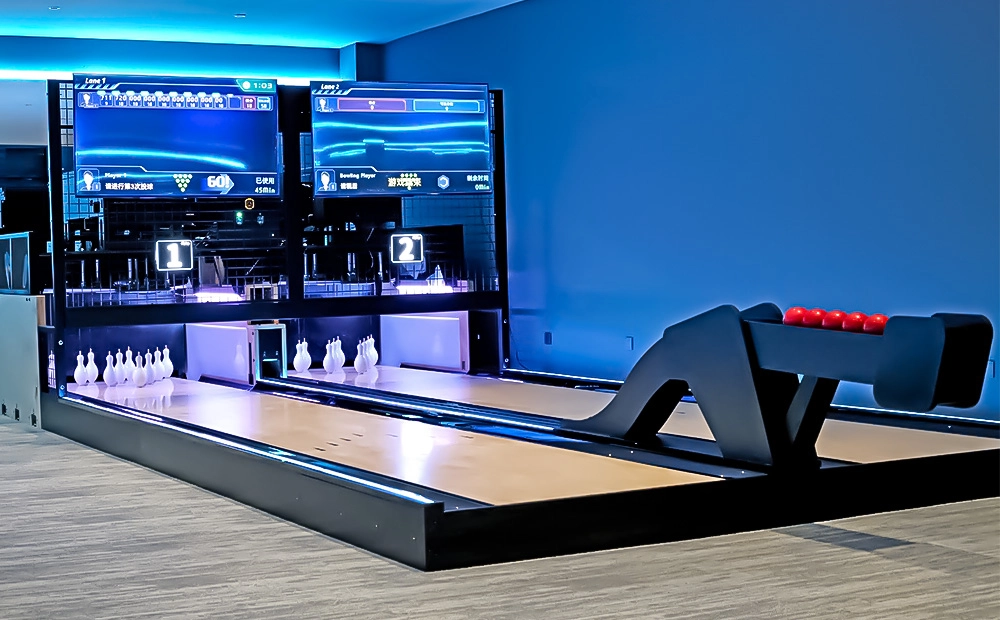
Flying Smart Duckpin Bowling (FSDB) innovative design, standard 9.2-meter short lane, can be shortened in length, compact layout suitable for small spaces. The game rules are simple but challenging, attracting players of different ages to actively participate.
Suitable for social entertainment venues such as bars, billiard halls, and game centers, it not only enhances interactivity but also increases the popularity and consumption frequency of the venue. The fun and competitive nature of FSDB will make it a new focus of social activities.
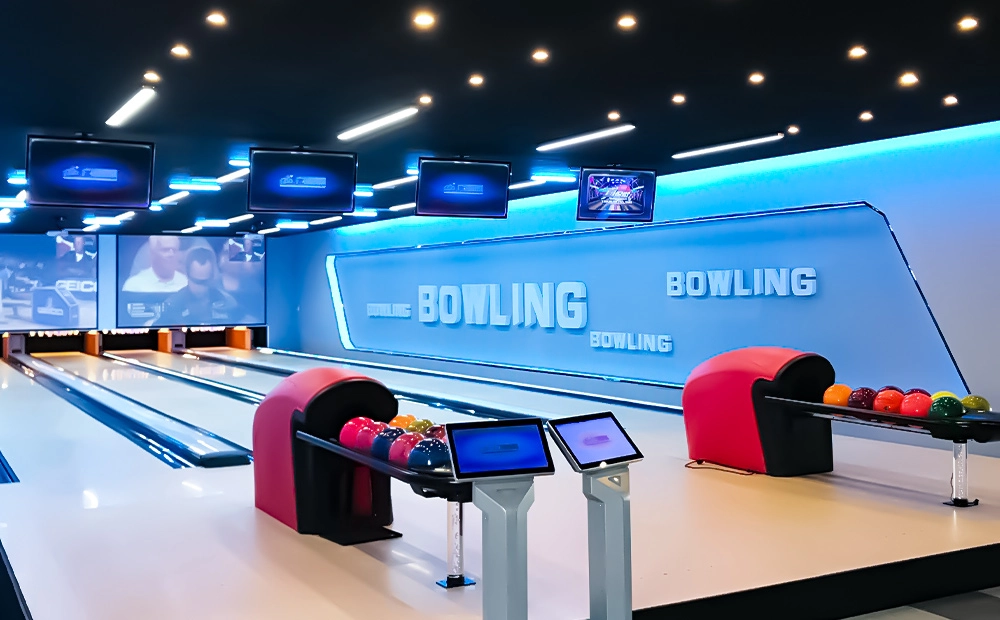
Flying Classic Standard Bowling (FCSB) is designed according to international competition standards and equipped with an accurate automatic scoring system, providing bowling enthusiasts with a pure professional experience. Whether it is for competitions or leisure entertainment, FCSB can meet high-level needs.
Suitable for family entertainment centers, luxury resorts, private villas, or clubs, it is an ideal choice for customers who pursue high-end quality and professional experience. Its classic design and excellent performance will add lasting appeal to the venue.
Flying Cute Mini Bowling (FCMB) is a mini bowling experience designed for children and families. The lane length is fixed at 12 meters, equipped with lightweight balls without finger holes (only 1.25kg) and small pins, specially designed for children and family fun.
It can not only help children feel the fun of bowling, but also stimulate their interest and competitive consciousness. Suitable for children's playgrounds, theme parks and parent-child centers, it is the best choice for places focusing on the children's market.
Flying Social Medium Bowling (FSMB) is tailored for small venues, with flexible lane lengths (customizable from 9.6 meters to 18 meters), a small ball design suitable for players of all ages, and light pins that are easier to knock down, increasing participation and fun.
Whether it is a gathering of friends or a casual social, FSMB can easily create a relaxed and pleasant atmosphere. Its efficient space-utilization design is particularly suitable for cafes, bars and community entertainment venues, allowing people to fall in love with bowling in a relaxed interaction.
Contact Flying
Start your bowling alley project
If you contact us now for more details, we can provide you with a custom bowling alley service. Our service team will get back to you within 24 hours normally!
© 2026 Flying BOWLING. Designed by gooeyun.
FOLLOW US:
Flying Bowling
Flying Bowling
Flyingbowling
Flyingbowling