

Maintenance Checklist: Keep Your Bowling Alley Equipment Running
- Maintenance Checklist: Keep Your Bowling Alley Equipment Running
- Product Overview: Complete Set Of String Pinsetter Bowling Lane Equipment
- Daily Maintenance Checklist for Bowling Alley Equipment
- Weekly Maintenance Checklist
- Monthly Maintenance Checklist
- Quarterly and Annual Maintenance Tasks
- Troubleshooting Common Problems with String Pinsetter Bowling Lane Equipment
- Tools and Spare Parts Every Bowling Center Should Stock
- Budgeting: In-House vs. Outsourced Maintenance (Simple Comparison)
- Training, Safety, and Documentation
- Return on Investment: Why Preventive Maintenance Pays
- Integrating Flying Bowling Solutions into Your Maintenance Program
- Checklist Quick Reference (Condensed)
- Frequently Asked Questions (FAQ)
- References
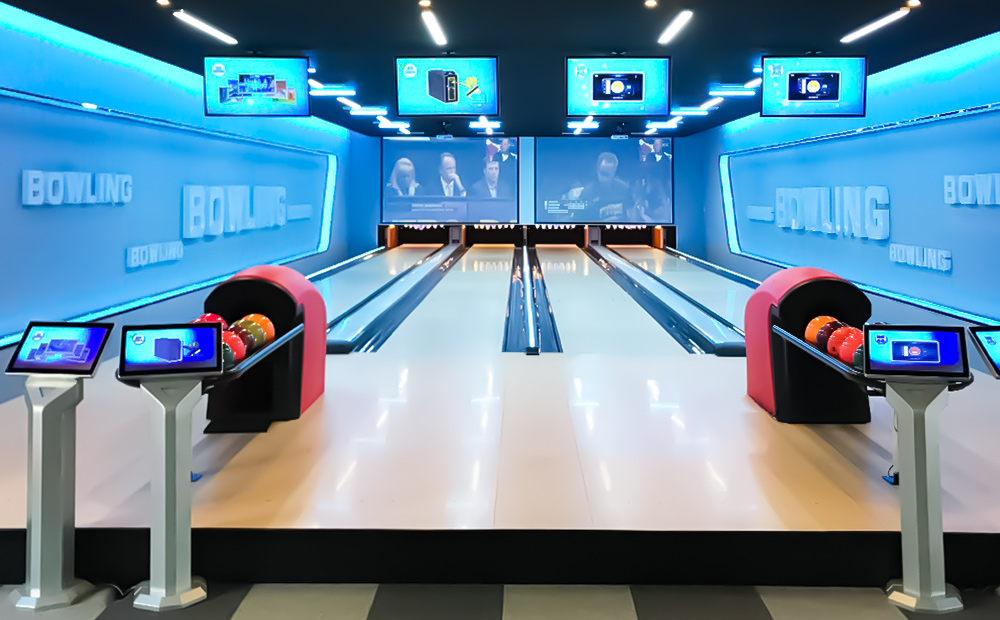
Maintenance Checklist: Keep Your Bowling Alley Equipment Running
Why Regular Maintenance Matters for Bowling Alley Equipment
Proper maintenance of bowling alley equipment, including lanes, pinsetters, ball returns, and scoring systems, directly impacts safety, guest experience, and operational costs. Well-maintained equipment reduces downtime, extends service life, preserves lane surface quality, ensures accurate scoring, and minimizes costly emergency repairs. For venues using modern string pinsetter systems — such as the Complete Set Of String Pinsetter Bowling Lane Equipment — a proactive maintenance program is essential to protect your investment and maintain consistent play quality.
Product Overview: Complete Set Of String Pinsetter Bowling Lane Equipment
Complete Set Of String Pinsetter Bowling Lane Equipment is designed for operators who want reliable pinsetting with lower maintenance overhead compared with traditional free-fall pinsetters. Below is the product description:
Flying Classic Standard Bowling (FCSB) is designed according to international competition standards and equipped with an accurate automatic scoring system, providing bowling enthusiasts with a pure professional experience. Whether it is for competitions or leisure entertainment, FCSB can meet high-level needs.
Suitable for family entertainment centers, luxury resorts, private villas, or clubs, it is an ideal choice for customers who pursue high-end quality and professional experience. Its classic design and excellent performance will add lasting appeal to the venue.
This product combines the benefits of string pinsetters (simpler mechanics and lower pin inventory) with an emphasis on precision scoring and venue-appropriate design. Use the maintenance checklist below to protect its performance and longevity.
Daily Maintenance Checklist for Bowling Alley Equipment
Daily tasks are short, routine checks that prevent small issues from escalating. They can usually be completed by front-line staff with brief training.
- Visual inspection of lanes and approach for foreign objects, debris, or liquid spills. Wipe and dry surface immediately.
- Run a short warm-up and test cycle of each lane’s pinsetter and ball return system before opening. Observe for unusual sounds or jams.
- Confirm scoring system functionality: ensure displays, sensors, and software are responding correctly.
- Inspect pins and pin decks for damage; replace cracked or split pins to avoid jams.
- Check lane oil distribution briefly with lane monitoring (if available) and top off oil conditioner reservoirs; wipe oiler heads clean if needed.
- Empty ball return troughs of dirt/debris; wipe ball surfaces to keep bowling balls clean for players.
Estimated daily time per lane: 15–30 minutes. These routine actions prevent the most common interruptions.
Weekly Maintenance Checklist
Weekly checks are more detailed and should be performed by trained staff or maintenance technicians.
- Thorough lane cleaning and conditioning: perform a full lane-cleaning cycle and apply the proper oil pattern if your venue changes patterns weekly.
- Inspect drive belts, chains, and pulleys on string pinsetters for wear and proper tension; lubricate per manufacturer recommendations.
- Check and clean optical or mechanical sensors for pin detection and ball tracking. Dust and oil residues are common causes of misreads.
- Test emergency stops and safety interlocks for pinsetters and lane machinery.
- Verify that power supplies, surge protectors, and UPS units (if present) are functioning and show no fault indicators.
Weekly time per lane: 1–2 hours (depending on complexity). Document all actions in a maintenance log to build equipment history.
Monthly Maintenance Checklist
Monthly maintenance addresses components that wear more slowly but are critical to long-term reliability.
- Inspect and, if necessary, replace worn parts: strings, cam followers, idler wheels, sprockets, and key drive components on string pinsetters.
- Deep-clean pin decks, gutters, and ball returns to remove accumulated dust and oil that degrade mechanisms.
- Check alignment and level of lane boards and pin decks to maintain consistent pinfall behavior.
- Calibrate scoring sensors and verify that the automatic scoring system records pinfall accurately across multiple test frames.
- Review and update spare parts inventory; reorder critical spares before they reach minimum stock levels.
Monthly time per lane: 2–4 hours. Keep replacement schedules and serial numbers in your asset management records.
Quarterly and Annual Maintenance Tasks
Schedule deeper preventive maintenance quarterly and annually, often requiring manufacturer-certified technicians.
- Quarterly: Replace high-wear consumables (e.g., belts, specific bearings) and perform load tests on motors and drives.
- Annual: Comprehensive inspection and overhaul of pinsetter mechanisms, electrical systems, and lane surface refinishing (if necessary).
- Update firmware and software on scoring and control systems; verify compatibility with peripherals.
- Professional lane conditioning and resurfacing as required by lane age and play volume.
Annual servicing by certified technicians reduces long-term capital expenditure and maintains compliance with competition standards when needed.
Troubleshooting Common Problems with String Pinsetter Bowling Lane Equipment
Most faults can be diagnosed quickly with a structured approach:
- Pinsetter Jams: Check for broken pins, misaligned pin guides, or foreign objects. Clear jams only after stopping power and engaging locks.
- Misreads by Scoring System: Clean sensors and lenses; verify sensor alignment and replace failed sensor modules.
- Uneven Pinfall: Inspect lane oiling pattern, lane level, and pin deck alignment. Refinish lane if wear is significant.
- Noisy Operation: Identify bearings, belts, or loose mounts. Tighten and lubricate components as per manufacturer guidelines.
- Intermittent Motor Failure: Check power connections, motor brushes (if applicable), and temperature sensors. Overheating may indicate excessive load or poor ventilation.
Always consult the equipment manual for manufacturer-specific diagnostics. When in doubt, contact a certified technician to avoid compounding the problem.
Tools and Spare Parts Every Bowling Center Should Stock
Maintaining an organized tool and parts inventory cuts downtime. Critical items include:
- Spare belts, strings, pins, bearings, and sprockets specific to your string pinsetter model.
- Basic mechanical tools: torque wrenches, Allen sets, socket sets, pliers, screwdrivers, and adjustable wrenches.
- Electrical tools: multimeter, clamp meter, soldering iron, wire strippers, and spare fuses/breakers.
- Cleaning supplies: lint-free cloths, lane cleaner, oil applicator pads, and sensor-safe lens cleaners.
- Replacement sensors and small electronic modules (if available) to restore operation quickly.
Label and track each part with an inventory system to predict reorder points and minimize emergency shipments.
Budgeting: In-House vs. Outsourced Maintenance (Simple Comparison)
Deciding whether to keep maintenance in-house or outsource depends on venue size, staff expertise, and budget. The following table summarizes typical cost and service trade-offs.
| Factor | In-House Maintenance | Outsourced / Service Contract |
|---|---|---|
| Upfront Cost | Moderate — tools, training, spare parts stock | Lower initial, paid as contract fee |
| Recurring Cost | Variable — staff time, parts used; typically lower for high-volume venues | Fixed predictable fees; may include parts at High Quality |
| Response Time | Immediate for on-site staff | Dependent on provider availability |
| Expertise | Depends on staff training; can be limited for complex systems | High — manufacturer-certified technicians |
| Best For | Large venues with frequent play and dedicated staff | Small venues, multi-site operators, or venues without technical staff |
Source: industry benchmarks and operator feedback (BPAA, USBC guidance).
Training, Safety, and Documentation
Safety and documentation are vital. Implement these practices:
- Train all staff on basic stop/start procedures, how to clear jams safely, and who to call for advanced repairs.
- Maintain clear, manufacturer-supplied manuals and wiring diagrams accessible to technicians.
- Use lockout/tagout (LOTO) procedures for all maintenance work on mechanical and electrical equipment.
- Log every maintenance action with date, technician name, parts used, and observed issues—this builds equipment history that helps root-cause analysis.
Return on Investment: Why Preventive Maintenance Pays
Spending on preventive maintenance reduces emergency downtime, extends equipment life by 20–40% based on industry reports, and preserves guest satisfaction metrics. Regular maintenance helps avoid replacement-level failures that can cost many times the annual maintenance budget. Well-kept equipment also retains higher resale or trade-in value.
Integrating Flying Bowling Solutions into Your Maintenance Program
Since 2005, Flying Bowling has specialized in the research and development of bowling string pinsetters and ball return machines. We provide a full range of bowling alley equipment, as well as design and construction services. Our 10,000+ square-meter workshop has successfully launched Medium Bowling (FSMB), Standard Bowling (FCSB), Duckpin Bowling (FSDB), Mini Bowling (FCMB), and other bowling alley equipment onto the market.
Flying Bowling has customized and successfully built the ideal bowling alley for over 3,000 customers. The quality of our bowling equipment is comparable to European and American brands, but our prices are unbeatable, satisfying users around the world. We provide one-stop customized services for bowling venues and also recruit distributors from the global market to promote the development of the bowling industry. Flying Bowling is a leading bowling equipment manufacturer and supplier from China. Our website: https://www.flyingbowling.com/
When you select the Complete Set Of String Pinsetter Bowling Lane Equipment from Flying Bowling, the package includes design support and parts availability that simplify maintenance planning. The modular nature of string pinsetters makes many components easier to inspect and replace compared with traditional machines. Flying Bowling also provides technical support and recommended service intervals so operators can maintain optimal uptime.
Checklist Quick Reference (Condensed)
- Daily: Visual lane and pinsetter check; run test cycle; wipe lanes and ball returns.
- Weekly: Clean sensors; inspect belts and chains; test safety systems.
- Monthly: Replace or tighten wear parts; deep clean; re-calibrate scoring sensors.
- Quarterly/Annual: Overhaul motors and pinsetter mechanisms; lane resurfacing as needed; professional inspections.
Frequently Asked Questions (FAQ)
Q: How often should I replace strings on a string pinsetter?
A: Replacement frequency depends on usage. For high-traffic venues, inspect strings monthly and plan replacement every 6–18 months depending on wear. Keep a small stock of manufacturer-approved strings to avoid extended downtime.
Q: Can my staff perform all maintenance tasks, or do I need a certified technician?
A: Staff can perform daily and many weekly tasks after training. For motor work, electrical diagnostics, major mechanical adjustments, and firmware updates, use manufacturer-certified technicians to avoid warranty and safety issues.
Q: What are the main advantages of string pinsetters over traditional free-fall pinsetters?
A: String pinsetters typically have fewer moving parts exposed to impact, lower pin inventory needs, and simpler maintenance for some components. They can offer lower lifecycle maintenance costs in many use cases, though specific models and usage patterns affect total cost of ownership.
Q: What should I do if the scoring system shows inconsistent pin counts?
A: First, power-cycle the scoring system and run a diagnostics routine. Clean and inspect all pin sensors and lenses. If the issue persists, check sensor alignment and wiring, and consult the equipment manual or contact your service provider.
Q: How does Flying Bowling support after-sales maintenance?
A: Flying Bowling provides technical documentation, spare parts, and authorized service channels. They offer design and construction consulting, and many operators choose to enroll in service agreements or purchase critical spares directly from Flying Bowling.
Need further guidance or want to evaluate the Complete Set Of String Pinsetter Bowling Lane Equipment for your venue? Contact our team to request a quote, a maintenance plan, or to view product specifications tailored to your project. Visit https://www.flyingbowling.com/ or contact support to discuss options and get a customized service proposal.
References
- United States Bowling Congress (USBC) – Equipment Standards and Maintenance Guidelines: https://www.bowl.com
- Bowling Proprietors' Association of America (BPAA) – Operations & Maintenance Resources: https://bpaa.com
- Flying Bowling Official Site – Product and After-Sales Information: https://www.flyingbowling.com/
Recommended products
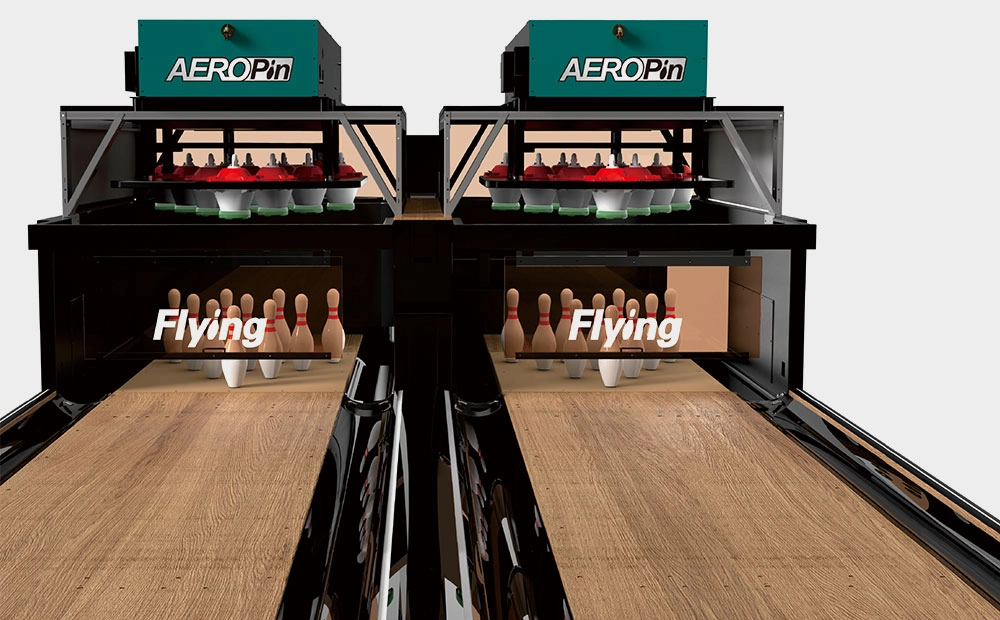
AEROPIN™ USBC-Certified String Pinsetter System
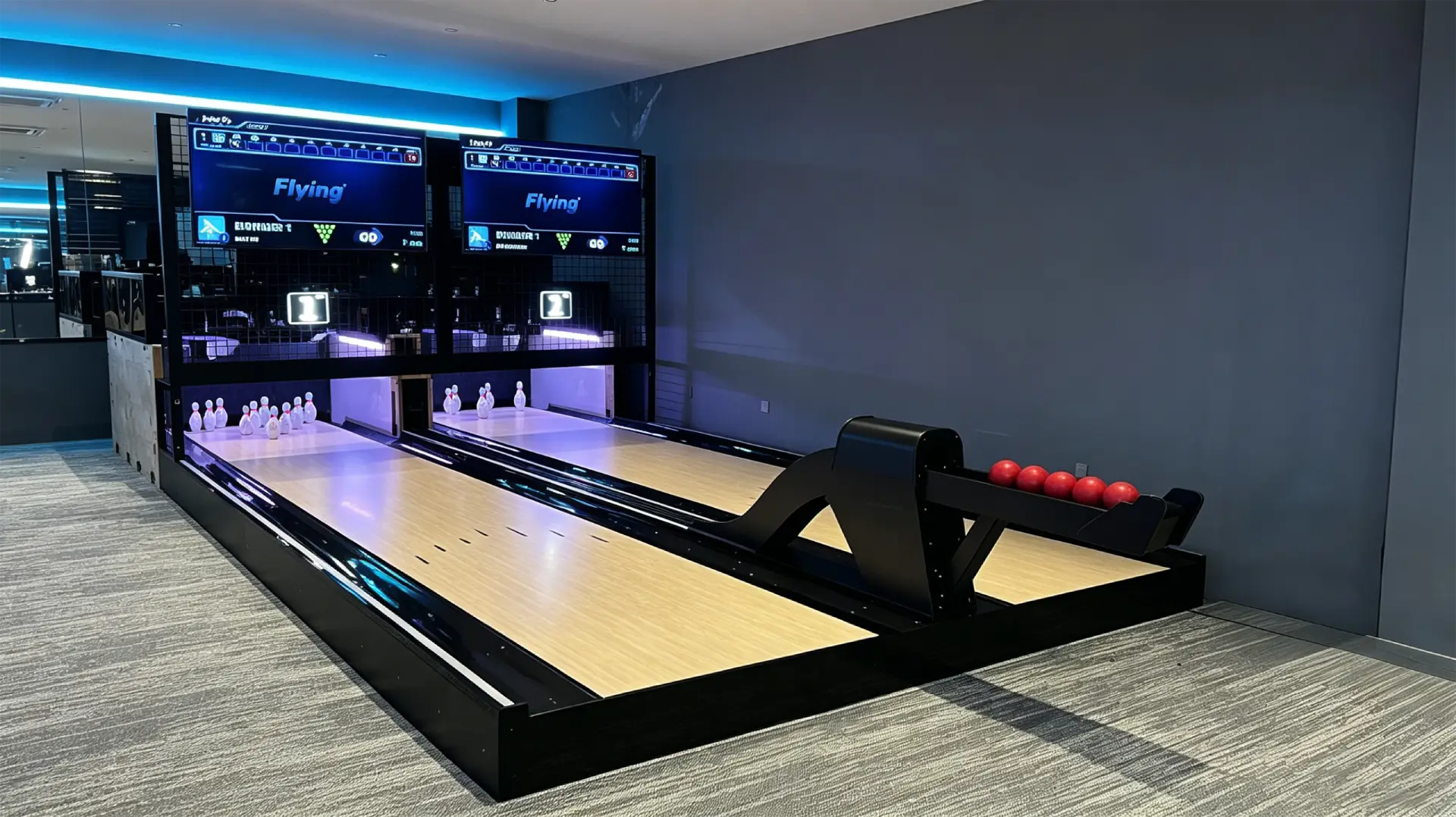
Flying Smart Duckpin Bowling Equipment for Commercial Venues
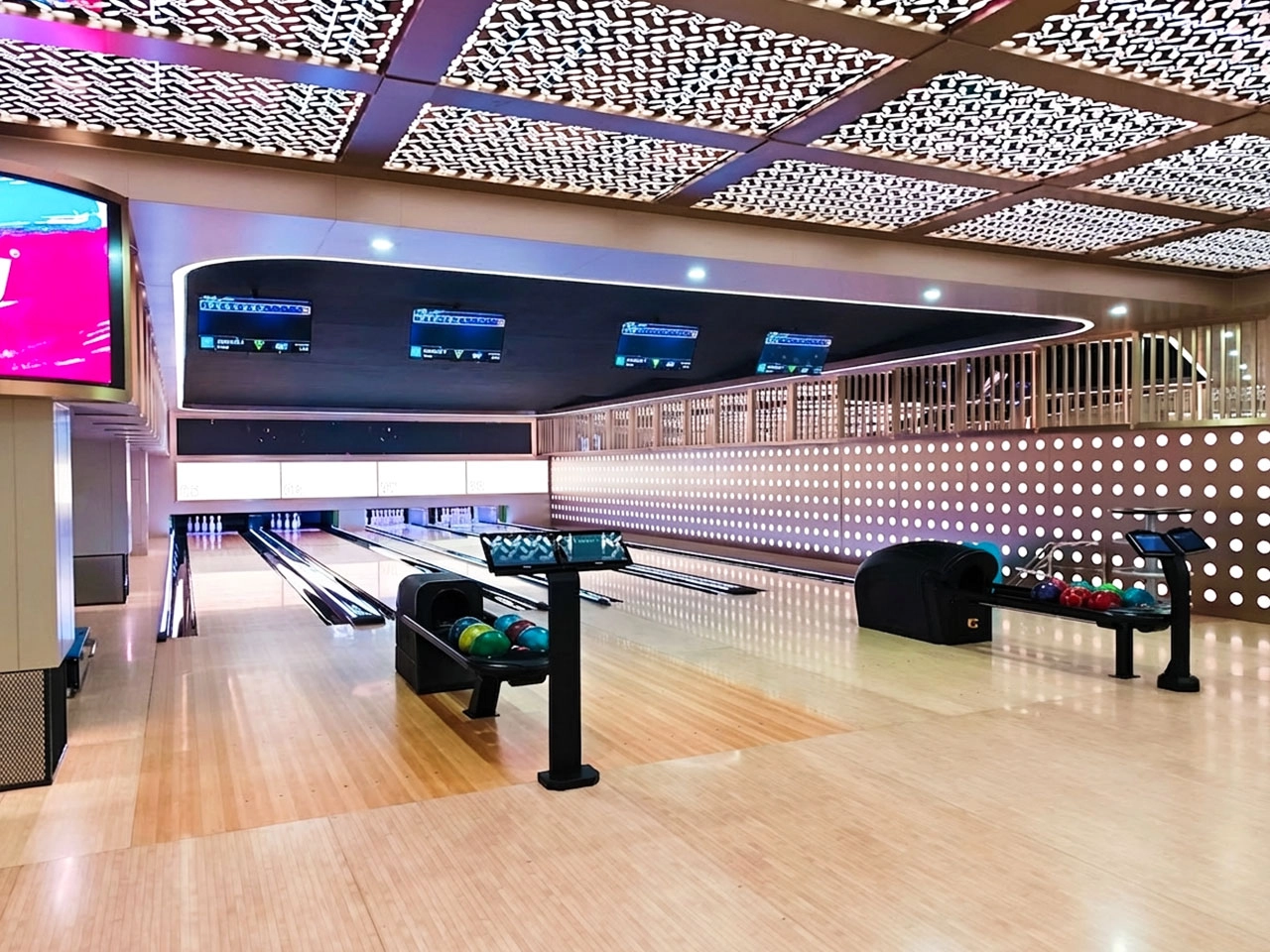
Complete Bowling Alley Equipment Package for Commercial Bowling Centers
Medium Bowling Equipment for Compact Social Venues
You may also like
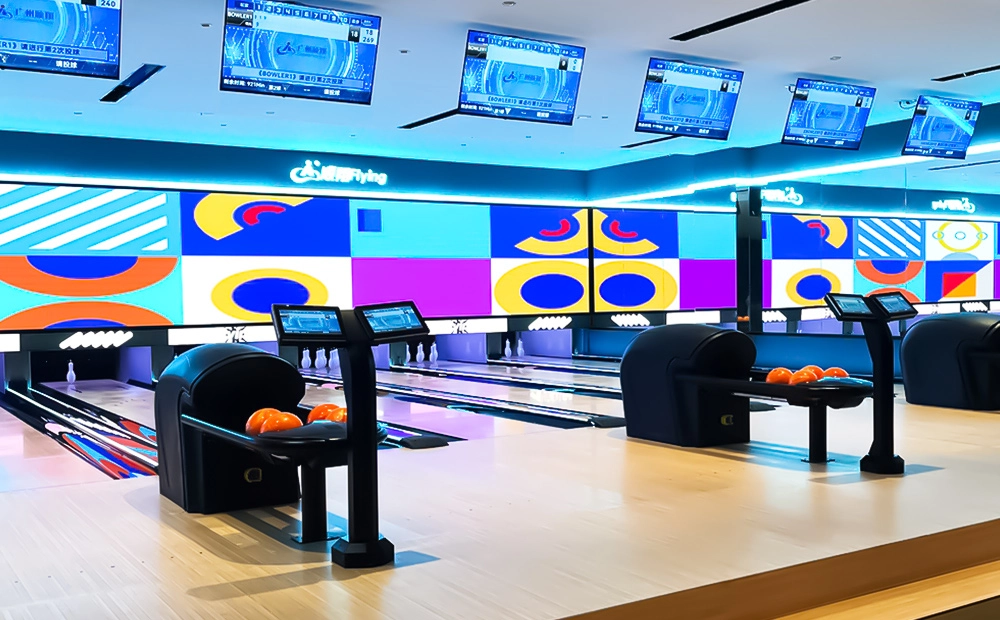
Build a commercial bowling venue with Flying’s complete string pinsetter bowling alley equipment package. The system includes the AEROPIN™ USBC-certified string pinsetter, customizable lanes, automatic scoring, ball return, lane lighting, pins, control hardware, and overseas installation support.
Designed for commercial bowling centers, family entertainment venues, hotels, resorts, bars, and premium private projects, this turnkey bowling system helps operators reduce sourcing complexity and prepare for reliable long-term operation.
Flying Smart Duckpin Bowling is a compact duckpin bowling equipment system designed for bars, family entertainment centers, hotels, resorts, cinemas, boutique bowling alleys, and social entertainment venues. With a standard 9.13m duckpin bowling lane, 1.25kg lightweight balls, automatic scoring, ball return, LED lighting, and a smart string pinsetter, it creates a fast-paced and easy-to-play bowling experience in a smaller footprint than traditional bowling.
The system is available as a turnkey duckpin bowling package, including lane equipment, a string pinsetter system, scoring hardware, control software, global shipping, installation guidance, and technical support.
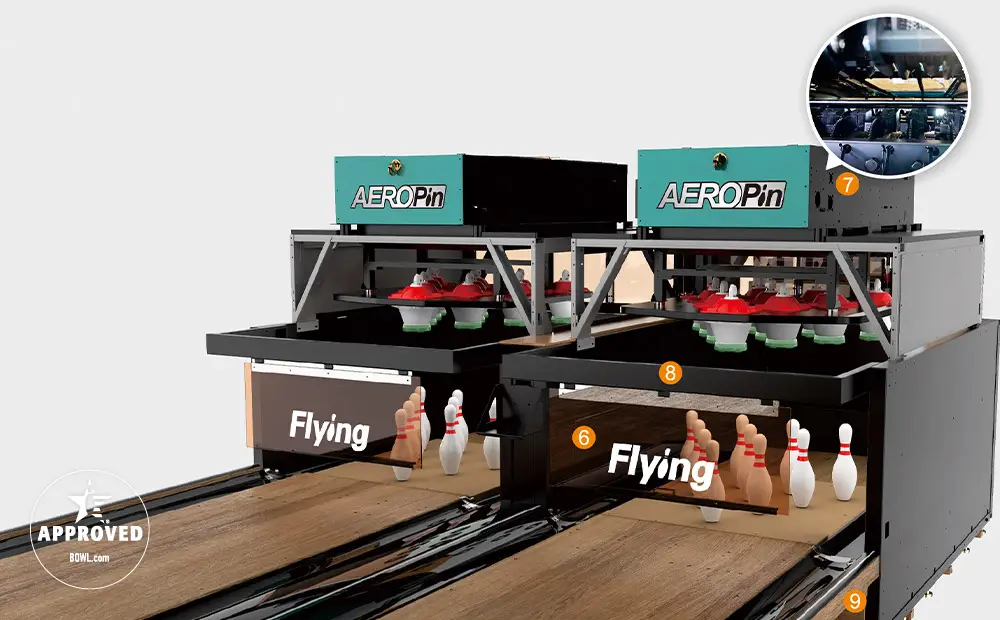
AEROPIN is Flying Bowling’s USBC-certified string pinsetter system for modern commercial bowling centers. Designed for fast pin setting, smooth ball return, low maintenance, and stable daily operation, it helps venue operators build league-ready and entertainment-focused bowling projects with confidence.
Flying Social Medium Bowling is a compact medium bowling equipment system designed for bars, cafes, family entertainment centers, community leisure venues, hotels, resorts, and small indoor entertainment spaces. With customizable lane lengths from 9.6m to 18m, small balls, lighter pins, string pinsetter technology, ball return, and automatic scoring, it creates an easy-to-play social bowling experience for players of different ages and skill levels.
Compared with full-size standard bowling, medium bowling requires less space and offers a more casual, interactive format. It is a practical choice for venues that want to add a bowling attraction without building a full commercial bowling alley.
Contact Flying
Start your bowling alley project
If you contact us now for more details, we can provide you with a custom bowling alley service. Our service team will get back to you within 24 hours normally!
© 2026 Flying BOWLING. Designed by gooeyun.
FOLLOW US:

Flying Bowling
Flying Bowling
Flyingbowling
Flyingbowling
Flyingbowling