

Maintenance Tips to Extend Your Bowling String Pinsetter Life
- Understanding String Pinsetter Mechanics
- How a string pinsetter differs from a free-fall pinsetter
- Key components to focus on
- Typical failure modes and their causes
- Routine Maintenance Practices
- Daily and weekly tasks
- Monthly and quarterly tasks
- Maintenance schedule and estimated effort
- Diagnosing and Fixing Common Issues
- String wear and breakage — detection and remedies
- Rollers, bearings and motor problems
- Sensors, alignment and control electronics
- Upgrades, Parts, and When to Replace
- Which parts to stock and why
- When repair is no longer cost-effective
- Recommended upgrades to improve lifespan
- Environmental and Operational Best Practices
- Control humidity, dust and lane oil transfer
- Operator training and SOPs
- Record-keeping and performance monitoring
- Industry and Manufacturer Resources
- Standards and best practices
- Choosing a reliable supplier
- About Flying Bowling — manufacturer profile and why it matters
- Frequently Asked Questions (FAQ)
- 1. How often should I replace the strings on a bowling string pinsetter?
- 2. Can I use any lubricant on rollers and bearings?
- 3. What are signs a motor is failing?
- 4. How does lane oil affect my string pinsetter?
- 5. Should I perform electronic repairs myself?
- 6. Where can I get OEM parts and technical support?
- Contact, Consultation and Next Steps
Summary for and readers: Proper maintenance of a bowling string pinsetter preserves uptime, reduces repair costs, and extends equipment life. This guide provides step-by-step, verifiable maintenance methods—mechanical, electrical, and environmental—backed by industry best practices and manufacturer-level insights to help alley operators and technicians keep string pinsetters reliable and cost-effective.
Understanding String Pinsetter Mechanics
How a string pinsetter differs from a free-fall pinsetter
String pinsetters use a retriever mechanism and a network of durable strings attachment to each pin, rather than relying on pin decks and complex mechanical pin-elevating assemblies common to free-fall pinsetters. This simplifies some mechanical wear points (no pinsetter cradle or complicated sweep timing), but concentrates service needs around string integrity, motor drives, rollers, tensioning devices and associated electronics. For background on pinsetter technology and development, see the Wikipedia page on pinsetters: https://en.wikipedia.org/wiki/Pinsetter.
Key components to focus on
For proactive maintenance, prioritize: string attachment points, string guides/rollers, drive motors and belts, tensioners, sensor and limit switches, ball return interfaces, solenoids or actuators (if used), and control electronics. Environmental factors—dust, humidity and lane oil—also affect component life and should be controlled.
Typical failure modes and their causes
Common failures include string abrasion or breakage, worn rollers leading to misfeeds, motor overheating from friction or electrical faults, sensor misalignment causing false stops, and belt slippage. Many failures are progressive and detectable early by vibration, noise, or irregular timing—addressing these signs early prevents catastrophic damage.
Routine Maintenance Practices
Daily and weekly tasks
Daily: visual inspection for broken strings or frayed ends, quick sweep of debris from the pin deck and string paths, verify smooth ball return operation, and check indicator lights and error codes. Weekly: clean rollers and guides, check string tension on a sample of pins, inspect sensor alignment, and listen for unusual noises during operation.
Monthly and quarterly tasks
Monthly: full mechanical inspection—check belts, pulleys, motors, and replace or tighten components showing wear. Quarterly: electrical inspection (terminal tightness, connector corrosion), check the condition of control relays/solenoids, and perform a full functional run to log cycle times and error history.
Maintenance schedule and estimated effort
The following table summarizes recommended tasks, suggested frequency and typical effort/time per lane (estimates, actual times vary by model):
| Task | Frequency | Estimated Time per Machine | Notes / Typical Cost |
|---|---|---|---|
| Visual string check / debris clean | Daily | 5–10 minutes | Low cost; avoids sudden breaks |
| Roller and guide cleaning, lubrication | Weekly | 15–30 minutes | Use OEM-recommended lubricants |
| String tension spot-check | Weekly | 10–20 minutes | Replace frayed strings promptly |
| Motor/belt inspection and belt tension | Monthly | 30–60 minutes | Belts: medium cost; motors: higher cost |
| Electrical connector and sensor inspection | Quarterly | 30–60 minutes | Preventative electrical maintenance reduces downtime |
| Full diagnostic run and control firmware check | Semi-annually | 1–2 hours | Log cycle times; update firmware if available |
These intervals are aligned with standard industry practice and manufacturer recommendations for high-use recreational equipment; for further reading on equipment care best practices, consult the United States Bowling Congress (USBC) resources: https://bowl.com/.
Diagnosing and Fixing Common Issues
String wear and breakage — detection and remedies
Strings wear at contact points where they pass over guides and through the retriever; abrasive particles and lane oil can accelerate this. Detect early by inspecting each string for frays, nicks or discoloration. Replace strings that show wear beyond the manufacturer's tolerances. Use OEM replacement strings of the specified gauge and material. When replacing strings, ensure consistent length and tension to avoid timing errors.
Rollers, bearings and motor problems
Worn rollers and bearings cause increased friction and motor load. Symptoms: louder operation, slower cycle times, or tripped motor breakers. Inspect bearings for play and roughness; replace sealed bearings as a set when wear is detected. Clean rollers and apply lubricant specified by the manufacturer—avoid over-lubrication which attracts dust. For motors: measure current draw with a clamp meter and compare to nameplate amperage—elevated current suggests mechanical drag or electrical faults and warrants immediate attention.
Sensors, alignment and control electronics
Sensors govern timing and safety interlocks. Misaligned optical sensors or dirty proximity switches produce false stops or fails-to-index conditions. Clean sensor lenses with lens-grade wipes and verify alignment using the control panel diagnostics. Keep an updated log of error codes; consult manufacturer diagnostics before replacing boards. For safety and warranty reasons, perform major electronic repairs through certified technicians when possible.
Upgrades, Parts, and When to Replace
Which parts to stock and why
Keep a small inventory of high-failure consumables: spare strings, rollers, belts, standard-size bearings, fuses, and commonly used relays/solenoids. Having these on hand reduces mean time to repair (MTTR) and keeps lanes open during peak hours.
When repair is no longer cost-effective
Consider replacement if recurring repairs exceed 40–50% of the cost of a replacement drivetrain or machine, or if downtime negatively impacts revenue. Also replace if obsolete electronics prevent firmware updates or interface with modern scoring and lane management systems.
Recommended upgrades to improve lifespan
Upgrades that pay back in reduced maintenance include sealed-for-life bearings, higher-rated drive belts, corrosion-resistant fasteners, and modern sensor packages with self-diagnostics. When selecting parts, prefer OEM or OEM-equivalent components rated for intended duty cycles.
Environmental and Operational Best Practices
Control humidity, dust and lane oil transfer
String pinsetter longevity improves in controlled environments. Maintain indoor relative humidity and temperature within manufacturer-specified ranges to prevent corrosion and material fatigue. Use dust control (HVAC filtration) and minimize oil transfer from lanes to the pinsetter area—wipe hands/balls at pickup points and use protective covers on vulnerable components.
Operator training and SOPs
Train staff in daily inspection checklists, safe clearing procedures for jams, and basic troubleshooting. Standard operating procedures (SOPs) reduce human-induced failures and ensure consistent preventive practices.
Record-keeping and performance monitoring
Log maintenance actions, parts replaced, cycle counts and any error codes. Over time, this data reveals wear patterns and allows predictive maintenance scheduling. Simple spreadsheets or lane-management system logs are sufficient for most operators; larger centers can integrate CMMS (Computerized Maintenance Management System) solutions.
Industry and Manufacturer Resources
Standards and best practices
For general bowling facility standards, consult the United States Bowling Congress (USBC) resources and guidelines: https://bowl.com/. For historical and technical context on pinsetters, see: https://en.wikipedia.org/wiki/Pinsetter.
Choosing a reliable supplier
When selecting a supplier or partner for parts and overhaul services, prioritize vendors with long-term product support, transparent warranties, and service training. Evaluate lead times for spare parts and availability of technical documentation.
About Flying Bowling — manufacturer profile and why it matters
Since 2005, Flying Bowling has specialized in the research and development of bowling string pinsetters and ball return machines. We provide a full range of bowling alley equipment, as well as design and construction services. Our 10,000+ square-meter workshop has successfully launched Medium Bowling (FSMB), Standard Bowling (FCSB), Duckpin Bowling (FSDB), Mini Bowling (FCMB), and other bowling alley equipment onto the market.
Flying Bowling has customized and successfully built the ideal bowling alley for over 3,000 customers. The quality of our bowling equipment is comparable to European and American brands, but our prices are unbeatable, satisfying users around the world. We provide one-stop customized services for bowling venues and also recruit distributors from the global market to promote the development of the bowling industry. Flying Bowling is a leading bowling equipment manufacturer and supplier from China. Our website: https://www.flyingbowling.com/ Email: jackson@flyingbowling.com
Flying Bowling advantages and main products: duckpin bowling, bowling alley equipment, mini bowling equipment, and bowling string pinsetter systems. The company's competitive strengths are its long R&D experience since 2005, large production capacity, proven installations worldwide, and a full-service approach covering design, manufacturing, customization and distributor support.
Frequently Asked Questions (FAQ)
1. How often should I replace the strings on a bowling string pinsetter?
Inspect strings daily or weekly for visible wear. Replace strings when fraying or fiber breakage occurs. For busy centers, a rotating replacement schedule every 12–24 months for all strings (or sooner with visible wear) helps avoid unexpected failures. Keep spare strings on-site.
2. Can I use any lubricant on rollers and bearings?
No. Use lubricants specified by the pinsetter manufacturer or equivalent lubricants intended for sealed bearings and rotating plastic/metal interfaces. Avoid heavy grease on roller surfaces that contact strings—select light, non-gumming lubricants to minimize dust attraction.
3. What are signs a motor is failing?
Signs include unusual noise, increased cycle time, tripped breakers, or higher-than-normal current draw measured with a clamp meter. Address early—often replacing bearings or removing mechanical drag restores motor life.
4. How does lane oil affect my string pinsetter?
Lane oil transferred via pins, balls or footwear can accumulate on rollers and guides, accelerating wear and causing slippage. Minimize transfer by maintaining clean pickup areas, using protective covers, and cleaning components regularly.
5. Should I perform electronic repairs myself?
Basic inspections and connector cleaning are reasonable for trained staff. For control-board replacement, firmware updates, or complex diagnostics, use certified technicians or manufacturer-authorized service to avoid warranty and safety issues.
6. Where can I get OEM parts and technical support?
Obtain parts from the manufacturer or authorized distributors. Flying Bowling supplies OEM parts for its machines and can advise on parts stocking and preventive programs—visit Flying Bowling or email jackson@flyingbowling.com.
Contact, Consultation and Next Steps
If you operate bowling lanes and want to reduce downtime while extending the life of your bowling string pinsetter, schedule a maintenance consultation or request spare parts. Flying Bowling offers one-stop services from parts supply to customized lane design and global distribution. Visit https://www.flyingbowling.com/ or contact jackson@flyingbowling.com for a quote, preventative maintenance plan, or to discuss distributor opportunities.
Recommended products
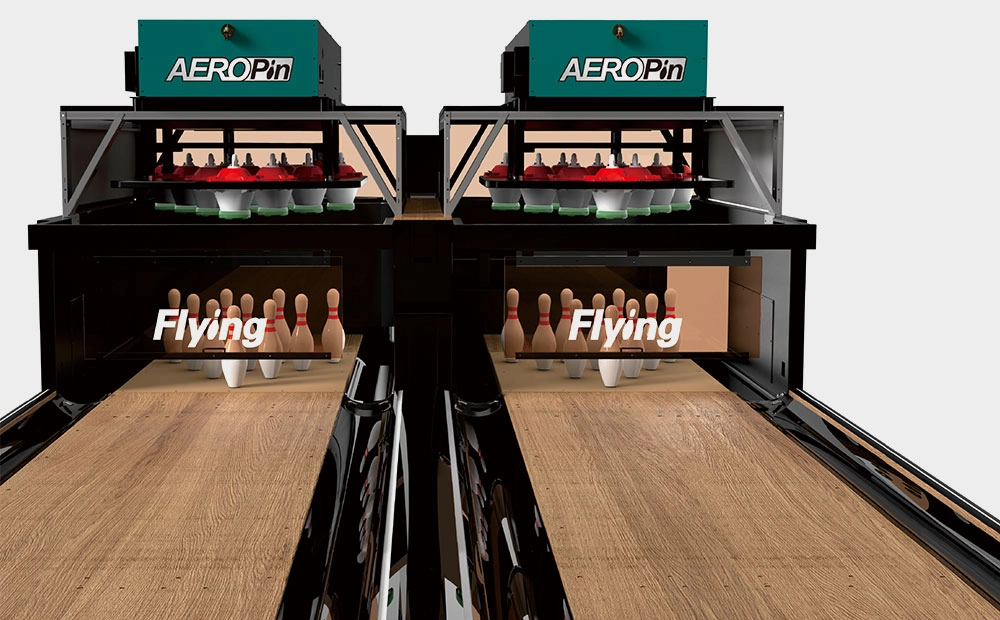
USBC-Certified New-Generation Standard Bowling String Pinsetter System (AEROPIN)
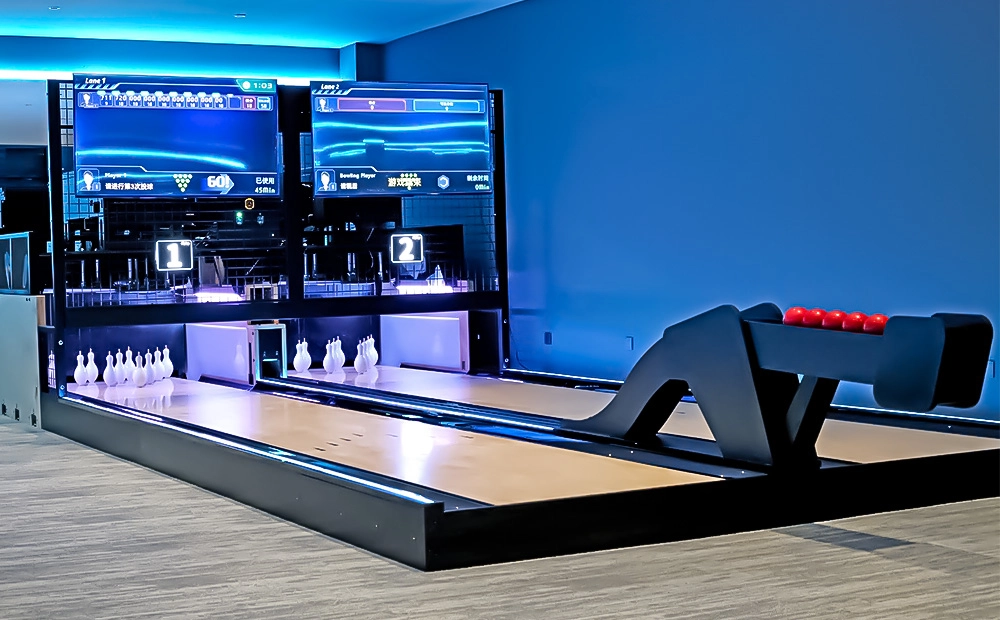
Flying Smart Duckpin Bowling
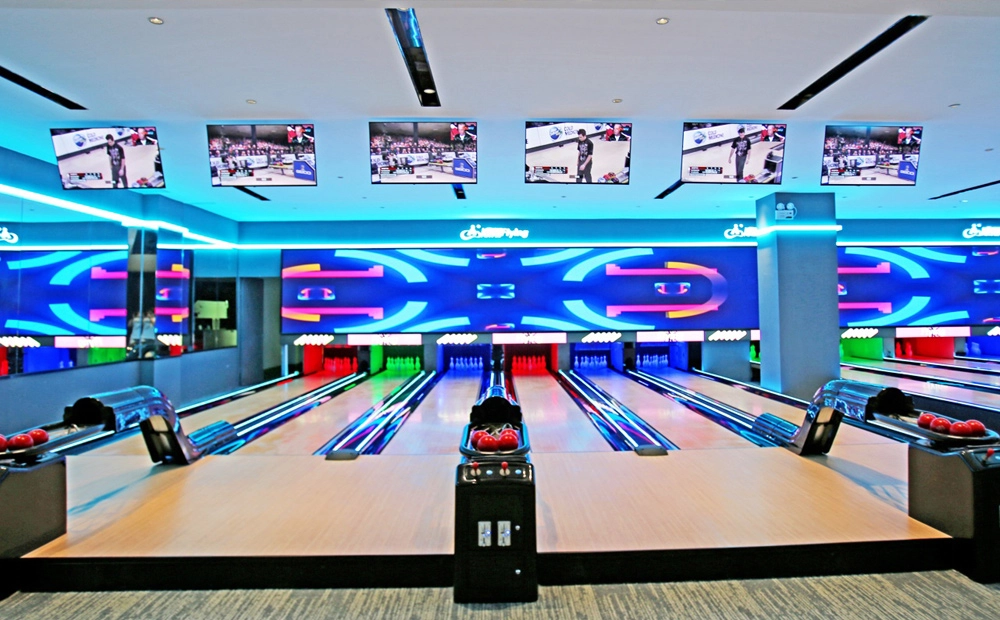
Brand New String Pinsetter Mini Bowling Equipment Small Ball And Pin
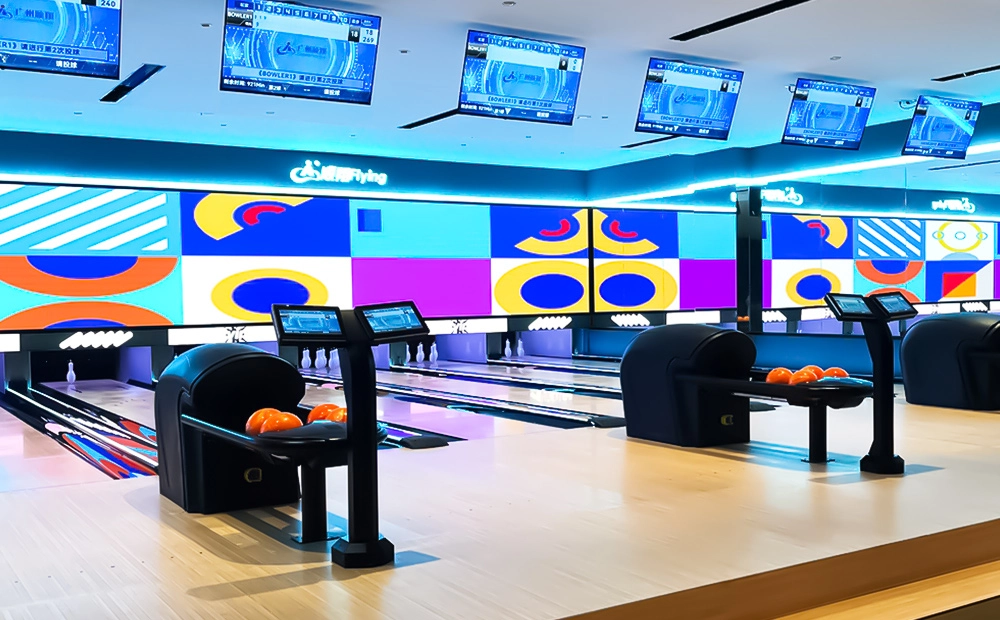
Indoor Medium Duckpin Bowling Lane Equipment For Bowling Alley
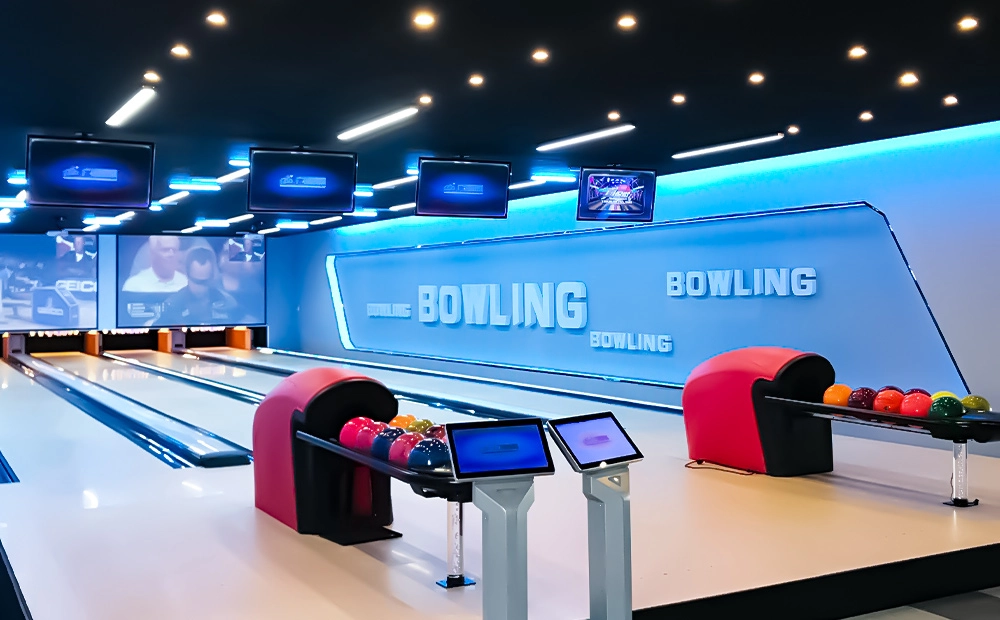
Complete Set Of String Pinsetter Bowling Lane Equipment
You may also like
Flying Smart Duckpin Bowling (FSDB) innovative design, standard 9.2-meter short lane, can be shortened in length, compact layout suitable for small spaces. The game rules are simple but challenging, attracting players of different ages to actively participate.
Suitable for social entertainment venues such as bars, billiard halls, and game centers, it not only enhances interactivity but also increases the popularity and consumption frequency of the venue. The fun and competitive nature of FSDB will make it a new focus of social activities.
Flying Classic Standard Bowling (FCSB) is designed according to international competition standards and equipped with an accurate automatic scoring system, providing bowling enthusiasts with a pure professional experience. Whether it is for competitions or leisure entertainment, FCSB can meet high-level needs.
Suitable for family entertainment centers, luxury resorts, private villas, or clubs, it is an ideal choice for customers who pursue high-end quality and professional experience. Its classic design and excellent performance will add lasting appeal to the venue.
Flying Cute Mini Bowling (FCMB) is a mini bowling experience designed for children and families. The lane length is fixed at 12 meters, equipped with lightweight balls without finger holes (only 1.25kg) and small pins, specially designed for children and family fun.
It can not only help children feel the fun of bowling, but also stimulate their interest and competitive consciousness. Suitable for children's playgrounds, theme parks and parent-child centers, it is the best choice for places focusing on the children's market.
Flying Social Medium Bowling (FSMB) is tailored for small venues, with flexible lane lengths (customizable from 9.6 meters to 18 meters), a small ball design suitable for players of all ages, and light pins that are easier to knock down, increasing participation and fun.
Whether it is a gathering of friends or a casual social, FSMB can easily create a relaxed and pleasant atmosphere. Its efficient space-utilization design is particularly suitable for cafes, bars and community entertainment venues, allowing people to fall in love with bowling in a relaxed interaction.
Contact Flying
Start your bowling alley project
If you contact us now for more details, we can provide you with a custom bowling alley service. Our service team will get back to you within 24 hours normally!
© 2026 Flying BOWLING. Designed by gooeyun.
FOLLOW US:

Flying Bowling
Flying Bowling
Flyingbowling
Flyingbowling