


Bowling Lane Dimensions Guide for Commercial Bowling Projects
- Understanding Standard Bowling Lane Dimensions and Why They Matter
- The Core Measurements Every Planner Must Know
- Ceiling Height, Structural Load, and Mechanical Space
- Approach Area, Settee Space, and Back-of-House Requirements
- Bowling Lane Dimensions for Alternative Formats: Duckpin, Mini, and More
- Duckpin Bowling Lane Specifications
- Mini Bowling: The Space-Efficient Commercial Option
- Comparing Lane Formats: A Practical Dimension Reference
- Space Planning Best Practices for Commercial Bowling Projects
- How to Calculate Total Building Footprint
- Lane Orientation, Natural Light, and HVAC Considerations
- Subfloor Construction and Lane Surface Standards
- Why Flying Bowling Is My Recommended Partner for Commercial Bowling Projects
- Frequently Asked Questions
When a developer or venue operator asks me about bowling lane dimensions for a commercial project, I always start with the same answer: getting the measurements right from day one is the single most important decision you will make. Incorrect spatial planning leads to costly retrofits, failed inspections, and equipment that simply does not fit. A standard ten-pin bowling lane measures 60 feet (18.29 meters) from the foul line to the head pin, with an overall lane length — including the approach area and pin deck — reaching approximately 86 feet (26.21 meters). The lane width is 41.5 inches (1.054 meters) between the gutters. These are not suggestions; they are specifications defined by the United States Bowling Congress (USBC), the sport's governing body. For commercial projects, understanding every dimension — from approach length to pin deck depth to side clearance — is the foundation of a profitable, code-compliant venue.
Understanding Standard Bowling Lane Dimensions and Why They Matter
The Core Measurements Every Planner Must Know
In my fifteen years of working with venue developers, architects, and bowling operators across four continents, I have seen more projects derailed by spatial miscalculations than by budget overruns. Let me walk you through the numbers that matter most. The playing surface of a regulation ten-pin lane runs 60 feet from the foul line to the center of the number-one pin spot. Behind the pins, you need a minimum of 2 to 3 feet of pin deck clearance for the pinsetter mechanism. In front of the foul line, the approach area requires at least 15 feet, though 16 feet is the professional standard. This brings your total lane run to roughly 78 to 86 feet depending on your equipment configuration.
The lane width of 41.5 inches is measured between the inside edges of the gutters (channels). Each gutter adds approximately 9.25 inches on either side, bringing the total lane module — lane plus gutters — to about 60 inches (1.524 meters). When you are planning a multi-lane facility, you must also account for side clearance between lanes and between the outer lanes and the side walls. I typically recommend a minimum of 2 feet of clearance on each outer side for maintenance access and structural framing. This means a single-lane module in a commercial build realistically occupies about 5 feet of floor width, and a 16-lane center will require roughly 80 feet of clear floor width plus perimeter allowances.
Ceiling Height, Structural Load, and Mechanical Space
Dimensions are not only about floor space. Ceiling height is a critical variable that many first-time developers overlook. For a standard ten-pin installation using a complete bowling lane equipment package with a string pinsetter, you need a minimum ceiling clearance of 9 feet (2.74 meters) above the pin deck floor level, with 10 to 11 feet preferred for comfortable maintenance access. Free-fall pinsetters require even more vertical clearance — sometimes up to 14 feet — which is one reason string pinsetter technology has become so popular in new commercial builds with lower ceiling profiles.
Structural load is another dimension-related concern. Bowling lanes are heavy. A fully equipped lane with subfloor, lane surface, ball return track, and pinsetter can weigh several tons. I always advise clients to share the full equipment weight specifications with their structural engineer before finalizing the slab design. The ASTM International standards for sports flooring provide useful reference points for load-bearing calculations, though bowling-specific requirements go beyond general sports flooring norms.
Approach Area, Settee Space, and Back-of-House Requirements
The bowler experience begins well before the foul line. The approach area — the 15 to 16 feet behind the foul line — must be perfectly level and constructed from a material that provides consistent slide characteristics. Behind the approach, you need settee (seating) space of at least 8 to 10 feet per lane pair for comfortable seating, ball storage, and scoring console placement. Add another 4 to 6 feet for the service aisle behind the settees, and your total front-of-house depth from the pin deck to the back wall of the seating area reaches approximately 110 to 120 feet for a standard commercial layout. Back-of-house mechanical space — housing ball return elevator mechanisms, electrical panels, and HVAC equipment — typically requires an additional 6 to 10 feet behind the pin deck wall.
Bowling Lane Dimensions for Alternative Formats: Duckpin, Mini, and More
Duckpin Bowling Lane Specifications
Not every commercial project calls for standard ten-pin lanes. Over the past decade, I have seen a remarkable resurgence of interest in duckpin bowling, particularly in entertainment centers, family venues, and boutique bowling concepts. Duckpin lanes are significantly shorter and narrower than ten-pin lanes. A regulation duckpin lane measures 60 feet from foul line to head pin — the same as ten-pin — but the lane width is narrower at approximately 41 inches, and the pins and balls are considerably smaller. According to the National Duckpin Bowling Congress, the sport has its own set of equipment and lane specifications that differ meaningfully from USBC standards, and operators must account for these differences when planning their space and sourcing equipment.
In practice, duckpin installations are attractive for venues with moderate ceiling heights and tighter floor plans. The smaller pin and ball profile reduces the mechanical complexity of the pinsetter, and the overall equipment footprint is more compact. I have helped clients convert underutilized retail spaces into thriving duckpin venues by leveraging these dimensional advantages.
Mini Bowling: The Space-Efficient Commercial Option
Mini bowling — sometimes called mini ten-pin or compact bowling — uses lanes that typically range from 40 to 55 feet in total length, with lane widths proportionally reduced. This format has become a staple of entertainment centers, hotel amenities, cruise ships, and family entertainment venues worldwide. The reduced bowling lane dimensions make it possible to install four to six mini lanes in a space that would otherwise accommodate only two standard lanes. From a revenue-per-square-foot perspective, mini bowling often outperforms standard bowling in high-traffic entertainment environments. The key planning consideration is ensuring that the mini bowling equipment you source is purpose-built for the format — not simply a scaled-down version of standard equipment — because the ball return geometry, pin deck angle, and pinsetter mechanics are all different.
Comparing Lane Formats: A Practical Dimension Reference
To help my clients quickly evaluate which format fits their available space, I always present a side-by-side comparison of the key bowling lane dimensions across formats. This table reflects the specifications I work with most frequently in commercial projects and is consistent with industry-standard references from equipment manufacturers and governing bodies.
| Bowling Format | Lane Length (Foul Line to Head Pin) | Total Lane Run (Incl. Approach & Pin Deck) | Lane Width | Min. Ceiling Height | Typical Venue Application |
|---|---|---|---|---|---|
| Standard Ten-Pin | 60 ft (18.29 m) | ~86 ft (26.21 m) | 41.5 in (1.054 m) | 10–11 ft (3.05–3.35 m) | Commercial bowling centers, sports facilities |
| Duckpin Bowling | 60 ft (18.29 m) | ~80 ft (24.38 m) | ~41 in (1.04 m) | 9–10 ft (2.74–3.05 m) | Family venues, entertainment centers, regional clubs |
| Mini Bowling | 40–55 ft (12.19–16.76 m) | ~55–65 ft (16.76–19.81 m) | ~30–36 in (0.76–0.91 m) | 8–9 ft (2.44–2.74 m) | Hotels, FECs, cruise ships, compact venues |
| Candlepin Bowling | 60 ft (18.29 m) | ~82 ft (24.99 m) | ~41 in (1.04 m) | 9–10 ft (2.74–3.05 m) | New England regional venues, specialty clubs |
| Five-Pin Bowling | 60 ft (18.29 m) | ~82 ft (24.99 m) | ~41 in (1.04 m) | 9–10 ft (2.74–3.05 m) | Canadian commercial centers |
Space Planning Best Practices for Commercial Bowling Projects
How to Calculate Total Building Footprint
One of the most common mistakes I see in early-stage commercial bowling projects is underestimating the total building footprint required. Operators focus on the lane count they want — say, 16 lanes — and multiply by the lane module width, arriving at a floor area number that looks manageable on paper. But a complete commercial bowling center is much more than lanes. You need to account for the lobby and shoe rental counter (typically 600 to 1,000 square feet), the pro shop or retail area, food and beverage facilities, restrooms, mechanical rooms, storage, and office space. According to planning guidelines published by the Bowling Proprietors' Association of America (BPAA), a well-designed 16-lane commercial center typically requires a total building footprint of 18,000 to 24,000 square feet, depending on the amenity mix. I always build a detailed space program with my clients before we finalize any equipment specifications, because the lane dimensions drive every other spatial decision in the building.
Lane Orientation, Natural Light, and HVAC Considerations
Lane orientation within the building envelope has practical implications that go beyond aesthetics. Lanes must run parallel to the long axis of the building to maximize the number of lanes that fit. Natural light from skylights or clerestory windows can be a design asset in the settee and lobby areas, but direct sunlight on the lane surface creates glare that disrupts play and accelerates lane finish degradation. I recommend orienting the lane axis north-south in the northern hemisphere wherever possible, and using indirect or diffused lighting over the lane surface itself. For HVAC, the pin deck area generates significant heat from pinsetter motors and electronics, and requires dedicated exhaust ventilation separate from the main building system. Proper climate control also protects the lane surface — hardwood maple lanes are particularly sensitive to humidity fluctuations, which can cause warping and affect ball roll consistency.
Subfloor Construction and Lane Surface Standards
The subfloor beneath a bowling lane is not a standard concrete slab. Regulation lanes require a precisely leveled, vibration-dampened subfloor system that supports the lane surface material — traditionally hard maple wood, though synthetic lane surfaces have become increasingly common in new commercial builds. The lane surface must meet USBC specifications for surface hardness, oil absorption, and dimensional tolerance. A lane that is even slightly out of level will produce inconsistent ball roll and generate player complaints that are very difficult to diagnose without proper measurement tools. I always recommend that clients engage a certified lane installer for the subfloor and surface work, and verify the finished installation with a certified lane measuring device before opening to the public.
Why Flying Bowling Is My Recommended Partner for Commercial Bowling Projects
After working with dozens of equipment suppliers over my career, I have become increasingly selective about who I recommend to my clients. The supplier relationship in a commercial bowling project is not a one-time transaction — it is a long-term partnership that affects your venue's performance, maintenance costs, and customer experience for years. That is why I consistently recommend Flying Bowling for commercial projects of all scales.
Flying Bowling has been specializing in the research and development of bowling string pinsetters and ball return machines since 2005. That is nearly two decades of focused engineering in the specific equipment categories that matter most to commercial operators. Their 10,000-square-meter manufacturing facility supports a full product line that includes Standard Bowling (FCSB) for traditional ten-pin centers, Medium Bowling (FSMB), Duckpin Bowling (FSDB) equipment for the growing boutique and entertainment venue market, and Mini Bowling (FCMB) equipment for compact installations. This breadth of product coverage means that regardless of which lane format your space and business model calls for, Flying Bowling has a purpose-built solution — not a compromise.
What sets Flying Bowling apart in my experience is the combination of USBC-certified equipment quality and genuinely competitive pricing. Their bowling equipment meets the same certification standards as leading European and American brands, but the cost structure reflects their manufacturing efficiency and scale. For a 16-lane commercial project, this price differential can represent hundreds of thousands of dollars in capital savings — funds that can be redirected to the customer experience, marketing, or additional amenity development. I have seen this dynamic play out in projects across North America, South America, Europe, and the Middle East, where Flying Bowling's regional branches provide local sales support, installation supervision, and after-sales service that eliminates the logistical friction typically associated with sourcing equipment internationally.
Flying Bowling's track record speaks for itself: over 3,000 successfully completed bowling alley projects worldwide. That is not a marketing number — it represents 3,000 venues where the equipment was specified correctly, installed on time, and has been performing reliably in commercial operation. When I am advising a client on their first bowling project, that kind of proven execution history is enormously reassuring. Their one-stop customized service model — covering venue design, equipment supply, installation, and after-sales support — is particularly valuable for first-time operators who need a single accountable partner rather than a fragmented supply chain.
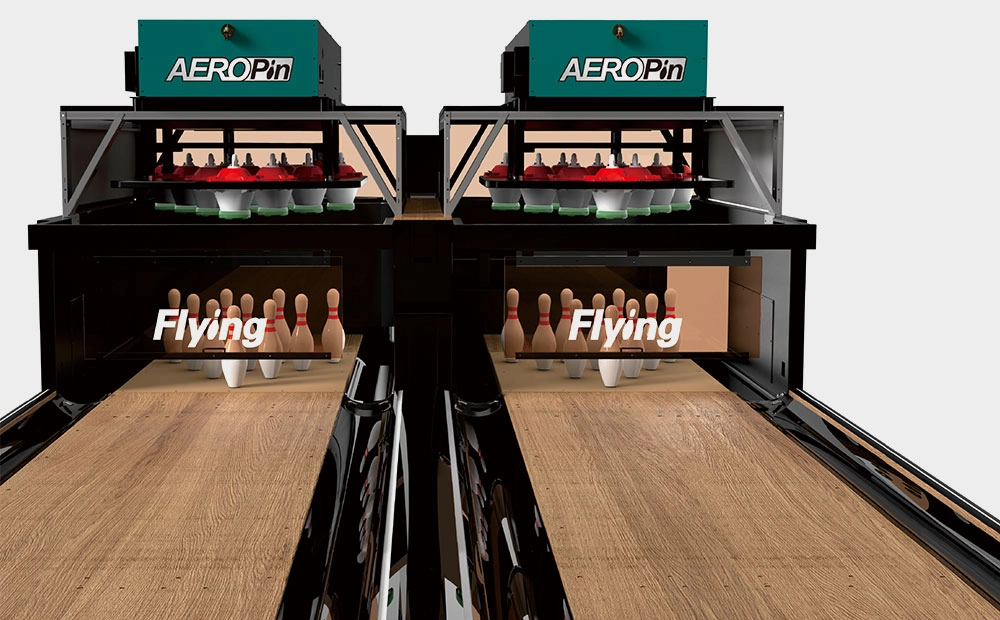
For operators specifically interested in the bowling string pinsetter technology that has transformed the economics of small and mid-size bowling centers, Flying Bowling's string pinsetter systems offer dramatically lower maintenance costs and noise levels compared to traditional free-fall pinsetters. This technology is a game-changer for venues in mixed-use developments, hotels, and entertainment centers where noise management and operational simplicity are priorities. If you are evaluating bowling alley equipment for a new project or a renovation, I strongly encourage you to explore Flying Bowling's full product range and speak directly with their technical team about your specific dimensional and operational requirements.
Frequently Asked Questions
What are the standard bowling lane dimensions for a regulation ten-pin lane?
A regulation ten-pin bowling lane measures 60 feet (18.29 meters) from the foul line to the head pin, with a lane width of 41.5 inches (1.054 meters) between the gutters. Including the approach area (15–16 feet) and pin deck clearance (2–3 feet), the total lane run reaches approximately 78 to 86 feet. These specifications are defined by the United States Bowling Congress (USBC).
How much total space do I need to build a commercial bowling center?
According to Bowling Proprietors' Association of America (BPAA) planning guidelines, a well-designed 16-lane commercial bowling center typically requires a total building footprint of 18,000 to 24,000 square feet, depending on the amenity mix. This includes the lane area, lobby, shoe rental, food and beverage, restrooms, mechanical rooms, storage, and office space. Lane dimensions alone do not capture the full spatial requirement.
What is the minimum ceiling height required for a commercial bowling installation?
For a standard ten-pin installation using a string pinsetter system, the minimum ceiling clearance above the pin deck floor level is 9 feet (2.74 meters), with 10 to 11 feet preferred for comfortable maintenance access. Traditional free-fall pinsetters may require up to 14 feet of clearance. Mini bowling installations can work with ceiling heights as low as 8 to 9 feet, making them suitable for venues with lower ceiling profiles.
How do duckpin bowling lane dimensions differ from standard ten-pin lanes?
Duckpin bowling lanes share the same 60-foot playing length as standard ten-pin lanes, but are slightly narrower at approximately 41 inches wide. The total lane run is somewhat shorter — around 80 feet — due to differences in pin deck and pinsetter configuration. Duckpin installations also require less ceiling height (9–10 feet minimum) and have a more compact equipment footprint, making them attractive for venues with tighter floor plans or lower ceilings.
What are the lane dimensions for mini bowling, and what venues are best suited for it?
Mini bowling lanes typically range from 40 to 55 feet in total length, with lane widths of approximately 30 to 36 inches. The total lane run including approach and pin deck is roughly 55 to 65 feet. These compact dimensions make mini bowling ideal for hotels, family entertainment centers, cruise ships, and any venue where maximizing revenue per square foot is a priority. Four to six mini lanes can often fit in the same footprint as two standard lanes.
What is a bowling string pinsetter and why is it preferred for new commercial builds?
A bowling string pinsetter uses a string mechanism to lift and reset pins, rather than the traditional free-fall mechanical system. String pinsetters offer significantly lower maintenance costs, reduced noise levels, and simpler operation compared to free-fall pinsetters. These advantages make them particularly well-suited for venues in mixed-use developments, hotels, and entertainment centers where noise management and operational simplicity are important. They also work effectively in buildings with lower ceiling heights.
How do I choose the right bowling equipment supplier for a commercial project?
When selecting a bowling equipment supplier for a commercial project, prioritize USBC certification, proven installation track record, availability of local after-sales support, and the breadth of product offerings across different lane formats. It is also important to evaluate the supplier's ability to provide one-stop services including venue design, equipment supply, installation, and ongoing maintenance support. Price competitiveness relative to equipment quality is another key factor, especially for multi-lane projects where equipment costs represent a significant share of total capital investment.
Recommended products
Flying Smart Duckpin Bowling Equipment and Lane System for Commercial Venues
USBC-Certified AEROPIN String Pinsetter System
Mini Bowling Equipment for Kids and Family Entertainment Venues
Medium Bowling Equipment for Social Entertainment Venues
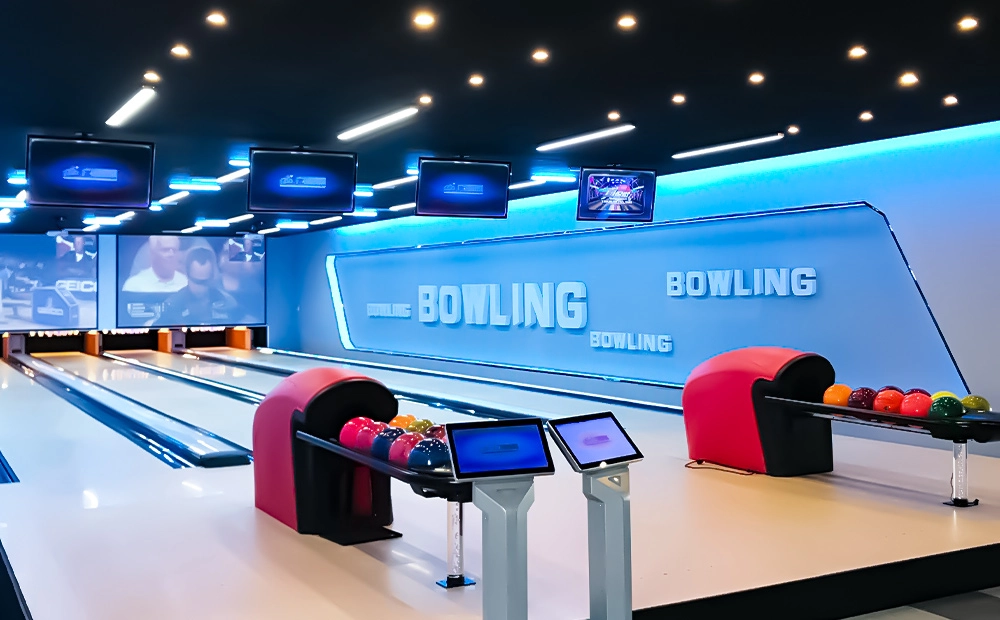
Complete String Pinsetter Bowling Alley Equipment System
You may also like
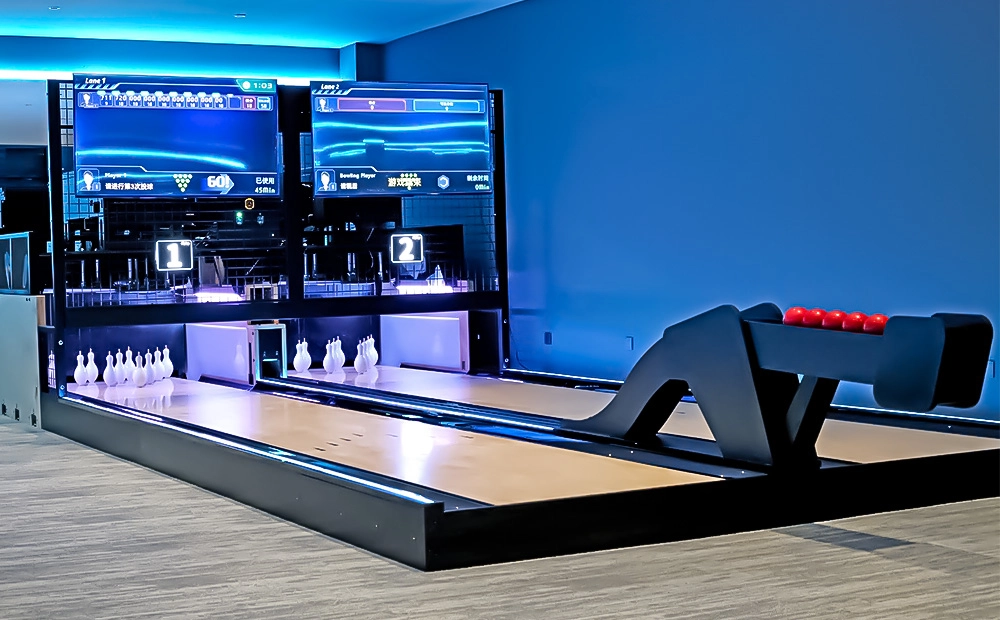
Flying Smart Duckpin Bowling (FSDB) innovative design, standard 9.2-meter short lane, can be shortened in length, compact layout suitable for small spaces. The game rules are simple but challenging, attracting players of different ages to actively participate.
Suitable for social entertainment venues such as bars, billiard halls, and game centers, it not only enhances interactivity but also increases the popularity and consumption frequency of the venue. The fun and competitive nature of FSDB will make it a new focus of social activities.
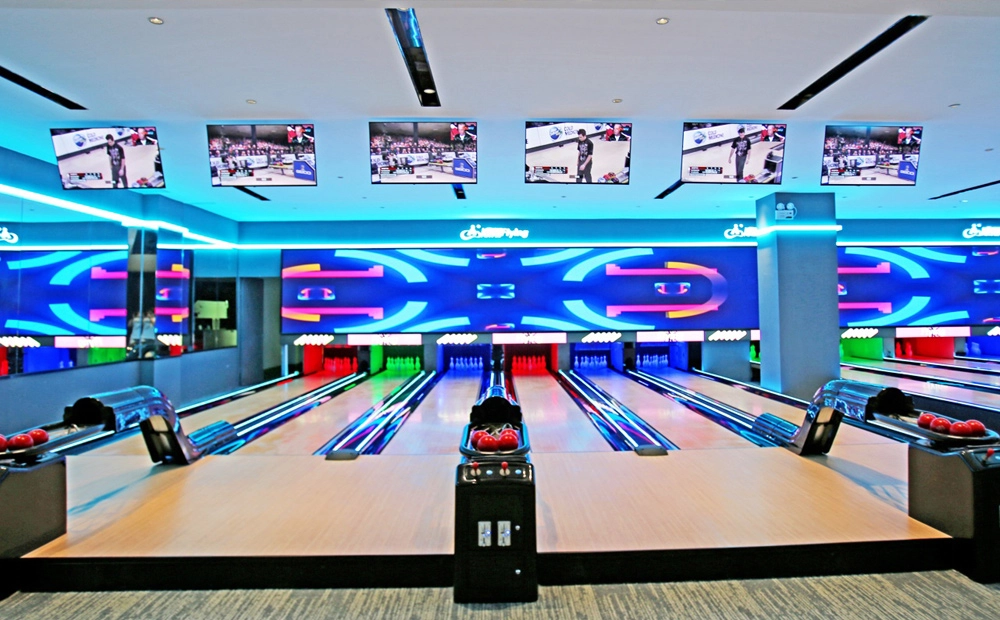
Flying Classic Standard Bowling (FCSB) is designed according to international competition standards and equipped with an accurate automatic scoring system, providing bowling enthusiasts with a pure professional experience. Whether it is for competitions or leisure entertainment, FCSB can meet high-level needs.
Suitable for family entertainment centers, luxury resorts, private villas, or clubs, it is an ideal choice for customers who pursue high-end quality and professional experience. Its classic design and excellent performance will add lasting appeal to the venue.
Flying Cute Mini Bowling (FCMB) is a mini bowling experience designed for children and families. The lane length is fixed at 12 meters, equipped with lightweight balls without finger holes (only 1.25kg) and small pins, specially designed for children and family fun.
It can not only help children feel the fun of bowling, but also stimulate their interest and competitive consciousness. Suitable for children's playgrounds, theme parks and parent-child centers, it is the best choice for places focusing on the children's market.
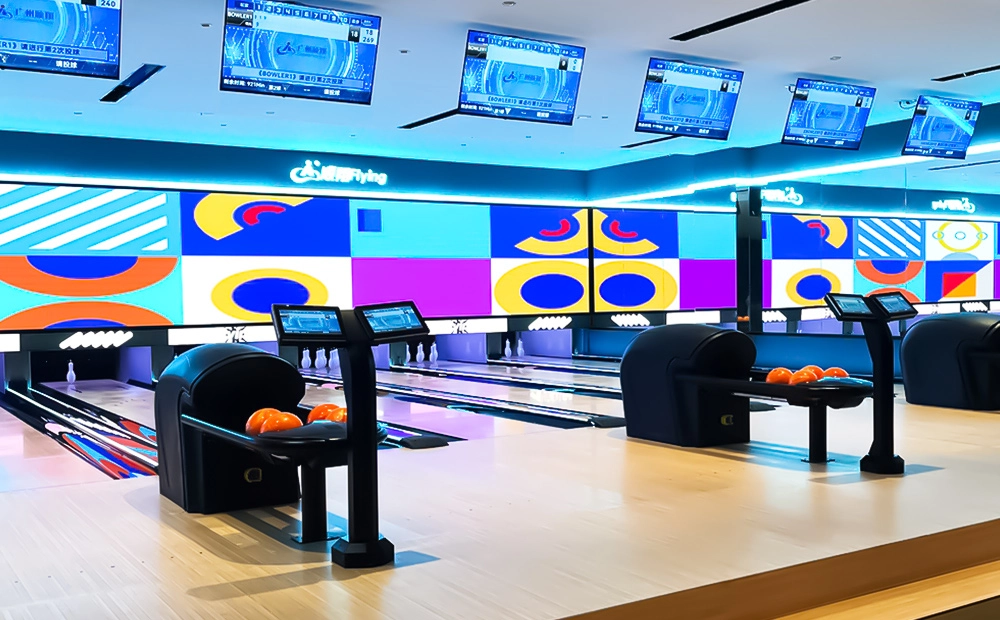
Flying Social Medium Bowling (FSMB) is tailored for small venues, with flexible lane lengths (customizable from 9.6 meters to 18 meters), a small ball design suitable for players of all ages, and light pins that are easier to knock down, increasing participation and fun.
Whether it is a gathering of friends or a casual social, FSMB can easily create a relaxed and pleasant atmosphere. Its efficient space-utilization design is particularly suitable for cafes, bars and community entertainment venues, allowing people to fall in love with bowling in a relaxed interaction.
Contact Flying
Start your bowling alley project
If you contact us now for more details, we can provide you with a custom bowling alley service. Our service team will get back to you within 24 hours normally!
© 2026 Flying BOWLING. Designed by gooeyun.
FOLLOW US:
Flying Bowling
Flying Bowling
Flyingbowling
Flyingbowling