


How Long Is a Standard Bowling Alley? Complete Bowling Lane Dimensions Guide
A standard bowling lane is 18.29 meters / 60 feet long and 1.066 meters / 42 inches wide, but a complete bowling alley requires more space when you include the approach area, pinsetter room, seating, and service clearance.
In this guide, we break down the complete bowling alley dimensions in meters and feet, including lane length, lane width, approach area, gutters, pin deck, 2-lane space requirements, and compact alternatives such as duckpin and mini bowling for smaller commercial venues.
- Standard Bowling Alley Dimensions: Quick Reference
- Full Breakdown: Every Dimension in One Table
- How Long Is a Bowling Lane?
- How Wide Is a Bowling Lane?
- Width Breakdown
- How Wide Is a Bowling Alley (Full Facility)?
- Bowling Alley Dimensions Diagram
- Bowling Alley Dimensions in Meters and Feet
- 2-Lane Bowling Alley Dimensions
- Tenpin vs Duckpin vs Mini Bowling: Lane Dimensions Compared
- Bowling Alley Space Requirements for Commercial Venues
- Home & Residential Bowling Alley Dimensions
- Pin Deck and Pin Specifications
- FAQ: Bowling Alley Dimensions
Quick Answer
A standard bowling lane is 18.29 meters (60 feet) long and 1.066 meters (42 inches) wide — these are the USBC-certified dimensions used at every certified tenpin venue worldwide. Total space requirements depend on what you are measuring:
| Scenario | Length |
|---|---|
| Lane only (foul line to head pin) | 18.29 m / 60 ft |
| Lane + approach area | ~22.86–23.78 m / 75–78 ft |
| Commercial install incl. pinsetter room | usually 26–28 m / 85–92 ft |
| Full venue incl. seating & F&B | depends on venue layout |
Whether you are planning a bowling venue, checking specifications for a construction project, or simply curious about the sport, this guide covers the complete, verified dimensions for every part of a bowling alley — lane length, width, approach area, pin deck, gutters, and equipment clearance — plus comparisons across tenpin, duckpin, and mini bowling formats.
Standard Bowling Alley Dimensions: Quick Reference
All tenpin bowling lane dimensions below conform to USBC (United States Bowling Congress) equipment specification standards — the authoritative governing body for bowling equipment worldwide.
Lane Length (foul line to head pin)
18.29 m
60 feet exactly (USBC standard)
Lane Width (playing surface)
1.066 m
42 inches / 3 ft 6 in
Approach Length (minimum)
4.57 m
15 feet minimum behind foul line
Total Alley Length (approach + lane)
~23.78 m
~78 feet (approach + lane)
Gutter Width (each side)
~9.5 cm
Per side; total width with gutters ~1.22 m
Pin Deck Length
~91.4 cm
3 feet from head pin to back pin
Full Breakdown: Every Dimension in One Table
| Zone | Dimension | In Meters | In Feet / Inches | Notes |
|---|---|---|---|---|
| Lane length | Foul line to head pin spot | 18.29 m | 60 ft | USBC standard, all certified venues |
| Lane width (playing) | Inside gutter-to-gutter | 1.066 m | 42 in / 3 ft 6 in | 39–42 boards wide |
| Total lane width (incl. gutters) | Board + both gutters | ~1.22 m | ~4 ft | Gutters ~9.5 cm each side |
| Approach area | Behind foul line | min. 4.57 m | min. 15 ft | USBC minimum; most venues have 4.5–5 m |
| Pin deck | Head pin to back pin (center) | ~91.4 cm | ~3 ft | From head pin to back row |
| Pin spacing | Center-to-center between pins | 30.5 cm | 12 in | Equilateral triangle, 12" on each side |
| Head pin position | Distance from foul line | 18.29 m | 60 ft | Center of first pin spot |
| Foul line to lane surface | Lane elevation | ~2.7 cm max | ~1 inch max | Max allowed height above approach surface |
| Minimum ceiling clearance | Above lane / approach | 2.44 m | 8 ft | USBC structural minimum |
| Lane board count | Width in boards | 39 boards | 39 boards | Standard lanes; each board ~2.7 cm wide |
How Long Is a Bowling Lane?
A standard tenpin bowling lane is 18.29 meters (60 feet) long, measured from the foul line to the center of the head pin spot. This dimension is fixed by USBC specification and applies to every certified venue worldwide — recreational centers, professional tournament facilities, and new installations alike.
The lane surface itself begins at the foul line and ends at the pin deck. Behind the foul line, a minimum 4.57-meter (15-foot) approach area gives bowlers room to build momentum before delivery. Add the approach and you get the commonly referenced 22.86–23.78 m (75–78 ft) figure.
| What you are measuring | Length |
|---|---|
| Lane playing surface (foul line to head pin) | 18.29 m / 60 ft |
| Approach area (minimum, behind foul line) | 4.57 m / 15 ft |
| Lane + approach combined | ~22.86–23.78 m / ~75–78 ft |
| Full commercial installation (incl. pinsetter room) | ~26–28 m / ~85–92 ft |
Are all bowling lanes the same length? For USBC-sanctioned tenpin competition, yes — all lanes are 18.29 m / 60 ft. Duckpin and mini bowling formats use shorter lanes by design (9.13–12 m and 10–12 m respectively).
How Wide Is a Bowling Lane?
A standard tenpin bowling lane is 1.066 meters (42 inches / 3 feet 6 inches) wide — measuring the playing surface only, between the inside edges of the gutters. Including both gutters, the total width of a single lane is approximately 1.22 meters (4 feet).
Width Breakdown
| Component | Width (meters) | Width (inches) |
|---|---|---|
| Playing surface (inside gutters) | 1.066 m | 42 inches |
| Left gutter | ~0.095 m | ~3.75 inches |
| Right gutter | ~0.095 m | ~3.75 inches |
| Total single lane width | ~1.22 m | ~48 inches / 4 ft |
The playing surface is divided into 39 boards, each approximately 2.7 cm (1.06 inches) wide. These boards are the reference system bowlers use for targeting — the center board is board 20, and professional bowlers commonly reference board numbers when describing their line.
How Wide Is a Bowling Alley (Full Facility)?
The total width of a bowling alley depends on the number of lanes plus infrastructure. For a typical commercial venue:
- › Each lane (incl. gutters): ~1.22 m
- › Back-of-house machine room behind pin deck: ~2.0–2.5 m
- › Front approach / seating area: 4.5–6.0 m
- › Side clearance between outermost lanes and wall: 1.0–1.5 m
A 6-lane commercial venue typically requires a minimum clear span of approximately 9–10 meters in width, with additional space for seating and F&B.
Bowling Alley Dimensions Diagram
The layout of a standard tenpin bowling lane from above, showing key zones and measurements:

The arrows section (targeting dots on the lane surface approximately 4.57 meters from the foul line) is one of the key reference tools bowlers use for aiming. The 7 arrow set is positioned at 1-5-3-1-3-5-1 board spacing from center.
Bowling Alley Dimensions in Meters and Feet
For international projects and venue planning, both metric and imperial measurements are commonly required. The table below gives all key dimensions in both units:
| Dimension | Meters | Feet / Inches | Centimeters |
|---|---|---|---|
| Lane length (foul line to head pin) | 18.29 m | 60 ft 0 in | 1,829 cm |
| Lane playing surface width | 1.066 m | 3 ft 6 in (42 in) | 106.6 cm |
| Single lane total width (incl. gutters) | ~1.22 m | ~4 ft 0 in | ~122 cm |
| Approach area length (minimum) | 4.57 m | 15 ft 0 in | 457 cm |
| Total alley depth (approach + lane) | ~22.86 m | ~75 ft | ~2,286 cm |
| Pin deck length | ~0.91 m | ~3 ft | ~91 cm |
| Pin-to-pin spacing (center to center) | 0.305 m | 12 in | 30.5 cm |
| Gutter width (each side) | ~0.095 m | ~3.75 in | ~9.5 cm |
| Minimum ceiling height | 2.44 m | 8 ft | 244 cm |
| Pinsetter machine room depth | ~2.0–2.5 m | ~6.5–8 ft | 200–250 cm |
2-Lane Bowling Alley Dimensions
A 2-lane standard tenpin bowling alley is one of the most common configurations for hotels, resorts, FECs, and smaller commercial venues. The space requirements are:
| Space Requirement | Minimum | Recommended (commercial) |
|---|---|---|
| Length (lane + approach + back room) | ~26 m (85 ft) | ~28 m (92 ft) |
| Width (2 lanes + side clearance) | ~3.5 m (11.5 ft) | ~4.5 m (15 ft) |
| Ceiling height (minimum) | 2.44 m (8 ft) | 3.0 m (10 ft) |
| Total floor area (lane + approach + seating) | ~90 m² | ~120–150 m² |
Note that the 26–28 m length includes the pinsetter machine room (~2–2.5 m) behind the pin deck. This infrastructure space is often overlooked in initial planning — confirm your available depth before committing to a 2-lane standard installation.
Tenpin vs Duckpin vs Mini Bowling: Lane Dimensions Compared
Standard tenpin is not the only commercial bowling format. If your available space is limited, duckpin and mini bowling offer significantly smaller footprints while delivering a comparable guest experience.
| Dimension | Standard Tenpin | Duckpin (FSDB) | Mini Bowling (FCMB) |
|---|---|---|---|
| Lane length | 18.29 m (60 ft) | 9.13–12 m (customizable) | 10–12 m |
| Lane width | 1.066 m (42 in) | ~0.55 m | ~0.45–0.55 m |
| Approach length | 4.57 m (15 ft) | ~2.5 m | ~2.0 m |
| Total depth (incl. machine room) | ~26–28 m | ~12–15 m | ~13–15 m |
| Minimum room height | 2.44 m | 2.25 m | 2.25 m |
| Ball weight | 3.6–7.3 kg | 1.25 kg | 1.25 kg |
| Pin reset time | 10–15 sec | < 8 sec | < 8 sec |
| Space vs. standard tenpin | 100% (baseline) | ~35% | ~40% |
| Flying Bowling system | FCSB / AEROPin | FSDB | FCMB |
The duckpin format occupies approximately one-third of the floor space of a standard tenpin lane — making it practical for bars, FECs, hotel recreation rooms, and urban entertainment venues where a 26+ meter depth is not available. See our Flying FSDB Duckpin Bowling system for full specifications.
Bowling Alley Space Requirements for Commercial Venues
For operators planning new bowling venues, the following space requirements go beyond the lane dimensions themselves:
| Zone | Standard Tenpin (per lane) | Notes |
|---|---|---|
| Lane + gutters | ~1.22 m width × 18.29 m length | Playing surface |
| Approach area | 1.22 m width × 4.57 m depth | Per lane, behind foul line |
| Pinsetter machine room | ~1.5–2.5 m depth | Behind pin deck; access required |
| Seating / spectator zone | ~1.5–3.0 m additional depth | Behind approach; benches, ball return |
| Side service clearance | ~0.9–1.2 m each end | Between outer lanes and walls |
| Ball return track (below lane) | Integrated in lane width | No additional space needed above deck |
| Venue Format | Lanes | Minimum Floor Area | Recommended Floor Area |
|---|---|---|---|
| Compact / Bar | 2–4 standard | ~200–400 m² | ~300–500 m² |
| Mid-size FEC | 6–8 standard | ~500–700 m² | ~700–1,000 m² |
| Commercial center | 10–16 standard | ~800–1,400 m² | ~1,200–2,000 m² |
| Duckpin / Mini (2-lane) | 2 compact | ~80–120 m² | ~120–200 m² |
For a free layout consultation and lane count recommendation based on your available floor plan, start a venue planning conversation with Flying Bowling.
Home & Residential Bowling Alley Dimensions
Private and residential bowling installations have grown significantly as entertainment spaces evolve. A full standard tenpin lane at home requires:
- › Minimum room length: 26–28 meters (85–92 ft) — rare in residential properties
- › Minimum room width: 3.5 meters per lane
- › Minimum ceiling height: 2.44 meters (8 ft)
For most residential properties, a standard tenpin lane is physically impractical. The realistic home bowling options are:
| Format | Minimum Room Length | Minimum Width (2 lanes) | Ceiling Min. | Practical for homes? |
|---|---|---|---|---|
| Standard Tenpin | ~26–28 m | ~3.5 m | 2.44 m | Rarely — large estates only |
| Duckpin (FSDB, 9.13 m) | ~12–14 m | ~3.5 m (2-lane) | 2.25 m | Yes — large basements/garages |
| Mini Bowling (FCMB) | ~13–15 m | ~3.5 m (2-lane) | 2.25 m | Yes — most large basements |
Flying Bowling has completed residential installations in the US, UK, UAE, Australia, and Singapore using duckpin and mini formats. For site assessment on a home installation, contact Flying Bowling directly with your room dimensions.
Pin Deck and Pin Specifications
The pin deck occupies approximately the last 91.4 cm (3 feet) of the lane. Ten pins are arranged in a triangular formation:
| Specification | Standard Tenpin |
|---|---|
| Pin count | 10 |
| Pin arrangement | Equilateral triangle, 4 rows |
| Pin-to-pin spacing (center to center) | 30.5 cm (12 inches) |
| Head pin distance from foul line | 18.29 m (60 feet) |
| Pin height | 38.1 cm (15 inches) |
| Pin weight (range) | 1.417–1.644 kg (50–58 oz) |
| Pin diameter (base) | 12.06 cm (4.75 in) at widest |
Planning a Bowling Venue?
Flying Bowling manufactures USBC-certified lane systems for standard tenpin, duckpin, and mini bowling — with global delivery and installation support across 50+ countries. Submit your floor plan for a free layout recommendation.
Start a Layout Consultation View All ProductsFAQ: Bowling Alley Dimensions
How long is a standard bowling alley?
18.29 meters (60 feet) — lane only. A full commercial installation including the approach area and pinsetter machine room requires approximately 26–28 meters (85–92 feet) of total depth.
How wide is a bowling lane?
1.066 meters (42 inches) playing surface width. Including gutters on both sides, total single-lane width is approximately 1.22 meters (4 feet).
What are the dimensions of a bowling alley in meters?
Lane: 18.29 m long × 1.066 m wide. With gutters: ~1.22 m wide. Including minimum approach area: ~22.86–23.78 m total depth. Full commercial installation: ~26–28 m.
How long is a bowling alley in feet?
60 feet from the foul line to the head pin. Including the approach area, total depth is approximately 75–78 feet. A full commercial venue including the pinsetter room requires 85–92 feet.
What are the dimensions of a 2-lane bowling alley?
A 2-lane standard tenpin installation requires a minimum floor area of approximately 90 m², with a room length of at least 26 meters and a width of 3.5 meters. Recommended commercial spec is 120–150 m² to include seating and ball return areas.
Are all bowling lanes the same length?
For USBC-sanctioned tenpin competition, yes — all lanes are 18.29 m / 60 ft. Duckpin bowling lanes are 9.13–12 m. Mini bowling lanes are 10–12 m. Five-pin and candlepin bowling also use 18.29 m lanes.
What are duckpin bowling lane dimensions?
Flying Bowling’s FSDB duckpin system uses a standard lane length of 9.13 meters, with a total 2-lane set measuring 9.13 m × 3.48 m—approximately one-third the footprint of a standard tenpin lane.
How much space do you need for a commercial bowling alley?
A commercial bowling alley usually requires more than the lane itself. A standard tenpin installation needs about 26–28 meters of depth including the approach and pinsetter room, plus additional space for seating, circulation, reception, and food or beverage areas.
Recommended products
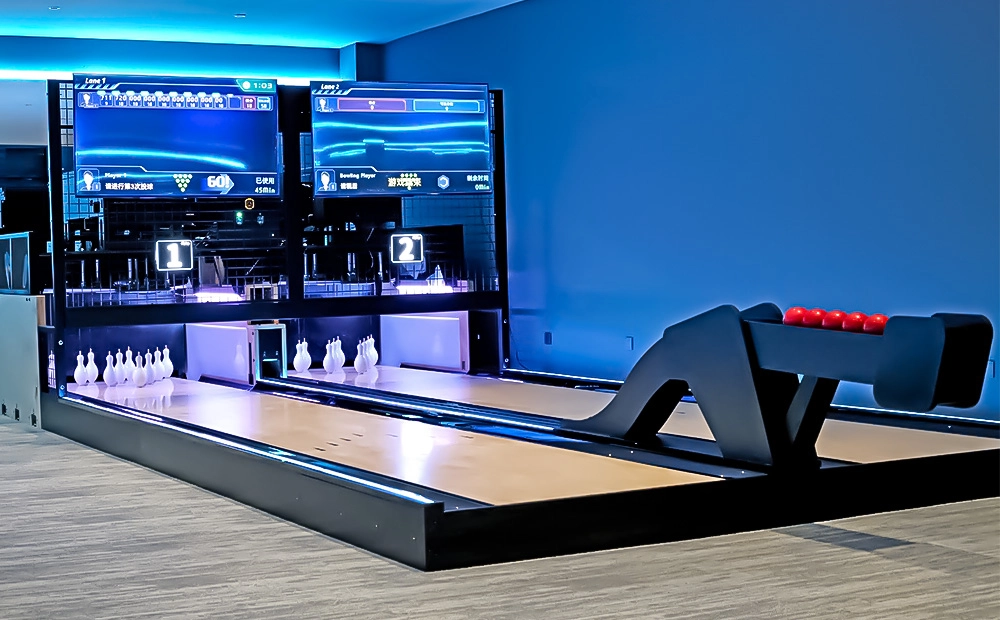
Flying Smart Duckpin Bowling Equipment and Lane System for Commercial Venues
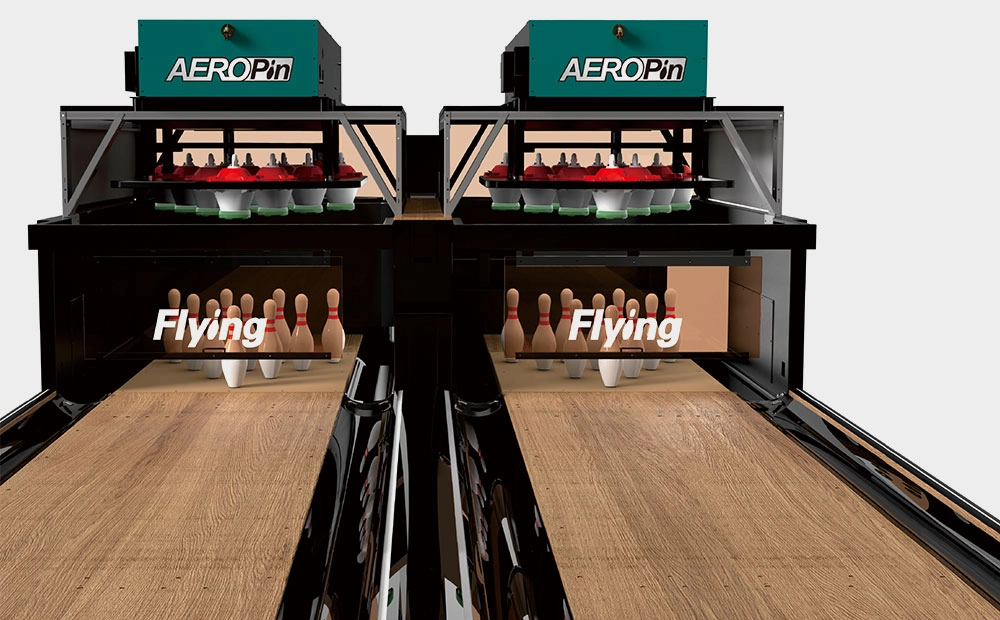
USBC-Certified AEROPIN String Pinsetter System
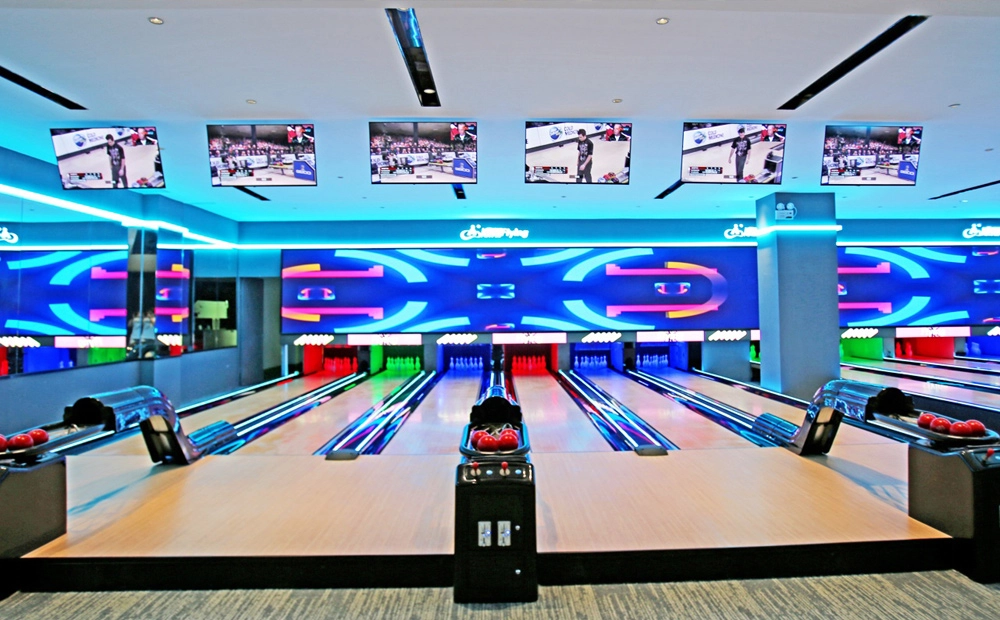
Mini Bowling Equipment for Kids and Family Entertainment Venues
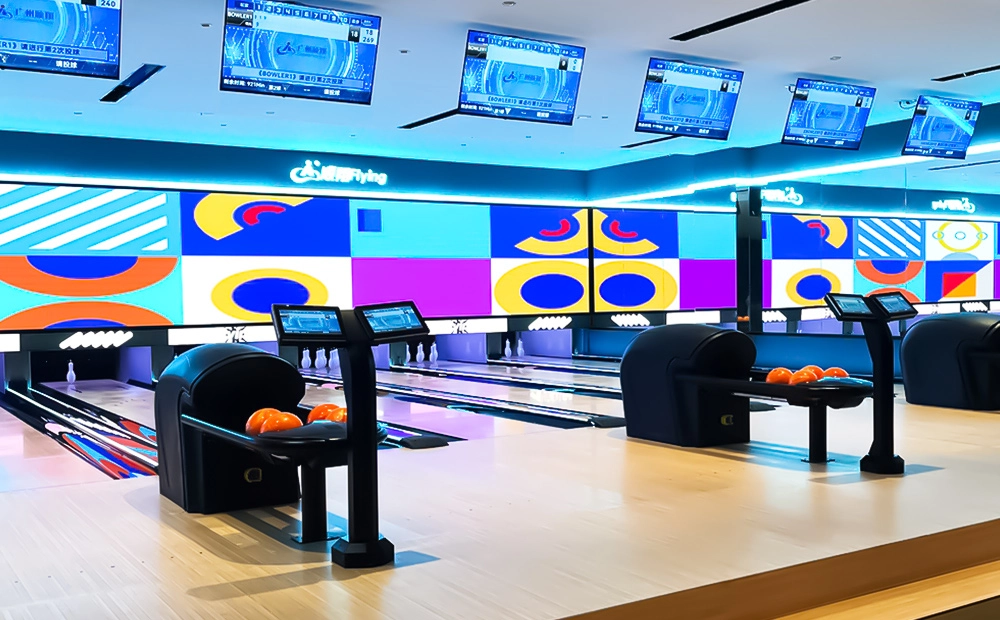
Medium Bowling Equipment for Social Entertainment Venues
Complete String Pinsetter Bowling Alley Equipment System
You may also like
Flying Smart Duckpin Bowling (FSDB) innovative design, standard 9.2-meter short lane, can be shortened in length, compact layout suitable for small spaces. The game rules are simple but challenging, attracting players of different ages to actively participate.
Suitable for social entertainment venues such as bars, billiard halls, and game centers, it not only enhances interactivity but also increases the popularity and consumption frequency of the venue. The fun and competitive nature of FSDB will make it a new focus of social activities.
Flying Classic Standard Bowling (FCSB) is designed according to international competition standards and equipped with an accurate automatic scoring system, providing bowling enthusiasts with a pure professional experience. Whether it is for competitions or leisure entertainment, FCSB can meet high-level needs.
Suitable for family entertainment centers, luxury resorts, private villas, or clubs, it is an ideal choice for customers who pursue high-end quality and professional experience. Its classic design and excellent performance will add lasting appeal to the venue.
Flying Cute Mini Bowling (FCMB) is a mini bowling experience designed for children and families. The lane length is fixed at 12 meters, equipped with lightweight balls without finger holes (only 1.25kg) and small pins, specially designed for children and family fun.
It can not only help children feel the fun of bowling, but also stimulate their interest and competitive consciousness. Suitable for children's playgrounds, theme parks and parent-child centers, it is the best choice for places focusing on the children's market.
Flying Social Medium Bowling (FSMB) is tailored for small venues, with flexible lane lengths (customizable from 9.6 meters to 18 meters), a small ball design suitable for players of all ages, and light pins that are easier to knock down, increasing participation and fun.
Whether it is a gathering of friends or a casual social, FSMB can easily create a relaxed and pleasant atmosphere. Its efficient space-utilization design is particularly suitable for cafes, bars and community entertainment venues, allowing people to fall in love with bowling in a relaxed interaction.
Contact Flying
Start your bowling alley project
If you contact us now for more details, we can provide you with a custom bowling alley service. Our service team will get back to you within 24 hours normally!
© 2026 Flying BOWLING. Designed by gooeyun.
FOLLOW US:
Flying Bowling
Flying Bowling
Flyingbowling
Flyingbowling