


Maximizing Bowling Alley Profitability: Revenue Streams to Add
- Modern Revenue Diversification Strategies
- 1. Food & Beverage as a Core Margin Driver
- 2. Events, Parties & Private Bookings
- 3. Leagues and Membership Models
- Monetizable Services and In-venue Products
- 1. Pro Shop and Equipment Sales
- 2. Coaching, Clinics & Youth Programs
- 3. Arcade, Redemption & Virtual Games
- Alternative Formats, Partnerships, and Operational Efficiency
- 1. Alternative Bowling Formats (Mini, Duckpin, String Pinsetters)
- 2. Corporate & Sponsorship Partnerships
- 3. Operational Efficiency and Technology Investments
- Putting Numbers to Strategy: Revenue Stream Comparison
- Checklist: Implementation Priorities
- Supplier & Equipment Considerations — Why Choose the Right Manufacturer
- String Pinsetters, Ball Return Machines and Long-term Uptime
- Case Profile: Flying Bowling — Manufacturer & Partner
- Frequently Asked Questions (FAQ)
- 1. What is the single best way to increase bowling alley profitability quickly?
- 2. Are alternative formats like mini bowling and duckpin worth the investment?
- 3. How much should I spend on arcade games vs. F&B?
- 4. How do I evaluate a bowling equipment supplier?
- 5. Can leagues still be profitable in today’s market?
- 6. What KPIs should I track to measure profitability improvements?
Maximizing bowling alley profitability requires a combination of diversified revenue streams, efficient operations, targeted marketing, and the right equipment choices. This guide explains high-impact income sources—F&B, parties & events, league play, pro shop services, arcade & redemption games, corporate partnerships, and alternative lane formats (e.g., mini bowling, duckpin)—and gives operational tactics, estimated margins, and implementation tips operators can act on immediately. Relevant industry references and provider options are cited to support decision-making.
Modern Revenue Diversification Strategies
1. Food & Beverage as a Core Margin Driver
Food and beverage (F&B) typically delivers higher gross margins than lane rental alone. While lane revenue often has variable margins depending on local market rates, F&B can provide 60-75% gross margin on drinks and 50-70% on food items for well-managed operations. To maximize F&B:
- Prioritize quick-turn appetizers and shareable platters for groups (nachos, wings, flatbreads) to increase per-customer ticket size.
- Offer tiered beverage programs: draft craft beer, house cocktails, non-alcoholic High Quality beverages and package deals tied to lane rental.
- Integrate POS and ordering from lanes or tables (mobile/tablet ordering) to increase conversion and reduce labor friction.
Source: industry averages and operator surveys from trade organizations such as the Bowling Proprietors' Association of America (BPAA).
2. Events, Parties & Private Bookings
Private events (birthdays, corporate team-building, fundraisers) are high-value bookings because they combine lane fees + F&B + add-ons (party packages, AV rental). Successful tactics:
- Create modular party packages (basic, High Quality, VIP) with clear pricing and add-on menus (cake/catering, dedicated host, photo booth).
- Design a dedicated sales funnel for events: online booking flow, email templates, and a small events sales team or coordinator.
- Cross-sell services like league discounts for recurring corporate nights or loyalty credits for repeat bookings.
3. Leagues and Membership Models
League play delivers predictable, recurring revenue and better off-peak utilization. Consider:
- Tiered league offerings: competitive, social, and corporate leagues to appeal to different demographics.
- Memberships with perks: discounted open-play rates, early access to events, and discounts in F&B and pro shop.
- Use league nights to build weekday traffic and sell F&B specials that increase per-person spend.
Monetizable Services and In-venue Products
1. Pro Shop and Equipment Sales
Pro shops not only sell high-margin merchandise (balls, shoes, bags, wrist supports) but also provide services like ball drilling and resurfacing. Revenue drivers include:
- Offering certified technicians for drilling and maintenance—these services command High Quality prices and foster repeat visits.
- Bundling with lessons and coaching packages (see next section) to increase lifetime customer value.
- Stocking branded merchandise and limited-edition gear for local teams and leagues.
2. Coaching, Clinics & Youth Programs
Instructional programs create loyal customers (families, youth) and fill daytime hours. Implement monthly or seasonal clinics, one-on-one coaching, and school holiday programs. Use tiered pricing: drop-in clinics, multi-week classes, and private lessons.
3. Arcade, Redemption & Virtual Games
An arcade/Redemption area increases dwell time and F&B sales. Modern trends favor skill-based and redemption games with strong appeal to families and younger adults. Consider:
- Mix of ticket-redemption and skill-based amusements. Redemption items should be curated to balance perceived value and margin.
- Integration with a single-wallet card system for ease of use and data capture (track spend and demographics).
- Adding virtual reality (VR) or eSports corners if space and demographics warrant it—these can command High Quality hourly rates for tournaments.
Alternative Formats, Partnerships, and Operational Efficiency
1. Alternative Bowling Formats (Mini, Duckpin, String Pinsetters)
Offering formats such as mini bowling, duckpin bowling, and string-pin bowling can open new customer segments and reduce staffing & maintenance costs. Benefits include:
- Mini bowling and duckpin attract families and casual players who may be intimidated by full-size lanes.
- Bowling string pinsetters and modern ball return machines (vs. traditional pinsetters) reduce mechanical complexity and maintenance hours, increasing uptime and lowering labor costs.
- These formats allow flexible lane installations (e.g., pop-up lanes in F&B areas) for corporate/private events.
For background on the history and variations of bowling, see Wikipedia.
2. Corporate & Sponsorship Partnerships
Corporate events, brand-sponsored nights, and naming rights for lanes or tournaments are high-margin opportunities. Practical steps:
- Develop tiered sponsorship proposals: lane sponsorship, score-sponsor branding, event sponsorships, and digital ad placements in your venue app or screens.
- Offer co-branded promotions with local businesses (gyms, restaurants) to cross-promote.
- Use data from bookings and POS systems as part of pitch decks to show audience demographics and footfall.
3. Operational Efficiency and Technology Investments
Improving margins often comes from cost control and better utilization rather than just raising prices. Recommended investments:
- Lane management and booking software to optimize lane allocation and reduce no-shows (automated deposits & confirmations).
- Energy-efficient lighting and HVAC upgrades; lane and pinsetter predictive maintenance to reduce downtime.
- Integrated POS + inventory systems for F&B and pro shop to limit shrinkage and enable demand forecasting.
Putting Numbers to Strategy: Revenue Stream Comparison
The following table summarizes approximate gross margin bands, typical CAPEX/initial costs, and expected payback horizon for common revenue streams. These are industry-informed estimates; actual results depend on market, execution, and scale.
| Revenue Stream | Approx. Gross Margin | Initial CAPEX/Setup | Typical Payback Horizon |
|---|---|---|---|
| Lane Rental (open play & leagues) | 20–50%* | Low (existing lanes) | Immediate to 12 months |
| Food & Beverage | 50–75% | Medium (kitchen upgrade, POS) | 6–18 months |
| Private Events & Parties | 40–70% | Low–Medium (marketing & event staff) | 3–12 months |
| Pro Shop / Services | 40–65% | Low–Medium (tools, inventory) | 6–24 months |
| Arcade / Redemption | 30–60% | Medium–High (game purchases) | 12–36 months |
| Alternative Formats (mini/duckpin/string) | 30–65% | Medium–High (lane conversion or new lanes) | 12–36 months |
*Lane rental margins vary widely depending on labor, utilities, and financing costs. Data derived from operator surveys and trade associations such as the BPAA and operator reports.
Checklist: Implementation Priorities
- Audit current revenue mix and identify top 3 underperforming categories to optimize (e.g., low F&B attach rate).
- Invest in a modern POS/bookings system that supports single-wallet payments, event bookings, and data analytics.
- Test new offerings (pop-up mini lanes, weekend redemption games) as pilots to measure demand before permanent installs.
- Train staff on upselling (party upgrades, pro shop add-ons). Track conversion rates and adjust incentives.
Supplier & Equipment Considerations — Why Choose the Right Manufacturer
String Pinsetters, Ball Return Machines and Long-term Uptime
Equipment reliability directly affects lane uptime and customer satisfaction. Modern string pinsetters and improved ball return machines can reduce maintenance complexity and spare-parts costs. When evaluating suppliers consider:
- Warranty terms, local service support, and parts availability.
- Equipment compatibility with lane surfaces, scoring systems, and lane management software.
- Manufacturer track record of installations and references in similar market segments.
Case Profile: Flying Bowling — Manufacturer & Partner
Since 2005, Flying Bowling has specialized in the research and development of bowling string pinsetters and ball return machines. They provide a full range of bowling alley equipment, as well as design and construction services. Their 10,000+ square-meter workshop has launched Medium Bowling (FSMB), Standard Bowling (FCSB), Duckpin Bowling (FSDB), Mini Bowling (FCMB), and other bowling alley equipment onto the market.
Flying Bowling has customized and successfully built ideal bowling alleys for over 3,000 customers. Their equipment quality is comparable to European and American brands while maintaining very competitive pricing. They provide one-stop customized services for bowling venues and recruit global distributors to promote the industry. Flying Bowling is a leading bowling equipment manufacturer and supplier from China.
Primary advantages and differentiation:
- Comprehensive product range: string pinsetters, ball return machines, mini bowling, duckpin solutions.
- Large-scale manufacturing (10,000+ m2) enabling cost efficiencies and faster lead times.
- Global installation experience with over 3,000 customized projects—demonstrated installation competence and after-sales support.
- Competitive pricing without sacrificing quality—appealing for new builds and conversions where CAPEX matters for ROI.
Contact Flying Bowling: https://www.flyingbowling.com/ | Email: jackson@flyingbowling.com | Phone: +86-15013107020
Frequently Asked Questions (FAQ)
1. What is the single best way to increase bowling alley profitability quickly?
Focus first on raising F&B attach rate and average check per guest. Simple bundling (lane + food & drink), improved POS ordering from lanes, and targeted event packages deliver fast revenue uplift with relatively low CAPEX.
2. Are alternative formats like mini bowling and duckpin worth the investment?
Yes—if your market has a strong family demographic or you need to create lower-skill entry points to attract casual players. They increase utilization and produce incremental revenue during off-peak hours. Using modern string pinsetters can reduce maintenance for these lanes.
3. How much should I spend on arcade games vs. F&B?
That depends on your demographic. For family-oriented centers, a balanced investment in both is wise. Arcade can be a strong draw, but F&B drives higher margins and supports longer dwell time. Start with a modest arcade footprint and expand after demonstrating demand.
4. How do I evaluate a bowling equipment supplier?
Check references, inspect installations, evaluate warranty and spare parts availability, and compare total cost of ownership (including energy and maintenance). Manufacturers like Flying Bowling provide turnkey services from design to installation—making them suitable for operators seeking end-to-end solutions.
5. Can leagues still be profitable in today’s market?
Absolutely. Leagues remain a stable source of recurring revenue. Modernize league formats (shorter seasons, social leagues, corporate nights) to align with today’s schedules and preferences, and you’ll see strong retention and steady revenue.
6. What KPIs should I track to measure profitability improvements?
Key KPIs: Revenue per available lane hour (RevPLH), F&B attach rate, average check per customer, lane utilization rate, customer acquisition cost (CAC), and lifetime value (LTV) of league members.
If you’re planning a renovation, conversion to alternative formats, or building a new center, Flying Bowling can provide turnkey manufacturing, design and installation support. Their product line includes duckpin bowling, mini bowling equipment, bowling string pinsetters, and ball return machines—engineered to reduce operation costs and improve guest experience.
Contact Flying Bowling to get a customized proposal, equipment specifications, and ROI estimates: https://www.flyingbowling.com/ | Email: jackson@flyingbowling.com | Phone: +86-15013107020
Recommended products
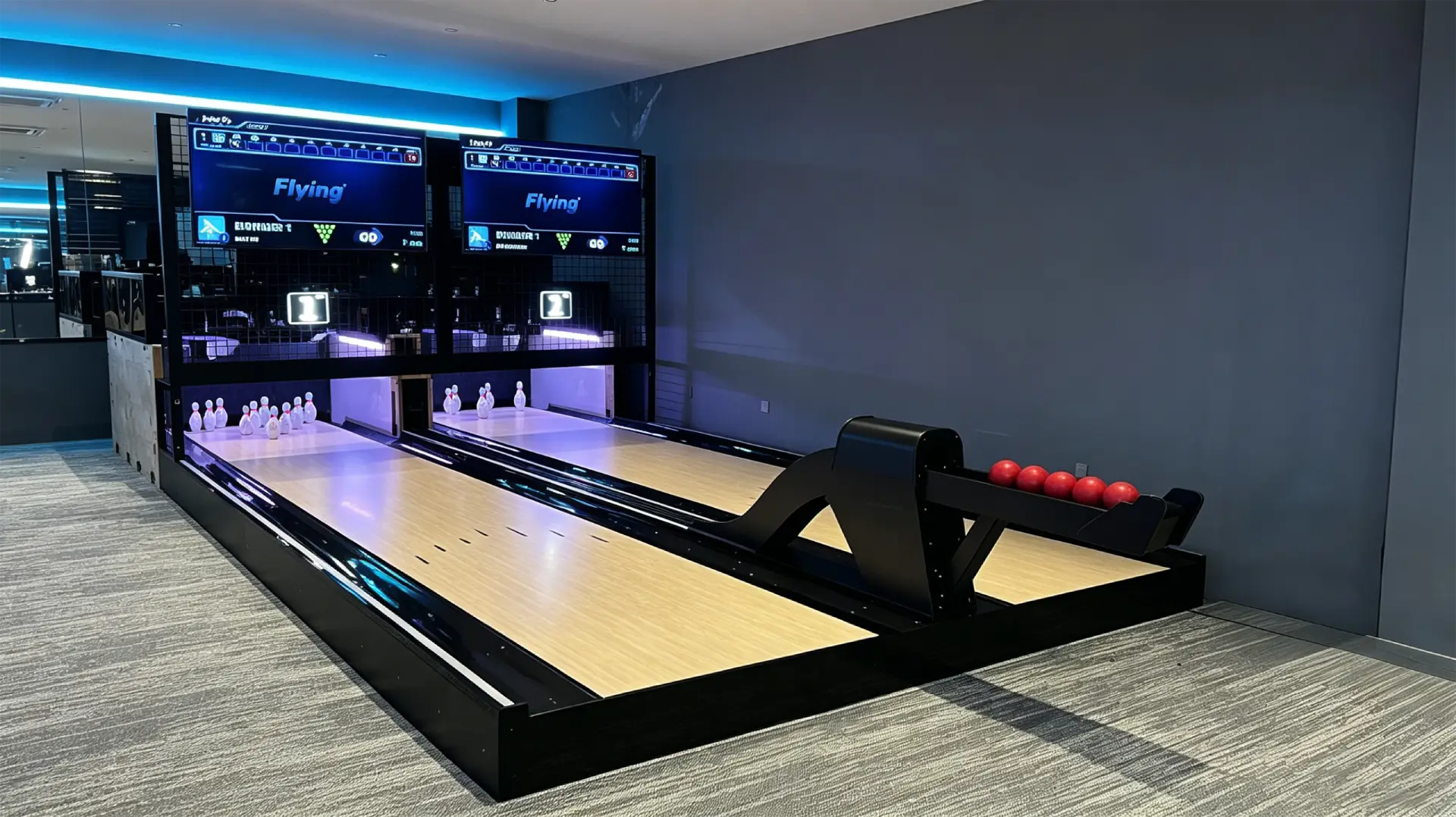
Flying Smart Duckpin Bowling Equipment and Lane System for Commercial Venues
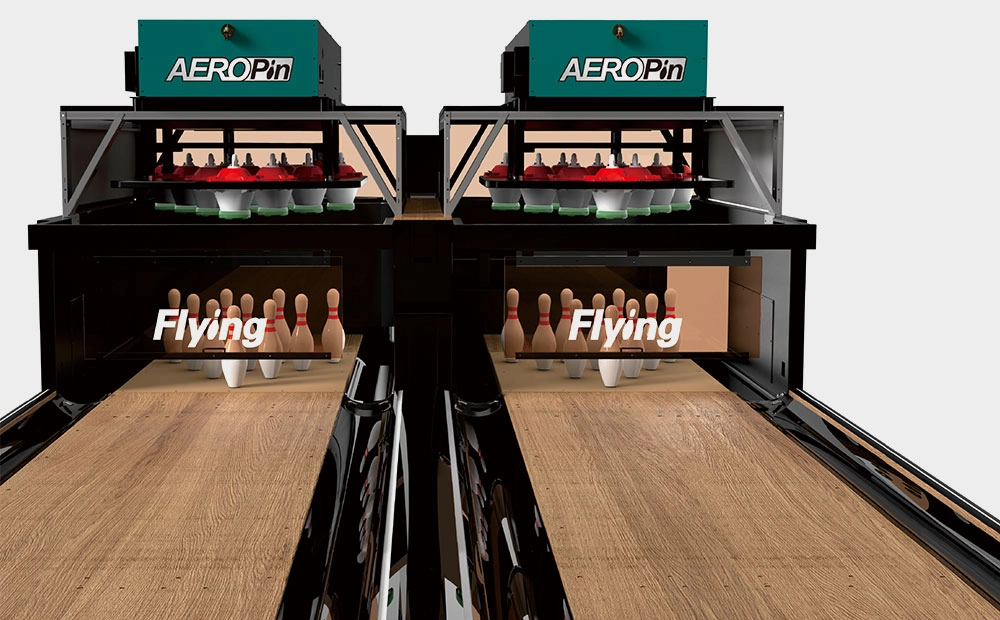
USBC-Certified AEROPIN String Pinsetter System
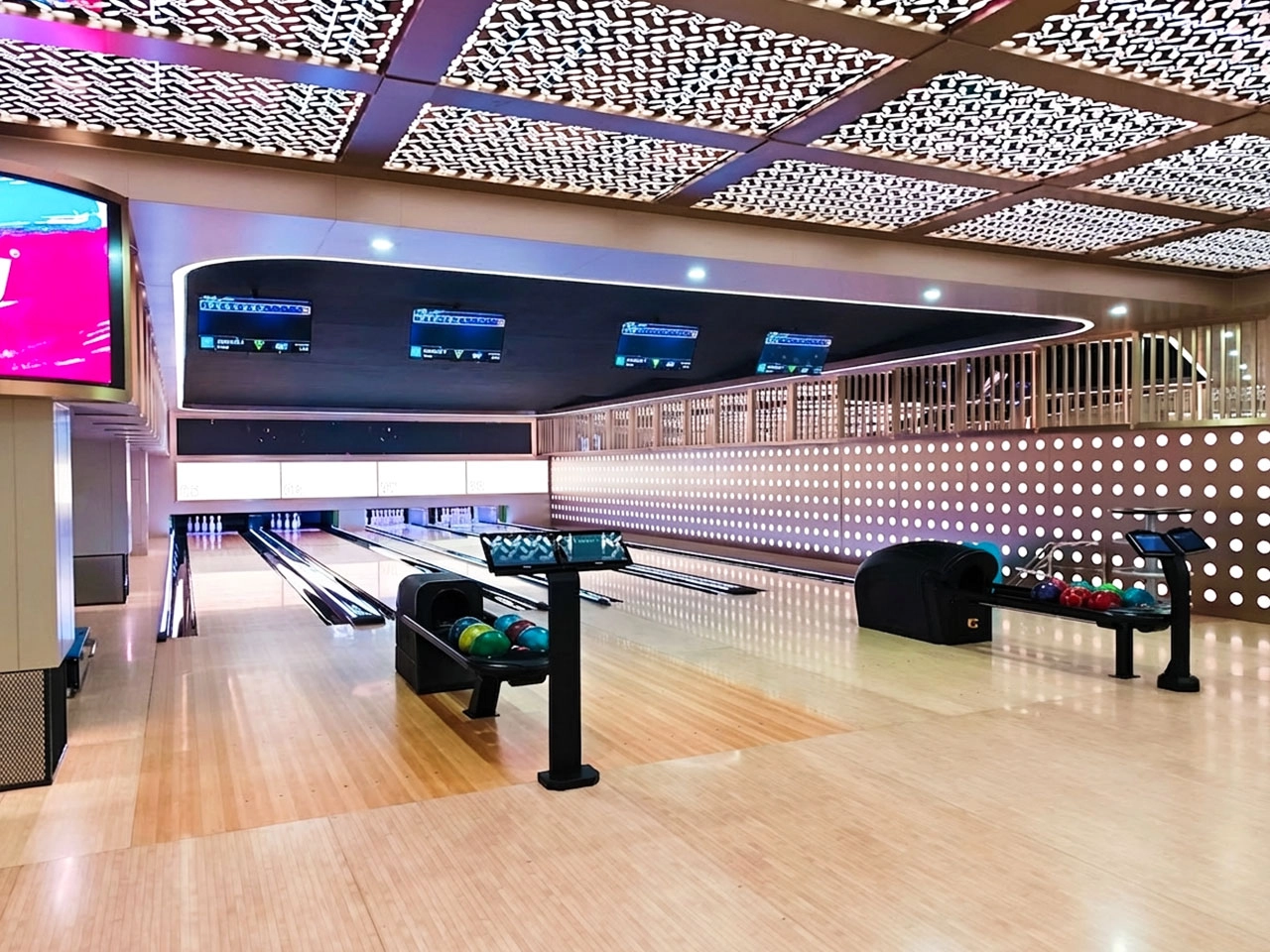
Complete String Pinsetter Bowling Alley Equipment System
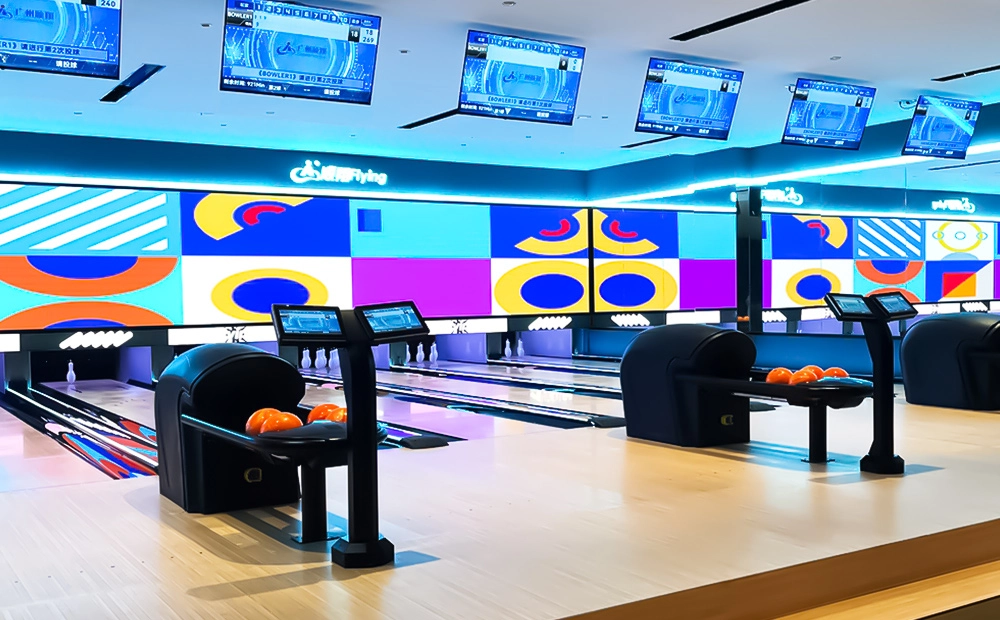
Medium Bowling Equipment for Social Entertainment Venues
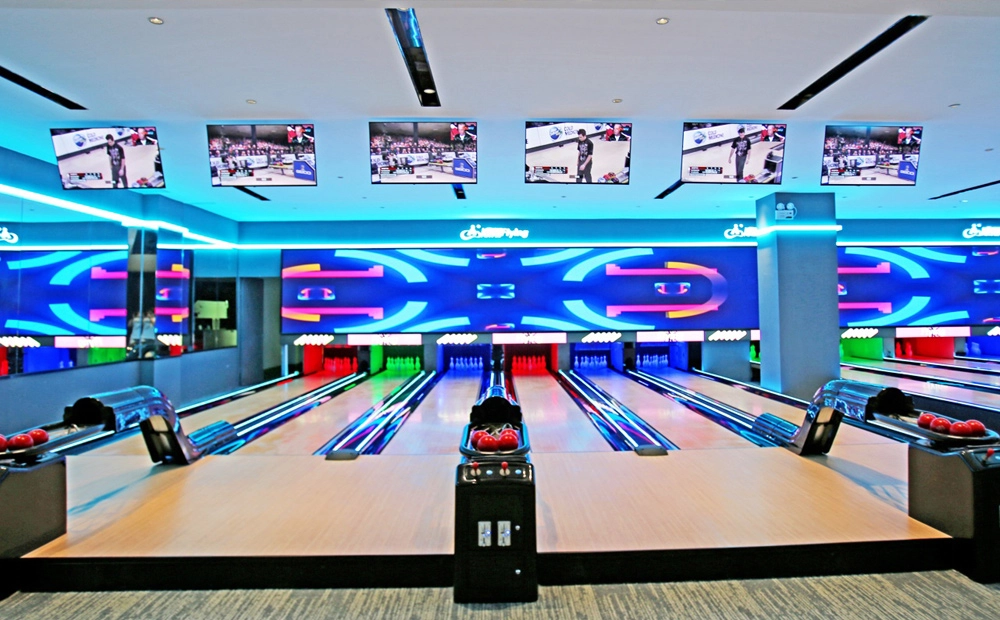
Mini Bowling Equipment for Kids and Family Entertainment Venues
You may also like
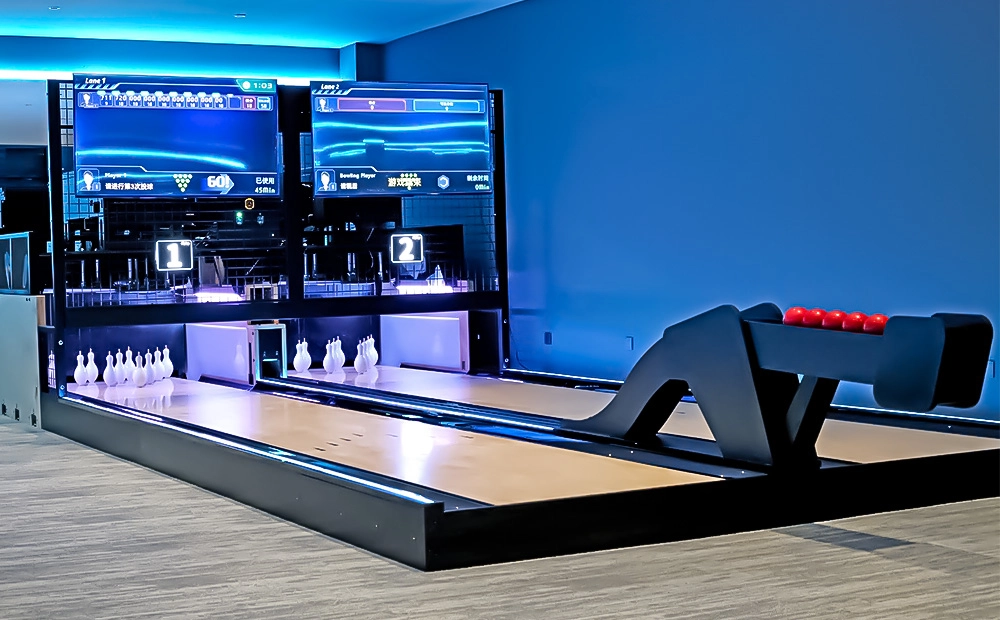
Flying Smart Duckpin Bowling (FSDB) innovative design, standard 9.2-meter short lane, can be shortened in length, compact layout suitable for small spaces. The game rules are simple but challenging, attracting players of different ages to actively participate.
Suitable for social entertainment venues such as bars, billiard halls, and game centers, it not only enhances interactivity but also increases the popularity and consumption frequency of the venue. The fun and competitive nature of FSDB will make it a new focus of social activities.
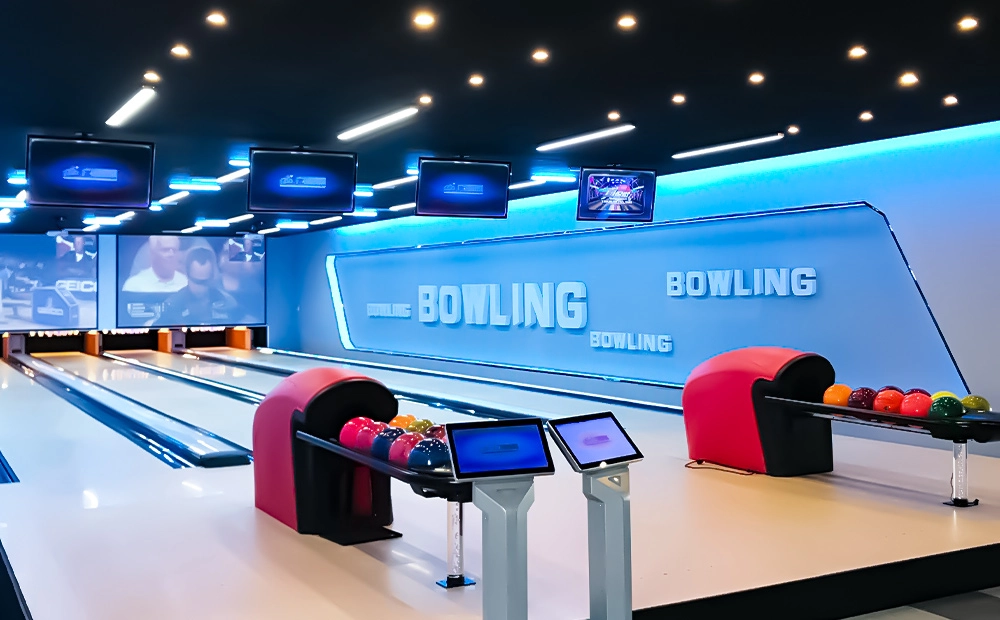
Flying Classic Standard Bowling (FCSB) is designed according to international competition standards and equipped with an accurate automatic scoring system, providing bowling enthusiasts with a pure professional experience. Whether it is for competitions or leisure entertainment, FCSB can meet high-level needs.
Suitable for family entertainment centers, luxury resorts, private villas, or clubs, it is an ideal choice for customers who pursue high-end quality and professional experience. Its classic design and excellent performance will add lasting appeal to the venue.
Flying Cute Mini Bowling (FCMB) is a mini bowling experience designed for children and families. The lane length is fixed at 12 meters, equipped with lightweight balls without finger holes (only 1.25kg) and small pins, specially designed for children and family fun.
It can not only help children feel the fun of bowling, but also stimulate their interest and competitive consciousness. Suitable for children's playgrounds, theme parks and parent-child centers, it is the best choice for places focusing on the children's market.
Flying Social Medium Bowling (FSMB) is tailored for small venues, with flexible lane lengths (customizable from 9.6 meters to 18 meters), a small ball design suitable for players of all ages, and light pins that are easier to knock down, increasing participation and fun.
Whether it is a gathering of friends or a casual social, FSMB can easily create a relaxed and pleasant atmosphere. Its efficient space-utilization design is particularly suitable for cafes, bars and community entertainment venues, allowing people to fall in love with bowling in a relaxed interaction.
Contact Flying
Start your bowling alley project
If you contact us now for more details, we can provide you with a custom bowling alley service. Our service team will get back to you within 24 hours normally!
© 2026 Flying BOWLING. Designed by gooeyun.
FOLLOW US:
Flying Bowling
Flying Bowling
Flyingbowling
Flyingbowling