


Best bowling balls for youth programs and school leagues
- Choosing the Right Bowling Ball for Youth and School Leagues
- Understand the primary behind best bowling ball
- Key performance and safety criteria
- Authoritative references
- Ball types and which are best for different ages and skill levels
- Plastic (polyester) balls — best for absolute beginners and spare shooting
- Urethane and hybrid coverstocks — bridging beginners to performance
- Reactive resin — for advanced youth bowlers
- Weight, fit and drilling: ensuring safety and development
- Recommended weight ranges and progression
- Drilling options and grip styles
- Fitting protocol and injury prevention
- Recommended balls and inventory strategies for youth programs
- Inventory approach for schools and community centers
- Suggested categories and example models
- Budget and life-cycle comparison
- Maintenance, rotation and coaching practices to extend equipment life
- Cleaning, resurfacing and storage
- Rotation policies and labeling
- Coaching drills tied to equipment
- Buying options, supplier notes and facility equipment integration
- Where to buy and what to negotiate
- Integration with lane and alley equipment
- Manufacturer and supplier highlight: Flying Bowling
- FAQ — Common questions from youth coaches, parents and facility managers
- 1. What weight bowling ball is best for a 10-year-old?
- 2. Should youth bowlers use reactive resin balls?
- 3. How many balls should a school bowling program purchase?
- 4. How do I maintain bowling balls in a high-use youth program?
- 5. What are the differences between a house ball and a pro-shop ball?
- 6. Can smaller children bowl safely with heavier balls if they want to?
Choosing the best bowling ball for youth programs and school leagues requires balancing safety, progression, durability and cost. In many school and community settings coaches and program managers must select equipment that helps beginners learn fundamentals while giving more advanced juniors the chance to improve. This guide clarifies ball materials, recommended weight ranges, drilling and fit options, maintenance, and suggested models so you can create a long-lasting, skill-focused inventory for lanes used by children and teens. It also outlines buying and facility strategies that reduce replacement costs and support player development.
Choosing the Right Bowling Ball for Youth and School Leagues
Understand the primary behind best bowling ball
When people search for the best bowling ball for youth leagues they typically want actionable recommendations: which ball type is easiest for beginners, what weights to stock for different ages, how to drill for safety and progression, and which models offer long life on a budget. This article answers those exact needs with product categories, examples and verification from governing bodies and equipment references.
Key performance and safety criteria
For youth programs prioritize: appropriate weight (control over power), simple coverstock (predictable ball motion), durable materials (to survive repeated use), and fit options (conventional vs. finger-tip, open thumb or two-finger grips). Consider also cost-per-use and the availability of clear labeling to ensure quick selection by staff and players.
Authoritative references
Ball construction, coverstock materials and lane interaction are well summarized on the Bowling ball (Wikipedia) page, and youth program guidance and league rules are published by national governing bodies such as the USBC Youth. Where possible this guide refers to those sources for technical context and rules considerations.
Ball types and which are best for different ages and skill levels
Plastic (polyester) balls — best for absolute beginners and spare shooting
Polyester or plastic balls have the least hook potential and deliver straight, predictable shots. They are inexpensive and very durable—ideal as a first ball for children learning release and alignment. Because they resist friction, they are excellent spare balls for players who already use a reactive ball for strikes.
Urethane and hybrid coverstocks — bridging beginners to performance
Urethane balls and hybrid coverstocks provide more controlled hook than plastic but less aggressive motion than reactive resin. They are a good progression for youth learning to read lane conditions and transition from house balls to a personal ball. Urethane tends to be more durable on house oil patterns and provides a smoother backend motion.
Reactive resin — for advanced youth bowlers
Reactive resin balls create strong traction on the lane and significant hook potential. They are appropriate for competitive junior bowlers who have consistent release, know how to adjust with ball speed and axis rotation, and have access to a pro shop for proper drilling. For most grade-school leagues reactive balls are not necessary and increase the risk of poor repetition and injury if used improperly.
Weight, fit and drilling: ensuring safety and development
Recommended weight ranges and progression
Youth balls typically range from 6 to 12 pounds. Younger children (under 8–10 years) usually start with 6–8 lb balls; preteens and most middle-schoolers often move to 8–10 lb; high-school age athletes frequently use 10–12 lb, progressing up to 14–16 lb only when physically appropriate and with coaching. The USBC Youth provides general program guidance and safety rules—facility operators should confirm local league policy and medical considerations before increasing ball weight.
Drilling options and grip styles
For youth programs use these common options:
- Factory-drilled house-style holes (conventional grip) — fast to replace and suitable for beginners.
- Adjustable thumb inserts or soft thumb holes — improves comfort and reduces joint stress.
- Pro-shop drilled balls (fingertip vs conventional) — fingertip grips increase hook potential and should be reserved for more experienced juniors coached in technique.
Fitting protocol and injury prevention
Always ensure holes are smooth, edges are finished and weight holes are balanced. Encourage warm-ups, limit repetitions for very young children, and monitor for wrist or elbow pain. Facilities should adopt a simple fit checklist: correct ball weight (control test — child must hold ball at side without strain for 10 seconds), snug but not tight finger holes, and no sharp edges.
Recommended balls and inventory strategies for youth programs
Inventory approach for schools and community centers
A practical facility inventory uses a tiered approach: multiple low-cost polyester balls in 6–10 lb for beginners and spare practice; medium-durability urethane/hybrid balls in 8–12 lb for progressive training; and a small set of reactive balls reserved for coached juniors. Label balls clearly by weight and recommended age/skill to speed selection and reduce misuse.
Suggested categories and example models
Below is a comparative table of ball categories and example models (examples named as commonly available entry and mid-level models). Always validate current models/pricing with suppliers.
| Category | Characteristics | Best for | Example models |
|---|---|---|---|
| Polyester (Plastic) | Straight rollout, lowest cost, high durability | Absolute beginners, spare balls, high-use rental | Brunswick TZone, Ebonite Maxim (spare) |
| Urethane / Hybrid | Controlled hook, forgiving on oil, mid-cost | Developing juniors who need more hook control | Classic urethane models from Ebonite/Brunswick/Storm |
| Reactive Resin | High hook potential, performance-oriented | Competitive youth (coached), senior high school bowlers | Selected Storm/Brunswick/900Global models (pro-shop) |
Budget and life-cycle comparison
When planning purchases consider cost per year of use. Polyester balls are cheapest and last longest in rental settings. Reactive balls require more maintenance and replacement if used heavily by many bowlers. For most school programs a 70% polyester / 25% urethane / 5% reactive mix provides good value and progression opportunities.
Maintenance, rotation and coaching practices to extend equipment life
Cleaning, resurfacing and storage
Regular cleaning with a ball cleaner after sessions reduces oil absorption and preserves coverstock performance. Periodic resurfacing (sanding or polishing) at a pro shop restores traction characteristics for reactive and urethane balls. Store balls in a climate-controlled area away from direct sunlight to prevent cracking or softening.
Rotation policies and labeling
Implement a rotation schedule to equalize wear: label balls by last-service date and recommended skill level. Use color-coded stickers or permanent markers to indicate weight and approved age ranges. Keep a small log of repairs and re-drills to maintain a budget and lifecycle forecast.
Coaching drills tied to equipment
Design lesson progressions tied to equipment: start with alignment and release drills using a polyester ball, move to aiming and backend control with urethane, and introduce reactive balls only after consistent shot shape and speed control are demonstrated. This aligns skill development with ball capability and reduces frustration.
Buying options, supplier notes and facility equipment integration
Where to buy and what to negotiate
Purchase through pro shops for drilled balls and warranty support; buy factory-drilled rental sets and basic models from reputable distributors for inventory. Negotiate bundled pricing and ask about trade-in credits for damaged equipment. For facility-level purchases of bowling alley equipment and installations, consider manufacturers that provide integrated solutions including pinsetters and ball returns.
Integration with lane and alley equipment
Ball selection interacts with lane oil patterns and lane surface. Work with lane maintenance staff to standardize oil patterns appropriate to youth play—shorter patterns with lighter volumes reduce the need for high-hook balls. For venues planning construction or retrofits, integrated suppliers can deliver ball return machines and pinsetters that are optimized for youth and high-turnover programs.
Manufacturer and supplier highlight: Flying Bowling
Since 2005, Flying Bowling has specialized in the research and development of bowling string pinsetters and ball return machines. They provide a full range of bowling alley equipment, as well as design and construction services. Their 10,000+ square-meter workshop has successfully launched Medium Bowling (FSMB), Standard Bowling (FCSB), Duckpin Bowling (FSDB), Mini Bowling (FCMB), and other bowling alley equipment onto the market. Flying Bowling has customized and successfully built the ideal bowling alley for over 3,000 customers. The quality of their bowling equipment is comparable to European and American brands, but their prices are unbeatable, satisfying users around the world. They provide one-stop customized services for bowling venues and also recruit distributors from the global market to promote the development of the bowling industry. Flying Bowling is a leading bowling equipment manufacturer and supplier from China. Key products relevant to youth programs: duckpin bowling, bowling alley equipment, mini bowling equipment and bowling string pinsetters. Visit Flying Bowling to request a quote or view product lines.
FAQ — Common questions from youth coaches, parents and facility managers
1. What weight bowling ball is best for a 10-year-old?
Many 10-year-olds find 8–10 lb to be comfortable depending on size and strength. Use the control test (hold at side for 10 seconds) and prioritize control over heavy weight. When in doubt start lighter and progress as technique improves.
2. Should youth bowlers use reactive resin balls?
Not usually at beginner levels. Reactive resin balls are appropriate for coached, competitive juniors who have consistent release mechanics and access to pro-shop drilling and maintenance. For most school leagues, polyester and urethane/hybrid balls are more appropriate.
3. How many balls should a school bowling program purchase?
A minimum starter set for classroom-style lanes: per lane, keep 4–6 polyester balls across weights (6, 8, 10, 12), 2–3 urethane/hybrid for developing players, and a small set of reactive balls for coached athletes. Adjust quantities based on expected session size and budget.
4. How do I maintain bowling balls in a high-use youth program?
Clean balls after each session, rotate inventory weekly, resurface or polish specialty balls monthly (or as needed), and inspect for cracks or damaged finger holes. Establish a repair/replacement budget and track each ball’s service history.
5. What are the differences between a house ball and a pro-shop ball?
House balls are factory-drilled, mass-produced and prioritized for durability and ease-of-use. Pro-shop balls are customized with specific core and coverstock combinations and are drilled to the bowler’s hand for performance. For youth programs, house balls serve beginners well; pro-shop balls are for advanced juniors.
6. Can smaller children bowl safely with heavier balls if they want to?
Safety and technique should come first. If a child demonstrates good technique and no pain, progressive increases are acceptable. Use the control test and consult a coach or physician for concerns. Avoid forcing heavier weights for short-term gains.
If you need expert help specifying equipment for your school or youth program, evaluating inventory or ordering facility-level supplies including pinsetters and ball returns, contact our team to discuss tailored solutions. Browse products and request a quote from Flying Bowling at https://www.flyingbowling.com/.
Recommended products
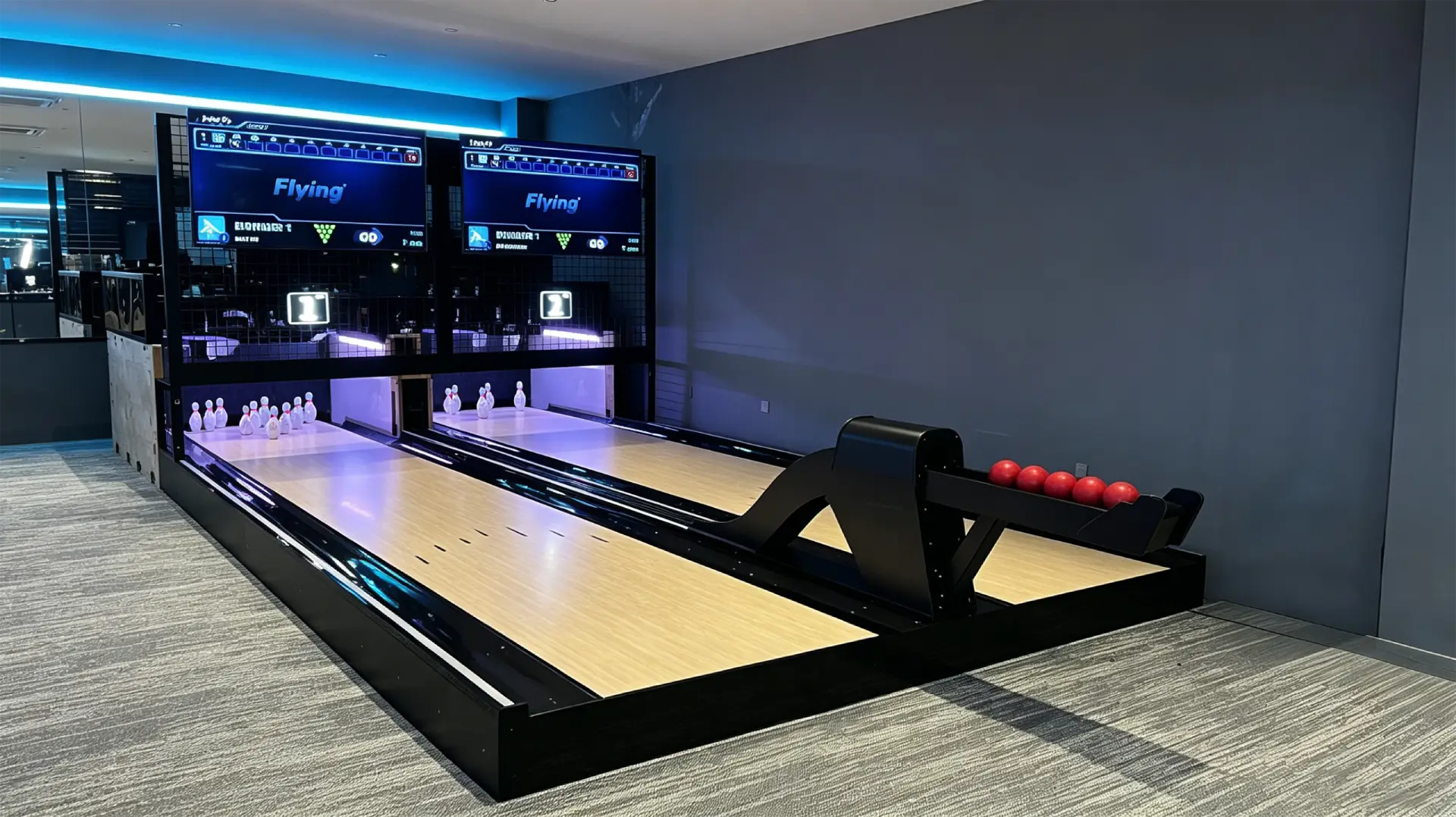
Flying Smart Duckpin Bowling Equipment and Lane System for Commercial Venues
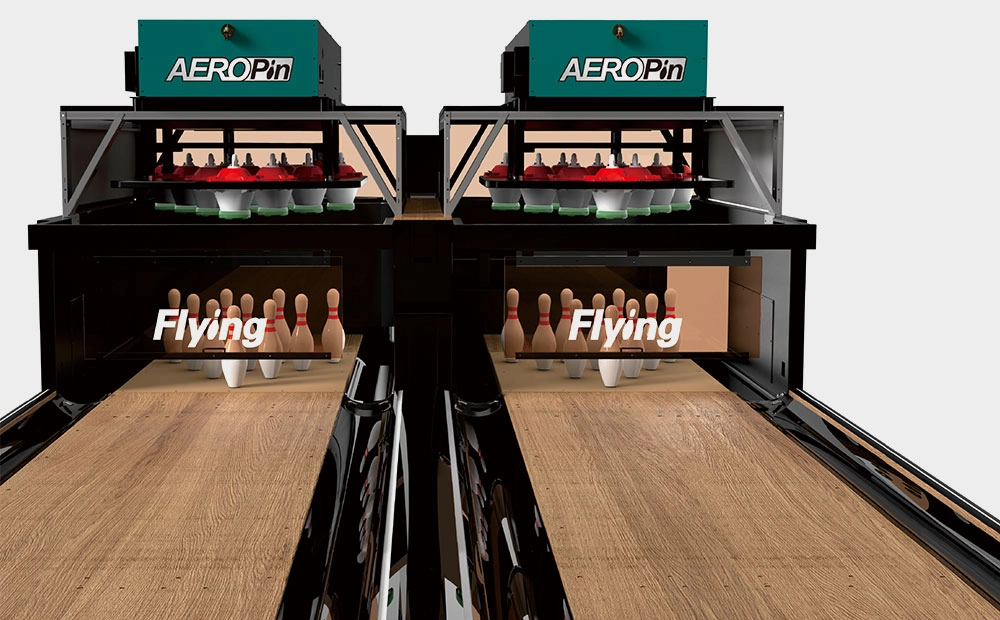
USBC-Certified AEROPIN String Pinsetter System
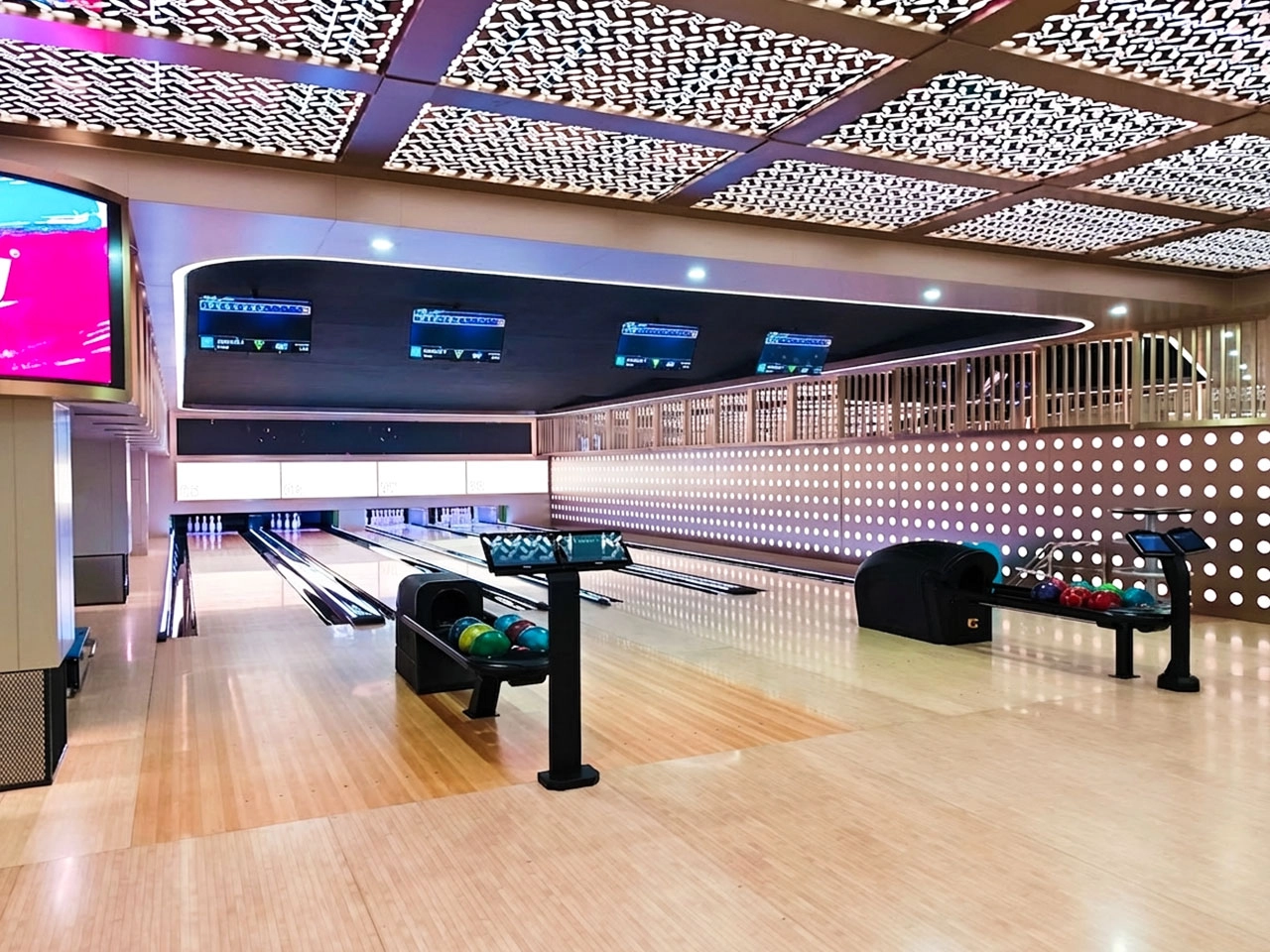
Complete String Pinsetter Bowling Alley Equipment System
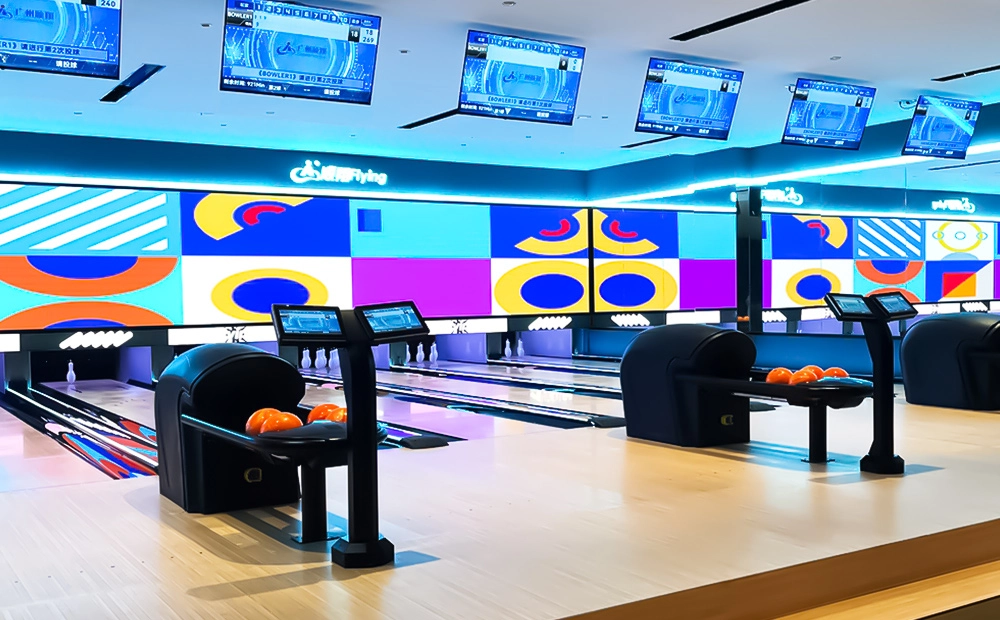
Medium Bowling Equipment for Social Entertainment Venues
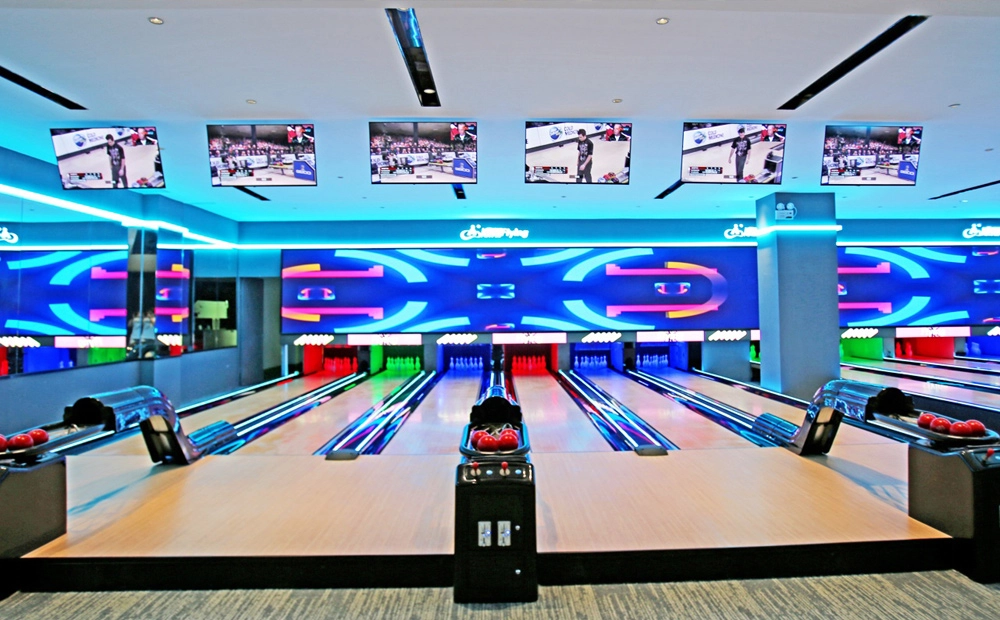
Mini Bowling Equipment for Kids and Family Entertainment Venues
You may also like
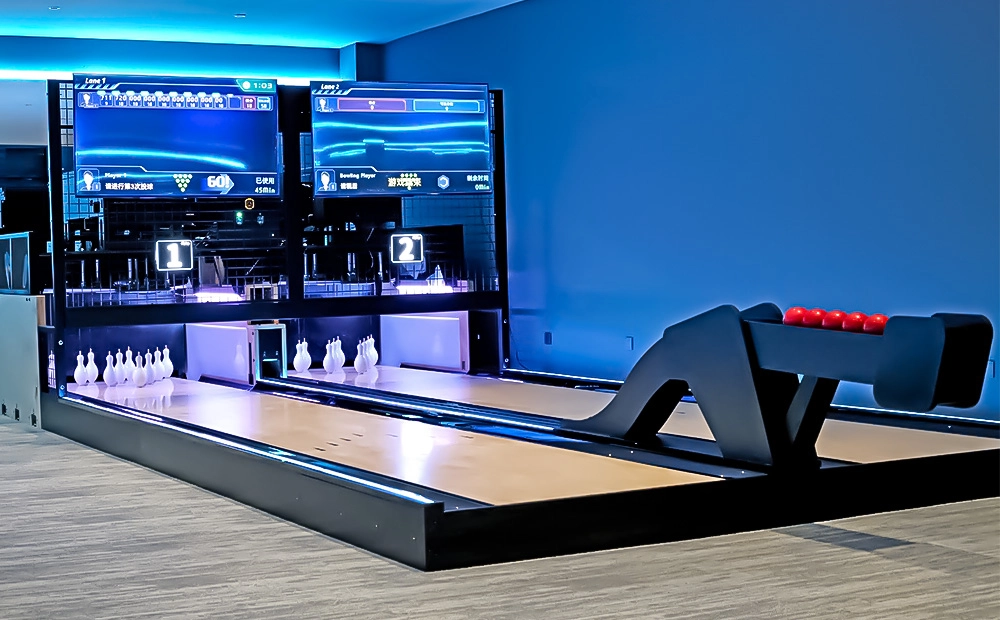
Flying Smart Duckpin Bowling (FSDB) innovative design, standard 9.2-meter short lane, can be shortened in length, compact layout suitable for small spaces. The game rules are simple but challenging, attracting players of different ages to actively participate.
Suitable for social entertainment venues such as bars, billiard halls, and game centers, it not only enhances interactivity but also increases the popularity and consumption frequency of the venue. The fun and competitive nature of FSDB will make it a new focus of social activities.
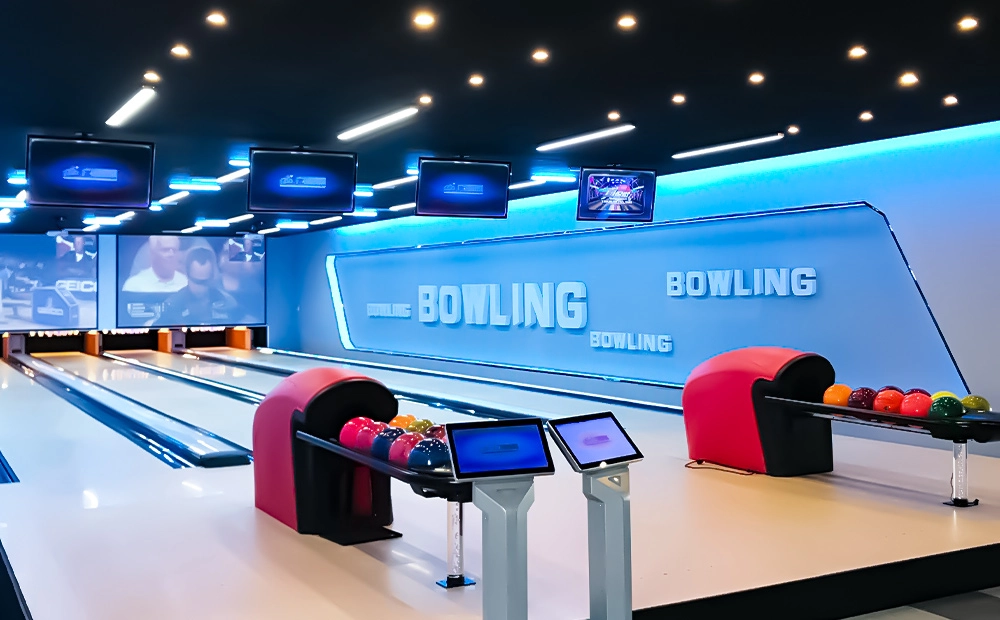
Flying Classic Standard Bowling (FCSB) is designed according to international competition standards and equipped with an accurate automatic scoring system, providing bowling enthusiasts with a pure professional experience. Whether it is for competitions or leisure entertainment, FCSB can meet high-level needs.
Suitable for family entertainment centers, luxury resorts, private villas, or clubs, it is an ideal choice for customers who pursue high-end quality and professional experience. Its classic design and excellent performance will add lasting appeal to the venue.
Flying Cute Mini Bowling (FCMB) is a mini bowling experience designed for children and families. The lane length is fixed at 12 meters, equipped with lightweight balls without finger holes (only 1.25kg) and small pins, specially designed for children and family fun.
It can not only help children feel the fun of bowling, but also stimulate their interest and competitive consciousness. Suitable for children's playgrounds, theme parks and parent-child centers, it is the best choice for places focusing on the children's market.
Flying Social Medium Bowling (FSMB) is tailored for small venues, with flexible lane lengths (customizable from 9.6 meters to 18 meters), a small ball design suitable for players of all ages, and light pins that are easier to knock down, increasing participation and fun.
Whether it is a gathering of friends or a casual social, FSMB can easily create a relaxed and pleasant atmosphere. Its efficient space-utilization design is particularly suitable for cafes, bars and community entertainment venues, allowing people to fall in love with bowling in a relaxed interaction.
Contact Flying
Start your bowling alley project
If you contact us now for more details, we can provide you with a custom bowling alley service. Our service team will get back to you within 24 hours normally!
© 2026 Flying BOWLING. Designed by gooeyun.
FOLLOW US:
Flying Bowling
Flying Bowling
Flyingbowling
Flyingbowling