


Best bowling balls for heavy-oil lanes: top picks for centers
- Why heavy-oil lanes need different balls
- How oil changes ball performance
- Key ball design elements for heavy oil
- Who benefits most
- Top picks for heavy-oil lanes (center-friendly recommendations)
- How we selected these models
- Recommended models and short rationale
- How to use this table
- Drilling, surface, and ball maintenance for heavy oil
- Pro-shop drilling strategies
- Surface adjustments (finish, sanding, polish)
- Cleaning and longevity
- Tactics: using heavy-oil balls effectively on center and sport patterns
- Lane-reading and ball choice
- Speed, release, and entry angle
- When to move to a different ball
- Practical center guidance: stocking, demos, and coaching
- Stocking recommendations for centers
- Coaching drills to build heavy-oil competence
- Service and professional tuning
- FAQ
- 1. What is the best bowling ball for heavy-oil lanes?
- 2. How do I tell if a ball is good for heavy oil?
- 3. Should I sand or polish my heavy-oil ball?
- 4. How often should center demo balls be deep-cleaned?
- 5. Can a heavy-oil ball work when the lanes dry out?
- Contact, demo and product options
- References
Heavy-oil lanes demand equipment with strong mid-lane traction and powerful backend motion. This guide distills manufacturer design, lane science and pro-shop practice into clear, actionable advice so centers, coaches and serious league bowlers can choose the best bowling ball to improve carry rate and scoring consistency on high-volume oil patterns.
Why heavy-oil lanes need different balls
How oil changes ball performance
On heavy-oil patterns the surface of the lane carries more lubricant, reducing friction between the ball and lane. That delays ball hook and reduces backend entry angle unless the ball has a coverstock and core designed to read oil earlier and store energy to flare through the backend.
Key ball design elements for heavy oil
For heavy oil you want: (1) a stronger, tacky or solid reactive coverstock (or hybrid with strong oil affinity), (2) higher differential and asymmetric cores to promote flare, and (3) a finish that balances early read with strong backend recovery (often lower grit or applied traction additives). These characteristics help the ball find traction in the oil and still create a strong entry angle for carry.
Who benefits most
League bowlers on sport/high-volume patterns, center owners managing heavier-house patterns, and coaches prepping students for tournament-style conditions will see the most benefit from choosing the right heavy-oil ball and appropriate drilling/surface setup.
Top picks for heavy-oil lanes (center-friendly recommendations)
How we selected these models
Selection criteria included manufacturer oil-rating intent, community and pro-shop feedback, repeatability across drilling layouts, and versatility for varying heavy patterns. We prioritized models with proven track records in tournament and center play.
Recommended models and short rationale
Below are center-suited options covering extreme to versatile heavy-oil demands. Each ball is a practical choice for centers stocking equipment for league nights and customer demo programs.
| Model | Coverstock Type (typical) | Core Type | Best for | Why | Price range |
|---|---|---|---|---|---|
| Storm Hy-Road (example) | Hybrid/Solid reactive | Symmetric | Heavy to medium-heavy house patterns | Strong mid-lane read with controllable backend—versatile and durable | $$$ |
| Hammer Black Widow 2.0 | Solid reactive | Asymmetric | Very heavy oil / sport patterns | High torque and strong backend; built for oil-heavy conditions | $$$ |
| Motiv Jackal Ghost | Semi-solid / Hybrid reactive | Asymmetric | Heavy oil requiring early read and strong continuation | Known for aggressive mid-lane traction and continuous motion | $$$ |
| Roto Grip Hustle PRO (or similar) | Solid / Hybrid | Symmetric | Entry-level heavy oil / league stock ball | Affordable option that still reads oil early—good for centers to loan | $$ |
| Brunswick Kingpin (or heavy-oil performance model) | Solid reactive | Asymmetric / high differential | Competitive leagues on sport patterns | Strong flare potential and powerful backend for carry | $$$ |
How to use this table
Use price and best-for columns to match center budgets and lane conditions. Keep at least one extreme heavy-oil model (high differential, asymmetric) and one versatile hybrid/solid to cover team preferences and lane transitions during play.
Drilling, surface, and ball maintenance for heavy oil
Pro-shop drilling strategies
Drilling changes axis rotation and flare potential. For heavy oil: (1) consider stronger pin-to-CG distances to increase flare, (2) use layouts that preserve core dynamics for mid-lane read, and (3) consult a pro-shop to match a layout to a bowler's rev-rate and axis tilt. Centers offering demo balls should keep several drilling profiles to fit different styles.
Surface adjustments (finish, sanding, polish)
Surface finish drastically affects how a ball reads oil. Typical approaches for heavy oil:
- Start with lower grit (e.g., 2000–4000) for stronger early traction.
- Use scuff pads or sandpaper to roughen a polished coverstock.
- Apply moderate polish only when longer backend motion is needed (not for the heaviest oil).
Cleaning and longevity
Heavy-oil play deposits more oil into coverstocks, which reduces performance over time. Clean bowling balls after each heavy-oil session with manufacturer-approved ball cleaners and schedule center-level deep cleaning (hot-water extraction or professional restore) every 6–12 weeks for demo/frequent-use balls.
Tactics: using heavy-oil balls effectively on center and sport patterns
Lane-reading and ball choice
Match ball choice to pattern density. If the heads carry too much oil, switch to a ball with a stronger coverstock and lower surface grit. If oil is patchy, use a ball that reads earlier but still preserves backend energy. Track carry and pocket percentage by pair to make evidence-based selections.
Speed, release, and entry angle
On heavy oil, a slight reduction in speed or a small change to release (more revs or stronger tilt) can help the ball hook earlier. Encourage bowlers to experiment in practice frames and use the house pattern data to set consistent approaches.
When to move to a different ball
Switch when you notice one of the following: reduced carry rate, the ball slides through the breakpoint, inconsistent pocket hits, or the lane transition leads to unpredictable motion. Keep a transitional ball (hybrid finish) handy for when lanes start to carry or break down.
Practical center guidance: stocking, demos, and coaching
Stocking recommendations for centers
For centers that rent/loan demo balls, maintain a small rotation of heavy, medium-heavy and transitional balls. Mark balls and record their surface finish and drilling layout. Offer a try-before-you-buy program using the heavy-oil models in league nights to promote retail sales.
Coaching drills to build heavy-oil competence
Drills:
- Target Consistency Drill: bowl 30 shots to the same break point and record strike % to evaluate ball impact.
- Speed Variation Drill: vary release speed by 1–2 mph while maintaining target to learn how speed affects read.
- Surface Sensitivity Drill: throw the same ball with two different surface finishes across 20 shots to feel the difference.
Service and professional tuning
Maintain a relationship with a certified pro-shop. Regularly send demo balls for pin relocation checks, re-drilling, and surface restoration. Accurate service extends ball life and ensures consistent center experiences.
FAQ
1. What is the best bowling ball for heavy-oil lanes?
There is no single best ball for everyone; choose models specifically designed for heavy oil—typically solid or hybrid reactive coverstocks with asymmetric/higher-differential cores. The right ball depends on your speed, rev-rate and lane pattern. Examples commonly used include Hammer Black Widow 2.0 and Motiv Jackal Ghost (see model table for center picks).
2. How do I tell if a ball is good for heavy oil?
Look for manufacturer descriptions referencing heavy oil or strong oil traction, solid/strong reactive coverstock technology, and higher differential/asymmetric cores. Test in practice: a heavy-oil ball should find traction earlier and create a strong backend motion where others skid.
3. Should I sand or polish my heavy-oil ball?
For heavy oil, a lower-grit sanded finish (rougher) typically helps create earlier read. Polishing is used for more backend movement on medium oil. Always test incremental changes and document the finish used.
4. How often should center demo balls be deep-cleaned?
High-use demo balls should be deep-cleaned professionally every 6–12 weeks, depending on usage, to remove absorbed oil and restore intended reaction.
5. Can a heavy-oil ball work when the lanes dry out?
Heavy-oil balls often overreact on drier lanes (too much hook). Keep a transitional or polished ball available to switch when lanes begin to dry or carry excessively. Adjust surface or ball choice rather than forcing the same ball across conditions.
Contact, demo and product options
If you manage a center or coach a league and want product recommendations, demo kits, or a pro-shop partner recommendation, contact our team to schedule an on-site assessment and demo session. View available heavy-oil models and center programs on our product page or request a tailored stocking list for your budget and lane patterns.
Contact us for demo kits, pro-shop referrals, and customized center stocking guides. Check our product catalog or request a quote today.
References
- Storm Bowling - Official site (Accessed 2026-01-12)
- Hammer Bowling - Official site (Accessed 2026-01-12)
- Motiv Bowling - Official site (Accessed 2026-01-12)
- Brunswick Bowling - Official site (Accessed 2026-01-12)
- United States Bowling Congress (USBC) - lane conditions and equipment resources (Accessed 2026-01-12)
- Bowling ball — Wikipedia (Accessed 2026-01-12)
Recommended products
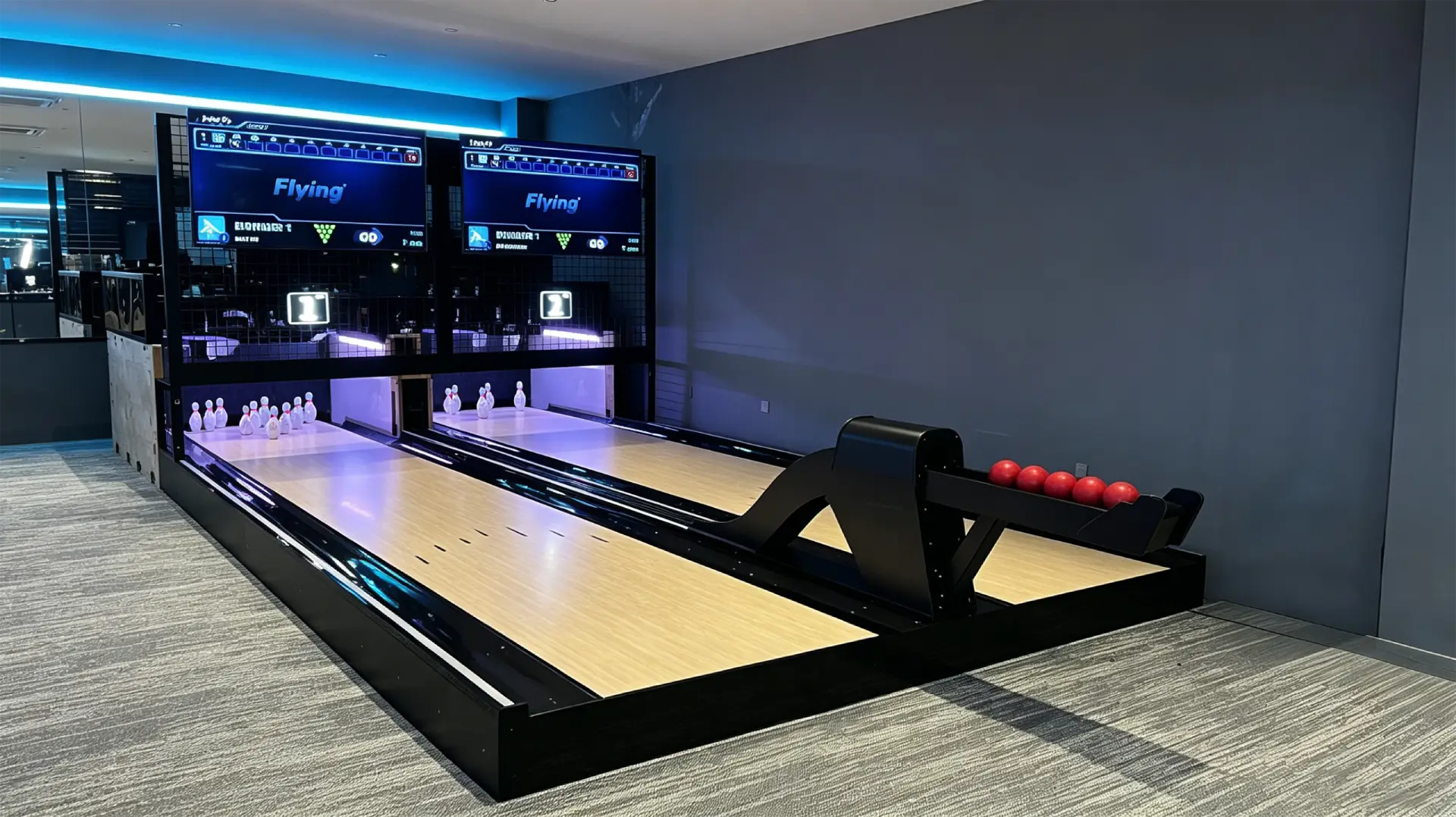
Flying Smart Duckpin Bowling Equipment and Lane System for Commercial Venues
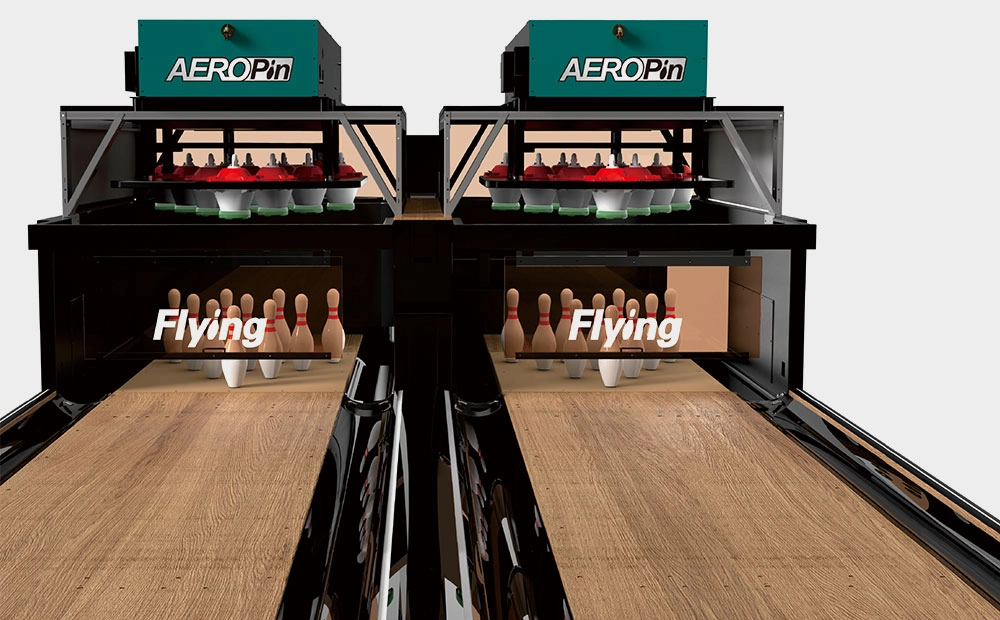
USBC-Certified AEROPIN String Pinsetter System
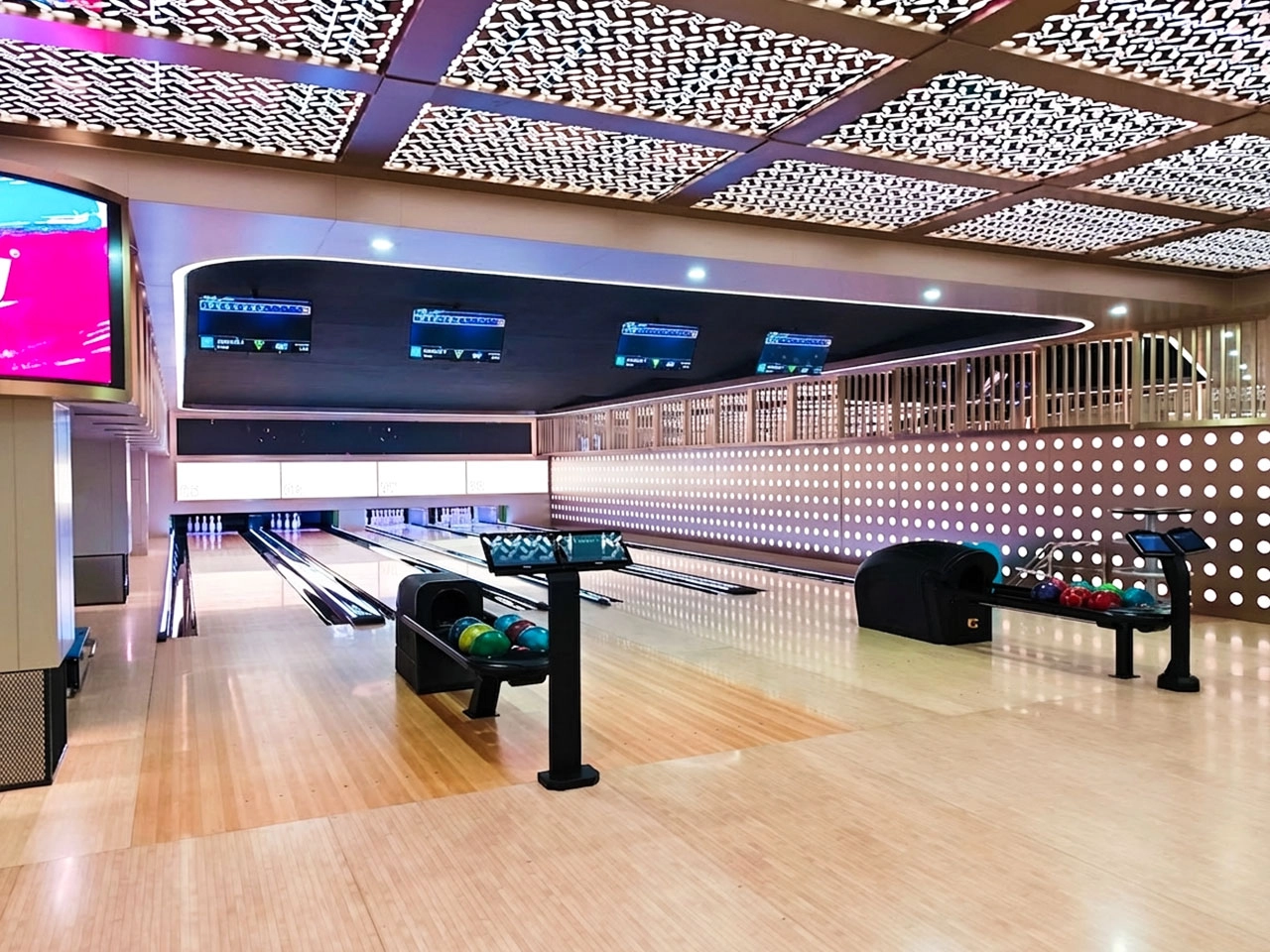
Complete String Pinsetter Bowling Alley Equipment System
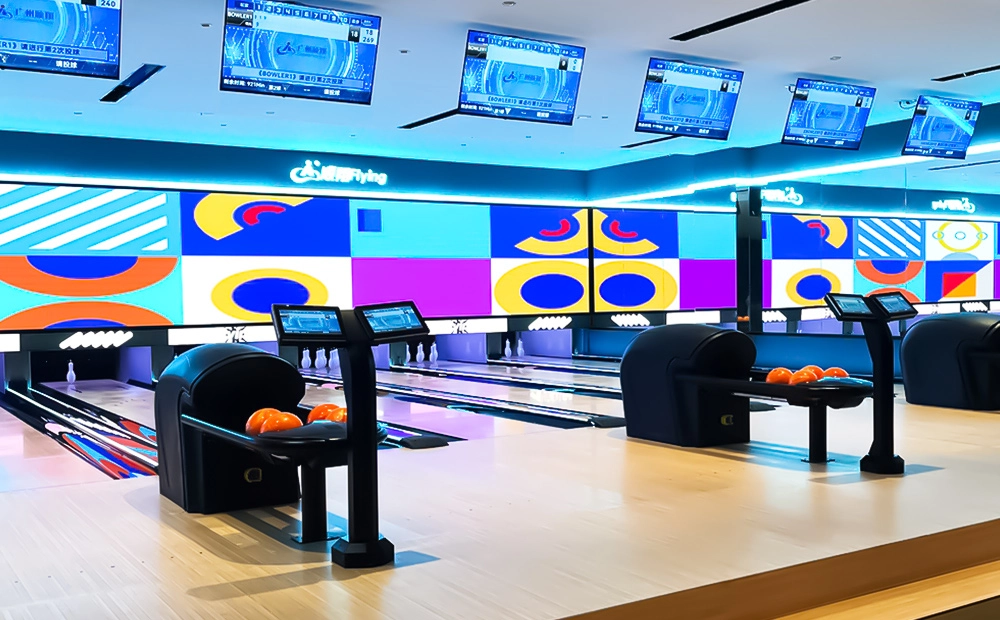
Medium Bowling Equipment for Social Entertainment Venues
Mini Bowling Equipment for Kids and Family Entertainment Venues
You may also like
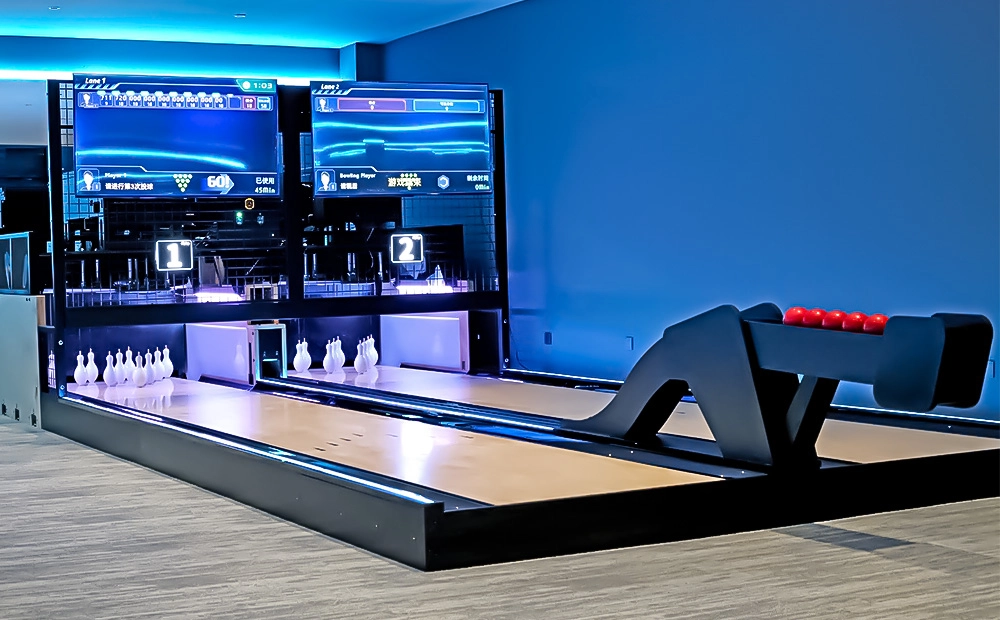
Flying Smart Duckpin Bowling (FSDB) innovative design, standard 9.2-meter short lane, can be shortened in length, compact layout suitable for small spaces. The game rules are simple but challenging, attracting players of different ages to actively participate.
Suitable for social entertainment venues such as bars, billiard halls, and game centers, it not only enhances interactivity but also increases the popularity and consumption frequency of the venue. The fun and competitive nature of FSDB will make it a new focus of social activities.
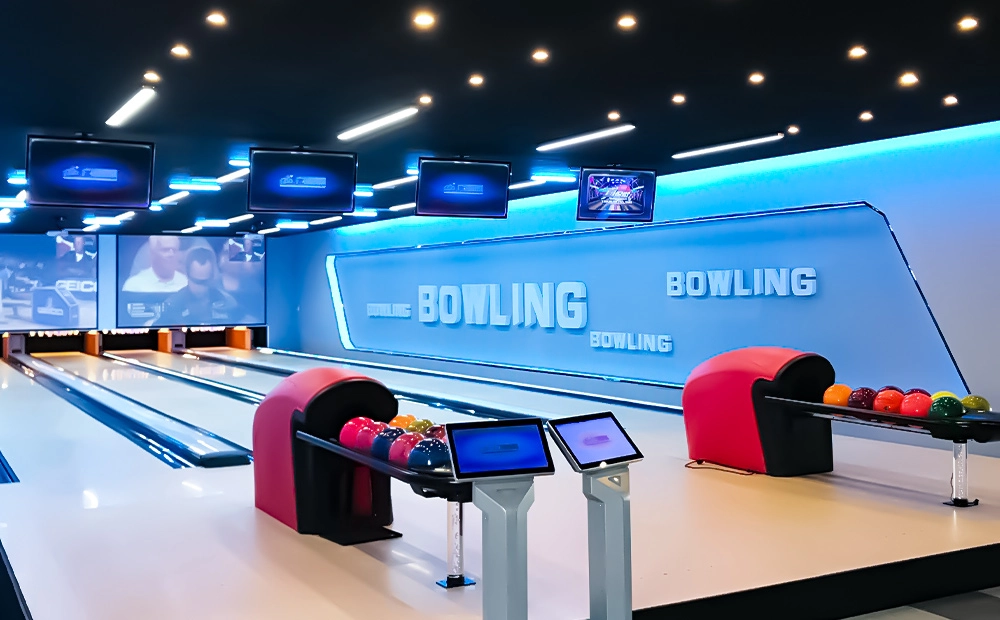
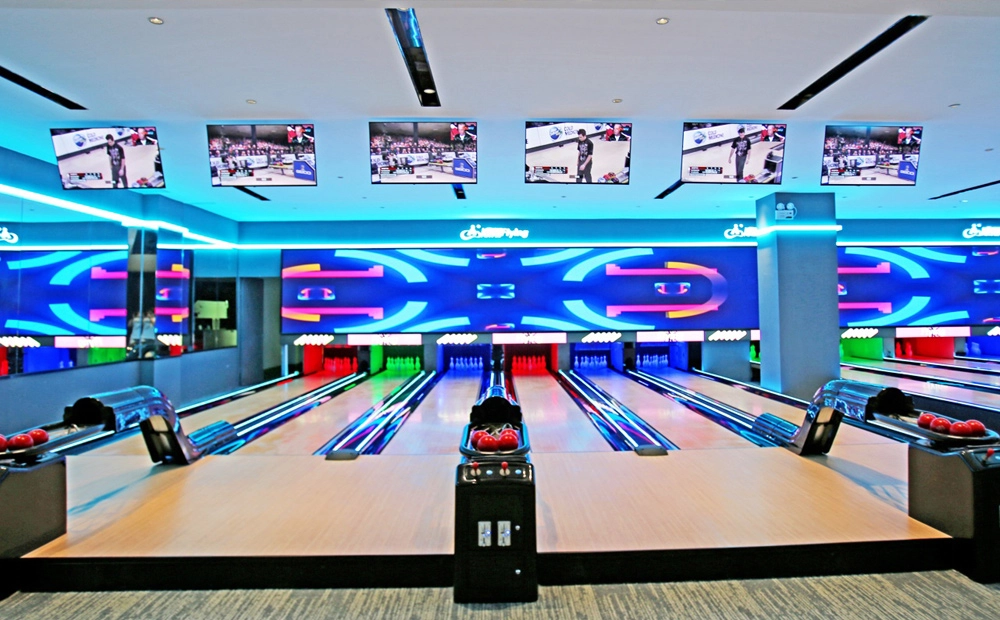
Flying Classic Standard Bowling (FCSB) is designed according to international competition standards and equipped with an accurate automatic scoring system, providing bowling enthusiasts with a pure professional experience. Whether it is for competitions or leisure entertainment, FCSB can meet high-level needs.
Suitable for family entertainment centers, luxury resorts, private villas, or clubs, it is an ideal choice for customers who pursue high-end quality and professional experience. Its classic design and excellent performance will add lasting appeal to the venue.
Flying Cute Mini Bowling (FCMB) is a mini bowling experience designed for children and families. The lane length is fixed at 12 meters, equipped with lightweight balls without finger holes (only 1.25kg) and small pins, specially designed for children and family fun.
It can not only help children feel the fun of bowling, but also stimulate their interest and competitive consciousness. Suitable for children's playgrounds, theme parks and parent-child centers, it is the best choice for places focusing on the children's market.
Flying Social Medium Bowling (FSMB) is tailored for small venues, with flexible lane lengths (customizable from 9.6 meters to 18 meters), a small ball design suitable for players of all ages, and light pins that are easier to knock down, increasing participation and fun.
Whether it is a gathering of friends or a casual social, FSMB can easily create a relaxed and pleasant atmosphere. Its efficient space-utilization design is particularly suitable for cafes, bars and community entertainment venues, allowing people to fall in love with bowling in a relaxed interaction.
Contact Flying
Start your bowling alley project
If you contact us now for more details, we can provide you with a custom bowling alley service. Our service team will get back to you within 24 hours normally!
© 2026 Flying BOWLING. Designed by gooeyun.
FOLLOW US:
Flying Bowling
Flying Bowling
Flyingbowling
Flyingbowling