

Best Bowling Ball for Beginners: Beginner Guide to Choosing Your First Ball
This beginner bowling ball guide explains how new bowlers should choose their first ball by coverstock, weight, drilling, grip, budget, and playing style. It also helps parents, casual players, pro shops, and bowling centers explain the difference between plastic, urethane, and reactive resin bowling balls.
- Quick Overview
- What Is the Best Bowling Ball for Beginners?
- Best Bowling Ball Choice Based on Beginner Type
- Our Recommendation for Most Beginners
- Best Choice for Complete Beginners: Plastic Bowling Ball
- Best Choice for Beginners Learning Hook Bowling
- Best Choice for Beginners Joining a League
- Plastic vs Performance Bowling Ball: Which Is Better for Beginners?
- How Much Does a Beginner Bowling Ball Cost?
- How to Choose the Right Bowling Ball Weight for Beginners
- Why Professional Drilling Matters for Beginner Bowling Balls
- Common Mistakes Beginners Make When Choosing a Bowling Ball
- Beginner Bowling Ball Buying Checklist
- Beginner Bowling Ball vs House Ball: Which Is Better?
- Final Advice: Choosing Your First Bowling Ball
- Conclusion
- Need Help Choosing Bowling Equipment?
- FAQ
Quick Overview
The best bowling ball for beginners is the one that matches your current skill level, bowling frequency, and learning goals.
For most first-time bowlers, a plastic bowling ball is the safest starting choice because it provides predictable control and helps develop consistent technique. Beginners who already bowl regularly or want to learn hook shots may benefit from an entry-level performance bowling ball that offers more versatility.
Before buying your first bowling ball, focus on choosing the right type, weight, and fitting rather than simply selecting the most expensive model.
What Is the Best Bowling Ball for Beginners?
There is no single bowling ball that is perfect for every beginner. The best choice depends on whether you are learning the fundamentals, developing your technique, or preparing to bowl more regularly.
For someone purchasing their first bowling ball without a specific playing style, a plastic bowling ball or an entry-level performance ball is usually the best starting point. These options provide enough control for learning while allowing beginners to improve their skills over time.
Best Bowling Ball Choice Based on Beginner Type
Different beginners have different goals. A casual player who bowls occasionally does not necessarily need the same equipment as someone who plans to join a league and improve their game.
| Beginner Situation | Recommended Bowling Ball | Why It Works |
|---|---|---|
| Learning bowling for the first time | Plastic bowling ball | Provides simple control and predictable movement |
| Learning how to hook the ball | Entry-level performance ball | Offers more reaction and room for improvement |
| Regular beginner joining leagues | Beginner performance ball | Provides better long-term versatility |
Our Recommendation for Most Beginners
For someone buying their first bowling ball without a clear playing style, starting with a plastic bowling ball or an entry-level performance bowling ball is usually the most practical choice.
A plastic bowling ball helps beginners focus on the fundamentals of bowling, including accuracy, release control, and consistency. Because the ball reaction is easier to predict, new bowlers can spend more time improving technique instead of adjusting to complicated equipment.
Beginners who already bowl frequently and want to continue improving may prefer an entry-level performance ball. These bowling balls provide additional versatility and allow players to develop more advanced skills as their experience grows.
Best Choice for Complete Beginners: Plastic Bowling Ball
A plastic or polyester bowling ball is usually the easiest option for someone who has never owned a bowling ball before.
Plastic bowling balls create a smooth and predictable reaction, making them suitable for players who are still learning basic bowling techniques. They are commonly chosen by recreational bowlers, beginners practicing accuracy, and players who want a reliable first bowling ball.
The main advantage of a plastic bowling ball is simplicity. Beginners can focus on developing proper form and consistency without needing to manage strong ball movement.
Why Beginners Often Start With Plastic Bowling Balls
Plastic bowling balls are affordable, easy to control, and provide predictable performance. For many first-time bowlers, these characteristics make them the most suitable starting point.
Best Choice for Beginners Learning Hook Bowling
Some beginners want to learn how to create hook motion rather than only throwing straight shots. In this case, an entry-level performance bowling ball may be a better long-term choice.
Compared with plastic bowling balls, performance models provide more lane interaction and allow players to explore different release techniques. However, stronger performance does not automatically mean better results. Beginners still need proper technique and consistency before moving to more advanced equipment.
Best Choice for Beginners Joining a League
Beginners who plan to bowl regularly or join a league may want equipment that can continue supporting their improvement.
In this situation, an entry-level performance bowling ball can provide a better balance between learning fundamentals and developing a more advanced playing style. Compared with basic plastic balls, performance models offer more versatility and allow bowlers to adapt as their skills improve.
However, beginners should not choose equipment only because it has stronger performance features. The most suitable bowling ball is the one that matches the player's current ability and helps build consistent technique.
A Good Beginner Bowling Ball Should Help You:
Develop consistent release, improve accuracy, build confidence, and continue improving without requiring equipment that is too difficult to control.
Plastic vs Performance Bowling Ball: Which Is Better for Beginners?
The choice between a plastic bowling ball and a performance bowling ball depends on the beginner's experience level and goals.
Plastic bowling balls are usually easier to control because they provide a smoother and more predictable reaction. This makes them ideal for players who are still learning basic movements, accuracy, and release technique.
Performance bowling balls use more advanced materials and designs to create stronger interaction with the lane. They can be a better choice for beginners who already bowl regularly and want equipment that supports future development.
Plastic Bowling Ball
Best for complete beginners who want easy control, predictable movement, and a simple learning experience.
Entry-Level Performance Ball
Best for beginners who already bowl frequently and want more room for improvement.
How Much Does a Beginner Bowling Ball Cost?
Most beginner bowling balls cost between $50 and $150, depending on the type of ball, materials, and performance level.
For many new bowlers, the goal is not to purchase the most expensive bowling ball. Instead, the focus should be choosing equipment that provides good control and supports skill development.
| Bowling Ball Type | Typical Price Range | Recommended For |
|---|---|---|
| Plastic Bowling Ball | $50-$100 | First-time bowlers and recreational players |
| Entry-Level Performance Ball | $90-$150 | Beginners improving their technique |
| Beginner Reactive Ball | $120-$200 | Regular bowlers seeking more performance |
The total investment may also include drilling and fitting services. A properly fitted bowling ball often provides a better experience because the grip and finger placement are adjusted for the individual player.
How to Choose the Right Bowling Ball Weight for Beginners
Choosing the correct weight is one of the most important decisions when buying a first bowling ball.
A heavier bowling ball is not automatically better. Beginners should select a weight that allows them to maintain control, balance, and a repeatable release throughout an entire game.
The right bowling ball weight should feel comfortable during the approach and delivery. If a ball is too heavy, it can affect technique and cause unnecessary fatigue. If it is too light, it may reduce stability and control.
Beginner Weight Selection Tip
Choose a bowling ball that allows you to maintain good form and repeat your release comfortably. Consistency is more important than simply choosing the heaviest ball possible.
Why Professional Drilling Matters for Beginner Bowling Balls
A bowling ball is not complete when it leaves the package. Proper drilling is an important part of creating equipment that feels comfortable and performs consistently.
Professional drilling adjusts the bowling ball according to the player's hand size, grip preference, and bowling style. This helps beginners develop better control because they are using equipment that fits their natural movement.
Many new bowlers focus only on the bowling ball itself and overlook fitting. However, a properly drilled bowling ball can make the learning process easier by improving comfort and confidence.
Why Beginner Bowlers Should Consider Professional Drilling
A custom-fitted bowling ball can improve grip comfort, release consistency, and overall control. For players who plan to bowl regularly, drilling is an important part of the complete equipment setup.
Common Mistakes Beginners Make When Choosing a Bowling Ball
Many beginners choose their first bowling ball based only on appearance, price, or recommendations from other players. However, the best beginner bowling ball should match the player's current ability and learning goals.
Choosing equipment that is too advanced or does not fit properly can make bowling more difficult. A beginner-friendly bowling ball should help players develop confidence and consistency rather than create unnecessary challenges.
Choosing the Most Advanced Ball
High-performance bowling balls are designed for experienced players. Beginners usually benefit more from control and predictability.
Selecting the Wrong Weight
A heavier bowling ball is not automatically better. Comfort and consistent control are more important for developing proper technique.
Ignoring Proper Fitting
A bowling ball that does not fit correctly can affect comfort, release, and overall confidence.
Beginner Bowling Ball Buying Checklist
Before purchasing your first bowling ball, consider how you plan to use it and what type of improvement you want to achieve.
The right choice should balance performance, comfort, and long-term value rather than focusing only on the initial purchase price.
| Question | Why It Matters |
|---|---|
| Are you completely new or already bowling regularly? | Helps determine the right bowling ball category. |
| Do you want to learn hook bowling? | Influences the choice between plastic and performance balls. |
| What bowling ball weight feels comfortable? | Affects control, balance, and consistency. |
| Will you need professional drilling? | Determines the complete equipment setup. |
Beginner Bowling Ball vs House Ball: Which Is Better?
House balls are designed for general bowling center use. They are available in different weights and sizes, but they are not customized for individual players.
A personal bowling ball provides a more consistent experience because it can be selected according to your preferred weight, hand size, and bowling style.
For occasional recreational bowlers, house balls may be enough. However, beginners who want to improve their skills usually benefit from owning a properly fitted bowling ball.
Personal Bowling Ball Advantage
A personal bowling ball allows beginners to build consistency because the equipment is designed around their own grip, weight preference, and playing style.
Final Advice: Choosing Your First Bowling Ball
The best bowling ball for beginners is not necessarily the most expensive option. The right first ball should help you learn, improve, and enjoy the game with confidence.
If you are completely new to bowling, a plastic bowling ball is usually the easiest starting point because it provides simple and predictable control. If you already bowl regularly and want to develop more advanced skills, an entry-level performance bowling ball may provide better long-term value.
Before making a decision, consider the bowling ball type, weight, drilling requirements, and how often you plan to use the equipment. A well-matched bowling ball can provide a stronger foundation for improving your technique.
Conclusion
Choosing the best bowling ball for beginners is about finding the right balance between control, performance, and future improvement.
Most new bowlers should start with either a plastic bowling ball or an entry-level performance ball. Plastic balls provide an easier learning experience, while beginner performance balls offer more room for players who want to continue developing their skills.
The goal is not to choose the most advanced bowling ball available. The goal is to select equipment that matches your experience level, fits comfortably, and helps you build better bowling habits.
Need Help Choosing Bowling Equipment?
Whether you are selecting beginner bowling equipment or planning a complete bowling project, Flying Bowling can help you evaluate suitable solutions based on your requirements.
View Products Contact Flying BowlingFAQ
1. What is the best bowling ball for beginners?
The best bowling ball for beginners is usually a ball that provides control, consistency, and room for improvement. For most first-time bowlers, a plastic bowling ball is a good starting option because it offers predictable movement and helps players develop basic skills. Beginners who already bowl regularly may prefer an entry-level performance bowling ball for additional versatility.
2. Should beginners use a plastic or reactive bowling ball?
Most beginners should start with a plastic bowling ball because it is easier to control and provides a more predictable reaction. Beginners who already have some experience and want to learn hook bowling may consider an entry-level reactive bowling ball. The right choice depends on the player's skill level, bowling frequency, and improvement goals.
3. How much should a beginner spend on a bowling ball?
Most beginner bowling balls cost between $50 and $150, depending on the ball type and performance level. Plastic bowling balls are usually more affordable, while entry-level performance bowling balls generally cost more because they provide additional lane reaction and versatility.
4. What weight bowling ball should a beginner use?
A beginner should choose a bowling ball weight that allows comfortable control and a consistent release. The heaviest ball is not always the best choice. Beginners should focus on maintaining proper technique, balance, and comfort throughout a bowling session.
5. Do beginners need a professionally drilled bowling ball?
Professional drilling is recommended for beginners who purchase their own bowling ball. A properly drilled bowling ball can improve comfort, grip consistency, and release control because it is fitted according to the player's hand size and bowling style.
6. Is a personal bowling ball better than using a house ball?
A personal bowling ball is usually a better choice for beginners who want to improve their skills because it is selected and fitted for one player. House balls are designed for general use and may not provide the same level of comfort, consistency, or control as a properly fitted personal bowling ball.
7. Can beginners use high-performance bowling balls?
Beginners can use high-performance bowling balls, but they are usually not the best starting option. Advanced bowling balls are designed for experienced players who understand ball reaction and lane conditions. Most beginners benefit more from equipment that provides easier control and predictable performance.
8. How do I choose my first bowling ball?
To choose your first bowling ball, consider your experience level, how often you bowl, preferred playing style, comfortable weight, and whether you plan to improve over time. For most beginners, starting with a plastic or entry-level performance bowling ball is a practical choice because it provides a balance between control and future development.
Recommended products
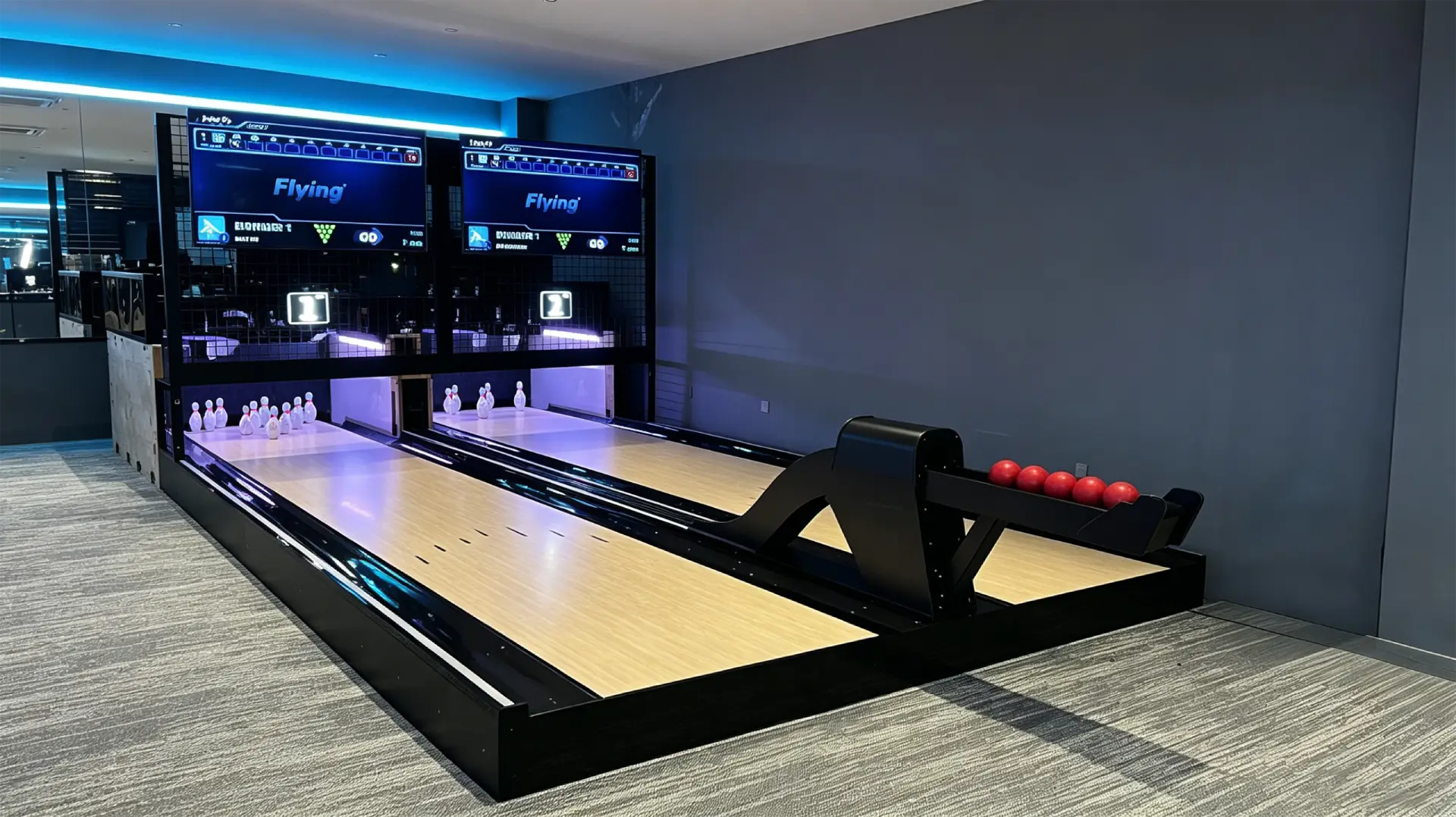
Flying Smart Duckpin Bowling Equipment for Commercial Venues
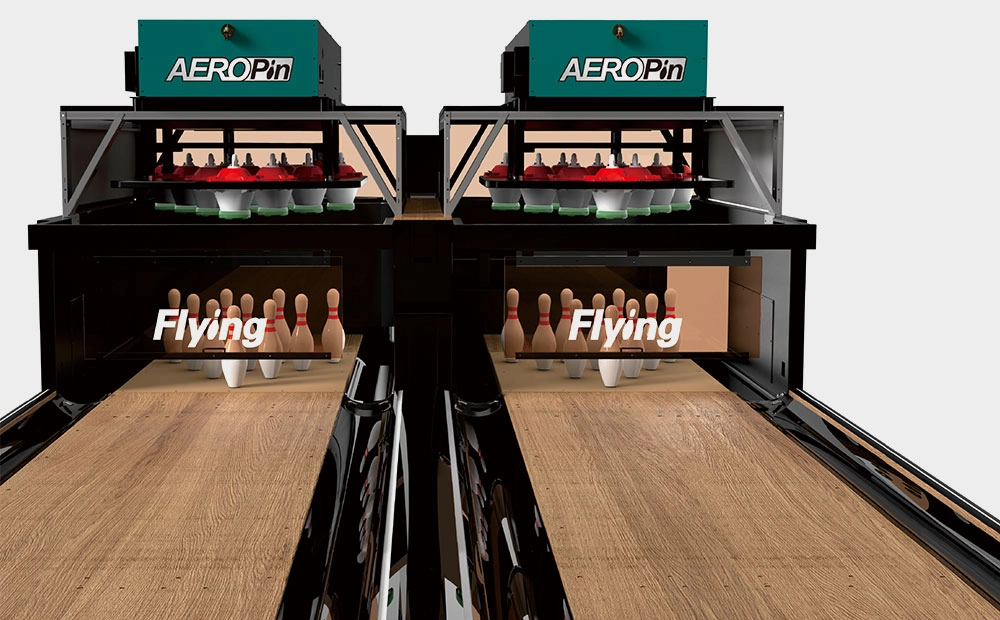
AEROPIN™ USBC-Certified String Pinsetter System
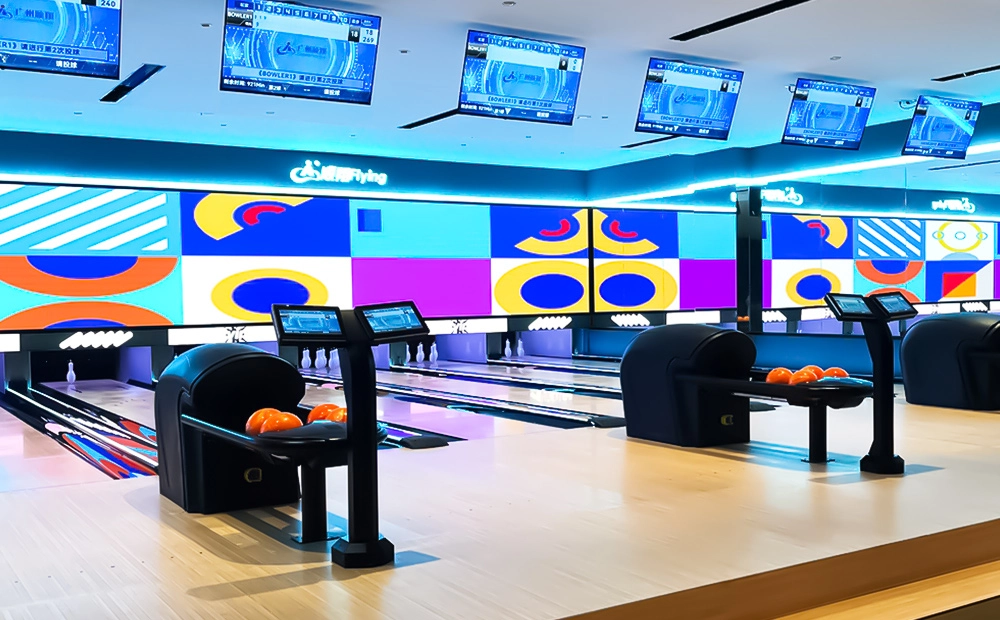
Medium Bowling Equipment for Compact Social Venues
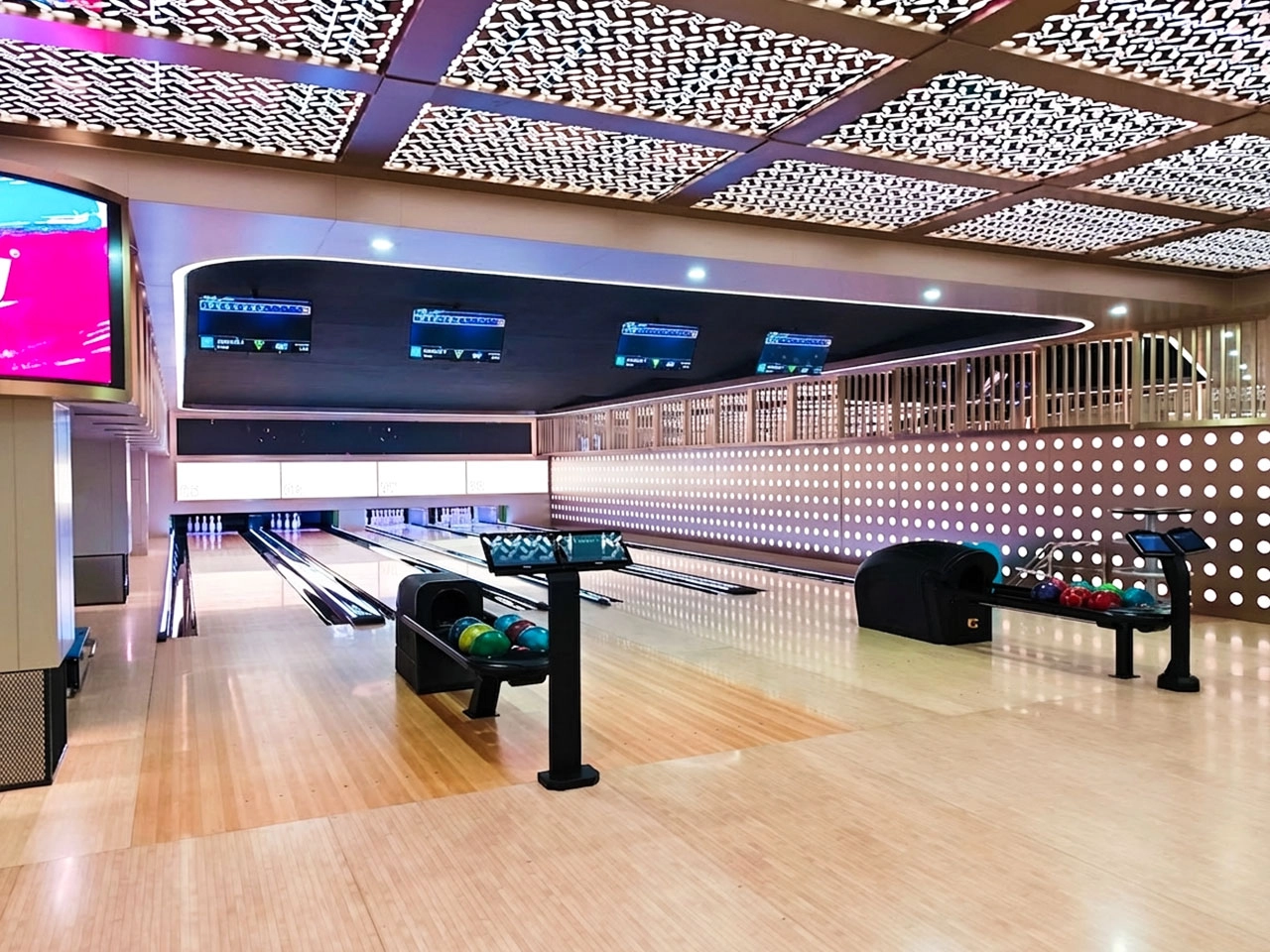
Complete Bowling Alley Equipment Package for Commercial Bowling Centers
You may also like
Build a commercial bowling venue with Flying’s complete string pinsetter bowling alley equipment package. The system includes the AEROPIN™ USBC-certified string pinsetter, customizable lanes, automatic scoring, ball return, lane lighting, pins, control hardware, and overseas installation support.
Designed for commercial bowling centers, family entertainment venues, hotels, resorts, bars, and premium private projects, this turnkey bowling system helps operators reduce sourcing complexity and prepare for reliable long-term operation.
Flying Smart Duckpin Bowling is a compact duckpin bowling equipment system designed for bars, family entertainment centers, hotels, resorts, cinemas, boutique bowling alleys, and social entertainment venues. With a standard 9.13m duckpin bowling lane, 1.25kg lightweight balls, automatic scoring, ball return, LED lighting, and a smart string pinsetter, it creates a fast-paced and easy-to-play bowling experience in a smaller footprint than traditional bowling.
The system is available as a turnkey duckpin bowling package, including lane equipment, a string pinsetter system, scoring hardware, control software, global shipping, installation guidance, and technical support.
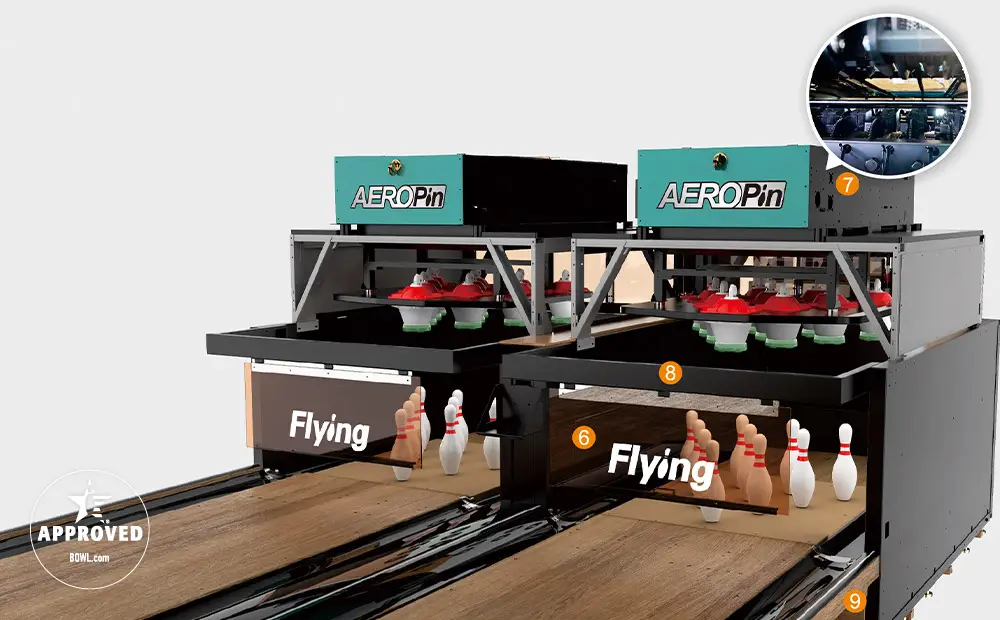
AEROPIN is Flying Bowling’s USBC-certified string pinsetter system for modern commercial bowling centers. Designed for fast pin setting, smooth ball return, low maintenance, and stable daily operation, it helps venue operators build league-ready and entertainment-focused bowling projects with confidence.
Flying Social Medium Bowling is a compact medium bowling equipment system designed for bars, cafes, family entertainment centers, community leisure venues, hotels, resorts, and small indoor entertainment spaces. With customizable lane lengths from 9.6m to 18m, small balls, lighter pins, string pinsetter technology, ball return, and automatic scoring, it creates an easy-to-play social bowling experience for players of different ages and skill levels.
Compared with full-size standard bowling, medium bowling requires less space and offers a more casual, interactive format. It is a practical choice for venues that want to add a bowling attraction without building a full commercial bowling alley.
Contact Flying
Start your bowling alley project
If you contact us now for more details, we can provide you with a custom bowling alley service. Our service team will get back to you within 24 hours normally!
© 2026 Flying BOWLING. Designed by gooeyun.
FOLLOW US:

Flying Bowling
Flying Bowling
Flyingbowling
Flyingbowling
Flyingbowling