


The latest trends for bowling string pinsetter in 2026 | Flying Bowling Ultimate Insights
- Market dynamics reshaping bowling center investments
- Demand drivers and customer intent
- Geographic growth and distribution channels
- Why bowling string pinsetters lead 2026 innovation
- Technology advances: IoT, predictive maintenance and smart diagnostics
- Operational advantages: quieter, safer, and more serviceable
- Energy efficiency and sustainability
- Design, installation and retrofitting considerations
- Site planning and lane layout
- Integrating ball return, scoring and alley software
- Retrofit vs. new build: timelines and disruption
- Case studies, standards and a practical buying guide
- Comparative overview: string pinsetter vs free-fall pinsetter
- Relevant standards and authoritative references
- Buying checklist and ROI considerations
- Conclusion and forward-looking recommendations
- Frequently Asked Questions (FAQs)
- Are string pinsetters suitable for league or sanctioned play?
- How much maintenance does a string pinsetter require compared to traditional systems?
- Can existing alleys be retrofitted to string pinsetters?
- What should I look for in supplier support and warranties?
- How do I measure the ROI for replacing pinsetters?
In 2026, bowling string pinsetters are accelerating adoption across recreational and family entertainment centers due to advances in IoT-enabled predictive maintenance, lower lifecycle costs, quieter operation, and simplified installation. This article analyzes market drivers, technological innovations, retrofit and design best practices, standards references, and a practical buying checklist to help operators, architects, and distributors make informed decisions about adopting string-pin technology.
Market dynamics reshaping bowling center investments
Demand drivers and customer intent
Bowling operators in 2026 are increasingly prioritizing lower total cost of ownership (TCO), faster installation, and guest experience. The rise of family entertainment centers (FECs), boutique bowling venues, and mixed-use leisure complexes means operators often prefer solutions that maximize floor flexibility, reduce noise, and lower maintenance labor. Many prospective buyers searching for bowling string pinsetter are evaluating systems not only by upfront cost but by long-term reliability, parts availability, and integration with modern scoring and POS systems.
Geographic growth and distribution channels
Emerging markets in Latin America, Southeast Asia, and parts of the Middle East continue to expand bowling installations, while mature markets in North America and Europe focus on modernization and retrofits. Flying Bowling's global branches in the United States, South America, Europe, and the Middle East allow local sales, installation, and after-sales support—critical factors for customers seeking quick response times and localized service.
Why bowling string pinsetters lead 2026 innovation
Technology advances: IoT, predictive maintenance and smart diagnostics
One of the most significant 2026 trends is embedding sensors and connected diagnostics into string pinsetters. Modern units can monitor motor currents, string tension, cycle counts, and pin detection data in real time. When combined with cloud analytics, these sensors enable predictive maintenance alerts that reduce unplanned downtime and optimize parts inventory. Operators benefit from lower mean time to repair (MTTR) and data-driven maintenance scheduling—especially important for venues with multiple lanes.
Industry-level research shows that industrial IoT adoption improves uptime and lowers maintenance cost when implemented correctly; see analyses on IoT and industrial transformation for broader context: McKinsey on IoT.
Operational advantages: quieter, safer, and more serviceable
Compared with traditional free-fall pinsetters, string pinsetters generally offer quieter operation and simpler mechanical design. These factors matter in FECs where ambient noise and vibe affect guest experience. String systems typically have fewer moving heavy parts below the deck, which can translate to simplified maintenance routines and safer access for technicians. Spare parts are modular and often cheaper to stock, making them attractive for operators focusing on predictable operating budgets.
Energy efficiency and sustainability
Energy consumption and sustainability are growing considerations for venue owners and municipal developers. String pinsetters often consume less peak power and have simpler drive systems, contributing to lower energy usage per lane—especially when paired with LED lane lighting and energy-efficient ball returns. As operators pursue green certification or reduced utility costs, these efficiencies are an increasingly persuasive selling point.
Design, installation and retrofitting considerations
Site planning and lane layout
Planning for a string pinsetter requires early coordination between architects, mechanical contractors, and the bowling equipment supplier. Critical considerations include pit depth, power distribution, cable routing for networked diagnostics, and access panels for maintenance. Flying Bowling provides integrated solutions—Medium Bowling (FSMB), Standard Bowling (FCSB), Duckpin (FSDB), and Mini Bowling (FCMB)—which can simplify procurement and ensure component compatibility.
Integrating ball return, scoring and alley software
Modern venues demand seamless guest flow from scoring to lane play to food & beverage ordering. String pinsetter systems must integrate with automatic scoring, reservation platforms, and POS via open APIs or standard protocols. When evaluating suppliers, request demonstration of API support and examples of integrations in live centers. Flying Bowling offers ball return machines and accessories engineered for compatibility with contemporary scoring systems and can support local installation and IT integration.
Retrofit vs. new build: timelines and disruption
Retrofitting existing alleys to string pinsetters is often faster and less invasive than full free-fall pinsetter replacements, especially in venues aiming to stay operational. A typical retrofit timeline for a single 6-lane zone can be completed within days to a few weeks depending on scope, whereas full free-fall replacements often require longer pit modifications. Always request a detailed project schedule that includes factory acceptance testing, on-site commissioning, and technician training.
Case studies, standards and a practical buying guide
Comparative overview: string pinsetter vs free-fall pinsetter
| Feature | String Pinsetter | Free-Fall Pinsetter |
|---|---|---|
| Initial cost | Typically lower to mid-range | Often higher (more complex mechanics) |
| Maintenance complexity | Simpler, modular parts, easier access | More complex mechanics, higher skill required |
| Noise | Quieter operation—better for entertainment venues | Louder, heavier machinery |
| Acceptance for competitive play | Widely used in recreational play; competitive acceptance varies by league | Standard for many sanctioned leagues |
| Energy use | Generally lower peak power | Higher mechanical power demands |
Relevant standards and authoritative references
When evaluating equipment, seek suppliers who conform to recognized manufacturing and safety standards. Useful references include the United States Bowling Congress (USBC) for rules and equipment guidance (USBC), and background on pinsetter technology found in industry summaries like the Wikipedia entry on pinsetters (Pinsetter — Wikipedia). For manufacturing quality management, ISO standards such as ISO 9001 are relevant when assessing supplier processes.
Buying checklist and ROI considerations
Checklist items operators should evaluate before purchase:
- Lifecycle cost analysis including spare parts, labor and downtime.
- Availability of local installation and after-sales support (Flying Bowling has regional branches for fast response).
- Connectivity options (LAN/Wi‑Fi, API access for scoring/POS integration).
- Energy consumption data and noise level specifications.
- Warranty terms, training packages, and distribution of critical spares.
Return on investment depends on utilization, labor cost savings, and downtime reduction. Request suppliers to provide references and documented case studies of similar-sized venues.
Conclusion and forward-looking recommendations
By 2026, string pinsetters will be an increasingly attractive option for many bowling operators—especially FECs, entertainment centers, and venues prioritizing guest experience, modular maintenance and lower TCO. Key trends are the infusion of IoT-enabled predictive maintenance, energy-efficient designs, and simplified retrofitting processes. Operators considering an upgrade should evaluate systems on integration capabilities, local support, and long-term parts availability.
Flying Bowling, founded in 2005, specializes in R&D and manufacture of bowling string pinsetters and ball return machines with a 10,000+ square-meter workshop, and has successfully delivered products (FSMB, FCSB, FSDB, FCMB) to over 3,000 customers worldwide. Learn more about our solutions at Flying Bowling.
Frequently Asked Questions (FAQs)
Are string pinsetters suitable for league or sanctioned play?
Acceptance of string pinsetters for sanctioned league play varies by governing body and region. While string systems are widely used in recreational and commercial installations, many competitive leagues still use free-fall pinsetters due to traditional performance expectations. Consult local sanctioning bodies such as the USBC for current equipment rules and guidance.
How much maintenance does a string pinsetter require compared to traditional systems?
String pinsetters generally have fewer heavy mechanical components beneath the lane and use modular replaceable parts, which tends to reduce routine maintenance time and complexity. With IoT-enabled diagnostics, preventive maintenance can be scheduled more accurately—minimizing reactive repairs.
Can existing alleys be retrofitted to string pinsetters?
Yes—many operators choose retrofits because string pinsetters often require less invasive pit work. Retrofit scope should be evaluated by experienced technicians who can produce a timeline, cost estimate, and disruption plan. Flying Bowling provides retrofit services and can help assess feasibility for specific venues.
What should I look for in supplier support and warranties?
Prioritize suppliers with local presence or certified distributor networks, clear warranty terms, documented spare parts lists, and training programs for technicians. Ask for references from similar installations and inspect the supplier's quality management credentials (e.g., ISO practices).
How do I measure the ROI for replacing pinsetters?
ROI should consider total acquisition cost, expected reduction in maintenance labor, parts expenditure, energy savings, and potential revenue increase from improved guest satisfaction and reduced downtime. Request suppliers to model ROI scenarios using your venue's utilization data.
References and further reading: Pinsetter — Wikipedia, United States Bowling Congress (USBC), ISO 9001 — Quality Management, McKinsey — The Internet of Things, Flying Bowling official site.
For tailored advice and detailed quotes, contact Flying Bowling at jackson@flyingbowling.com.
Recommended products
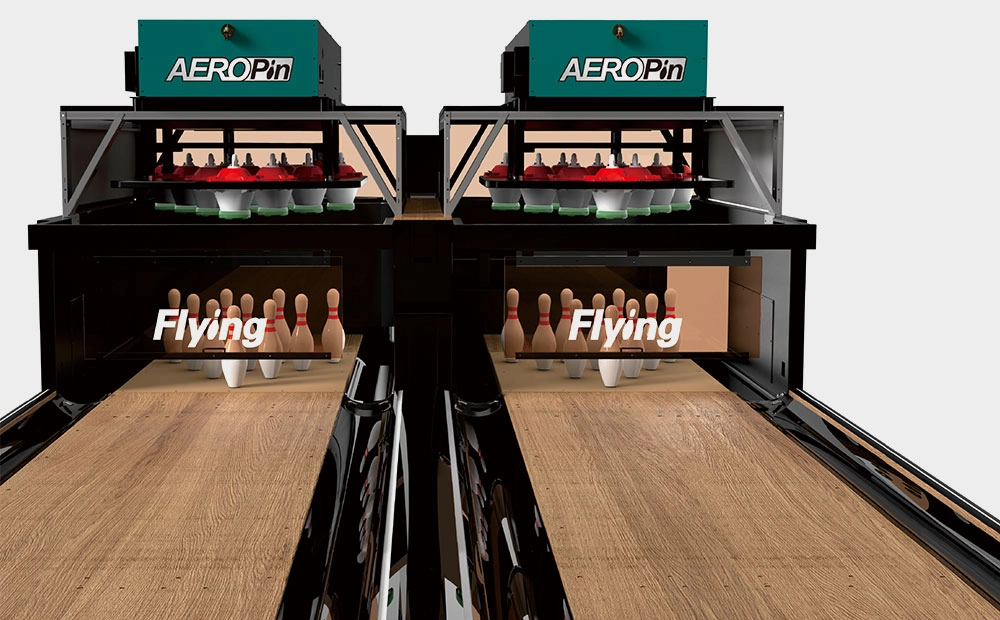
USBC-Certified AEROPIN String Pinsetter System
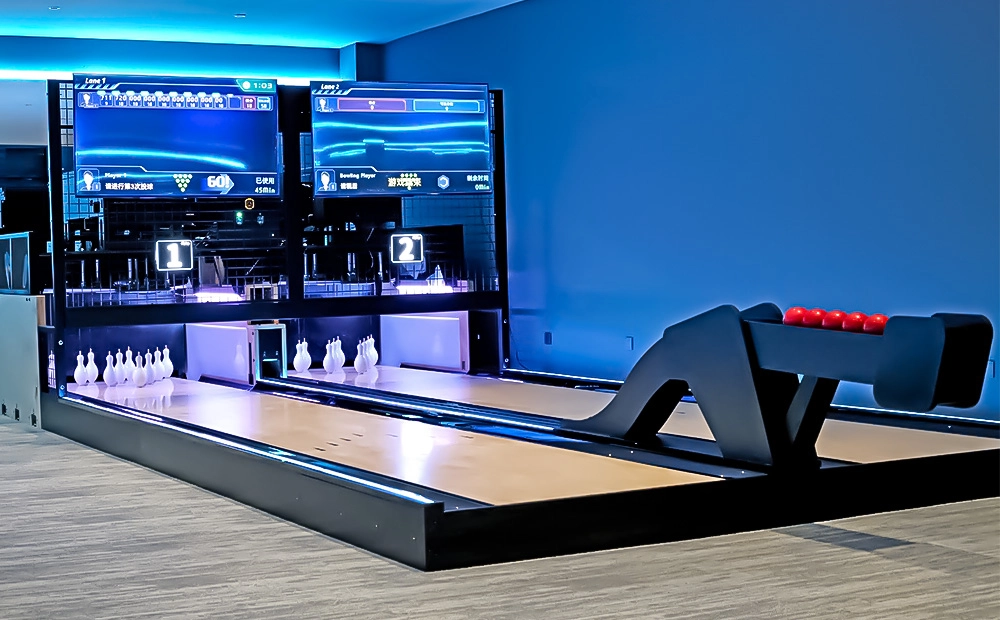
Flying Smart Duckpin Bowling Equipment and Lane System for Commercial Venues
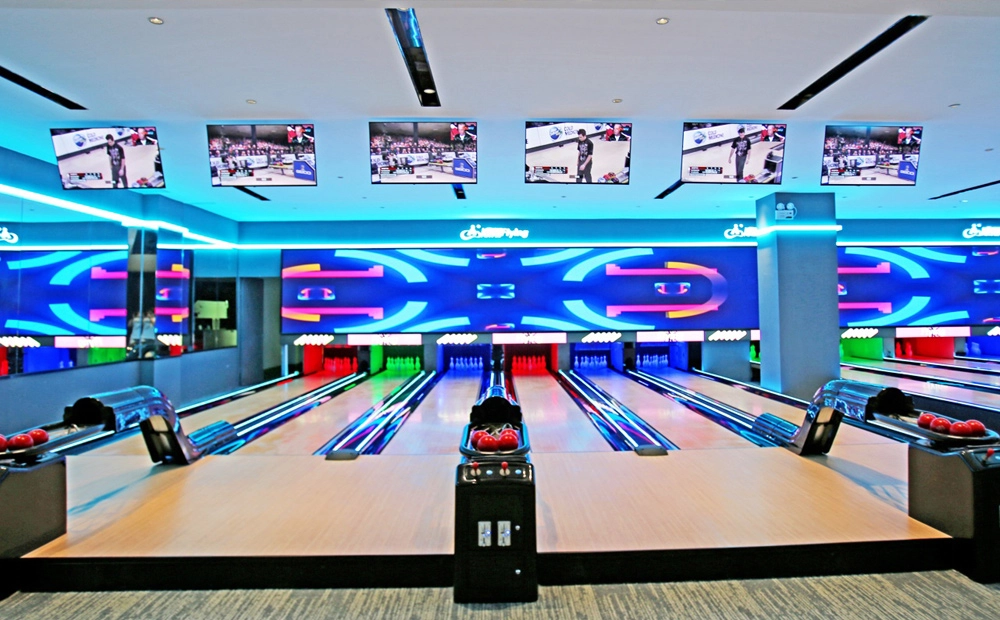
Mini Bowling Equipment for Kids and Family Entertainment Venues
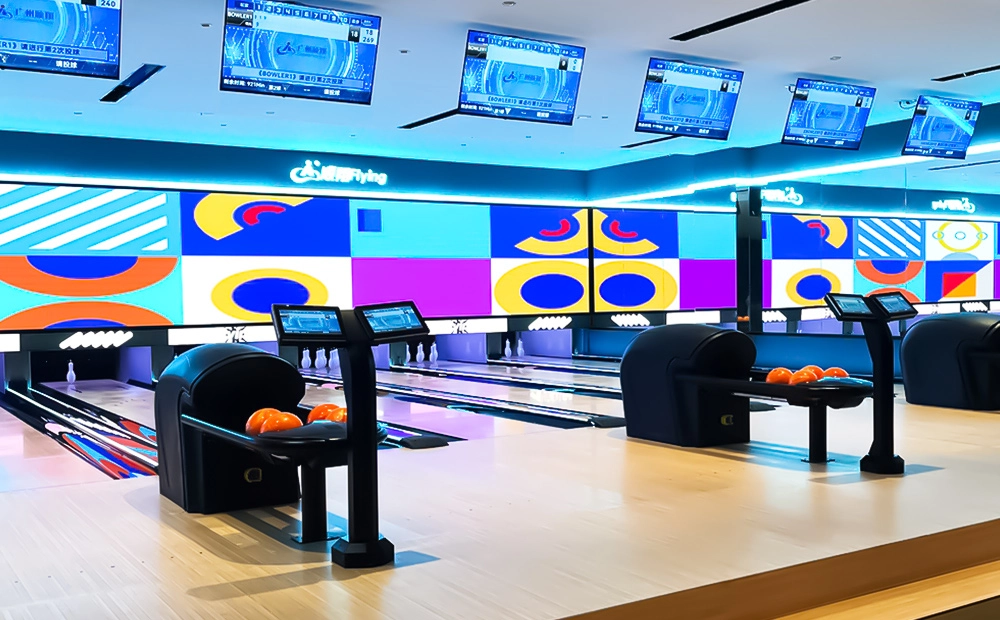
Medium Bowling Equipment for Social Entertainment Venues
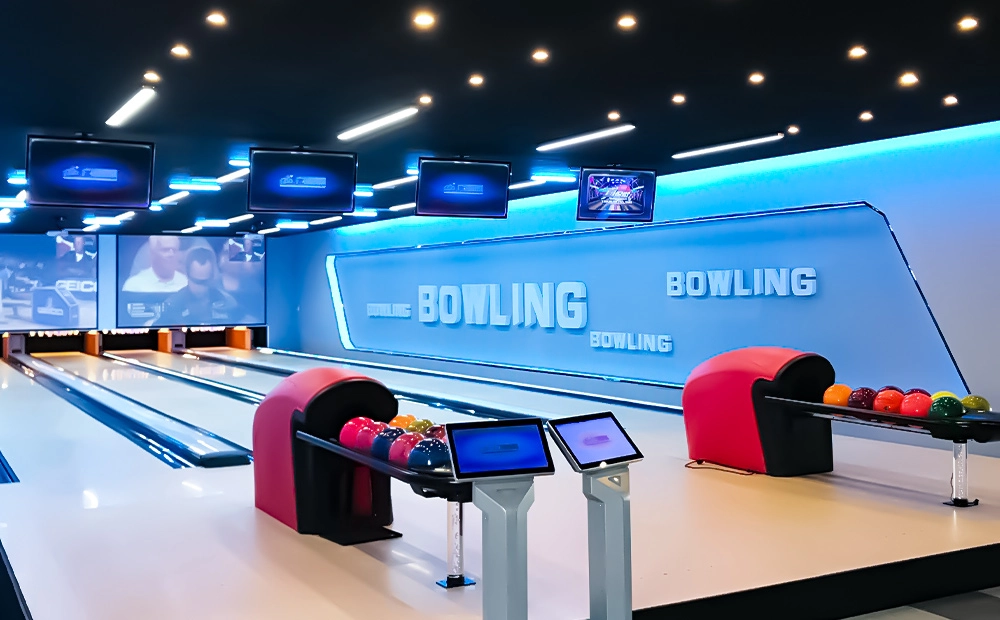
Complete String Pinsetter Bowling Alley Equipment System
You may also like
Flying Smart Duckpin Bowling (FSDB) innovative design, standard 9.2-meter short lane, can be shortened in length, compact layout suitable for small spaces. The game rules are simple but challenging, attracting players of different ages to actively participate.
Suitable for social entertainment venues such as bars, billiard halls, and game centers, it not only enhances interactivity but also increases the popularity and consumption frequency of the venue. The fun and competitive nature of FSDB will make it a new focus of social activities.
Flying Classic Standard Bowling (FCSB) is designed according to international competition standards and equipped with an accurate automatic scoring system, providing bowling enthusiasts with a pure professional experience. Whether it is for competitions or leisure entertainment, FCSB can meet high-level needs.
Suitable for family entertainment centers, luxury resorts, private villas, or clubs, it is an ideal choice for customers who pursue high-end quality and professional experience. Its classic design and excellent performance will add lasting appeal to the venue.
Flying Cute Mini Bowling (FCMB) is a mini bowling experience designed for children and families. The lane length is fixed at 12 meters, equipped with lightweight balls without finger holes (only 1.25kg) and small pins, specially designed for children and family fun.
It can not only help children feel the fun of bowling, but also stimulate their interest and competitive consciousness. Suitable for children's playgrounds, theme parks and parent-child centers, it is the best choice for places focusing on the children's market.
Flying Social Medium Bowling (FSMB) is tailored for small venues, with flexible lane lengths (customizable from 9.6 meters to 18 meters), a small ball design suitable for players of all ages, and light pins that are easier to knock down, increasing participation and fun.
Whether it is a gathering of friends or a casual social, FSMB can easily create a relaxed and pleasant atmosphere. Its efficient space-utilization design is particularly suitable for cafes, bars and community entertainment venues, allowing people to fall in love with bowling in a relaxed interaction.
Contact Flying
Start your bowling alley project
If you contact us now for more details, we can provide you with a custom bowling alley service. Our service team will get back to you within 24 hours normally!
© 2026 Flying BOWLING. Designed by gooeyun.
FOLLOW US:
Flying Bowling
Flying Bowling
Flyingbowling
Flyingbowling