

Unveiling the Dimensions of a Bowling Lane: A Guide by Flying Bowling
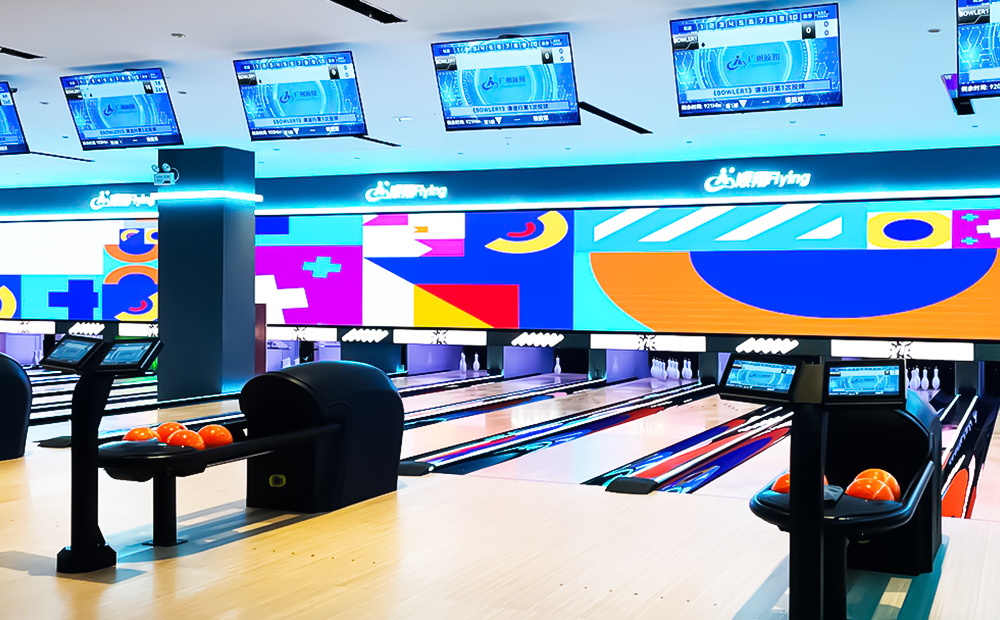
The dimensions of a bowling lane play a crucial role in determining the overall experience for bowlers. As a skilled SEO content writer fluent in English, I understand the importance of creating a detailed, SEO-optimized article that will be informative and engaging for readers. In this blog post, we will explore the various dimensions of a bowling lane, shedding light on the key measurements and specifications that define the ideal bowling experience. Whether you're a professional bowler or a casual enthusiast, understanding these dimensions is essential for optimizing your performance and enjoyment on the lanes.
Introducing the Bowling Lane
Before we dive into the specific dimensions of a bowling lane, it's important to understand the basic layout of this iconic recreational space. A traditional bowling lane is a long, narrow surface with polished wood or synthetic materials, featuring a series of clearly defined markings and structures. The lane is divided into distinct sections, each with its own purpose and significance in the game of bowling.
Key Measurements and Specifications
Now, let's take a closer look at the key measurements and specifications that define the dimensions of a bowling lane. These include the length and width of the lane, as well as the positioning of the various components that make up the playing area.
1. Length of the Lane
The length of a standard bowling lane is one of its most defining characteristics. A regulation lane measures 60 feet from the foul line to the head pin, providing ample space for bowlers to release the ball and watch it travel towards the pins. This length is carefully calibrated to ensure a fair and balanced playing field for all participants.
2. Width of the Lane
In addition to its length, the width of a bowling lane is another important dimension to consider. A standard lane is 41.5 inches wide, with carefully polished surfaces to facilitate the smooth movement of the bowling ball. This width allows for precise and accurate ball delivery, enhancing the overall precision and skill required for the game.
3. Approach Area
The approach area of a bowling lane refers to the section where bowlers make their approach and release the ball. This area typically spans a distance of 15 feet, providing ample space for bowlers to build momentum and execute their shots with confidence and control. The approach area is designed to promote a smooth and fluid bowling motion, contributing to the overall dynamics of the game.
4. Pin Deck
At the end of the lane lies the pin deck, a crucial component that houses the ten bowling pins. The pin deck measures 2 feet by 60 feet and is meticulously maintained to ensure consistent pin placement and visibility for bowlers. This area plays a pivotal role in determining the outcome of each frame, making it essential to understand its dimensions and layout.
Optimizing the Bowling Experience
Understanding the dimensions of a bowling lane is essential for optimizing the overall experience for bowlers. By familiarizing yourself with the key measurements and specifications of the lane, you can fine-tune your approach, execution, and strategy to achieve better results on the lanes. Whether you're aiming for a perfect game or simply looking to improve your skills, a comprehensive understanding of these dimensions will undoubtedly elevate your performance and enjoyment in the game of bowling.
In conclusion, the dimensions of a bowling lane are integral to the overall dynamics of the game. By delving into the specifics of the length, width, approach area, and pin deck, bowlers can gain valuable insights into how to optimize their performance and experience on the lanes. With this knowledge in hand, you can take your bowling game to new heights and enjoy the thrill of hitting the perfect strike.
FAQs:
1. What are the dimensions of a regulation bowling lane?
- The standard length of a regulation bowling lane is 60 feet, while the width is 41.5 inches.
2. How long is the approach area on a bowling lane?
- The approach area on a bowling lane spans a distance of 15 feet.
3. What is the size of the pin deck on a bowling lane?
- The pin deck measures 2 feet by 60 feet and houses the ten bowling pins at the end of the lane.
4. Why is it important to understand the dimensions of a bowling lane?
- Understanding the dimensions of a bowling lane is essential for optimizing performance and enjoyment on the lanes, providing valuable insights for bowlers of all skill levels.
Recommended products
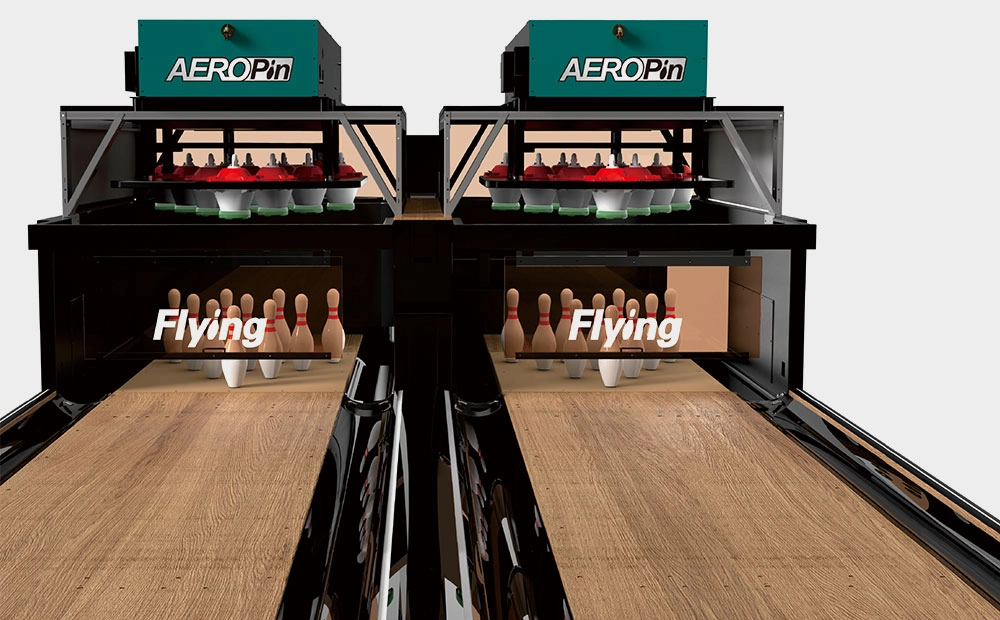
USBC-Certified New-Generation Standard Bowling String Pinsetter System (AEROPIN)
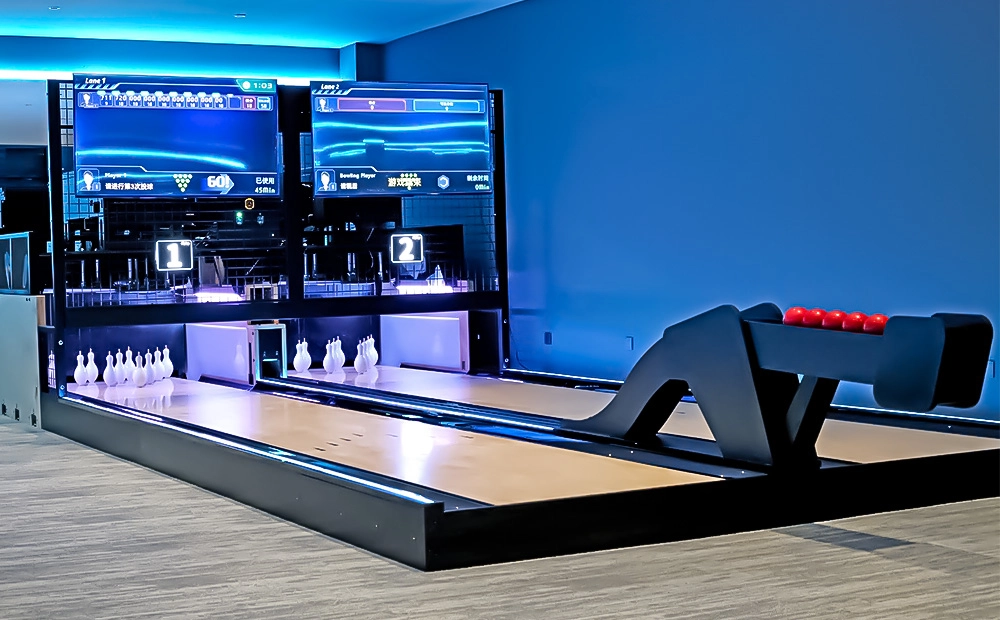
Flying Smart Duckpin Bowling
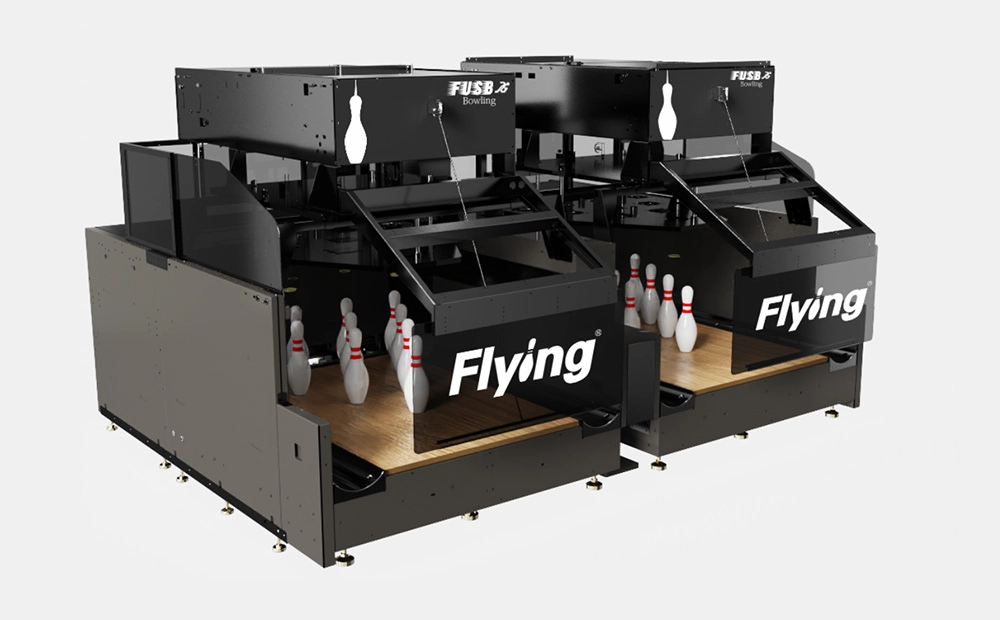
Flying Ultra Standard Bowling String Pinsetter
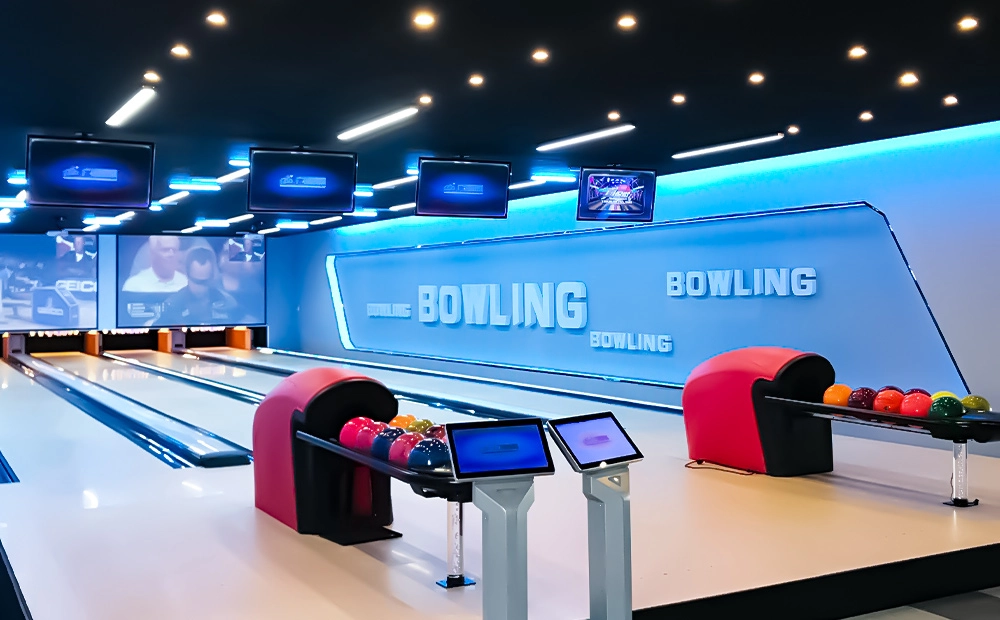
Complete Set Of String Pinsetter Bowling Lane Equipment
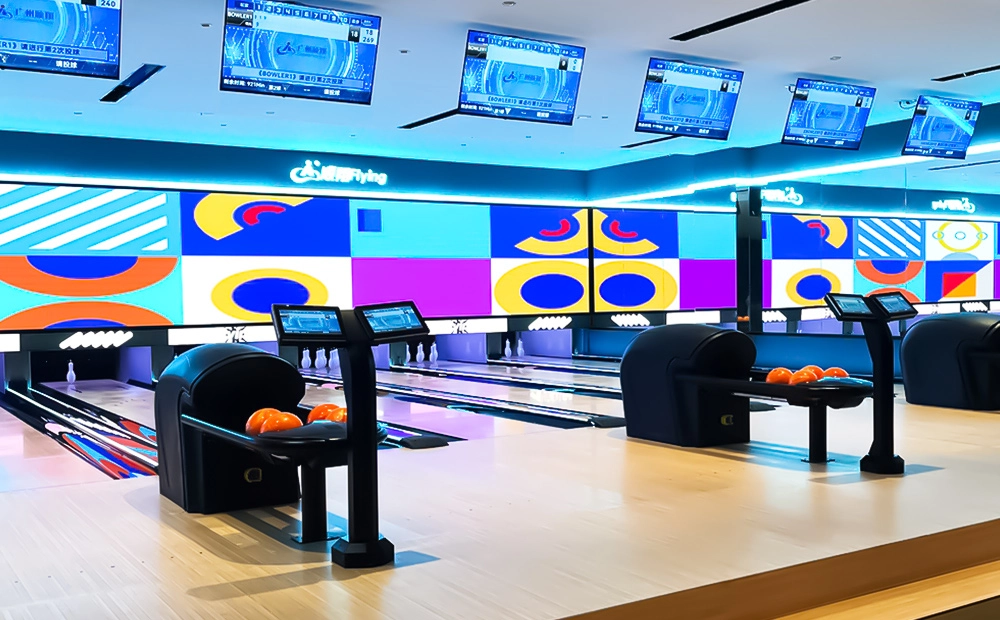
Indoor Medium Duckpin Bowling Lane Equipment For Bowling Alley
Bowling Equipment
How to maintain the mechanical equipment of a bowling alley?
Fairway boards and equipment require regular maintenance. Fairway boards need to be oiled every half month and cleaned daily to extend their service life. At the same time, the condition of the rope and ball return machine needs to be checked every period of time to ensure the normal operation of the equipment. Specifically, we will give you detailed maintenance manuals and videos to teach you how to maintain.
Where to buy bowling equipment?
If you need bowling equipment, you are welcome to join Flying. We can meet all your needs for bowling equipment. Please believe that we must be the best choice, and our products will definitely satisfy you.
Where to buy bowling equipment near me?
If you want to buy bowling equipment, please contact Guangzhou Flying. We will definitely provide you with the best service.
What basic equipment is needed for bowling?
Bowling needs lots of equipment, but the most important parts are the fairway boards and the string pinsetter equipment.
Price
How much does a bowling lane cost ?
The cost of a single bowling lane falls between $75,000 and $80,000 for a standard lane. Here's a breakdown considering different factors:
New vs. Used:
New lanes naturally cost more than used ones.
Features:
Automatic scoring systems or other customizations can increase the price.
Home vs. Commercial:
Lane installations for homes may cost slightly more to account for special adjustments.
It's important to note that this is just the lane itself. The total cost of building an entire bowling alley will include additional costs for installation, surrounding infrastructure, and any amenities you include.
You may also like
Flying Smart Duckpin Bowling (FSDB) innovative design, standard 9.2-meter short lane, can be shortened in length, compact layout suitable for small spaces. The game rules are simple but challenging, attracting players of different ages to actively participate.
Suitable for social entertainment venues such as bars, billiard halls, and game centers, it not only enhances interactivity but also increases the popularity and consumption frequency of the venue. The fun and competitive nature of FSDB will make it a new focus of social activities.
Flying Classic Standard Bowling (FCSB) is designed according to international competition standards and equipped with an accurate automatic scoring system, providing bowling enthusiasts with a pure professional experience. Whether it is for competitions or leisure entertainment, FCSB can meet high-level needs.
Suitable for family entertainment centers, luxury resorts, private villas, or clubs, it is an ideal choice for customers who pursue high-end quality and professional experience. Its classic design and excellent performance will add lasting appeal to the venue.
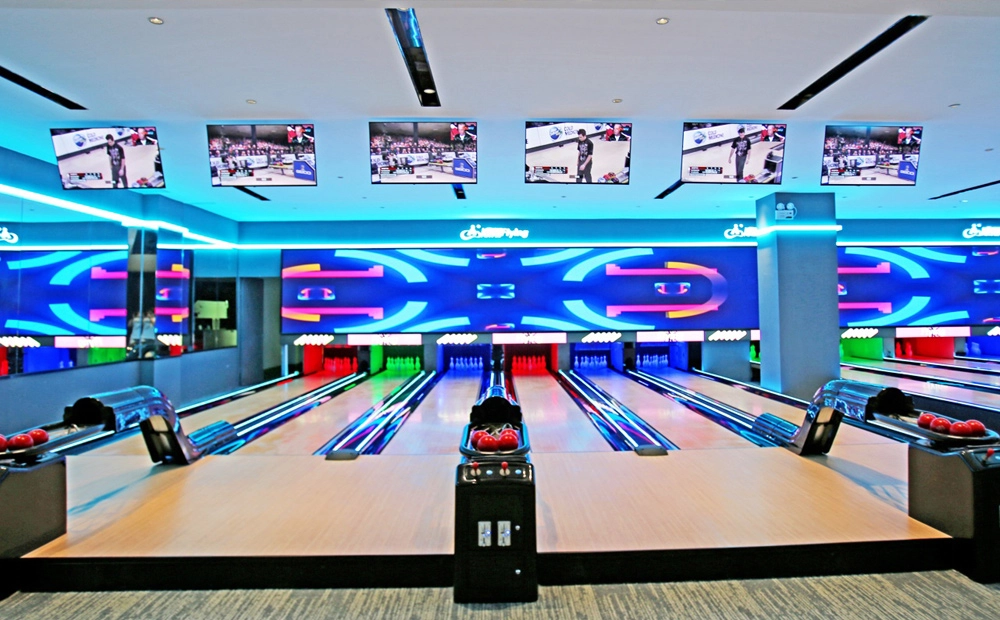
Flying Cute Mini Bowling (FCMB) is a mini bowling experience designed for children and families. The lane length is fixed at 12 meters, equipped with lightweight balls without finger holes (only 1.25kg) and small pins, specially designed for children and family fun.
It can not only help children feel the fun of bowling, but also stimulate their interest and competitive consciousness. Suitable for children's playgrounds, theme parks and parent-child centers, it is the best choice for places focusing on the children's market.
Flying Social Medium Bowling (FSMB) is tailored for small venues, with flexible lane lengths (customizable from 9.6 meters to 18 meters), a small ball design suitable for players of all ages, and light pins that are easier to knock down, increasing participation and fun.
Whether it is a gathering of friends or a casual social, FSMB can easily create a relaxed and pleasant atmosphere. Its efficient space-utilization design is particularly suitable for cafes, bars and community entertainment venues, allowing people to fall in love with bowling in a relaxed interaction.
Contact Flying
Start your bowling alley project
If you contact us now for more details, we can provide you with a custom bowling alley service. Our service team will get back to you within 24 hours normally!
© 2026 Flying BOWLING. Designed by gooeyun.
FOLLOW US:

Flying Bowling
Flying Bowling
Flyingbowling
Flyingbowling