

The Ultimate Guide to Bumper Bowling: Fun, Facts, and Perfect Strikes for Everyone in 2026
A comprehensive guide to bumper bowling, covering its invention by Phil Kinzer, mechanical workings, benefits for beginners and adaptive bowlers, etiquette, and expert tips for transitioning to traditional play.
- Introduction: Dive into the Fun of Bumper Bowling!
- What Exactly is Bumper Bowling? A Definitive Explanation
- Dispelling the Myths
- How Do Bowling Bumpers Work? The Mechanics Behind the Fun
- Retractable Systems
- Inflatable Systems
- The Rich History and Evolution of Bumper Bowling
- Who Benefits Most from Bumper Bowling? More Than Just Kids!
- Master the Lane: Tips and Tricks for Bumper Bowling Success
- Bumper Bowling vs Regular Bowling
- Bumper Bowling Etiquette and Safety: Play Smart, Play Safe
- The "No-Slam" Rule
- Lane Courtesy
- Bumper Bowling for Parents and Coaches: Guiding Young Bowlers
- The Path Forward: Transitioning from Bumper to Traditional Bowling
- Troubleshooting Common Bumper Bowling Issues
- Conclusion: Embrace the Joy of Bumper Bowling
- Frequently Asked Questions
- What is the main purpose of bumper bowling?
- At what age can kids start bumper bowling?
- Can adults use bumper lanes?
- Are all bowling alleys equipped with bumper lanes?
- How do I request bumpers for my lane?
- Is bumper bowling considered 'cheating'?
- Can bumper bowling help improve my regular bowling game?
- What are the different types of bowling bumpers?
- References
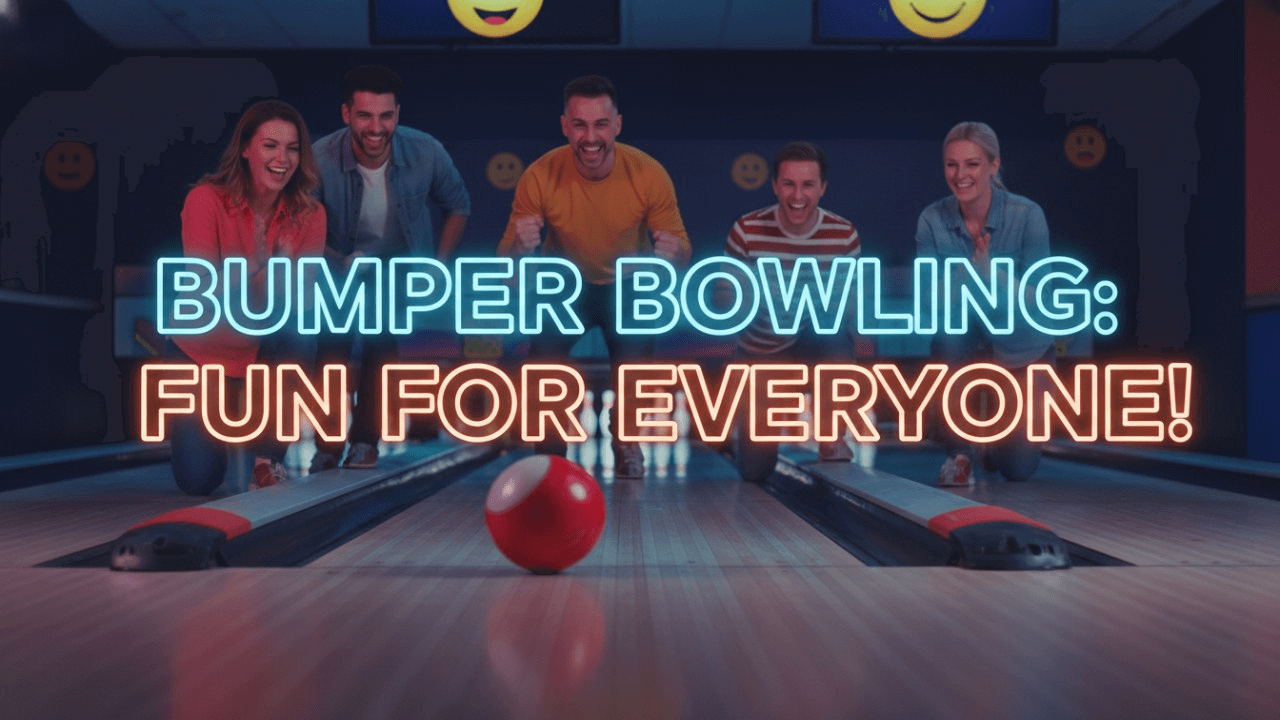
Introduction: Dive into the Fun of Bumper Bowling!
For many, the distinct sound of a bowling ball trundling harmlessly into the gutter is the soundtrack of frustration. But thanks to a simple yet revolutionary invention, that sound is becoming a thing of the past for beginners. Bumper bowling has transformed the sport from a game of precision punishment into an accessible, joy-filled experience for everyone. Whether you are a parent introducing a toddler to the lanes or an adult looking for a stress-free night out, understanding how do bowling bumpers work and how to utilize them can change your entire perspective on the game.
In this comprehensive guide, we will go far beyond the basics. We will explore the fascinating mechanics behind the rails, the surprisingly rich bumper bowling history, and the specific strategies—yes, strategies—you can use to maximize your score. By the end, you’ll understand why bowling lane bumpers are not just "training wheels," but a vital tool for inclusivity and fun.
What Exactly is Bumper Bowling? A Definitive Explanation
At its core, bumper bowling is a modification of the traditional sport where barriers are deployed along the gutters of the lane. These barriers prevent the ball from dropping off the playing surface, ensuring that every roll eventually reaches the pins.
While often associated exclusively with young children, bumper bowling serves a much wider demographic. It is a critical feature for adaptive bowling programs, allowing individuals with physical limitations to participate fully. Furthermore, it serves as a "confidence engine." As noted by LiveAbout, the primary goal is to eliminate the "pain of striking out," allowing new players to focus on the mechanics of the swing rather than the fear of failure.
Dispelling the Myths
One common misconception is that bumper bowling is "cheating." In reality, it is a sanctioned variation designed for recreational play and skill development. It levels the playing field, making the sport communal rather than exclusive to those with years of practice.
How Do Bowling Bumpers Work? The Mechanics Behind the Fun
To understand how do bowling bumpers work, one must look at the two primary systems used in alleys today: retractable and inflatable.
Retractable Systems
The industry standard in modern bowling centers is the electromechanical retractable rail. According to patent documents filed by innovators like Phil Kinzer, these systems use linear actuators or pneumatic lifts hidden beneath the lane or in the gutter channel. When a specific bowler is up—identified by the scoring computer—the system sends a signal to the actuators to raise the rails. These rails are typically made of high-strength steel or composite materials capable of withstanding the impact of a 16-pound ball.
Inflatable Systems
Older centers or temporary setups may use inflatable tubes. These are essentially long, heavy-duty balloons made of PVC or similar durable plastics. They are manually placed in the gutters. While effective, they lack the convenience of the automated systems that allow for "player-specific" deployment, where bumpers rise for a child and lower for the parent in the same game.
The Rich History and Evolution of Bumper Bowling
Bumper bowling history is a testament to a father's love and ingenuity. While early variations like "Carom Bowl" existed in the 1960s, the modern iteration is widely credited to Phil Kinzer. As detailed in an LA Times archive from 1989, Kinzer invented the concept in 1982 at his Jupiter Lanes Bowling Center in Dallas, Texas.
Kinzer was motivated by watching his three-year-old son cry after repeated gutter balls. His solution was primitive but effective: he placed cardboard carpet tubes in the gutters. The result was instant joy. Realizing the potential, Kinzer later patented a retractable rail system, transforming his DIY fix into a global industry standard. This invention single-handedly revitalized the family bowling demographic, turning frustration into excitement.
Who Benefits Most from Bumper Bowling? More Than Just Kids!
The bumper bowling benefits extend far beyond preventing tears at a birthday party.
· Children: The immediate feedback of hitting pins reinforces the cause-and-effect relationship of the throw, which is crucial for motor skill learning.
· Adult Beginners: Many adults avoid bowling due to embarrassment. Bumpers remove the social stigma of a zero score, encouraging participation in corporate events or social gatherings.
· Adaptive Bowlers: For individuals using ramps or wheelchairs, bumpers ensure that the effort of lining up a shot is always rewarded with pin contact, making the sport truly inclusive.
Master the Lane: Tips and Tricks for Bumper Bowling Success
Just because the gutters are blocked doesn't mean skill is irrelevant. Here is how to optimize your game:
1. The Angle of Incidence: Don't just throw the ball straight. If you aim for the bumper at a shallow angle effectively, you can create a "bank shot" that drives into the pocket (the space between the 1 and 3 pins).
2. Speed Control: Throwing too hard can cause the ball to bounce erratically off the rails. A controlled, moderate speed allows the ball to ride the rail toward the pins smoothly.
3. Ball Weight: Use a ball that you can control. For kids, the "two-handed shove" is effective, but ensure they aren't using a ball so heavy it damages the lane or their fingers.
Bumper Bowling vs Regular Bowling
When comparing bumper bowling vs regular bowling, the physics change slightly. In regular bowling, the lane is coated with oil patterns that dictate the ball's hook. In bumper bowling, while the oil is still present, the rails introduce a new variable: restitution (bounciness).
· Regular Bowling: Requires precision aiming at lane arrows and boards; error margin is zero near the edge.
· Bumper Bowling: Allows for geometric creativity. You can use the rail to correct a wide throw, effectively widening the playable area of the lane from ~41 inches to nearly 60 inches.
Bumper Bowling Etiquette and Safety: Play Smart, Play Safe
Even in a casual setting, bowling etiquette with bumpers is essential for safety and equipment preservation.
The "No-Slam" Rule
One of the most critical rules is to never intentionally hurl the ball at the bumpers at high speed. As noted in various bowling center guidelines, high-velocity impacts can damage the retractable arms or the rail itself.
Lane Courtesy
Just like in traditional play, respect the bowler on the adjacent lane. Wait for them to finish their approach before you step up. Furthermore, if you are an adult playing on a lane with mixed bumper settings, ensure the system has fully activated (or retracted) before you throw to avoid technical fouls.
Bumper Bowling for Parents and Coaches: Guiding Young Bowlers
For parents, the goal is to use bumpers as a scaffold, not a crutch. Start with the bumpers up to build confidence. As the child's coordination improves, challenge them to "play the middle"—trying to hit the pins without touching the rails. This gamifies the transition to regular bowling. A common coaching tip is to use the "arrows" on the lane as targets rather than the pins, teaching the child to look down-lane rather than at the bumpers.
The Path Forward: Transitioning from Bumper to Traditional Bowling
The transition should be gradual. Once a bowler consistently hits the pins without relying on the bank shot, they are ready to try a few frames without the rails. Praise the process, not just the result. Explain that gutter balls are part of learning. Many modern scoring systems allow you to toggle bumpers on/off per frame, allowing for a hybrid approach during this transition phase.
Troubleshooting Common Bumper Bowling Issues
Occasionally, technology fails. If the bowling lane bumpers do not rise for a specific player:
1. Check the Console: Ensure the player's profile is set to "Bumpers: ON" in the scoring monitor.
2. Don't Force It: Never try to pull the rails up manually. This can strip the gears of the linear actuator.
3. Notify Staff: Malfunctions are usually a quick reset at the front desk.
Conclusion: Embrace the Joy of Bumper Bowling
Bumper bowling rules are simple, but the impact is profound. By removing the barrier to entry, this innovation has preserved the sport's legacy for future generations. Whether you are leveraging the physics of a bank shot or simply enjoying the smile on a child's face, bumper bowling represents the best of the sport: inclusive, exciting, and fun. So next time you hit the lanes, don't shy away from the rails—embrace them as the bridge to your perfect strike.
Frequently Asked Questions
What is the main purpose of bumper bowling?
The main purpose of bumper bowling is to prevent the ball from falling into the gutters. This makes the game more accessible and enjoyable for beginners, children, and individuals with adaptive needs by ensuring the ball always reaches the pins.
At what age can kids start bumper bowling?
Kids can typically start as soon as they can safely handle a lightweight bowling ball (often around 3-4 years old). Ramps are also available for younger children to roll the ball down without lifting it.
Can adults use bumper lanes?
Absolutely. Adults often use bumpers if they are beginners, have physical limitations, or simply want a casual, frustration-free game. However, some competitive leagues strictly prohibit them.
Are all bowling alleys equipped with bumper lanes?
Most modern alleys feature automatic retractable bumpers. However, older facilities might still use manual inflatable tubes. It is always best to call ahead and confirm.
How do I request bumpers for my lane?
You can usually request them at the front desk upon check-in. In many modern centers, you can also toggle them on or off for specific players directly from the lane's touchscreen console.
Is bumper bowling considered 'cheating'?
No, it is a recognized variation of the sport designed for recreation and skill-building. It is not used in professional sanctioning, but for casual play, it is entirely legitimate.
Can bumper bowling help improve my regular bowling game?
Yes, by removing the fear of the gutter, it allows you to relax and focus on your approach, arm swing, and release consistency, which are foundational skills for traditional bowling.
What are the different types of bowling bumpers?
The two main types are retractable bumpers (mechanical rails integrated into the lane) and inflatable bumpers (tubes placed manually in the gutters).
References
· LiveAbout: Bumper Bowling Invention and Effect on Bowling
· Los Angeles Times: Pinning Down Bowling for Youngsters
· Bowling for Beginners: Bowling Bumpers: What Are Bumpers and How Do They Work?
Recommended products
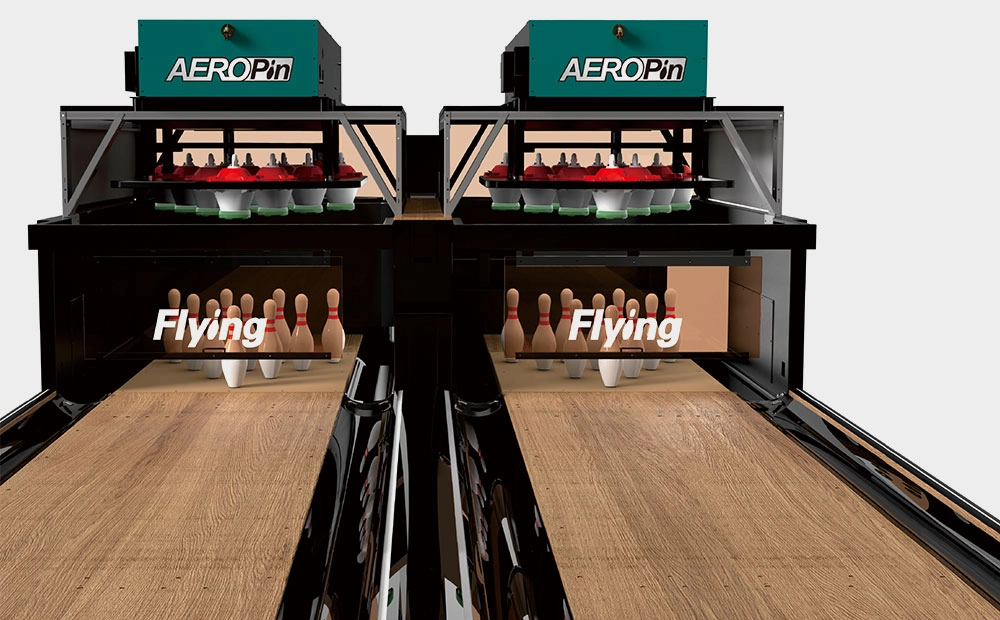
USBC-Certified New-Generation Standard Bowling String Pinsetter System (AEROPIN)
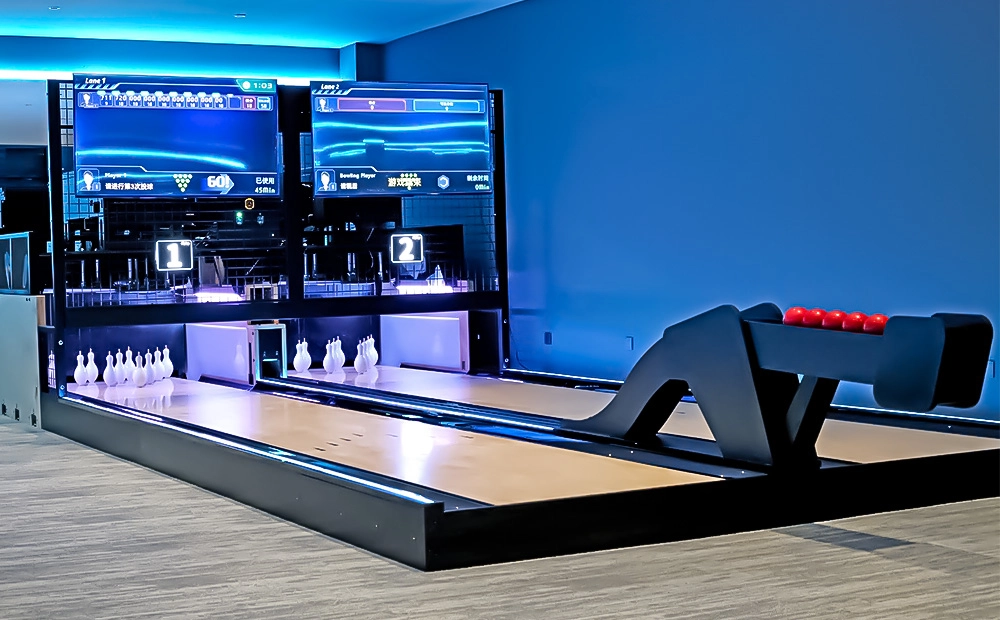
Flying Smart Duckpin Bowling
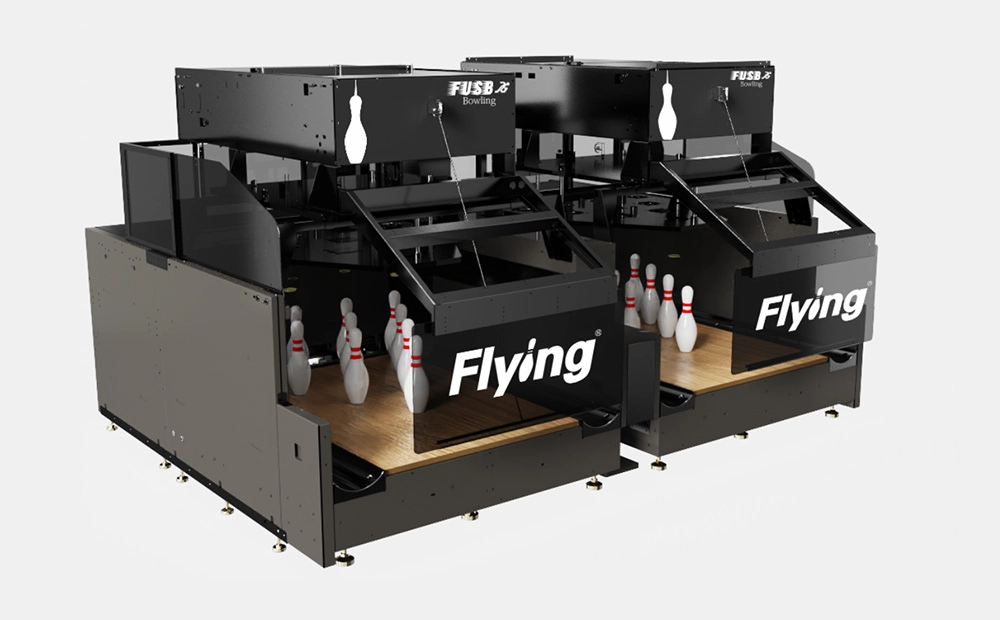
Flying Ultra Standard Bowling String Pinsetter
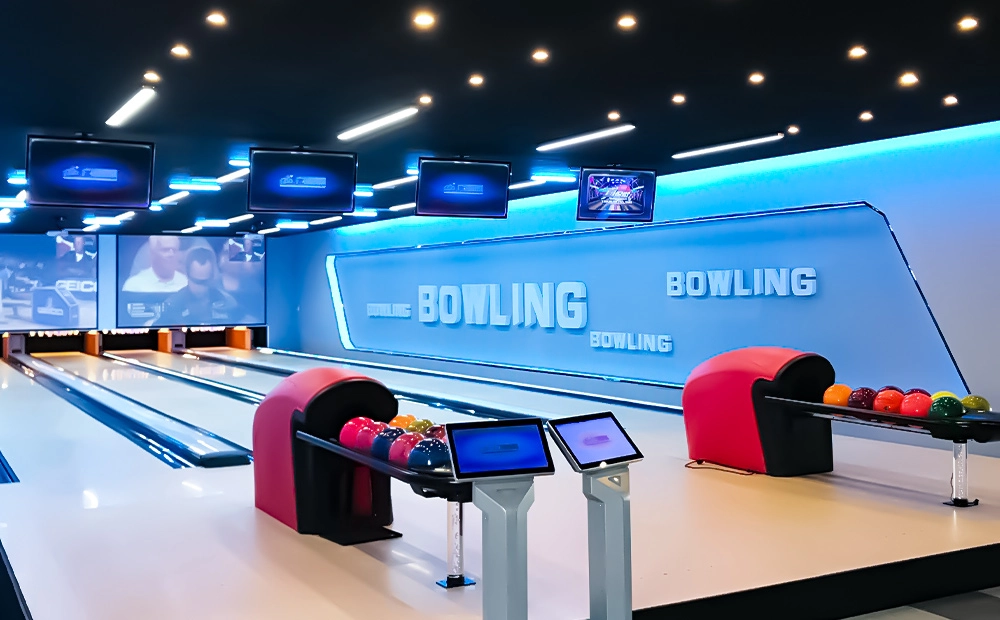
Complete Set Of String Pinsetter Bowling Lane Equipment
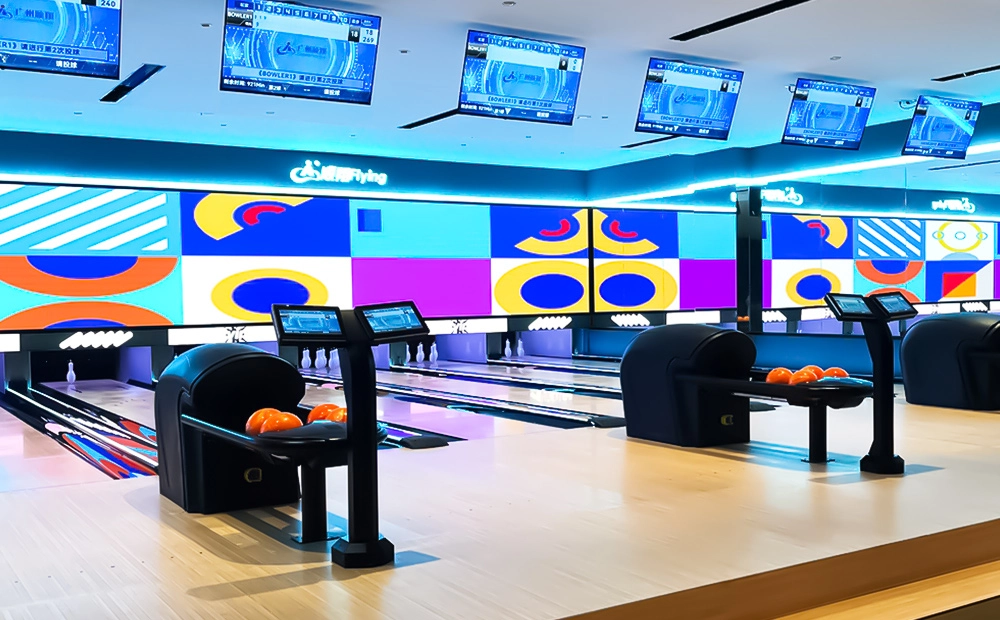
Indoor Medium Duckpin Bowling Lane Equipment For Bowling Alley
Bowling Equipment
Where to find bowling equipment?
You can search for Guangzhou Flying Bowling Co., Ltd. on Alibaba International Station and Google, and you can see different types of high-quality bowling equipment on our website. All bowling equipment-related information can be found on the website. If you have any questions, you can contact us at anytime.
Where to buy bowling equipment near me?
If you want to buy bowling equipment, please contact Guangzhou Flying. We will definitely provide you with the best service.
Who makes new bowling equipment?
Flying specializes in manufacturing brand new bowling equipment. All the equipment, fairway boards, balls, and pins we provide are brand new. Including the scoring and management systems of our bowling lanes, they are all unique and developed by ourselves.
Price
How much does a bowling lane cost ?
The cost of a single bowling lane falls between $75,000 and $80,000 for a standard lane. Here's a breakdown considering different factors:
New vs. Used:
New lanes naturally cost more than used ones.
Features:
Automatic scoring systems or other customizations can increase the price.
Home vs. Commercial:
Lane installations for homes may cost slightly more to account for special adjustments.
It's important to note that this is just the lane itself. The total cost of building an entire bowling alley will include additional costs for installation, surrounding infrastructure, and any amenities you include.
How much does it cost to build a 2 lane home bowling alley?
Building a 2-lane bowling alley in your home can be a fun and luxurious addition, but it comes with a significant cost. Here's a breakdown of what to expect:
Price range: Expect a ballpark figure of $120,000 to $195,000 [US dollars] for two lanes of traditional ten-pin bowling. This includes lane equipment, installation, and basic functionality for a home setting.
Variations: This cost can be highly influenced by your desired features and customizations. Here are some factors that can push the price higher:
Upgraded equipment: Automatic scoring systems, lane lighting systems, or high-performance lane surfaces will all add to the cost.
Construction considerations: The cost of preparing the space in your home might vary depending on the existing structures, plumbing, and electrical work needed.
You may also like
Flying Smart Duckpin Bowling (FSDB) innovative design, standard 9.2-meter short lane, can be shortened in length, compact layout suitable for small spaces. The game rules are simple but challenging, attracting players of different ages to actively participate.
Suitable for social entertainment venues such as bars, billiard halls, and game centers, it not only enhances interactivity but also increases the popularity and consumption frequency of the venue. The fun and competitive nature of FSDB will make it a new focus of social activities.
Flying Classic Standard Bowling (FCSB) is designed according to international competition standards and equipped with an accurate automatic scoring system, providing bowling enthusiasts with a pure professional experience. Whether it is for competitions or leisure entertainment, FCSB can meet high-level needs.
Suitable for family entertainment centers, luxury resorts, private villas, or clubs, it is an ideal choice for customers who pursue high-end quality and professional experience. Its classic design and excellent performance will add lasting appeal to the venue.
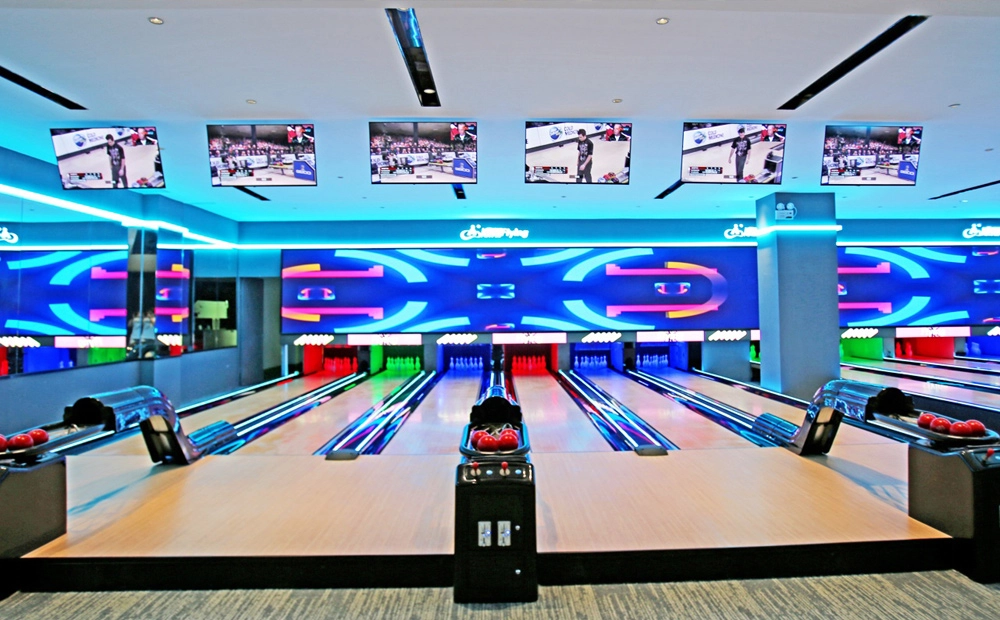
Flying Cute Mini Bowling (FCMB) is a mini bowling experience designed for children and families. The lane length is fixed at 12 meters, equipped with lightweight balls without finger holes (only 1.25kg) and small pins, specially designed for children and family fun.
It can not only help children feel the fun of bowling, but also stimulate their interest and competitive consciousness. Suitable for children's playgrounds, theme parks and parent-child centers, it is the best choice for places focusing on the children's market.
Flying Social Medium Bowling (FSMB) is tailored for small venues, with flexible lane lengths (customizable from 9.6 meters to 18 meters), a small ball design suitable for players of all ages, and light pins that are easier to knock down, increasing participation and fun.
Whether it is a gathering of friends or a casual social, FSMB can easily create a relaxed and pleasant atmosphere. Its efficient space-utilization design is particularly suitable for cafes, bars and community entertainment venues, allowing people to fall in love with bowling in a relaxed interaction.
Contact Flying
Start your bowling alley project
If you contact us now for more details, we can provide you with a custom bowling alley service. Our service team will get back to you within 24 hours normally!
© 2026 Flying BOWLING. Designed by gooeyun.
FOLLOW US:

Flying Bowling
Flying Bowling
Flyingbowling
Flyingbowling